"Are there different breeds of hamsters?" If you're asking this, you're already on the right track. Walking into a pet shop and seeing a row of furry faces, it's easy to think a hamster is just a hamster. That's the first mistake many new owners make. The truth is, the choice between a Syrian and a Dwarf hamster isn't like choosing between a black or brown Labrador—it's more like choosing between a solitary cat and a hyperactive, social mouse. They have fundamentally different needs, personalities, and lifespans. Picking the wrong one can lead to stress, biting, escape attempts, and heartbreak. I've seen it happen too often. Let's cut through the confusion and look at the five main hamster species you'll encounter as pets, not as vague "breeds," but as distinct animals with their own rulebooks.
What's Inside This Guide
The "Big Five" Pet Hamster Species: More Than Just Fluff
First, a quick terminology fix. People say "breeds," but biologists say "species." Breeds, like in dogs, are man-made variations within the same species. Hamster species are naturally occurring, genetically distinct groups. This isn't just semantics—it means a Syrian and a Roborovski can't interbreed, and their care requirements diverged long before pet stores existed.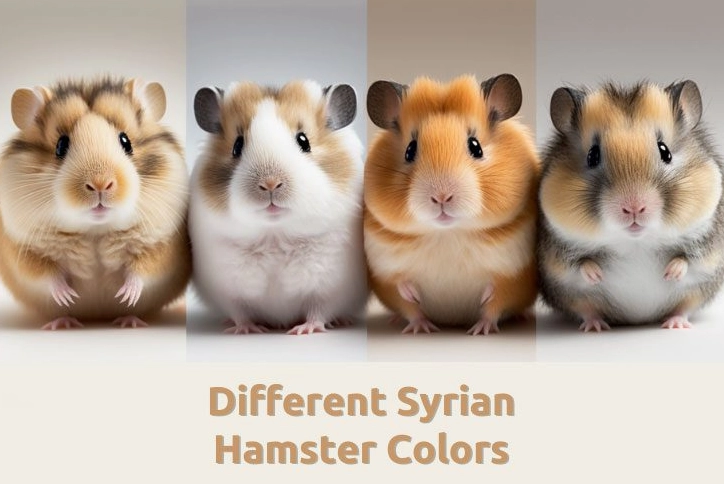
Here are the five you need to know, laid out in a way that lets you compare them at a glance.
| Species (Common Name) | Adult Size | Lifespan | Temperament & Social Needs | Key Trait for Owners |
|---|---|---|---|---|
| Syrian Hamster (Golden, Teddy Bear) | 5-7 inches (13-18 cm) | 2-3 years | Strictly solitary. Must live alone. Generally docile and handleable if tamed young. | The classic, low-drama beginner hamster. Needs a large cage (minimum 100x50cm). |
| Campbell's Dwarf Hamster (Russian Dwarf) | 3-4 inches (8-10 cm) | 1.5-2 years | Can be kept in same-sex pairs/groups if introduced young. Fast, curious, can be nippy. | Prone to diabetes. Avoid sugary treats. Often confused with Winter Whites. |
| Winter White Dwarf Hamster (Djungarian) | 3-4 inches (8-10 cm) | 1.5-2 years | Similar to Campbell's. More timid. Can cohabit with careful supervision. | Famous for turning white (or partly white) in winter under specific light/temperature conditions. |
| Roborovski Dwarf Hamster (Robo) | 2 inches (5 cm) | 3-3.5 years | Extremely fast and skittish. Best observed, not handled frequently. Can live in pairs. | The "watcher's pet." Not for young children. Escape artist supreme. |
| Chinese Hamster | 4-5 inches (10-13 cm) | 2-3 years | Usually solitary. More mouse-like with a longer tail. Can be nervous but are gentle. | Often mislabeled as a dwarf. Requires a cage with very narrow bar spacing (under 0.5cm). |
That table gives you the skeleton, but the flesh and blood of owning each type is in the details. For instance, many pet shops sell "Russian Dwarf Hamsters" without specifying if they're Campbell's or Winter Whites. It matters because Campbell's have a known genetic predisposition to diabetes, as noted in studies by organizations like the Hamster Welfare Association. Feeding a Campbell's a diet high in fruit (common advice for Syrians) is a recipe for health problems.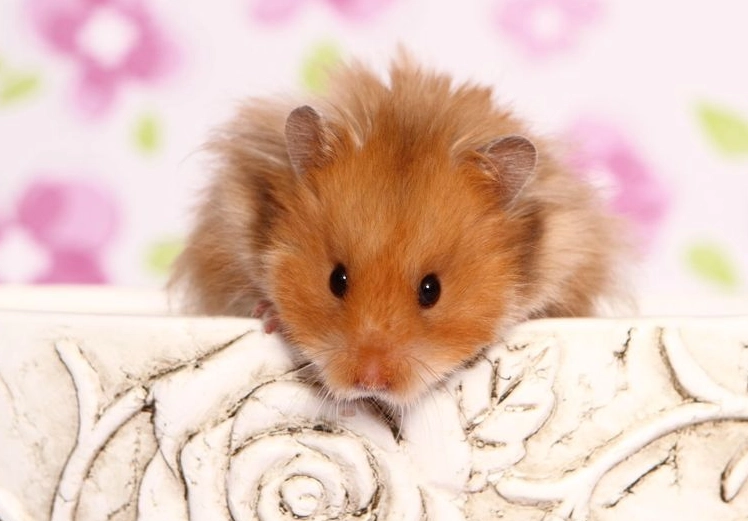
Syrian vs. Dwarf Hamsters: Where Most First-Time Owners Go Wrong
This is the biggest fork in the road. The choice here defines your entire ownership experience.
The Case for the Syrian Hamster
Syrians are the gentle giants. Their size makes them easier to handle without feeling like you're going to crush them. They're less prone to the "dart-and-disappear" moves of the dwarves. A well-tamed Syrian will sit in your hand, munch a treat, and be a calm companion. But here's the non-negotiable rule that pet stores often gloss over: Syrian hamsters are 100% solitary after 8-10 weeks of age. Putting two together isn't "giving them a friend"—it's forcing them into a stressful, often deadly fight for territory. I can't count how many times I've had to explain this to devastated owners who bought a "pair."
Their major con? Space. That cute little critter trail cage is animal cruelty for a Syrian. They are marathon runners in the wild. A 12-inch wheel will bow their back; they need a 10-12 inch solid-surface wheel. Their cage needs to be massive, with deep bedding for burrowing. Think 100cm x 50cm floor space as an absolute minimum, not a luxury.
The Reality of Dwarf Hamster Ownership
Dwarves are tiny bundles of perpetual motion. They're fascinating to watch—incredibly agile, busy, and social with their own kind (usually). The appeal of having a pair of Roborovskis zooming around a naturalistic terrarium setup is huge. But they are not cuddly pets.
The biggest misconception is that their small size means a small cage. Wrong. Because they are so active and benefit from companionship, their space requirements per animal are just as high, if not higher, than a Syrian's. You need a large, secure tank (bars are often too wide for Robos and Chinese hamsters).
Handling is different. Taming a dwarf requires immense patience. Quick, sudden movements will startle them. They may never enjoy prolonged handling. A Campbell's might give you a test nibble out of curiosity. This isn't aggression; it's how they explore. You need to read their subtle body language.
Quick Decision Helper: Choose a Syrian if you want a handleable, solitary pet and have space for a large enclosure. Choose a Dwarf (Robo, Campbell's, Winter White) if you are happy to observe more than handle, want to keep a pair, and can provide a large, secure tank.
How to Choose Your Perfect Hamster Match: A Step-by-Step Filter
Don't just pick the cutest face. Run through this checklist.
Your Lifestyle & Experience Filter
For households with young children (under 10): A Syrian is almost always the better choice. They are sturdier, less likely to escape from gentle hands, and their slower, more predictable movements make them less frightening for the child and the hamster.
For the busy adult or first-time owner: Again, Syrian leans ahead. Their care routine is more straightforward (one animal, clearer health signals). A dwarf pair, while seemingly low-maintenance, requires careful monitoring for falling out or bullying, which adds a layer of complexity.
For the enthusiast who loves to watch natural behaviors: A pair of Roborovskis or Winter Whites in a large, planted bioactive terrarium is unbeatable. You're creating a mini-ecosystem. This is a more advanced, expensive, and time-consuming setup, but the reward is a captivating live nature documentary on your desk.
For someone in a small apartment: This is tricky. While dwarves are smaller, their cage shouldn't be. The real space saver isn't the animal size, but opting for a tank-style enclosure you can safely place on a sturdy shelf or desk. A barred Syrian cage of adequate size is often bulkier.
Once you've narrowed the species, where you get them matters. A reputable breeder who handles their kits (babies) from a young age will produce far tamer, healthier hamsters than a mass-scale pet mill supplier. Look for breeders who can tell you the lineage, house their adults in large enclosures, and ask you questions about your setup.
Beyond the Basics: The Nuanced Care Each Type Really Needs
Generic care sheets fail hamsters. Here's what they usually miss.
Dietary Differences You Won't Find on the Bag
A high-quality lab block or seed mix is the base for all. The supplements vary.
- Syrians: Can enjoy small pieces of fruit (apple, pear) and vegetables as occasional treats. They are less prone to diabetes.
- Campbell's Dwarves: Avoid fruit. Stick to vegetable treats (broccoli, cucumber, pea) and protein sources like mealworms or plain cooked chicken. This is critical.
- Roborovskis & Winter Whites: Benefit from even higher protein intake. In the wild, their diet is heavy on insects. Don't be shy with the mealworms.
- All Dwarves: Their tiny size means they dehydrate faster. Ensure a constant water supply and consider watery veggies like cucumber for hydration.
Enrichment: It's Not Just a Wheel
Syrians are master burrowers. Provide 8+ inches of unscented paper or aspen bedding in at least part of their cage. They will create an entire tunnel network. Dwarves, especially Robos, come from arid environments. They love sand baths (use reptile sand without additives) not just for cleaning, but as a digging and playing area.
All hamsters are prey animals. Clutter is good. Fill the space with tunnels, ceramic hides, cork logs, and platforms. An empty cage is a stressed hamster.
The Social Experiment: Keeping Dwarf Pairs
If you try a pair (always same-sex, from the same litter), you need a backup plan. Have a second, fully equipped cage ready to go at a moment's notice. Even littermates can hit puberty and decide they hate each other. Signs of trouble: frequent squabbling (not just play-chasing), sleeping separately, or one hamster dominating the food hoard and entrance to the wheel. If you see persistent bullying or fighting, separate immediately. It won't get better.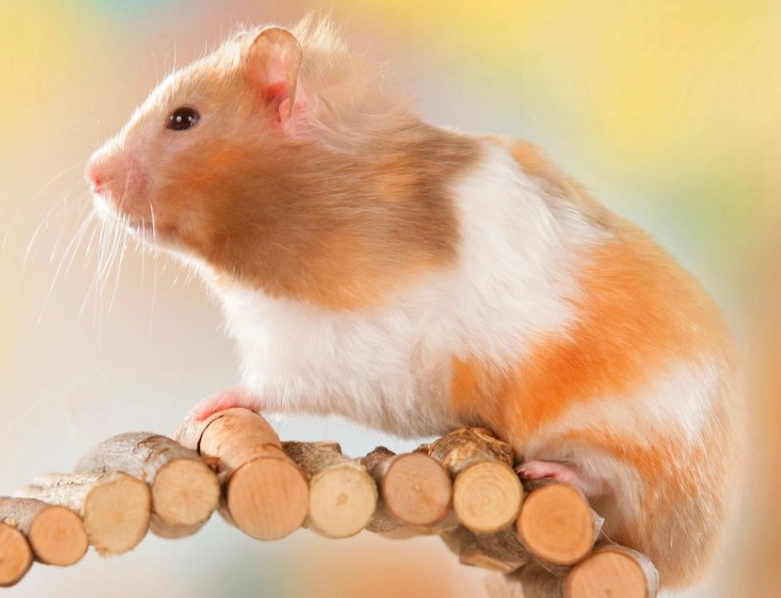
Roborovskis have the best reputation for successful pair bonding, but it's never a guarantee.
Your Hamster Breed Questions Answered
No guarantee exists. Even Roborovskis, known for their social tolerance, can fall out. The only hamster where cohabitation has a near-100% failure rate leading to injury or death is the Syrian. For dwarves, success depends on the individuals' personalities, having a vast space (reducing competition), and duplicates of all resources (two wheels, two hides, multiple food bowls). Always be prepared to separate them permanently.
Potentially, yes, but the allergen is different. Guinea pig allergies are often to a protein in their saliva or urine, or to the hay (timothy grass) itself. Hamsters don't require hay as a dietary staple, though some owners use it for nesting. The primary allergens for hamsters are proteins in their saliva and dander (dead skin flakes). Using a low-dust, paper-based bedding and an air purifier near the cage can help significantly. Have your child spend time with a hamster before bringing one home.
These are just marketing names for different color and coat pattern variations of the Syrian hamster. A "Teddy Bear" usually refers to a long-haired Syrian. "Panda Bear" describes a specific black-and-white marking pattern. They are all the same species (*Mesocricetus auratus*) with the same solitary nature and care requirements. Don't let the fancy name trick you into thinking their needs are different.
A Syrian hamster obtained from a breeder who handles them daily from 3-4 weeks of age is your best bet. Their larger size makes them less fearful of human hands, and selective breeding by ethical breeders often emphasizes calm temperaments. "Least likely to bite" is relative; any hamster will bite if scared, sick, or woken suddenly. With slow, patient taming using treats, a young Syrian will most readily associate your hand with positive things. Adult hamsters from unknown backgrounds, especially dwarves, will require more time and may never become fully hand-tame.
Completely normal, but the intensity is worth examining. Dwarf hamsters are crepuscular (most active at dawn/dusk) and nocturnal. Running for miles is natural behavior. However, "manic" running can be a sign of stress from a cage that's too small or lacking enrichment. Ensure the wheel is the right size (8+ inches for dwarves so their back doesn't bend), the cage meets minimum size standards, and there are plenty of other things to do—digging boxes, tunnels, foraging toys. If all needs are met, you just have a very energetic hamster.
Choosing a hamster isn't about finding the "best" breed universally. It's about finding the best match for you. It's the difference between a peaceful, handleable companion and a fascinating, fast-paced mini-colony to observe. By understanding that "different breeds of hamsters" means fundamentally different animals, you're already ahead of 90% of first-time buyers. You're not just picking a pet; you're choosing a specific type of relationship and a set of responsibilities. Do that homework, set up the right home before they arrive, and you'll be rewarded with one of the most engaging small pet experiences possible.




Join the Conversation