Getting a rabbit's diet right isn't just about keeping them full. It's the single most important factor in whether they live a long, healthy life or face a cascade of painful and expensive health problems. I've seen it firsthand—the difference between a vibrant, energetic bunny and one struggling with digestive issues is almost always in the food bowl.
So, what is a rabbit's diet? In the wild, rabbits are foraging herbivores, spending hours grazing on fibrous grasses and plants. Our job as caretakers is to mimic that as closely as possible. Forget the image of a rabbit living on carrots and lettuce. The ideal diet is built on four pillars, and getting the balance wrong is where most new owners, and even some seasoned ones, stumble.
Your Quick Guide to Rabbit Nutrition
The Four Pillars of a Rabbit's Diet
Think of this as the non-negotiable foundation. Every meal, every day, should be built from these components.
1. Hay: The 80% Rule
Hay isn't just food; it's digestive fuel and dental care. A rabbit's teeth grow continuously, and the constant grinding action of chewing long-strand hay wears them down perfectly. More critically, the high fiber keeps their unique digestive system moving, preventing a deadly condition called gastrointestinal (GI) stasis.
What kind of hay? Unlimited timothy hay or orchard grass hay is the gold standard for adult rabbits. Alfalfa hay is too rich in protein and calcium for adults and should only be fed to kits (baby rabbits) and underweight seniors under veterinary guidance.
Here’s a mistake I see all the time: owners provide a small handful of hay once a day. Your rabbit should have a pile of hay at least as big as their body, available 24/7. It should be the first thing they go to and the last thing they nibble on.
2. Fresh Leafy Greens: The Daily Salad
This is where variety and portion control come in. Leafy greens provide essential vitamins, minerals, and moisture. Introduce new greens one at a time and in small amounts to avoid upsetting their stomach.
A good daily serving is about 1 packed cup of greens per 2 lbs of body weight. Split this into two feedings (morning and evening).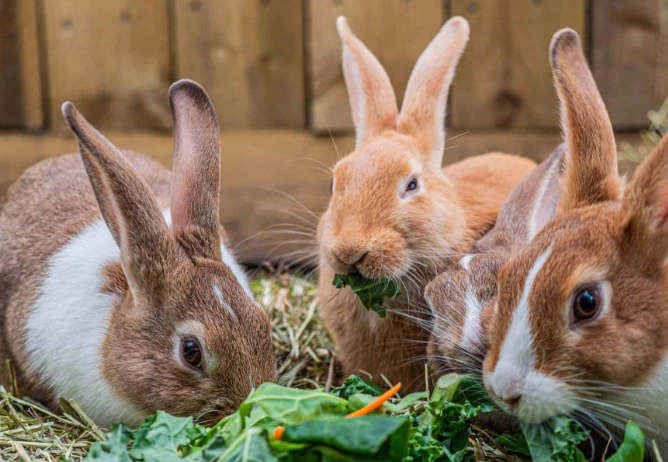
| Safe Leafy Greens (Rotate These!) | Feed in Moderation (1-2 times a week) |
|---|---|
| Romaine lettuce (not iceberg!) | Kale |
| Green/Red leaf lettuce | Spinach |
| Arugula (rocket) | Swiss chard |
| Spring greens | Dandelion greens (pesticide-free!) |
| Bok choy | Mustard greens |
| Cilantro (coriander) | Broccoli leaves |
| Basil | |
| Mint |
3. High-Quality Pellets: The Supplement, Not the Main Course
This is the pillar most people get backwards. Pellets are a concentrated supplement, not a staple. Overfeeding pellets is a leading cause of obesity and dental problems because rabbits fill up on these easy calories instead of grinding down their teeth on hay.
What to look for: A plain, timothy hay-based pellet with at least 18% fiber and less than 14% protein. Avoid mixes with colorful bits, seeds, corn, or dried fruit—these are junk food. Brands like Oxbow Essentials or Small Pet Select are consistently reliable.
The general guideline is 1/4 cup of pellets per 5 lbs of body weight per day. For a standard 4-5 lb rabbit, that's a scant 1/4 cup. Yes, it looks tiny. That's the point.
4. Treats: Fruits and Non-Leafy Veggies
Carrots, apples, bananas, berries—these are the equivalent of cake for rabbits. High in sugar, they should be given sparingly. A thin slice of apple, one small baby carrot, or a single blueberry is a sufficient treat a few times a week.
I once met a rabbit who was fed a whole carrot daily and nothing else. He was obese, had terrible teeth, and was chronically unwell. It was a heartbreaking lesson in misplaced kindness.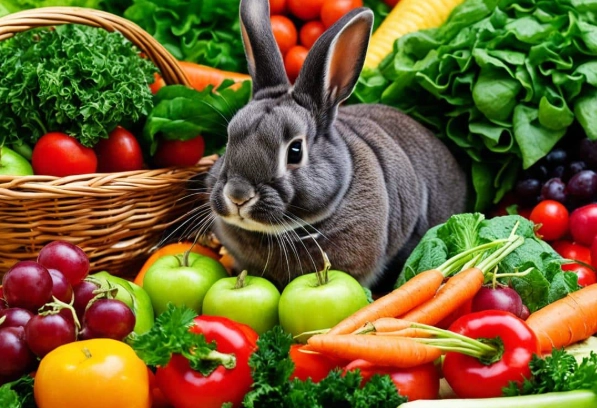
How Much and How Often to Feed Your Rabbit
Rabbits are crepuscular, most active at dawn and dusk. Mimic this natural rhythm.
Morning: A portion of their daily greens and half their daily pellets.
Evening: The other portion of greens and the remaining half of pellets.
24/7: An endless supply of fresh hay and clean, fresh water in a heavy bowl (not just a bottle).
Water intake is crucial for digestion. A bowl is always better than a bottle as it allows for a more natural drinking posture and greater consumption.
What Foods Are Toxic to Rabbits?
This list is critical. Some common human foods can cause severe illness or death.
If you're ever unsure, don't feed it. A quick check on a reputable site like the House Rabbit Society or consulting your rabbit-savvy vet can save a lot of trouble.
How to Transition Your Rabbit to a New Diet
If your rabbit is used to a pellet-heavy or treat-heavy diet, you can't change overnight. A sudden switch to high-fiber hay can shock their system.
Do it over 2-3 weeks. Gradually reduce the old pellets while slowly introducing the new ones. Simultaneously, increase the amount of hay you offer. Introduce new greens one at a time, watching for soft stools. Patience is key. A stubborn rabbit used to sugary pellets might ignore hay for a day or two, but they will eat when hungry. Don't give in and overload the pellets.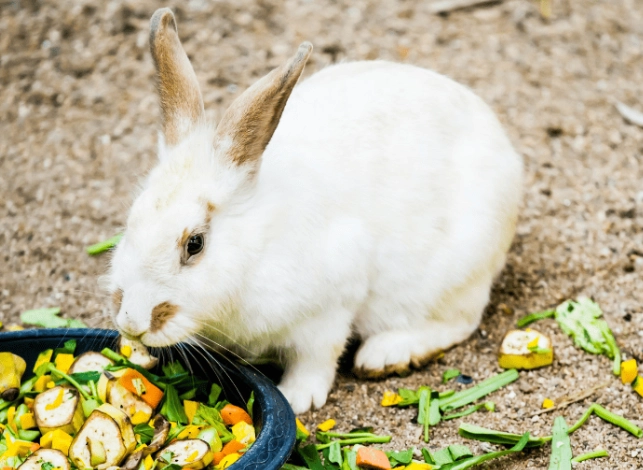

Join the Conversation