Quick Navigation
Let's be honest. The idea of getting a pet as an adult feels different than when you were a kid. Back then, it was all about begging your parents for a puppy and maybe promising to clean up after it (promises we all know how those went). Now, the responsibility is squarely on your shoulders. Your time, your budget, your carpet. It's a big decision.
And that's where good pet ideas for adults come in. It's not just about what's cute (though that's important). It's about what fits. What fits into your 50-hour work week, your 700-square-foot apartment, your weekend travel plans, and your sanity. The perfect pet for a family with a backyard isn't always the perfect pet for a single professional in a city high-rise.
I've been through this myself. After moving into my first solo apartment, the silence got to me. I wanted companionship, something to come home to. But my job had me traveling sometimes. A high-energy dog was out. A cat seemed like the default, but I wasn't sure. I spent weeks researching, talking to friends, visiting shelters. It was overwhelming.
Why Pet Ownership Hits Different for Grown-Ups
Before we dive into specific pet ideas for adults, let's talk about the adulting filter. Your criteria have changed.
Kids want a playmate. Adults often seek a companion, a stress-reliever, a routine-enforcer, or even a social lubricant (dog people know what I'm talking about). The stakes are higher because you're the one paying the vet bills and worrying about pet sitters. The joy is deeper too. Coming home to a creature that's genuinely happy to see you can reset a terrible day in a way few other things can.
But you have to be smart about it. Getting a pet on impulse is a classic mistake. I have a friend who thought a Husky would be fine in her Florida apartment. Spoiler: it was not fine. The dog was miserable, she was exhausted, and it ended with a heartbreaking rehoming. We can learn from that.
The Self-Assessment: What Does Your Life Actually Look Like?
This is the most critical step, and most people skip it. Grab a coffee and really think about these points. Be brutally honest.
Your Time & Schedule
How many hours are you truly away from home? Is your job 9-5, or does it bleed into evenings? Do you travel for work or pleasure frequently? Some pets, like dogs, need to be let out every few hours. Others, like many reptiles, are fine with less frequent interaction. A great pet idea for a busy adult is one that doesn't develop separation anxiety the moment you grab your keys.
Your Living Space
Apartment dwellers, listen up. Square footage matters, but so do rules. Check your lease! Many places have weight limits, breed restrictions, or outright bans. Noise is also a factor. A parrot might be an amazing intellectual companion, but your neighbors will not appreciate the 6 am serenades.
Think vertically, too. Cats and some small mammals love cat trees and multi-level cages. You'd be surprised how much enrichment you can pack into a small space with the right setup.
Your Activity Level & Personality
Are you a couch potato or a marathon runner? Your pet's energy should somewhat match yours. An active dog can be a fantastic motivator to get outside. But if you view walking as a chore, a low-energy breed or a different species altogether is a wiser choice.
Also, how hands-on do you want to be? Do you want a cuddler who's in your lap, or an observer who's beautiful to watch but doesn't need constant handling?
Your Budget (The Real Talk Section)
Pets cost money. Beyond the adoption fee or purchase price, you have food, litter, toys, routine vet care, and the inevitable emergency fund. Some species are notoriously expensive at the vet (hello, exotic pets). The American Society for the Prevention of Cruelty to Animals (ASPCA) provides a good breakdown of estimated pet care costs that's worth reviewing. It's an eye-opener.
The Great Pet Match-Up: Ideas for Every Adult Lifestyle
Okay, with that self-awareness in hand, let's explore some categories. Remember, these are ideas for adult pet owners who have real-world constraints.
The Classic Companions (With a Twist)
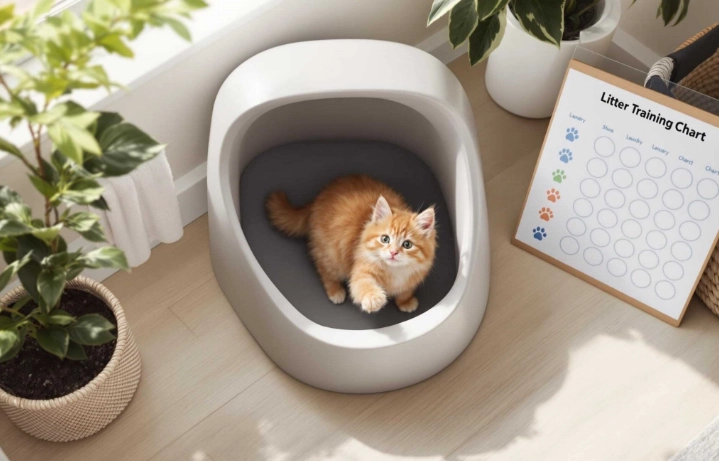
Cats: The quintessential apartment pet idea for adults. Independent yet affectionate. But not all cats are the same.
- For the Busy Professional: Look for an adult cat (2+ years) whose personality is already set. Kittens are chaos. An adult cat from a shelter who is described as "independent" or "mellow" will be content with your work schedule. Automated feeders and water fountains are your friends.
- For the Allergy-Prone: Breeds like the Siberian or Russian Blue are often better tolerated, but spend time with one first. No cat is truly hypoallergenic.
Dogs: Requires more time, but offers unmatched loyalty and a push to be active.
- Top Apartment-Friendly Breeds: Think low-energy, quiet, and smaller size. French Bulldogs, Cavalier King Charles Spaniels, Greyhounds (yes, the couch potato sprinters!), and Pugs often top lists. But individual personality matters more than breed. A shelter mutt can be the perfect fit.
- The Adoption Advantage: Shelters and rescues are full of wonderful adult dogs whose personalities are fully known. You skip the puppy mayhem and get a grateful companion. The ASPCA's adoption resources are a fantastic place to start your search responsibly.
The Low-Maintenance Marvels
Perfect for erratic schedules or those who want a quieter presence.
Fish: Underrated and deeply calming. A well-maintained aquarium is a living piece of art. But "low-maintenance" doesn't mean "no maintenance." You must cycle the tank and perform regular water changes. A single Betta fish in a properly heated and filtered 5-gallon tank is a wonderful starter pet idea for a working adult.
Reptiles: Bearded dragons and leopard geckos are popular for a reason. They don't need walking, they're quiet, and feeding is a few times a week. The catch? The initial setup for proper heat, light, and habitat is crucial and can be pricey. Do your research from reputable sources like veterinary sites.
Small Mammals: Rats are shockingly intelligent, social, and clean. They bond strongly with their owners. Guinea pigs are delightful chatterboxes but need a friend and space. Hamsters are solitary and nocturnal—great for watching at night, but not for daytime play.
| Pet Idea | Best For Adults Who... | Key Consideration | Weekly Time Commitment (Est.) |
|---|---|---|---|
| Adult Cat | Want companionship with independence, live in small spaces. | Litter box maintenance, annual vet visits, providing vertical space. | 5-7 hrs (feeding, play, grooming) |
| Small, Low-Energy Dog | Have a predictable schedule, want an exercise buddy, can afford walks/daycare if busy. | Potty breaks every 4-6 hrs, training, socialization, higher cost. | 15-20 hrs (walks, feeding, play, training) |
| Betta Fish Tank | Want a calming visual focus, have limited time for direct interaction. | Non-negotiable tank cycling and weekly partial water changes. | 1-2 hrs (feeding, tank maintenance) |
| Leopard Gecko | Fascinated by reptiles, want a hands-off but observable pet. | Precise temperature gradient required, live insect feeding. | 2-3 hrs (feeding, spot cleaning) |
| Pair of Rats | Want high intelligence and interaction in a small package. | Must be kept in same-sex pairs, prone to respiratory issues, short lifespan (2-3 yrs). | 7-10 hrs (social time out of cage, cage cleaning) |
The Unique & Unconventional
Looking beyond the fur? Here are some fascinating pet ideas for adults seeking something different.
Birds (Small): Finches or canaries are beautiful to watch and listen to, but they are not typically "handling" pets. A large flight cage is a must. Parakeets and cockatiels can be very social and learn to talk, but they demand significant daily interaction and can be messy and noisy.
Invertebrates: Tarantulas or praying mantises are the ultimate low-maintenance pets. Feeding is infrequent, they take up minimal space, and they are fascinating to observe. This is not a cuddly companion, but a living science project. Perfect for the curious adult.
Hedgehogs/Sugar Gliders: I'm putting these together with a big caution flag. They are often marketed as cute and exotic, but they have very specialized nocturnal needs, can be tricky to handle, and require exotic vets (which are expensive). Not a beginner pet by any stretch. Do months of research from expert care guides if you're considering them.
The "No-Pet" Pet Ideas
Maybe, after all this, you realize you can't commit to a live animal right now. That's responsible! But you can still get some of the benefits.
Create a bird feeder station outside your window. You get wildlife viewing and the joy of caring for something without the indoor responsibility. Get into houseplants. A thriving fiddle-leaf fig can give you a real sense of nurturing. Volunteer at a local animal shelter. You get your furry fix on your own schedule and provide a vital service.
Beyond the Idea: The Action Plan
So you've settled on a few promising pet ideas for your adult life. What next?
Research Like It's Your Job
Don't just read one blog post (not even this one!). Dive into breed-specific or species-specific forums. Read the negative experiences, not just the glowing reviews. Find a recommended care book or a website from a veterinary college. The University of California, Davis School of Veterinary Medicine has a great library of animal care topics that is authoritative and trustworthy.
Meet Some in Person
If you're thinking dog or cat, foster first. Many rescues desperately need foster homes. It's a trial run with training wheels. For other pets, see if there's a local enthusiast club or a reputable breeder/specialist who will let you interact with the animal.
I spent an afternoon at a cat cafe once, just watching how different cats interacted. It told me more than any website could.
Budget for the Start-Up AND the Long Haul
Make a list of everything you'll need before bringing the pet home. Then, set up a separate savings account for pet emergencies. Aim for $500-$1000 as a starter fund. Pet insurance is also worth serious consideration, especially for dogs and cats.
Line Up Your Support
Find a vet beforehand. Who will watch your pet if you travel? Have a backup plan. A pet sitter? A trusted neighbor? Don't wait until the week of your vacation to figure this out.
Common Questions Adults Have About Getting a Pet
The Final Word
Finding the right pet ideas for adults is a journey of matching, not just wanting. It's about aligning a living creature's needs with the reality of your grown-up life. The best pet for you isn't necessarily the one you dreamed of as a child; it's the one that complements the person you are now.
It requires honesty, research, and a bit of humility. But when you get it right? It's incredible. That quiet companionship, the shared routine, the unconditional welcome home—it adds a layer of richness to adult life that's hard to find anywhere else.
Take your time. Do the work. The perfect companion is out there waiting for the responsible, thoughtful adult you've become.




Join the Conversation