You bring home this bright, feathered spark of life—a canary. You've got the cage, the seed mix, the cute little swing. Everything the pet store clerk suggested. But a month in, you notice he's not singing much. His feathers look a bit dull. You're following the basic canary care tips, but something feels off.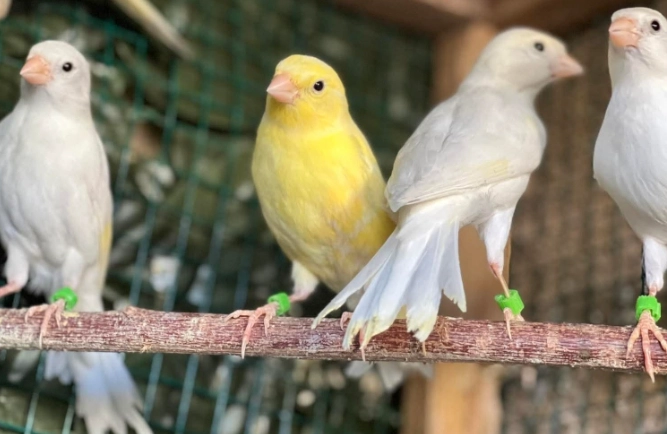
That's because most generic advice misses the nuance. Caring for a canary isn't just about preventing illness; it's about cultivating an environment where they can truly flourish. Their vibrant color and song are direct reflections of their well-being. A quiet, puffed-up canary isn't just "shy"—it's communicating.
I've kept and bred canaries for over a decade, and I've seen the same subtle mistakes cut their lives short. Let's fix that.
What You'll Find Inside
How to Set Up the Perfect Canary Cage (Most Get This Wrong)
Size matters more than you think. The classic "canary cage" sold in kits is often a prison. Canaries are active flyers, not climbers like parakeets. They need horizontal space.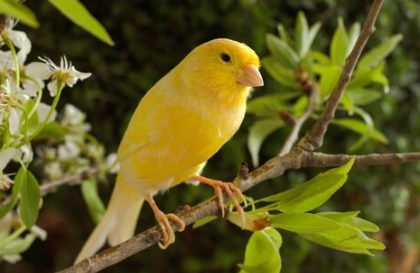
Aim for a cage at least 24 inches wide and 16 inches deep. Height is less critical, but taller is good for multiple perches. Bar spacing should be no more than 1/2 inch to prevent escapes or head injuries.
Location, Location, Location
Where you place the cage is half the battle. Avoid kitchens at all costs. Fumes from non-stick pans (PTFE) are lethal to birds, and cooking odors can overwhelm their sensitive respiratory systems. I learned this the hard way years ago with a budgie—it's not worth the risk.
Place the cage against a wall, at roughly eye level, in a room with consistent, natural daylight but out of direct, hot sun. A living room where people gather is ideal—canaries are social and enjoy observing household activity. Just keep one side against a wall so they have a secure retreat.
The Perch Problem
Throw away those smooth, plastic perches and the dreaded sandpaper-covered ones. They cause foot sores and offer zero variation. A canary's feet need exercise.
Use natural wood branches of varying diameters (apple, manzanita, or untreated hardwood). Place them at different heights, ensuring the bird can fly between them without hitting the cage sides. Include one perch higher than the others—that's the sleeping and singing spot.
Pro Tip: Scrub natural branches with a mild vinegar solution and rinse thoroughly before installing. It removes any outdoor contaminants.
Canary Diet Secrets: Moving Beyond Just Seeds
An all-seed diet is like feeding a human nothing but crackers. It's deficient in vitamins (especially A and D), calcium, and protein. It leads to obesity, fatty liver disease, and a shortened lifespan.
The goal is variety. A high-quality pelleted diet should form the base (about 60%). Pellets are formulated for balanced nutrition. Then, supplement with the good stuff.
| Food Type | Examples | Frequency | Notes |
|---|---|---|---|
| Fresh Veggies | Dark leafy greens (kale, spinach), broccoli florets, grated carrot, sweet potato (cooked). | Daily, a small dish. | Chop finely. Remove uneaten portions after a few hours. |
| Fruits | Apple slices (no seeds), berries, melon. | 2-3 times a week. | High in sugar. Treat-sized portions only. |
| Protein Boost | Hard-boiled egg (mashed, shell included), soaked and sprouted seeds. | Weekly, especially during molt. | The crushed eggshell provides essential calcium. |
| Seeds & Millet | Canary seed mix, spray millet. | Limited, as a treat/training reward. | Think of this as junk food. Don't let it dominate the diet. |
Transitioning a seed-addicted canary takes patience. Mix pellets into the seed, gradually increasing the pellet ratio over weeks. Offer new veggies in the morning when they're hungriest.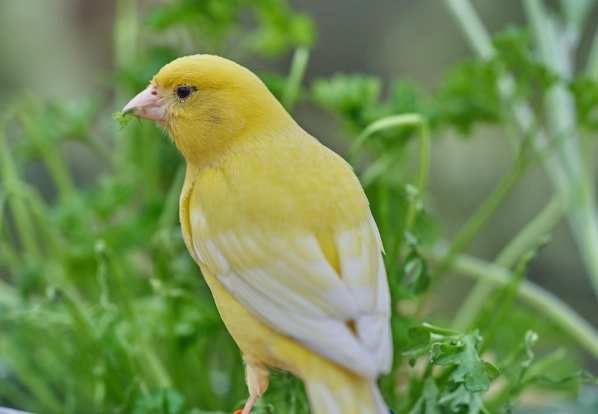
Always have a separate dish for fresh water, changed daily. A cuttlebone or mineral block should be available at all times for calcium and beak maintenance.
Health Watch: Spotting Red Flags Before It's Too Late
Canaries hide illness instinctively—a prey animal behavior. By the time they look obviously sick, they're often in serious trouble. Your job is to be a detective.
Observe your bird daily during quiet moments. Know his normal posture, energy level, and droppings.
Critical Warning Signs
Fluffed up for prolonged periods: This is the number one sign something is wrong. Birds fluff to conserve heat when ill. If he's puffed and sitting on the cage floor, it's an emergency.
Changes in droppings: Watery feces, undigested seed in droppings, or a change in color (bright green or bloody) are red flags. The white urate part should be pasty, not watery.
Labored breathing or tail bobbing: Watch his tail. If it moves noticeably up and down with each breath, he's working too hard to breathe. Listen for clicking or wheezing sounds.
Loss of song or voice change: A singing canary that suddenly goes quiet is a major concern. It's not always a mood—it's often a symptom.
Have the contact for an avian veterinarian ready before you need it. Not all vets see birds. The Association of Avian Veterinarians website is a good place to search for a qualified professional.
Understanding Canary Behavior and Enrichment
A bored canary is an unhappy canary. They are intelligent and need mental stimulation.
Singing: Only males sing complex songs. They sing to establish territory and attract mates. Singing is a sign of health and contentment. Ensure he gets 10-12 hours of light and darkness for a proper cycle. Don't cover the cage 24/7 to stop singing—you'll disrupt his health.
Bathing: Canaries love to bathe. Provide a shallow dish of lukewarm water a few times a week. You'll see them hop in, flutter, and get thoroughly soaked. It's crucial for feather health. Remove the bath after an hour to prevent drowning risk or drinking dirty water.
Toys: Avoid mirrors—they can cause territorial frustration. Good toys are simple: untreated wood blocks, swings, and shreddable materials like sola wood or seagrass. Rotate toys every couple of weeks to maintain novelty.
Letting your canary out for supervised flight in a bird-safe room is excellent exercise. Close windows, cover mirrors, turn off ceiling fans, and ensure no other pets are present. Do this in a calm, predictable manner.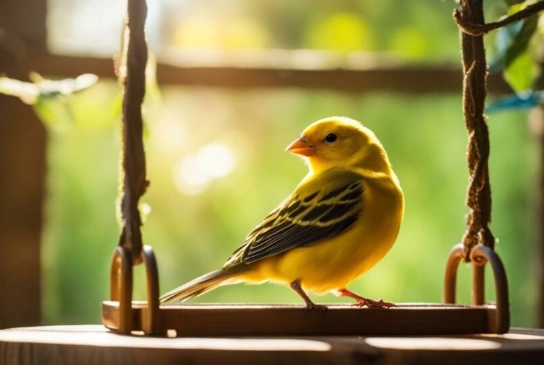
5 Common Mistakes Even Experienced Owners Make
- Using chemical cleaners near the cage. Aerosols, plug-in air fresheners, and scented candles release volatile compounds that can damage a canary's lungs. Use vinegar and water for cleaning around the cage.
- Ignoring the annual molt. Once a year, your canary will look ragged and lose feathers. He'll be quieter and need extra protein (that egg food!) and less stress. It's normal, not an illness.
- Assuming a quiet bird is a happy bird. As discussed, silence is a potential alarm bell. Know your bird's baseline.
- Neglecting nail and beak care. With proper perches and a cuttlebone, trims are rarely needed. If you must trim, have a vet show you how. One clipped too short can bleed profusely.
- Overlooking the importance of routine. Canaries thrive on predictability. Feed, change water, and cover/uncover the cage at roughly the same times each day.
Your Canary Care Questions, Answered
Do canaries need a companion to be happy?
Not necessarily. Male canaries are territorial and often prefer to live alone, especially if you want to encourage singing. Housing two males together usually leads to stress and fighting. A solitary canary can be perfectly content with daily interaction from you, a spacious cage, and plenty of mental stimulation. The loneliness risk comes from environmental boredom, not the lack of another bird.
How can I get my canary to sing more often?
Consistent light exposure is the master key. Aim for 10-12 hours of bright, indirect light daily. Place the cage in a lively part of your home where he can see household activity. Playing recordings of other canaries can sometimes stimulate singing, but be cautious—it can also cause frustration if he perceives a rival. Above all, ensure his diet is rich and varied; a malnourished bird lacks the energy for song.
What is the average lifespan of a pet canary?
With proper, attentive care, a canary can live between 7 to 10 years, and some even reach 15. The biggest factors cutting their life short are poor diet (all-seed), lack of exercise leading to fatty liver disease, and exposure to household toxins like non-stick cookware fumes or strong air fresheners. Regular, quiet observation is your best tool for catching health issues early.




Join the Conversation