Let's be honest, a big part of why we love hamsters is how incredibly cute they are. And when it comes to cuteness, few things beat a hamster with a gloriously fluffy coat. But "fluffy hamster" isn't just one thing. It's a whole category of adorable, each with its own quirks and care needs. If you're dreaming of a soft, cuddly pocket pet, you're in the right place. This isn't just a list of breeds; it's a deep dive into what it's really like to live with these furry little friends, based on years of experience and plenty of learned-the-hard-way lessons.
What You'll Find in This Guide
What Makes a Hamster 'Fluffy'?
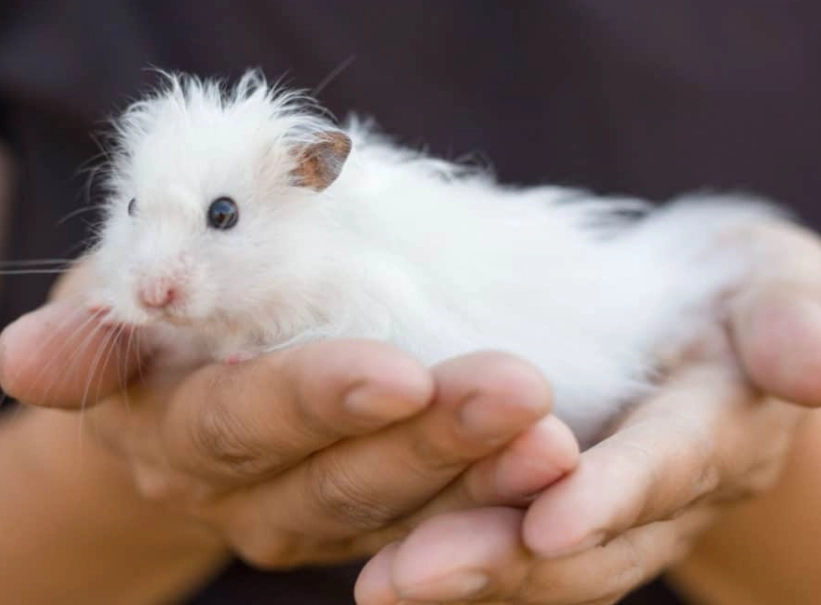
When we say "fluffy," we're usually talking about coat length and density. The undisputed champion of fluff is the long-haired Syrian hamster. This isn't a separate breed, but a coat variety of the common Syrian or Golden hamster. Their fur can grow over an inch long, creating a magnificent, flowing mane (especially in males) that's the definition of hamster fluff.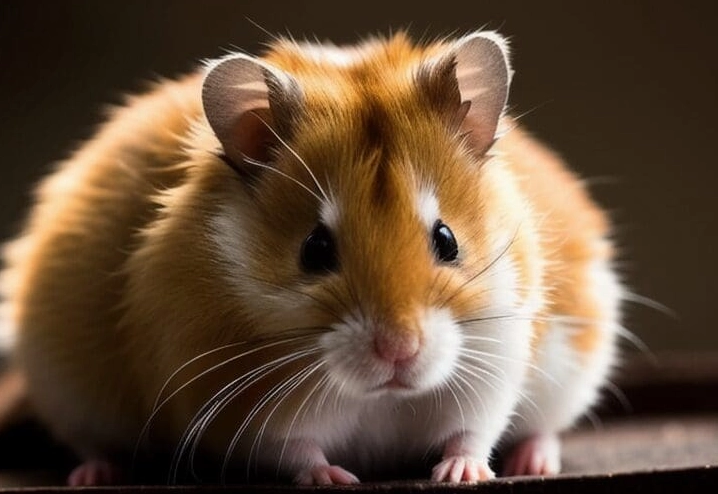
Other hamsters might be described as fluffy due to a particularly dense or plush coat. Some Campbell's or Winter White dwarf hamsters can appear very soft and full-figured, but they lack the dramatic length of the long-haired Syrian. It's a texture thing versus a length thing.
Here's a key point most beginner guides miss: fluffiness directly impacts care. That beautiful long hair isn't just for show—it's a maintenance commitment. It can mat, trap bedding, and even get soiled if not managed properly. Choosing a fluffy hamster means signing up for a bit more hands-on care than you would with a short-haired cousin.
Quick Reality Check: The term "teddy bear hamster" is often used in pet stores for long-haired Syrians. It's a cute marketing name, but it's not a scientific classification. All "teddy bear" hamsters are long-haired Syrians. Don't pay extra for the fancy name.
The Top Fluffy Hamster Breed (And Other Contenders)
Let's cut to the chase. If maximum fluff is your goal, there's really only one choice.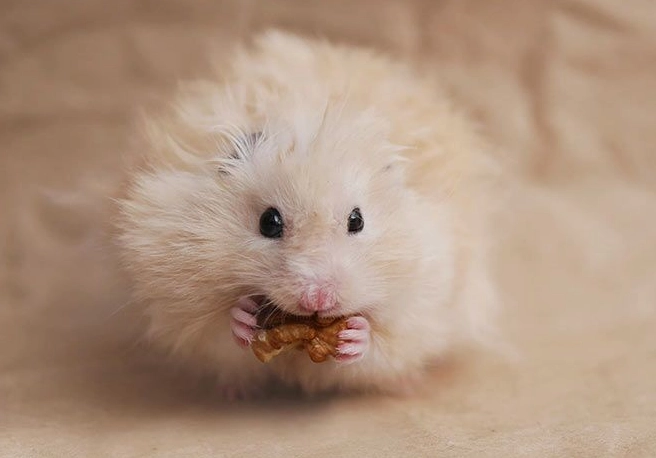
The Long-Haired Syrian Hamster: The Fluffiest of Them All
This is the hamster that looks like it just stepped out of a tiny hair salon. Males typically develop a much longer, skirt-like coat around their rear and flanks, while females have a shorter, more even layer of long fur. The texture can vary from silky smooth to slightly woolly.
What to Expect:
- Size: Largest of the pet hamsters (5-7 inches).
- Personality: Syrian hamsters are solitary and must live alone. They are often more handleable and less skittish than dwarfs, making them good for gentle older children and adults. Individual temperaments vary wildly, though.
- The Fluff Factor: 10/10. Unmatched length and volume.
I had a long-haired Syrian named Mochi. He was a gentle giant, but his fur was a magnet for every piece of bedding in his cage. Weekly gentle brushing with a soft toothbrush became our bonding ritual. Without it, his beautiful coat would have been a tangled mess.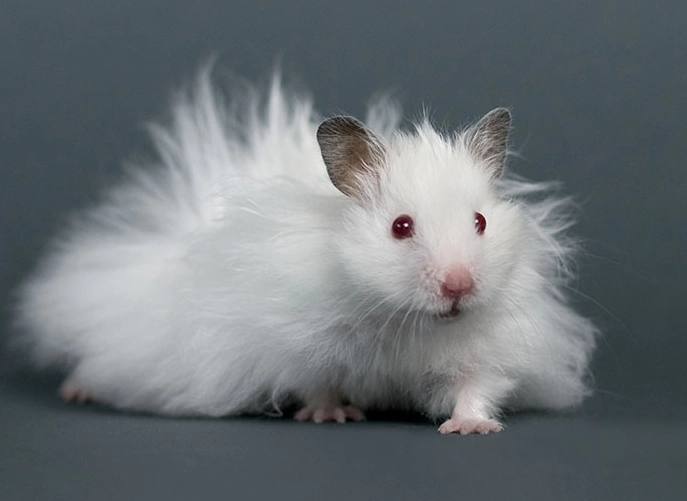
The "Honorary Fluffy" Crew: Dwarf Hamsters
True dwarf hamsters (Campbell's, Winter White, and Roborovski) are short-haired. Calling them "fluffy" is a stretch if you're comparing them to a long-haired Syrian. However, they can have a very dense, plush coat that feels incredibly soft to the touch. A well-cared-for Winter White in its thick winter coat (which turns white in the wild for camouflage) can look particularly round and fuzzy.
Dwarf hamsters are social and can sometimes live in same-sex pairs or groups if introduced young, but this comes with major risks of fighting. Most experienced owners now recommend solitary living for dwarfs too, to avoid stress and injury. They are faster, more agile, and often more challenging to handle than Syrians.
So, while they're adorable and soft, don't get a dwarf expecting Syrian-level fluff. You're getting a different kind of cute.
Fluffy Hamster Care: Beyond the Basics
Owning a fluffy hamster, especially a long-haired Syrian, is like owning a pet with a special feature that requires its own manual. Here’s where that expert knowledge comes in.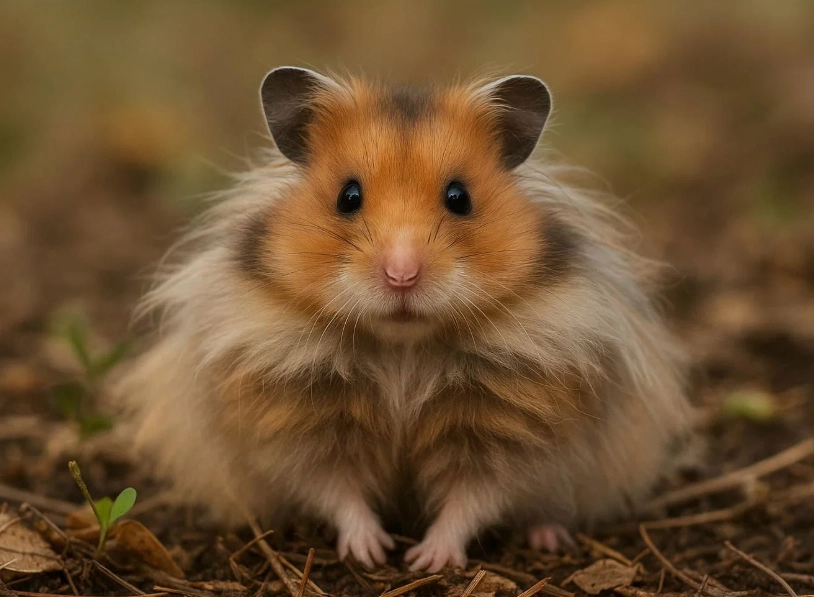
Grooming: More Than Just a Brush
This is the big one. You can't just put a long-haired hamster in a cage and forget about it.
- The Tool: A soft-bristled baby toothbrush or a specially designed small animal brush. Never use combs meant for cats or dogs—they can pull and tear the delicate skin.
- The Technique: Brush gently in the direction of hair growth. Focus on the rear end and flanks where mats most commonly form. Do this weekly, or even twice a week for very long coats. Make it positive with a treat afterward.
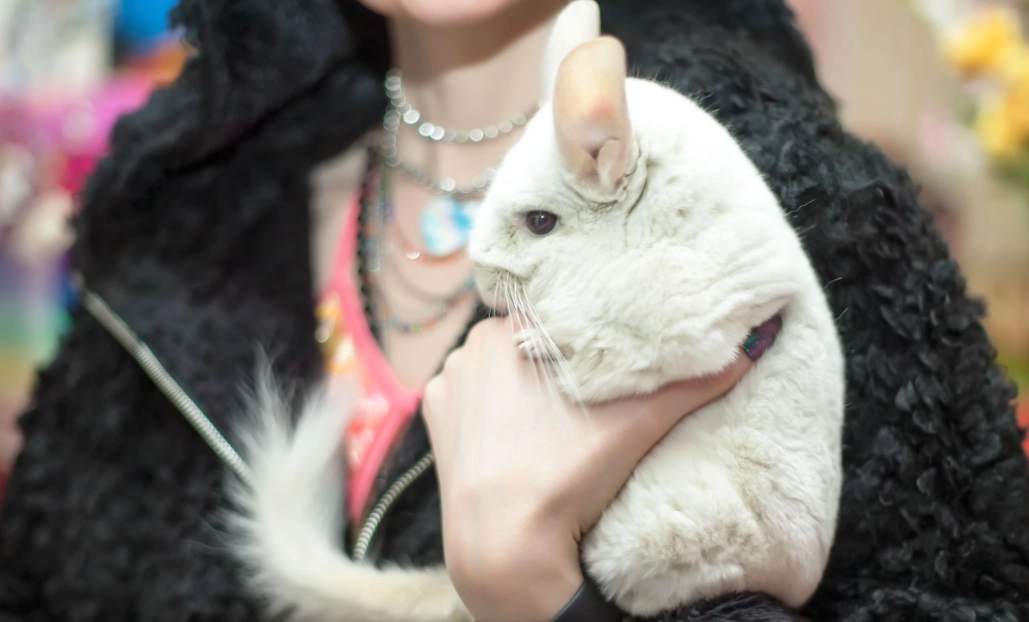
- The Bathing Myth: Never bathe a hamster in water. It strips essential oils, causes stress, and can lead to illness. If their rear gets dirty ("sticky bottom" from wet tail or diet issues), spot-clean with a damp cloth or provide a chinchilla sand bath. The sand helps absorb oils and dirt from the coat. Hamsters love rolling in it—it's natural behavior.
Cage and Bedding: Setting Up for Success
Your choice of bedding can make grooming a nightmare or a breeze.
Avoid: Fluffy, cotton-like bedding (like Kaytee Soft & Cozy or similar). This material is notorious for wrapping around limbs and, you guessed it, tangling in long fur. It's a serious hazard.
Choose: Paper-based beddings (like Carefresh), aspen shavings, or hemp bedding. These are less likely to snag. Provide a deep layer for burrowing—this is a non-negotiable need for hamster mental health.
The cage itself needs to be large. The Hamster Welfare Association recommends a minimum of 100cm x 50cm of continuous floor space for Syrians. A big cage with a sand bath area, a proper wheel (solid surface, at least 8-10 inches for Syrians), and hiding spots will keep your fluffy friend healthy and their coat in better condition.
Diet and Health: The Inside-Out Connection
A healthy coat starts from the inside. A high-quality lab block or pellet should be the staple, supplemented with a small, measured amount of seed mix, fresh veggies (like broccoli, cucumber), and the occasional protein (mealworm, plain cooked chicken).
Dehydration or poor diet can lead to a dry, brittle coat. Always have a water bottle (check it daily for function).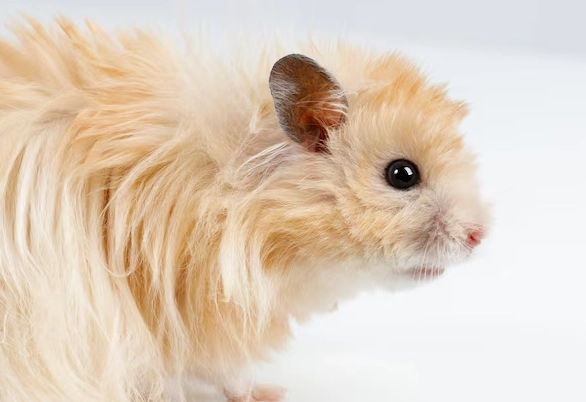
How to Choose Your Fluffy Hamster
Walking into a pet store, it's easy to pick the fluffiest ball in the bin. Slow down. Here’s a smarter approach.
- Consider Your Lifestyle: Do you have 10-15 minutes a few times a week for gentle grooming? If not, a short-haired Syrian or a dwarf might be a better fit. Long hair is work.
- Look Beyond the Fur: Observe the hamster's activity. Are they alert? Is their coat clean (even if messy) around the rear? Eyes should be bright, and no wheezing should be heard. A hamster sitting still in a corner might be ill, not just sleepy.
- Age Matters: Young hamsters (4-8 weeks) won't have their full long coat yet if they are a long-haired variety. You might be taking a chance on fluff potential. An older hamster (3-6 months) will show you exactly what you're getting.
- Source Ethically: Check local small animal rescues. Surprisingly, long-haired Syrians are often surrendered because people weren't prepared for the grooming. You might give a fluffy friend a second chance. If buying from a breeder, ask about the parents' coat and health.
My personal rule? I avoid pet stores that house multiple hamsters together (a huge red flag for stress and illness) and look for clear, bright eyes above all else. A healthy hamster will have a better chance at a healthy coat.
Your Fluffy Hamster Questions, Answered
Choosing a fluffy hamster is a delightful decision, but it's one that comes with specific responsibilities. That magnificent coat is a privilege, not a right. With the right setup, a proper diet, and a consistent grooming routine, your fluffy companion can live a happy, healthy, and spectacularly soft life. It's a bit more effort, but for the right person, the reward—a content, purring ball of fluff in your hands—is worth every single minute.



Join the Conversation