You can use vinegar to clean your bird's cage, but it's not as simple as just spraying and wiping. I've kept parrots for over a decade, and I learned the hard way that a little knowledge can be dangerous. Vinegar is a great natural cleaner, but if you don't dilute it properly or rinse thoroughly, you might irritate your bird's sensitive respiratory system. Let's cut to the chase: yes, vinegar works, but you need to follow specific steps to keep your feathered friend safe. This guide will walk you through everything from safety checks to a foolproof cleaning routine, based on my own mistakes and what avian vets recommend.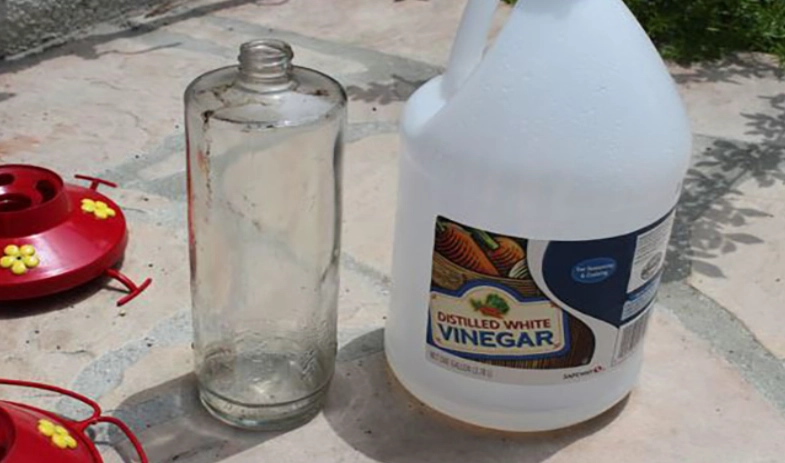
What's Inside This Guide
Is Vinegar Actually Safe for Birds?
This is the big question, and the answer isn't a straight yes or no. Vinegar—specifically white distilled vinegar—is acidic, with a pH around 2.4. That acidity helps break down mineral deposits, grease, and some bacteria. But birds have incredibly delicate respiratory systems. Their air sacs are efficient but vulnerable to fumes.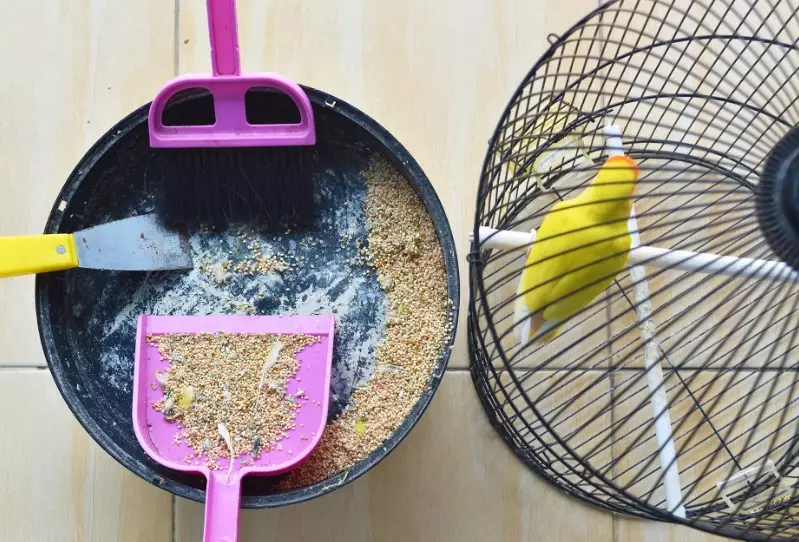
I remember once using a stronger vinegar mix to tackle stubborn droppings on my cockatiel's cage. He started sneezing and seemed off for a day. I panicked and called my avian vet, who explained that acetic acid fumes can be irritating if not ventilated well. So, safety depends on how you use it.
What Makes Vinegar a Potential Risk?
The main risk is the fumes. Undiluted vinegar or poor ventilation can cause respiratory distress in birds. Signs include wheezing, sneezing, or lethargy. Also, vinegar isn't a disinfectant for all pathogens. According to the Association of Avian Veterinarians, while vinegar can kill some surface bacteria, it's not effective against viruses like avian influenza or parasites. That's a gap many online guides miss.
How to Make Vinegar Safe for Cage Cleaning
Dilution is key. A 1:1 ratio of vinegar to water is the sweet spot for general cleaning. For tough stains, you can go up to 2:1 vinegar to water, but never use it full strength. Always clean in a well-ventilated area—outside is ideal, or near an open window. And rinse, rinse, rinse! Residual vinegar can be harmful if your bird chews on the bars.
Pro tip from experience: Test the vinegar solution on a small, hidden part of the cage first. Some cheaper cages have coatings that might react with acidity. I ruined a powder-coated stand once because I didn't check.
How to Clean a Bird Cage with Vinegar: A Detailed Walkthrough
Let's get practical. Here's my go-to routine, refined after years of trial and error. It takes about 30-45 minutes for a medium-sized cage.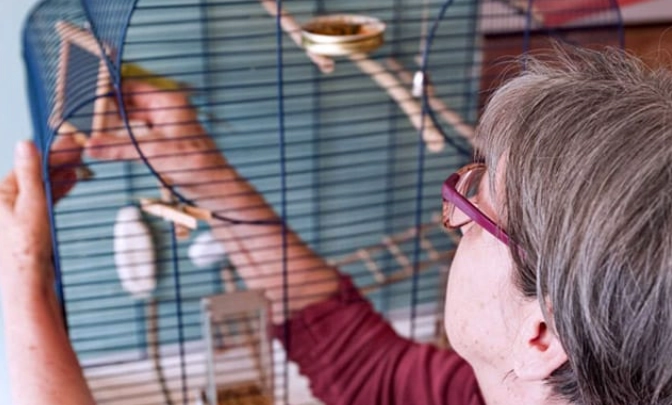
What You'll Need
Gather these items before you start:
- White distilled vinegar (avoid apple cider vinegar—it can leave a sticky residue)
- Water in a spray bottle
- Soft-bristled brushes or old toothbrushes
- Microfiber cloths or paper towels
- A bucket for rinsing
- Mild dish soap (optional, for extra grease)
- Your bird safely in another room or travel carrier
Step-by-Step Cleaning Process
Step 1: Prep the cage. Remove your bird first—obvious, but I've seen people forget. Take out all perches, toys, and dishes. Dispose of old bedding or liner. If possible, disassemble the cage partially for deep cleaning.
Step 2: Make the vinegar solution. Mix equal parts vinegar and water in a spray bottle. For a standard 16-oz bottle, that's about 1 cup vinegar and 1 cup water. Shake well.
Step 3: Spray and scrub. Spray the solution generously on the cage bars, floor, and any removable parts. Let it sit for 5-10 minutes to break down grime. Use brushes for stubborn spots like dried droppings or food splatter. Focus on corners—bacteria love hiding there.
Step 4: Rinse thoroughly. This is where most folks slip up. Use clean water to rinse every surface. I use a hose outside or wipe down with wet cloths until no vinegar smell remains. Residual acidity can harm your bird's feet or beak.
Step 5: Dry completely. Birds hate damp environments. Let the cage air-dry in the sun or use dry cloths. Moisture promotes mold growth, which is worse than dirt.
Step 6: Reassemble and return your bird. Once dry, put everything back. Check that perches are secure and toys are clean. I often soak plastic toys in a vinegar-water mix too, but rinse them extra well.
This process works for weekly cleanings. For monthly deep cleans, consider adding a mild soap step after vinegar for grease, but always rinse.
When to Skip Vinegar and Use Other Cleaners
Vinegar isn't a one-size-fits-all solution. If your bird has been sick, or if you're dealing with mold or heavy bacterial contamination, vinegar might not cut it. Avian vets often recommend specialized bird-safe disinfectants for such cases.
Here are scenarios where I avoid vinegar:
- After an illness: If your bird had a respiratory infection, use a vet-approved disinfectant like F10SC or diluted bleach (carefully rinsed). Vinegar won't kill all pathogens.
- For wooden perches or accessories: Vinegar can warp or damage untreated wood. Use a damp cloth with mild soap instead.
- If your bird is sensitive: Some birds, like canaries or finches, are more prone to respiratory issues. In that case, stick to plain water and more frequent cleanings.
Alternatives I've tried include hydrogen peroxide (diluted, but it degrades quickly) and commercial bird cage cleaners. Read labels—avoid anything with phenols or strong fragrances.
Top Mistakes Bird Owners Make with Vinegar Cleaning
I've made a few of these myself, so learn from my errors:
Mistake 1: Not rinsing enough. This is the biggest one. Vinegar residue can cause skin irritation or digestive issues if ingested. Rinse until you can't smell vinegar anymore.
Mistake 2: Using vinegar on hot surfaces. Never clean a cage in direct sun or when warm—fumes intensify. Wait for it to cool.
Mistake 3: Mixing vinegar with other cleaners. Combining vinegar with bleach creates toxic chlorine gas. Even with hydrogen peroxide, it can be unstable. Stick to vinegar alone or with water.
Mistake 4: Assuming vinegar disinfects everything. It doesn't. For sanitation, rotate with other methods or consult your vet.
Avoiding these pitfalls will keep your bird healthier and your cage cleaner.
Your Vinegar Cleaning Questions Answered
Cleaning your bird's cage with vinegar can be a safe, eco-friendly choice if done right. It's cheap, effective for routine grime, and avoids harsh chemicals. But remember, it's not a magic bullet—pair it with good habits like regular rinsing and vet check-ups. From my experience, a little caution goes a long way in keeping your bird happy and healthy.

Join the Conversation