Let's cut to the chase. You search for "pet care skills" and get a million lists. Bathing, feeding, walking. Basic stuff. But after years working with anxious dogs, sassy cats, and everything in between, I've found three foundational skills that separate okay owners from great ones. They're less about tasks and more about a mindset. Master these, and everything else—training, health management, bonding—becomes infinitely easier.
These aren't just my opinions. They're the bedrock of modern, fear-free pet care advocated by organizations like the American Veterinary Society of Animal Behavior. They address the core of pet ownership: understanding, maintaining, and enriching a life that depends entirely on you.
Your Quick Guide to Better Pet Care
Skill #1: The Art of Observation & Canine/Feline Communication
This is the most critical, most overlooked skill. It's not just "looking" at your pet. It's learning to see them. Pets communicate through subtle body language, and most problems start because we miss the early signals.
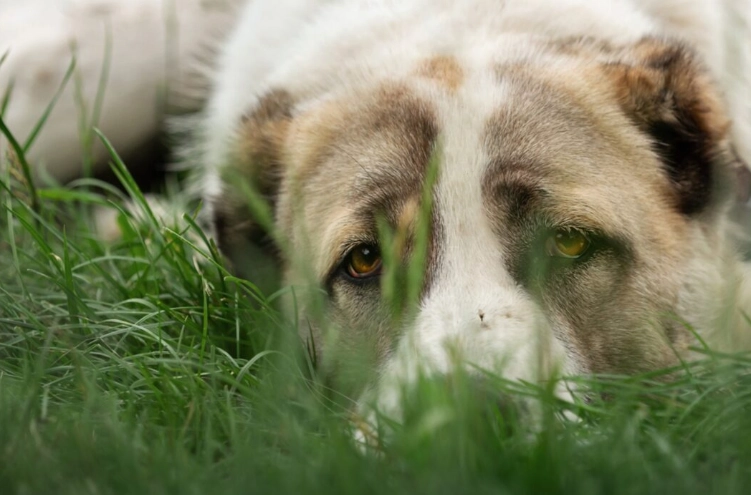
I remember a client's dog who "suddenly" growled when being petted. Sudden? Not really. When we reviewed home videos, the dog had been licking its lips, turning its head away, and showing whale eye (the white of the eye) for months. The growl was the final, desperate "no" after all the polite "please stop"s were ignored.
What You're Actually Looking For
Forget just happy tail wags. You need a checklist:
- Ears: Pinned back (cat/dog: fear, anxiety), forward (interest), one forward one back (uncertainty).
- Eyes: Wide with visible whites (whale eye = stress), slow blinking (cat = contentment, a "kitty kiss").
- Mouth: Lip licking (dog stress signal, not just hunger), panting without heat/exercise (anxiety), tightly closed mouth (tension).
- Body: Stiffness, lowered posture, tucked tail (fear), weight shifted away from something.
This skill is your early warning system. It helps you catch illness early (is he squinting? is her gait slightly off?), prevent bites, and understand what your pet actually enjoys. Does your cat really love belly rubs, or is she tolerating them until she can't? Observation tells you.
Skill #2: Hands-On Grooming & Basic Maintenance
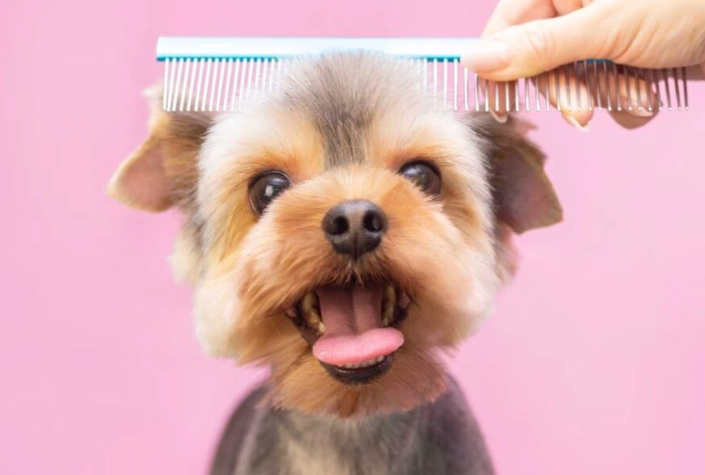
I'm not talking about fancy haircuts. I mean the essential, at-home handling that keeps your pet comfortable and builds trust. This includes nail trims, brushing, ear checks, and tooth brushing.
The biggest mistake? Making it a battle. If you have to wrestle your 80-pound dog to trim one nail, you're both failing. This skill is about cooperative care.
Let's break down the most common hurdle: nail trims.
Most people go straight for the clippers. Wrong first move. The skill is in the preparation.
- Desensitize the paws: For a week, just touch a paw, give a high-value treat (boiled chicken). Do this during calm cuddle time.
- Introduce the tool: Let them sniff the clipper or grinder. Turn it on (if a grinder) at a distance, treat. No cutting yet.
- Find the quick: In clear nails, it's the pink inner part. You must avoid it. In black nails, take tiny slivers until you see a black dot in the center of the newly cut surface—that's the start of the quick. Stop.
- One nail at a time: Clip one nail, have a party. Maybe that's all for the day. Build up slowly.
The same philosophy applies to brushing (start with short sessions on their favorite spots), ear cleaning (just look inside first, don't pour liquid in immediately), and dental care (let them lick pet-safe toothpaste off your finger before introducing a brush).
| Grooming Task | Common Error | Better Approach | Frequency Guide |
|---|---|---|---|
| Nail Trimming | Cutting too short (hitting the quick), causing pain & bleeding. | Take tiny slivers, use a flashlight for black nails, or file with a grinder. | Every 2-4 weeks for most dogs/cats. |
| Brushing | Using the wrong brush, brushing too hard, ignoring mats. | Research breed-specific tools. Be gentle. Use a detangling spray for mats, never pull. | Daily for long-haired pets, weekly for short-haired. |
| Ear Checking | Over-cleaning with Q-tips, missing signs of infection. | Just visually inspect weekly. Clean only with vet-recommended solution on a cotton pad if dirty. Look for redness, odor, discharge. | Visual check weekly, clean as needed. |
| Tooth Brushing | Using human toothpaste (toxic!), expecting full brushing immediately. | Use pet toothpaste. Start by letting them lick it, then rub with a finger, then a soft brush. | Aim for daily, but even 3x/week has huge benefits. |
Mastering gentle, positive handling makes vet visits easier, lets you spot lumps or injuries early, and is a profound act of care. It says, "I will keep you comfortable, and I will not hurt you."
Skill #3: The Architecture of Routine & Environmental Enrichment
This is the skill of building a world for your pet that feels safe and stimulating. Pets thrive on predictability. Anxiety often sprouts from chaos or boredom. You are their event planner.
Routine isn't just feeding at 7 AM. It's the predictable sequence of events. Wake up, potty, breakfast, some calm time, a walk, etc. It reduces decision fatigue and stress for an animal that doesn't understand "later."
But routine can become boring. That's where enrichment comes in. This is the hottest trend in pet care for a reason—it solves behavior problems at the root. Enrichment means meeting their innate needs: to forage, hunt, solve problems, and explore.
Here’s the non-consensus part: Most people think enrichment is just buying toys. It's not. It's about engagement.
- For dogs: A 20-minute sniffy walk is more enriching than a 60-minute forced march. Use a snuffle mat for meals, hide kibble around the house, do a 5-minute training session with new tricks.
- For cats: Stop leaving a full bowl of food out. Use puzzle feeders or hide small portions in different spots. Provide vertical space (cat trees, shelves). Rotate toys to keep them novel.
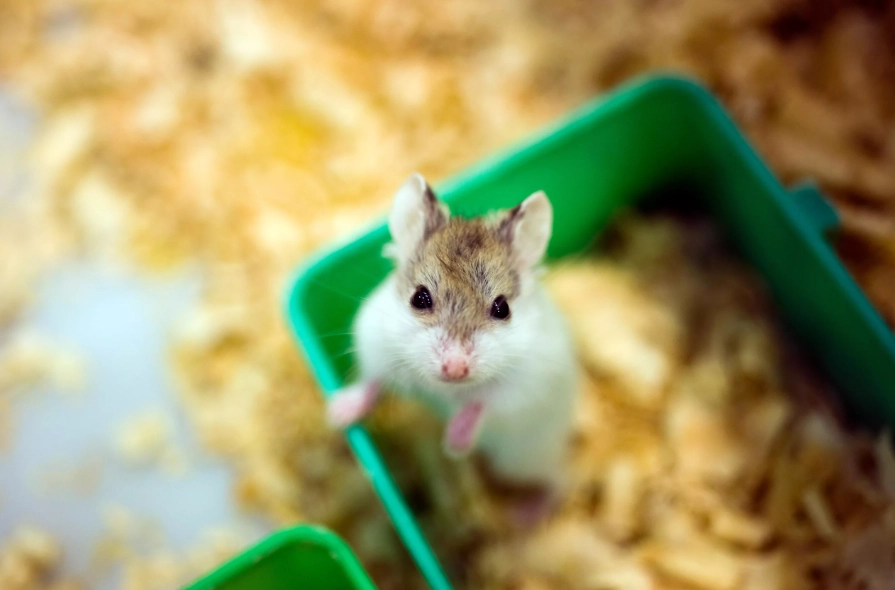
- For small mammals/birds: Change cage layouts weekly, provide new safe materials to shred/chew, create foraging opportunities with their food.
I worked with a destructive terrier. The owner tried more walks, more punishment. The solution? We cut his walk time in half but made it entirely off-leash sniffing in a safe area, and fed 100% of his meals from frozen Kongs and puzzle toys. The destruction stopped in three days. He was bored and needed a job.
This skill is about seeing your home from your pet's perspective. Is it just a waiting room between your attentions, or is it a landscape full of interesting, species-appropriate things to do?
Your Pet Care Questions, Answered
So, what are your top 3 pet care skills? If you focus on becoming a keen observer, a gentle handler, and a thoughtful architect of your pet's daily life, you'll cover about 90% of what it takes to have a truly thriving animal companion. The rest is just details. Start with one. Maybe tonight, just watch your pet for five quiet minutes. You might be surprised at what they tell you.
Join the Conversation