Getting your bearded dragon's diet right feels like a minefield sometimes. You see a list of "safe" greens, toss a few in the bowl, and feel like a good reptile parent. Then you hear a horror story from a forum about someone's dragon getting sick from a seemingly innocent vegetable. It's scary. After keeping these amazing lizards for over a decade and talking with countless vets and breeders, I've learned that the real danger isn't just the obviously bad stuff—it's the foods that seem healthy but have hidden, long-term toxic effects. This guide cuts through the noise and focuses on the five most critical foods to avoid, explaining not just the "what," but the "why" that often gets glossed over.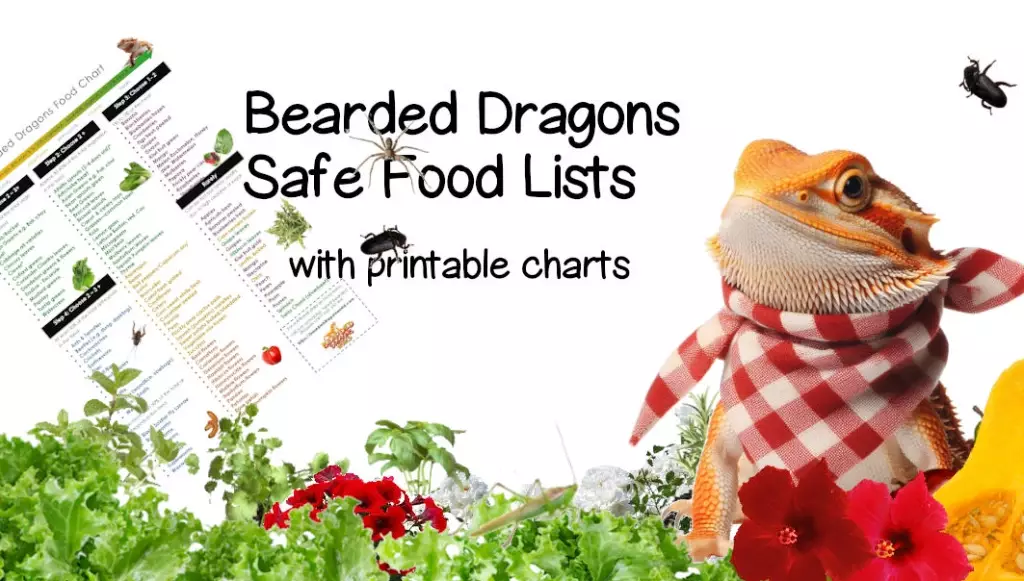
Quick Navigation
1. Spinach & Beet Tops: The Calcium Thieves
This one trips up nearly every new owner. Spinach is a superfood for humans, so it must be good for beardies, right? Wrong. It's the perfect example of a food that looks healthy but is subtly toxic over time.
The problem is oxalates (oxalic acid). These compounds bind to calcium in your dragon's gut, forming insoluble crystals that pass through without being absorbed. It's like serving a calcium-rich meal with a side of anti-calcium. For a reptile that is already prone to Metabolic Bone Disease (MBD)—a crippling, often fatal condition caused by calcium deficiency—this is a disaster in the making.
Feeding spinach regularly, even in a "salad mix," can chronically leach calcium from your pet's system. You might not see symptoms for months: first a slight weakness in the limbs, then tremors, and eventually severe deformities of the jaw and spine.
What to do instead: Replace high-oxalate greens with high-calcium, low-oxalate staples. Collard greens, dandelion greens, mustard greens, and turnip greens are your new best friends. Escarole and endive are also fantastic options. I rotate through these weekly.
2. Rhubarb: The Kidney Killer
If spinach is a stealthy thief, rhubarb is a blunt-force attacker. It contains extremely high levels of oxalic acid, far more than spinach. The leaves are notoriously toxic, but the stalks are also dangerously high in oxalates for a bearded dragon's small body.
Ingestion can lead to acute kidney failure. The oxalate crystals can form in the kidneys themselves, blocking the tiny tubules and causing rapid, irreversible damage. Symptoms include lethargy, loss of appetite, swelling, and reduced urination. This is a veterinary emergency with a very poor prognosis.
I mention this because some adventurous owners who grow their own veggies might think, "The stalk is edible for me, maybe a tiny piece..." Don't. It's not worth the risk. There is zero nutritional need for rhubarb in a bearded dragon's diet.
3. Avocado: The Silent Heart Threat
Avocado toxicity is well-known in birds and some mammals, but reptile owners sometimes overlook it. Every part of the avocado—the flesh, pit, skin, and leaves—contains a fungicidal toxin called persin.
In bearded dragons, persin primarily affects heart muscle tissue and can cause myocardial damage. It's also incredibly high in fat, which a bearded dragon's liver is not equipped to process efficiently. The combination can lead to heart complications and hepatic lipidosis (fatty liver disease).
The tricky part is that symptoms might not be immediate or obvious. Weakness, difficulty breathing, and fluid accumulation can be signs, but often the damage is done before you notice. Just keep avocados for your toast, not your dragon's bowl.
4. Fireflies (Lightning Bugs): The Instant Death Sentence
This is the most acutely toxic item on the list. It's not a "food" anyone would intentionally feed, but it represents a critical category: wild-caught insects from your yard.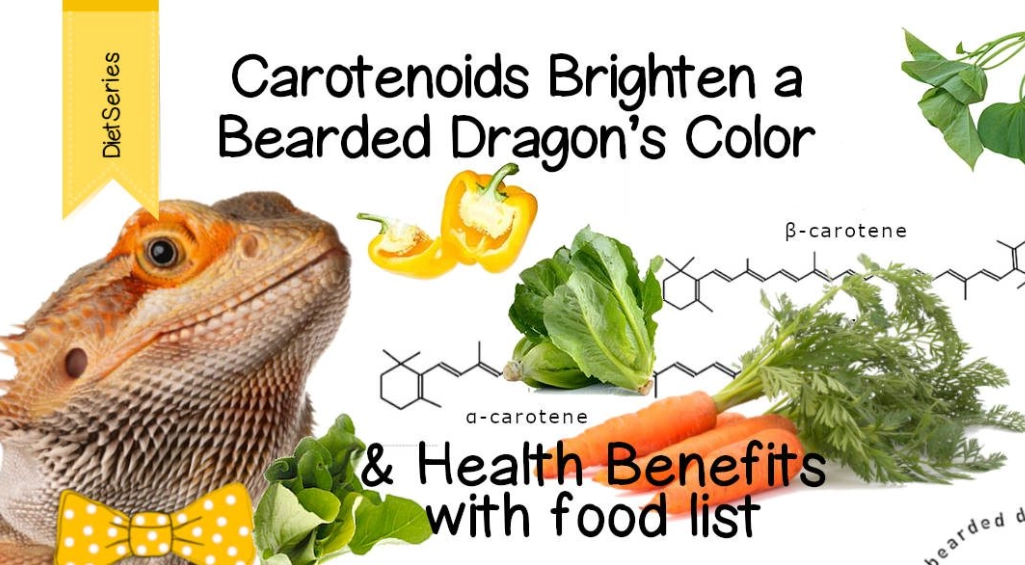
Fireflies contain steroidal pyrones called lucibufagins, which are potent cardiotoxins. As little as half of a single firefly can kill an adult bearded dragon within minutes to hours. There is no antidote. The stories are heartbreaking and almost always end in loss.
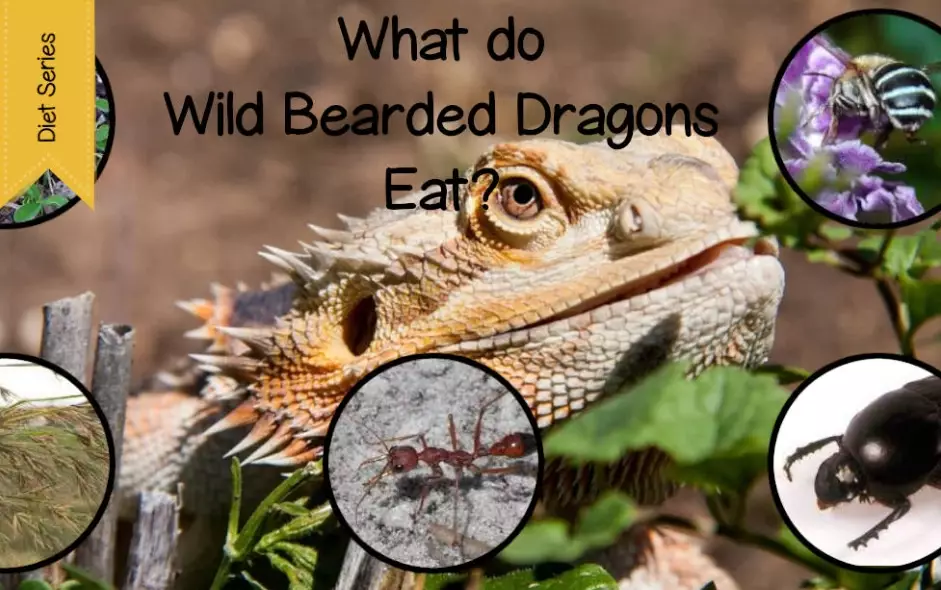
The broader lesson here is never feed wild-caught insects. They can be exposed to pesticides, herbicides, or parasites, and as with fireflies, they might themselves be toxic. Always source your feeder insects (crickets, dubia roaches, black soldier fly larvae) from reputable breeders who raise them as feed.
5. Raw Meat & Dairy: The Digestive Disasters
Some owners, thinking they're providing a "protein boost," might offer a bit of raw hamburger or a lick of yogurt. This is a terrible idea for two fundamental reasons.
First, bearded dragons are not mammals. Their digestive systems are not designed to process mammalian proteins or lactose. Feeding raw meat can introduce dangerous bacteria like Salmonella (which they can also carry, but adding more strains is risky) and E. coli, leading to severe gastrointestinal infections and sepsis.
Second, and this is the subtle point many miss, the high phosphorus content in meat completely throws off the crucial calcium-to-phosphorus ratio. Beardies need a diet where calcium (Ca) is higher than phosphorus (P), ideally around 2:1. Raw meat is very high in phosphorus and low in calcium. This imbalance, like oxalates, directly contributes to Metabolic Bone Disease by blocking calcium absorption.
Their protein should come from appropriately sized, gut-loaded insects, not from your dinner plate.
Building a Truly Safe Diet: It's More Than a List
Avoiding toxic foods is only half the battle. The other half is proactively building a diet that promotes health. Here’s the framework I follow:
The Calcium-Phosphorus Ratio is King: Before offering any new green, I quickly check its Ca:P ratio. Resources like the USDA food database or reputable reptile care sites have lists. Aim for foods where the first number (Ca) is much larger than the second (P).
Variety is Non-Negotiable: Don't just find one "safe" green and feed it every day. Rotate between 3-5 staple greens to provide a broader range of nutrients and prevent your dragon from getting fixated on one item.
Supplements are Essential, Not Optional: Even with perfect greens, dusting is crucial.
- Calcium powder (without D3): Dust insects for nearly every feeding for juveniles, 4-5 times a week for adults.
- Calcium powder (with D3): Use this 1-2 times a week if your UVB lighting is not optimal or as per your vet's advice.
- Multivitamin: A high-quality reptile multivitamin once a week.
UVB Lighting is Part of the Diet: Without proper UVB light (a linear tube, not a coil bulb), your dragon cannot synthesize vitamin D3, which means it cannot absorb the calcium you're so carefully providing. The best diet in the world fails without correct lighting. Replace your UVB bulb every 6-12 months, as the output degrades.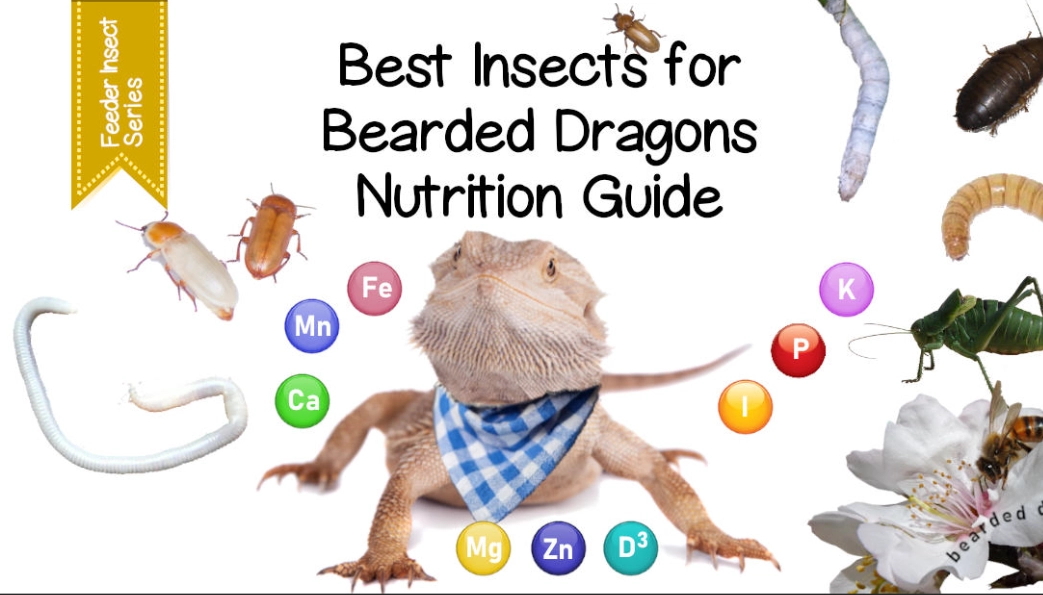
Your Top Safety Questions Answered
 "Are insects from the pet store always safe?"



Join the Conversation