Let's be honest. The first time I tried to give my dog, Max, a bath at home, it looked like a scene from a cartoon. Water everywhere, soap in his eyes, and a very disgruntled Golden Retriever giving me the side-eye. I thought grooming was just about making him look nice. I was wrong. It's about health, comfort, and building trust. If you're holding a brush and a bottle of shampoo, feeling a bit lost, you're in the right place. This isn't about becoming a professional overnight. It's about learning the fundamentals so you can keep your dog clean, comfortable, and healthy without the stress—for either of you.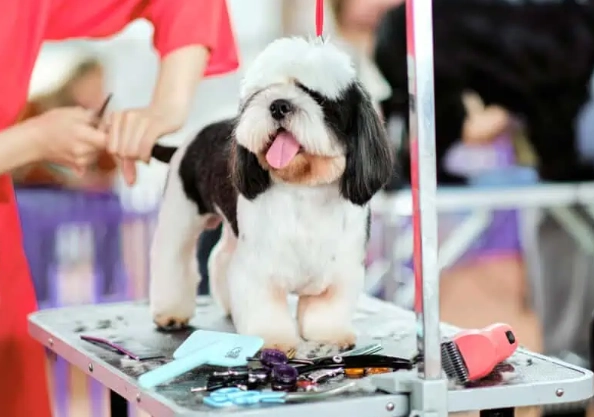
In this article, you'll discover:
Why Grooming is More Than Just a Pretty Coat
Think of grooming as a weekly health check you do with your hands. It's preventative medicine.
When you brush your dog, you're not just removing loose hair. You're distributing natural skin oils that keep their coat waterproof and shiny. You're checking for lumps, bumps, hot spots, ticks, or fleas hiding in the fur. Catching a small skin irritation early can save you a vet visit later. Brushing also prevents mats—those tight clumps of fur that pull on the skin, cause pain, and trap moisture leading to infections. The American Kennel Club (AKC) emphasizes that regular grooming is a cornerstone of canine wellness.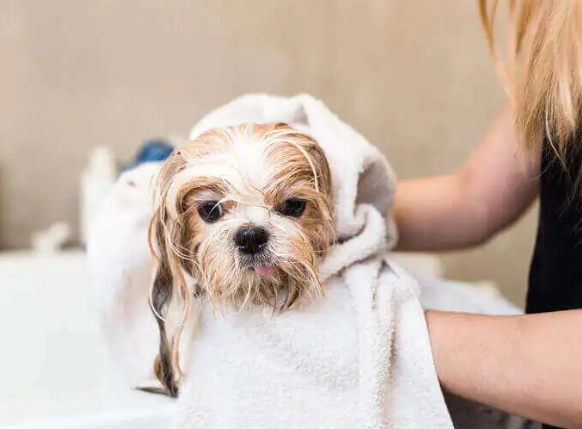
Nail trimming isn't about aesthetics. Long nails change how a dog walks, putting stress on their joints and toes. You'll hear a constant ‘click-click-click’ on your floor. More importantly, overgrown nails can curl and grow into the paw pad. Ouch.
And then there's the bond. Slow, gentle grooming sessions build massive amounts of trust. Your dog learns that your hands mean care, not just play or discipline.
Expert Insight: A subtle mistake I see all the time? Owners only brush the top layer of the coat. With double-coated breeds (Huskies, Shepherds, Retrievers), you need to part the fur and brush all the way down to the skin. Otherwise, you create a deceptively smooth top layer over a packed, matted undercoat—a recipe for skin problems.
Building Your Beginner's Grooming Kit: Keep It Simple
You don't need a salon's worth of gear. Start with these essentials. Quality over quantity matters here—a good brush will last years.
>Cleanses without stripping natural oils. Conditioner helps with detangling.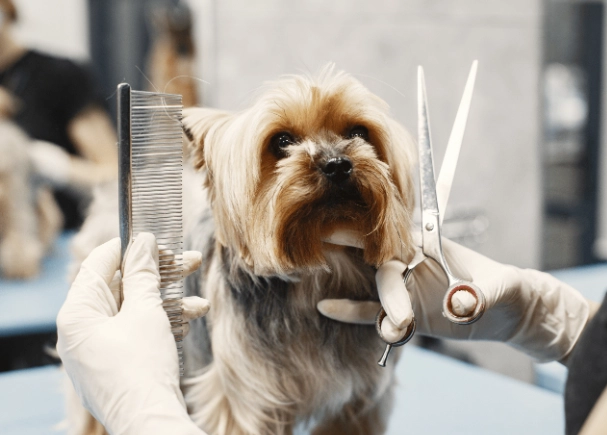
| Tool | What It Does | Best For / Notes | Budget-Friendly Pick |
|---|---|---|---|
| Slicker Brush | Removes loose hair, tangles, and small mats. Has fine, bent wires. | Almost all coat types. Be gentle to avoid scratching skin. | Any well-reviewed brand with rounded wire tips. |
| Undercoat Rake | Reaches deep into the undercoat to pull out dead fur during shedding season. | Double-coated breeds (Huskies, Malamutes, Collies). | A basic single- or double-row rake. |
| Comb (Metal) | Your "finisher." Checks for leftover tangles, especially around ears, tail, and legs. | All dogs, especially long-haired ones. Look for wide- and fine-tooth sides. | A sturdy stainless steel comb. |
| Nail Clippers or Grinder | Keeps nails at a safe, comfortable length. | Clippers: Quick and easy. Grinder: Files nail down; less risk of cutting the quick but can be noisy. | Guillotine or scissor-style clippers. A low-speed grinder. |
| Dog Shampoo & Conditioner | Must be dog-specific. Human shampoo is too harsh. Oatmeal-based is a safe, gentle start. | A 16oz bottle of oatmeal shampoo. | |
| Other Basics | Cotton balls, towels, treats. | Cotton balls for ears during bath. Old towels you don't mind getting hairy. High-value treats! | From around the house. |
Skip the fancy electric shears and specialized dematting tools for now. Master these basics first.
Your First At-Home Grooming Session: A Calm, Step-by-Step Guide
Don't try to do everything in one go for the first time. Break it into two sessions: Brushing one day, bathing and nails another.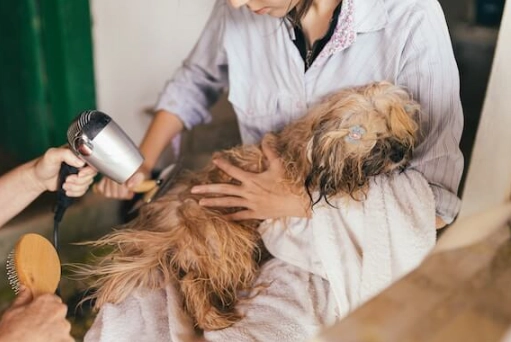
Step 1: The Pre-Bath Brush-Out
Never bathe a matted dog. Water will tighten mats like a sweater in the wash. Start with your dog dry.
- Put your dog on a non-slip surface (a yoga mat on the floor works).
- Start brushing from the rear legs and tail, moving forward. This is less sensitive than starting at the head.
- Use short, gentle strokes with the slicker brush. Hold the base of a mat with your fingers and gently work it out with the brush or comb from the tips inward.
- Go slowly. Talk calmly. Give a treat every minute or so for calm behavior.
- Once you think you're done, run the metal comb through the entire coat. If it glides through smoothly, you're ready for the bath.
Step 2: How to Give a Dog a Bath Without the Drama
Place a non-slip mat in the tub or sink. Have towels, shampoo, and a pitcher or handheld sprayer ready.
Pro-Tip: Put a couple of large cotton balls gently in your dog's ears before the bath. This prevents water from sloshing in and causing an ear infection. Just don't forget to take them out afterward!
- Use lukewarm water—test it on your inner wrist. A strong spray can scare them; let the water hit your hand first to soften the pressure.
- Wet the coat thoroughly, down to the skin. Start from the neck down.
- Dilute the shampoo in a bottle with some water. It spreads easier and rinses out faster. Lather up, avoiding the eyes and inside the ears. Massage it in like you're giving a good scratch.
- Rinse, rinse, rinse. This is crucial. Leftover shampoo causes itchiness. Rinse until the water runs completely clear, which takes longer than you think.
- For the face, use a wet washcloth instead of pouring water over their head.
- Squeeze excess water from the coat. Wrap them in a towel and blot dry. Don't rub vigorously.
Step 3: Navigating the Dreaded Nail Trim
This is where most people freeze. The key is to avoid the "quick"—the pink, blood-filled part inside the nail.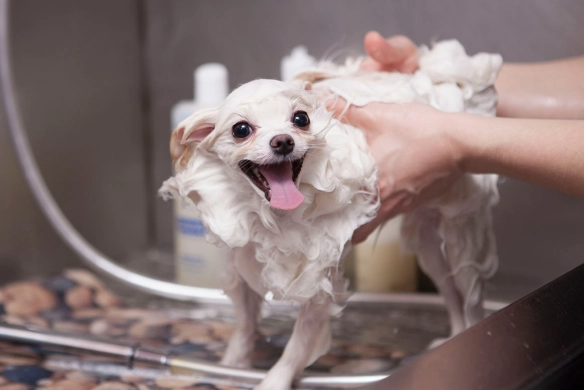
Stop the Bleed: If you do nick the quick, don't panic. Have styptic powder or a styptic pencil on hand. Dab it on the tip. Cornstarch or flour can work in a pinch. Apply gentle pressure. It will stop.
For light-colored nails, the quick is visible. Cut about 2-3mm in front of it. For dark nails, make several tiny cuts, looking at the cross-section after each snip. You'll see a whitish, chalky center. Stop just before you see a dark, grayish-pink dot in the middle—that's the start of the quick.
If the anxiety is too much for you or your dog, just file the very tips with a grinder or emery board. Any shortening is progress. Or, make a deal with yourself: you handle the brushing and bathing, and let a groomer or vet do the nails every 6-8 weeks.
5 Common Grooming Mistakes Beginners Make (And How to Fix Them)
- Brushing a wet coat. Wet hair is elastic and prone to breakage. Always brush thoroughly when the coat is completely dry, both before and after a bath (wait until they are 90% dry to finish brushing).
- Using human shampoo. The pH is wrong for dogs and can strip their skin of essential oils, leading to dryness and irritation. Always use a dog-specific formula.
- Shaving a double-coated breed. Please don't. The undercoat provides insulation and protection. Shaving it off can disrupt this natural balance.
- Cutting the quick. This is the most important part of the grooming process.
- Ignoring the ears and eyes. Regular cleaning is crucial to prevent infections.
- Not checking the pads. Make sure to check the pads regularly.
- Not drying properly. Make sure to dry thoroughly.
- Not brushing regularly. Make sure to brush regularly.
- Not using a conditioner. Make sure to use a conditioner.
- Not using a conditioner. Make sure to use a conditioner.
- Not using a conditioner. Make sure to use a conditioner.
When You're Ready to Go a Bit Further
Once you're comfortable with brushing, bathing, and nails, you might want to tackle a few more things.
Ear Cleaning: Once a month, or if you see waxy buildup. Use a vet-recommended ear cleaner on a cotton ball or gauze pad. Wipe only the parts of the inner ear you can see. Never stick a cotton swab down the ear canal.
Teeth Brushing: The gold standard for dental health. Use a dog toothbrush and enzymatic toothpaste (never human toothpaste). Start by just letting them lick the paste off your finger, then gradually introduce the brush.
Sanitary Trim: For long-haired dogs, keeping the hair around the genitals and anus short prevents mess and keeps the area clean. Use blunt-tipped scissors and extreme caution.
Remember, you don't have to do it all. Even professional groomers often specialize. The goal is a healthy, happy dog, not perfection.
Your Top Dog Grooming Questions, Answered
The journey from that chaotic first bath with Max to our now-calming weekly brush sessions took patience. There were setbacks. But seeing him relax into the routine, knowing I'm taking direct care of his wellbeing, is incredibly rewarding. Start small, be kind to yourself and your pup, and celebrate the small victories. You've got this.
Join the Conversation