Let's be honest. The idea of professional dog grooming can make your wallet flinch. A basic bath and brush for my Labrador used to run me $75, and that was before the "de-shedding treatment" upsell. I figured there had to be a better way. After a decade of trial, error, and a few hilariously bad haircuts, I've learned that with the right knowledge, you can achieve salon-quality results at home. It's not about fancy tricks; it's about understanding your dog's needs and having a solid, calm routine. This guide will walk you through exactly that.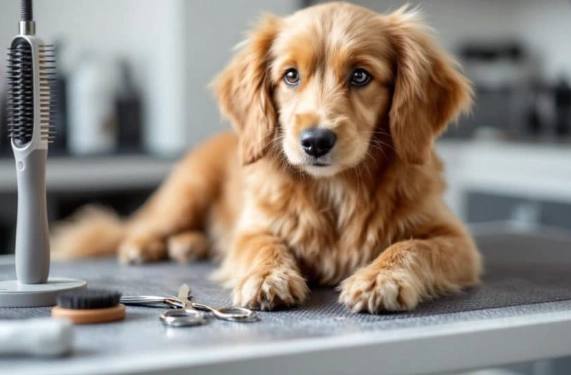
Your Grooming Roadmap
What are the Essential Dog Grooming Tools?
Walk into a pet store, and the wall of brushes alone is overwhelming. You don't need everything. You need the right things for your dog's coat. Buying a slicker brush for a Boxer is like using a chainsaw to trim a bonsai tree.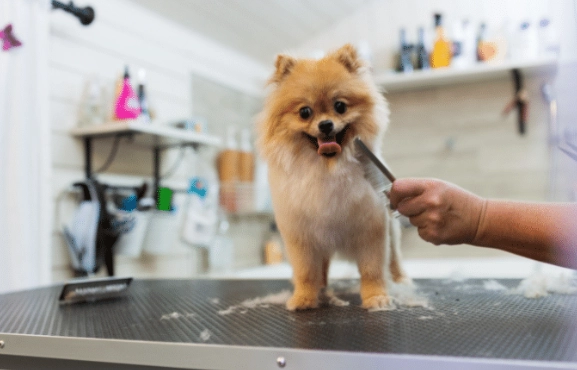
Here’s the breakdown I wish I had when I started:
| Tool | Best For | Pro Tip / Common Mistake |
|---|---|---|
| Slicker Brush | Removing mats & tangles in medium/long hair (Poodles, Yorkies). Also great for undercoat on double-coated breeds. | Look for pins with rounded ends. Brush in short strokes, don't drag it across the skin. A common mistake is using it too aggressively, which can cause "brush burn." |
| Undercoat Rake | The tool for heavy shedders (Huskies, Golden Retrievers, German Shepherds). | This is not a surface brush. It reaches deep to pull out the dead undercoat. Use gently in the direction of hair growth before bathing. |
| Bristle Brush or Grooming Mitt | Short-haired dogs (Boxers, Beagles) and finishing touches on all coats. | Distributes natural oils for a healthy shine. Perfect for a quick daily brush that feels more like a massage to your dog. |
| Comb (Steel, Wide & Fine-toothed) | Checking for mats after brushing, working on face/feet fur, detangling. | If the comb doesn't glide through the coat easily after brushing, you missed a spot. This is your final quality check. |
| Nail Clippers (Guillotine or Scissor) & Grinder | All dogs. Clippers for the cut, grinder for smoothing sharp edges. | Have styptic powder on hand before you start. If you hit the quick, it stops the bleeding instantly. A grinder is less likely to quick the nail but can frighten noise-sensitive dogs. |
| Dog-Specific Shampoo & Conditioner | All dogs. pH-balanced for canine skin. | Human shampoo is a major no-go. It's too harsh. For a de-shedding bath, use a shampoo formulated to loosen undercoat, followed by conditioner to moisturize. |
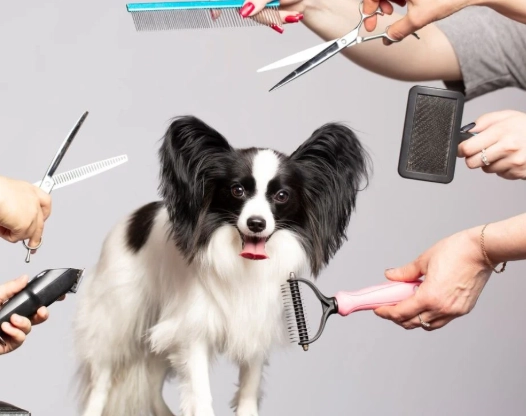
How to Groom Your Dog at Home: A Step-by-Step Guide
Rushing leads to mistakes (and nicked skin). Set aside 60-90 minutes of calm time. Have all your tools, towels, and treats within reach.
Step 1: The Pre-Bath Brush-Out
This is the most skipped yet critical step. Bathing a matted dog is like washing a tangled wool sweater—it makes the mats tighter and worse. Thoroughly brush and comb your dog until no snags remain. Pay special attention to behind the ears, under the legs, and the tail base.
Step 2: Bath Time Logistics
Use lukewarm water. A handheld sprayer is ideal. Wet the dog thoroughly, then apply shampoo from the neck down, working into a lather. Avoid the eyes and ears. I massage the lather in for a good 3-5 minutes—this is therapeutic for their skin and ensures the shampoo works. Rinse until the water runs completely clear. Any leftover shampoo causes itchiness. Apply conditioner if needed, rinse again thoroughly.
Step 3: Drying & The Final Brush
Towel dry as much as possible. If using a dryer, start on a low, cool setting to get them used to the noise, then use warm air. Constantly move the dryer and use your hand to fluff the coat, ensuring you're not overheating one spot. For double coats, dry against the grain to fluff it up. Once 90% dry, do a final brush with a slicker or bristle brush as the coat dries completely. This is when you'll get that "just from the groomer" floof.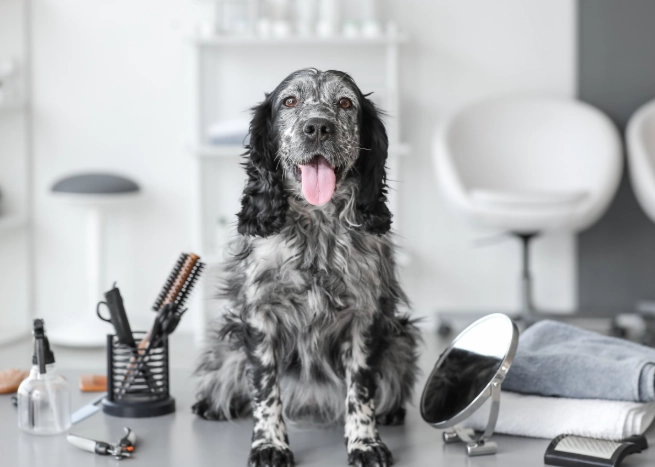
Step 4: The Finishing Touches
Nails: Use sharp clippers. Trim small amounts at a 45-degree angle. For black nails, look for the chalky white part; the dark center is the quick. When in doubt, trim less, more frequently.
Ears: Moisten a cotton pad with a vet-approved ear cleaner. Wipe only the parts of the inner ear you can see. Never use Q-tips deep in the canal.
Paw Pads: Use blunt-tipped scissors to trim the hair growing between the pads. This improves traction and prevents ice balls in winter.
Coat-Type Specifics: From Poodles to Huskies
Grooming isn't one-size-fits-all. Here’s what owners of common coat types often miss:
Double-Coated Breeds (Husky, Retriever, Shepherd): The cardinal sin is shaving them. That double coat insulates from heat and cold. Shaving ruins the coat's regulatory ability and can cause permanent damage. Your job is relentless undercoat management with an undercoat rake and slicker brush, especially during seasonal "blows."
Long/Flowing Coats (Yorkshire Terrier, Maltese): The enemy is mats. Daily combing is non-negotiable. Many owners just brush the top, leaving hidden mats close to the skin that become painful. Use a leave-in conditioner spray while brushing to prevent breakage.
Curly/Wiry Coats (Poodle, Bichon, Terriers): These coats don't shed much but grow continuously and mat easily. They require professional clipping every 4-8 weeks. At home, your focus is on daily combing to the skin and keeping the face, feet, and sanitary areas tidy between grooms.
Short/Smooth Coats (Boxer, Dane, Beagle): Easy, right? Not quite. They shed fine hairs that embed in furniture. A rubber grooming mitt or a bristle brush used weekly, followed by a wipe-down with a damp cloth, captures that hair and spreads skin oils for a gorgeous shine.
Troubleshooting Common Grooming Issues
"My dog hates being groomed." Start young, but it's never too late. Associate every tool with high-value treats. Touch the paw, treat. Turn on the clippers (don't cut), treat. Keep sessions under 5 minutes. Patience is your primary tool.
"The shedding is out of control." You're likely not removing the undercoat effectively. An undercoat rake during the pre-bath brush, followed by a de-shedding shampoo and a high-velocity dryer, will reduce shed hair in your home by 80%. Diet also plays a role—quality food supports healthy skin and coat.
"I'm terrified of cutting the quick." This fear is valid. If you can't see it, just trim the sharp hook off the tip every 1-2 weeks. This slowly recedes the quick. A grinder lets you sand the nail down gradually, reducing risk. And remember that styptic powder.
Your Top Grooming Questions, Answered
The journey to confident home grooming is about progress, not perfection. Your first attempt might not be Instagram-worthy, but the bond you build and the health benefits for your dog are worth far more. Start slow, be patient with yourself and your pup, and celebrate the small wins. That calm, well-groomed dog enjoying your touch is the ultimate reward.

Join the Conversation