Bringing home a parrot is thrilling. That first chirp, the curious tilt of the head – it's magical. But then reality hits. You're staring at an empty cage, a bag of seed mix, and a million questions. I've been there. I've also made the mistakes so you don't have to. This guide isn't just a list of facts; it's the roadmap I wish I had, packed with the nitty-gritty details and hard-won lessons from over a decade of living with these intelligent, demanding, and utterly rewarding companions.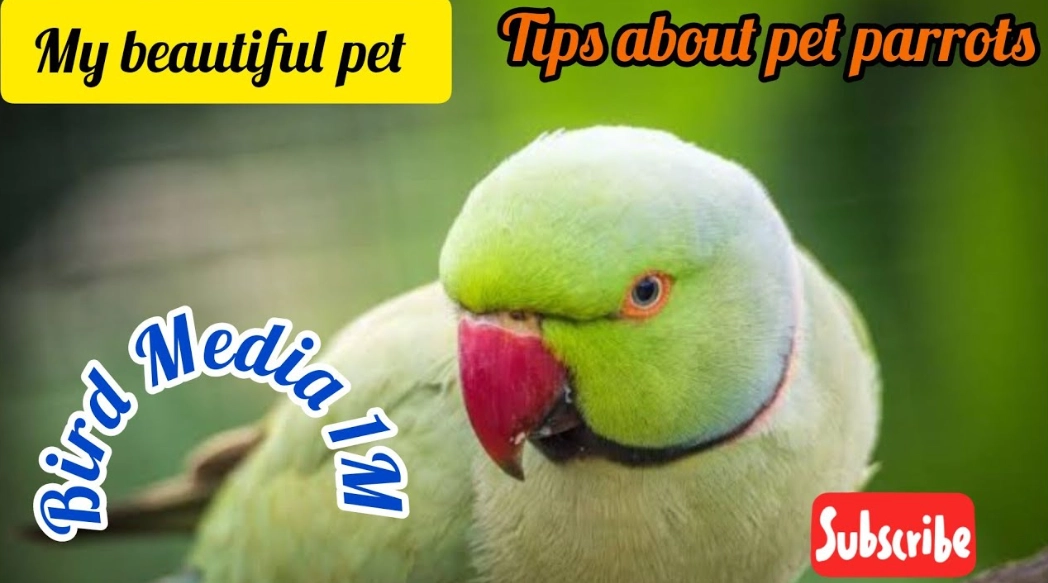
Your Quick Start Guide
Choosing the Right Home: Cage Size & Setup
Let's start with the biggest mistake I see: the cage is too small. A cage isn't just a bed; it's your parrot's living room, dining room, and playground. The minimum rule is simple: your bird should be able to fully stretch its wings and flap without hitting the sides. For a cockatiel or lovebird, that means at least 24"W x 24"D x 30"H. For an African Grey or Amazon? Think 36"W x 24"D x 48"H as a starting point.
Bar spacing is critical. Too wide, and your bird can get its head stuck. For small birds (budgies, cockatiels), aim for 1/2" to 5/8". Medium birds (conures, small Amazons) need 3/4" to 1". Big beaks (Macaws, Greys) can handle 1" to 1.5".
Inside that cage, think layers. You need at least three different types of perches of varying diameters to prevent foot sores. Include a natural wood branch (manzanita or dragonwood are great), a rope perch for comfort, and a concrete perch near the food area to help with nail filing.
Placement matters. Put the cage against a wall in a socially active part of your home (like the living room), but not in direct sunlight or in a drafty hallway. Your parrot needs to be part of the flock – that's you.
Parrot Diet Basics: Beyond Seeds
If you feed your parrot only seeds, you're essentially giving it a lifetime diet of french fries and cake. Seeds are high in fat and lack crucial vitamins. The foundation of a healthy parrot diet is a high-quality, pelleted food. Brands like Harrison's, Roudybush, and TOP's are formulated by avian nutritionists. This should make up about 60-70% of their daily intake.
The remaining 30-40% is fresh veggies and some fruit. This is where you can get creative.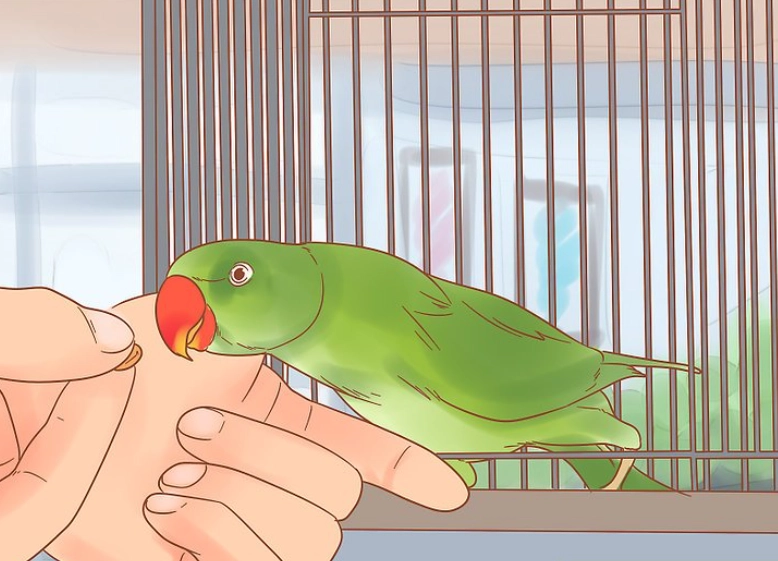
| Daily Staples (Go-To Veggies) | Occasional Treats (Fruits & Others) | Never Feed (Toxic Foods) |
|---|---|---|
| Chopped kale, spinach, chard | Blueberries, apple (no seeds), mango | Avocado, chocolate, caffeine |
| Grated carrots, sweet potato (cooked) | Papaya, melon, a slice of orange | Onion, garlic, alcohol |
| Broccoli florets, cauliflower | Whole grain pasta, quinoa, brown rice | Salty snacks, sugary foods |
| Bell peppers (all colors), zucchini | Unsalted nuts (almond, walnut piece) | Pits from stone fruits (cherry, peach) |
Presentation is key. I chop everything into a big bowl in the morning. Sometimes I skewer veggies on a kabob or hide them in a foraging toy. A bored parrot is a picky parrot. Make them work for it.
Enrichment & Mental Health
A parrot with nothing to do is a parrot that will scream, pluck its feathers, or become aggressive. Avian enrichment isn't optional; it's a daily requirement. Their brains are wired for problem-solving.
Toys fall into four main categories, and you need all of them:
- Destructible Toys: Made of soft wood, cardboard, palm leaf, or paper. The point is for your bird to destroy it. This is natural foraging behavior. Brands like Planet Pleasures or Crazy Corn make great ones.
- Foraging Toys: These hide treats. Start simple (a cardboard box with a treat inside) and work up to complex puzzles (like the Forager Cup or puzzle boxes).
- Preening & Textural Toys: Leather strips, rope knots, crinkly paper. These satisfy the need to preen and manipulate.
- Noise & Movement Toys: Bells, rattles, swings. Provide auditory and physical stimulation.
Rotate 2-3 toys in the cage weekly to keep things fresh. The rest of the time, your parrot needs out-of-cage time. Aim for a minimum of 3-4 hours of supervised playtime on a sturdy play stand. This stand should have its own toys, perches, and a water bowl.
Understanding Behavior & Training
Parrots don't act out to be mean. Every behavior is communication. Screaming often means boredom, fear, or a call for attention. Biting can be fear, territoriality, or overstimulation.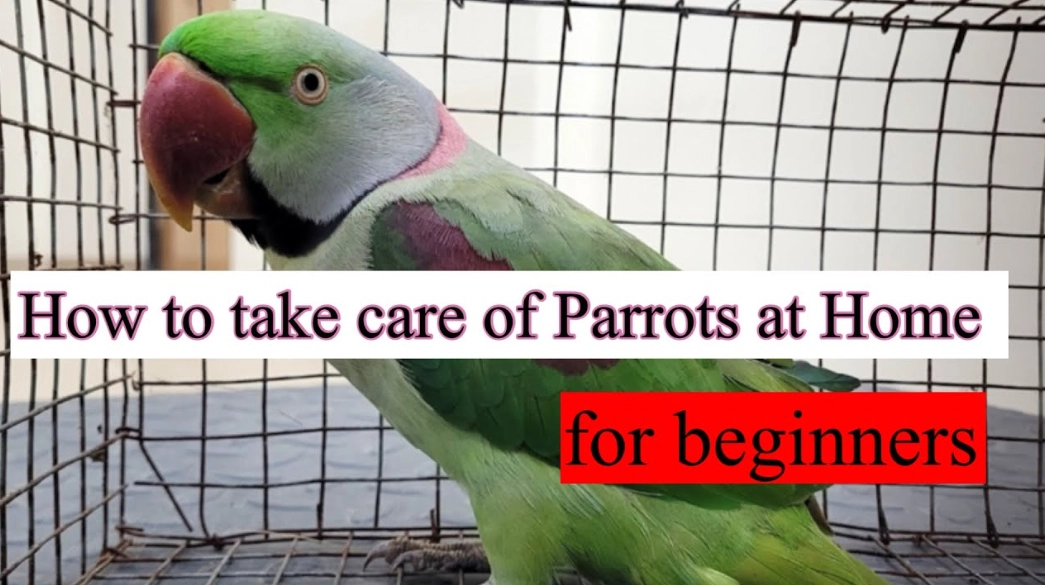
The single most effective training method is positive reinforcement. You reward the behaviors you want. Your bird steps up onto your hand? Immediately give a tiny piece of a favorite treat (a pine nut, a bit of millet). Ignore the bad behaviors when safe to do so.
How to Stop Screaming for Attention
This is the biggest user pain point. When your parrot screams, do not run over, yell, or cover the cage (that's a punishment that often backfires). Instead, wait for a moment of quiet – even two seconds. The *instant* it's quiet, walk over calmly and reward with attention or a treat. You're teaching it that quiet brings good things, screaming brings nothing.
Start training with simple commands: "step up," "step down," "turn around." Keep sessions short (5-10 minutes) and end on a positive note. Trust is built in these small, consistent interactions.
Health & Wellness Checkpoints
Parrots are masters at hiding illness. By the time they look sick, they're often very sick. You need to be a detective.
Find an Avian Veterinarian (not just a regular vet) *before* you have an emergency. The Association of Avian Veterinarians (AAV) has a find-a-vet tool on their website. Schedule a well-bird checkup annually.
Do a daily visual check:
- Eyes: Bright, clear, no discharge.
- Nares (nostrils): Clean, dry, no crusting.
- Beak: Smooth, symmetrical, no flaking.
- Feathers: Smooth, not fluffed up constantly, no bald patches.
- Vent: Clean, no stuck feces.
- Droppings: Know what's normal. A healthy dropping has three parts: a dark solid fecal portion, a white urate, and clear liquid urine. Sudden changes in color, consistency, or frequency are red flags.
Bathing is important for skin and feather health. Offer a shallow dish of water, mist with a spray bottle, or offer a shower perch. Most parrots love it once they get used to it.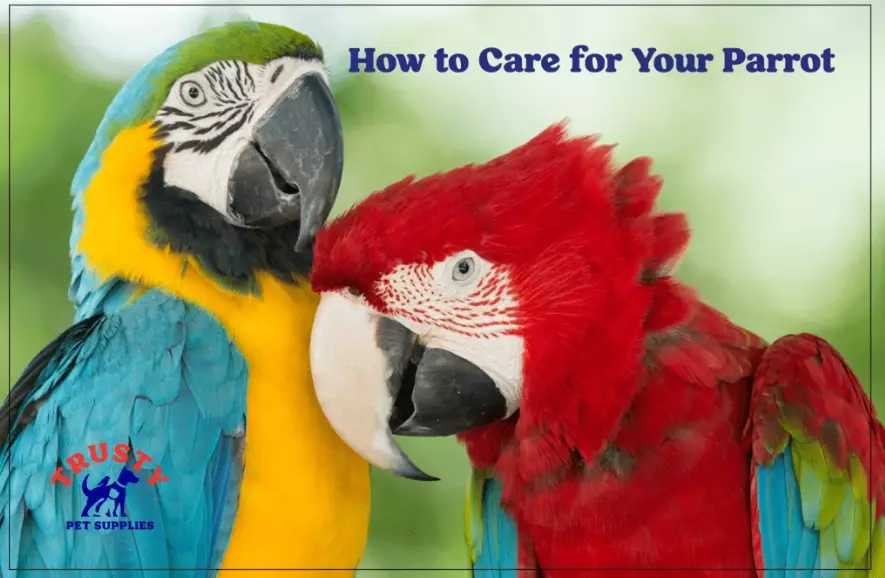
Your Top Questions Answered
 Are there any household dangers I might not know about?
Getting a parrot right is a journey, not a destination. There will be mess, noise, and the occasional nip. But there will also be laughter, incredible intelligence, and a bond unlike any other. Start with this foundation – the right space, the right food, the right mindset – and you're not just keeping a bird alive. You're building a life with a feathered family member.


Join the Conversation