Getting parrot food right at home is the single biggest factor in your bird's health, mood, and lifespan. I've seen too many vibrant birds become lethargic, feather-pluck, or develop serious illness because of a poor diet. The internet is full of confusing, often contradictory advice. After years of keeping parrots and talking to avian vets, I want to cut through the noise. This isn't just a list of safe foods. It's a system for thinking about parrot nutrition that will help you make confident decisions every day.
Quick Navigation
- Why Getting This Right Matters More Than You Think
- What Parrots *Really* Eat in the Wild (It's Not Just Seeds)
- The Ultimate Safe Foods List: Building Your Parrot's Menu
- The Absolute No-Go List: Foods That Can Harm Your Parrot
- Putting It Together: How to Build a Weekly Parrot Diet Plan
- The 3 Most Common Feeding Mistakes (And How to Fix Them)
Why Getting This Right Matters More Than You Think
Think of a seed-only diet for a parrot like feeding a child nothing but french fries and cookies. It fills them up, they might love it, but it's a path to malnutrition. Seeds are high in fat and low in essential vitamins like A, D, and calcium. The result? Fatty liver disease, obesity, brittle bones, and a suppressed immune system. I made this mistake with my first cockatiel, Charlie. He was a seed junkie, and his feathers lost their shine. Switching him was a battle, but the change in his energy was undeniable.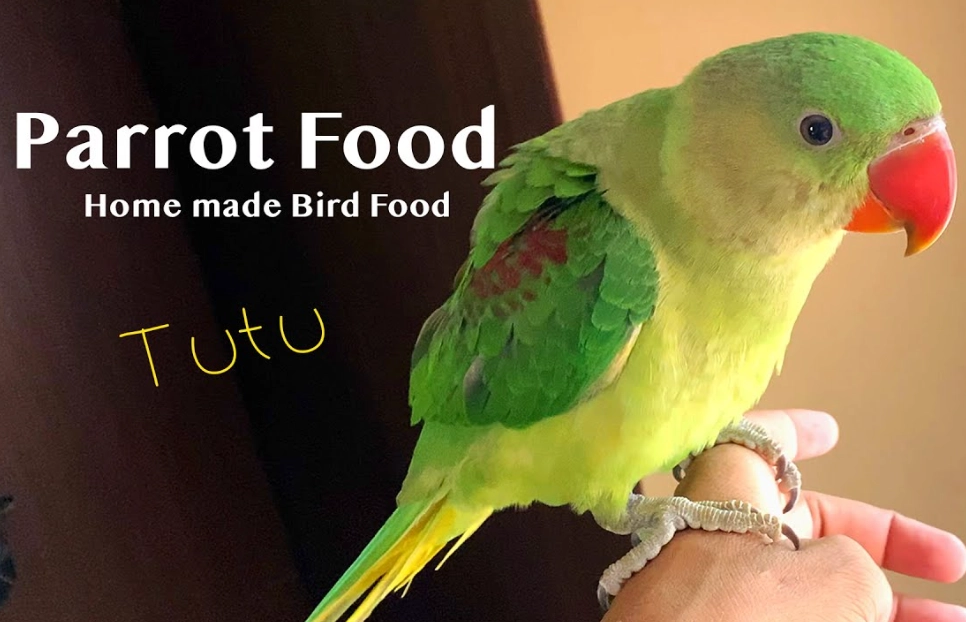
A proper diet does more than prevent disease. It directly impacts feather quality (bright colors, strong shafts), beak health, and even behavior. A bored, nutrient-deficient parrot is more likely to scream, pluck, or become aggressive. Food is enrichment. Foraging for veggies is a job. It keeps their mind sharp.
What Parrots *Really* Eat in the Wild (It's Not Just Seeds)
This is where most commercial "parrot mixes" get it wrong. In their natural habitats, parrots are opportunistic foragers. Their diet shifts with the seasons. Yes, they eat seeds and nuts, but these are often hard-to-crack, nutrient-dense varieties, not the fatty sunflower seeds we commonly offer. The bulk of their foraging time is spent on a huge variety of other foods.
They consume buds, flowers, leaves, and bark. They strip trees for insects and larvae (a crucial protein source). They travel miles for fruiting trees and berry bushes. They dig for roots and minerals from clay licks. This variety is the magic. It provides a complex range of vitamins, minerals, fiber, and protein that a bag of seeds can't hope to match.
Our job at home is to mimic this principle of variety, not the exact foods. We swap wild figs for chopped apple (seeds removed), insects for a bit of cooked egg, and clay licks for a mineral block.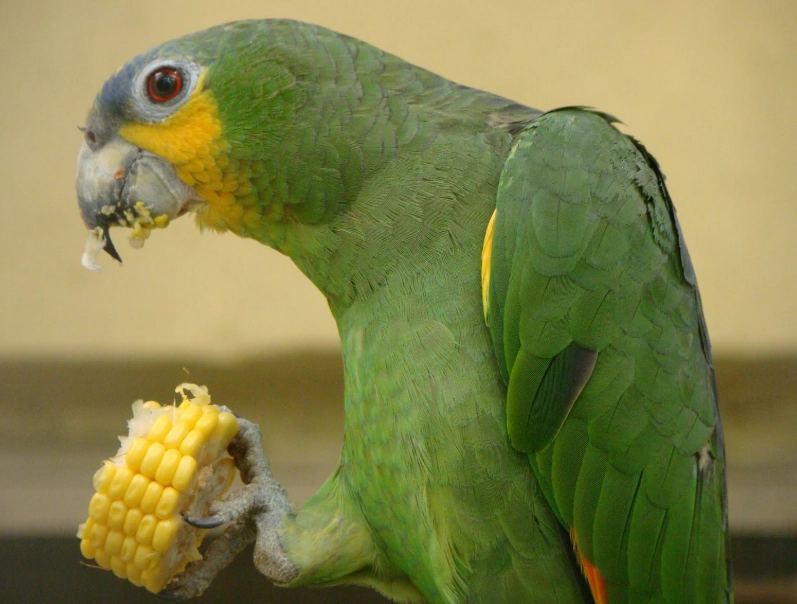
The Ultimate Safe Foods List: Building Your Parrot's Menu
Let's get practical. Here’s how to break down the components of a stellar home diet. Think of it as the 60-30-10 rule: 60% pellets, 30% fresh veggies, 10% treats (fruit, nuts, etc.).
The Foundation: High-Quality Pellets
Pellets are like a daily multivitamin. They're formulated to provide balanced nutrition, so even if your parrot is picky with veggies one day, the base is covered. Brands like Harrisons, Roudybush, and TOP's are often recommended by avian vets. The size matters—get the right size for your bird's beak. Don't buy a giant bag that will go stale; store them in the freezer.
The Daily Stars: Vegetables & Greens
This is where you get creative. Offer at least 3 different types daily. Wash them thoroughly, ideally organic to avoid pesticides.
| Category | Excellent Choices | How to Serve & Tips |
|---|---|---|
| Leafy Greens | Kale, Swiss chard, dandelion greens, mustard greens, beet tops, romaine lettuce. | Chop or offer whole leaves. Spinach is okay in moderation (oxalates). |
| Colorful Veggies | Red/orange bell peppers (seeds are fine!), carrots, sweet potato, pumpkin. | Serve raw (grated carrot) or cooked/mashed (sweet potato). Peppers are parrot candy. |
| Cruciferous | Broccoli, cauliflower, Brussels sprouts. | Lightly steamed can be more appealing. Offer florets and stems. |
| Others | Zucchini, cucumber, snap peas, corn on the cob (small amounts). | Great for hydration. Cooked corn is a fun, messy treat. |
The Occasional Treats: Fruits, Grains, & Proteins
These add interest but should be limited. Fruit is high in sugar. Think of it as dessert.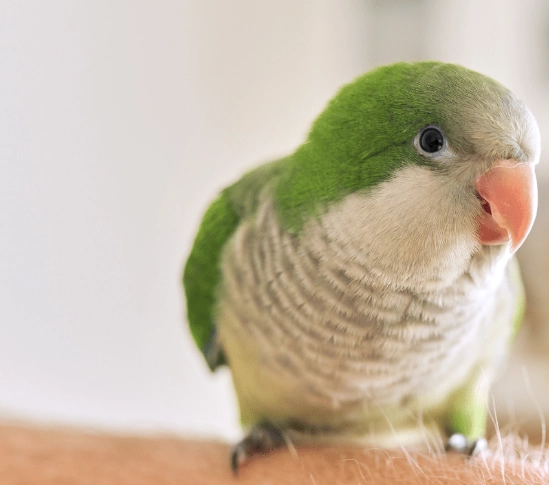
- Fruits: Berries (all types), apple (no seeds), melon, papaya, mango, banana.
- Grains/Legumes: Cooked brown rice, quinoa, lentils, whole-wheat pasta.
- Protein: A tiny amount of cooked, unseasoned chicken, fish, or scrambled egg.
The Absolute No-Go List: Foods That Can Harm Your Parrot
This list is non-negotiable. Even small amounts can be deadly.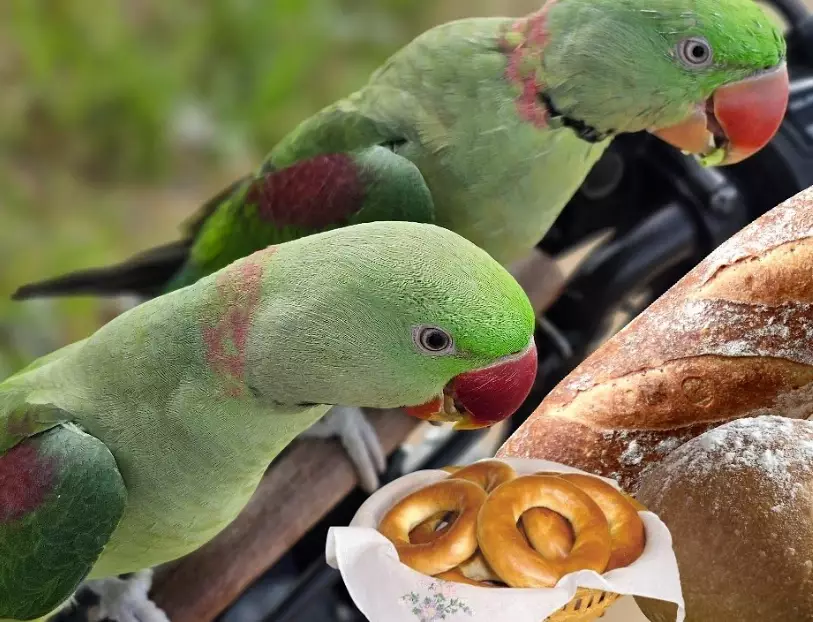
Also, avoid high-fat seeds like sunflower and safflower as a main diet. They're fine as rare training treats. And never feed your parrot from your mouth—human saliva contains bacteria harmful to birds.
Putting It Together: How to Build a Weekly Parrot Diet Plan
Let's make a sample plan for a medium-sized parrot like an African Grey or Amazon.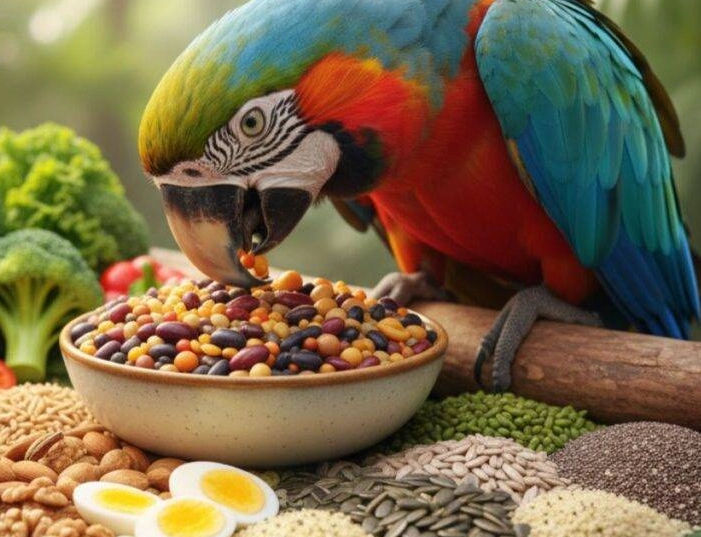
Morning: Offer a bowl of fresh pellets. Always available.
Lunch (Fresh Food): A chopped mix. Monday: chopped kale, bell pepper, and a few blueberries. Tuesday: grated carrot, broccoli florets, a bit of cooked quinoa. Rotate daily.
Evening: Remove any uneaten fresh food after a few hours to prevent spoilage. Top up pellets if needed.
Treats: Use a pine nut or a piece of walnut for training or foraging toys. A small slice of apple on a skewer.
This routine provides consistency and variety. Prep veggies for 2-3 days to save time.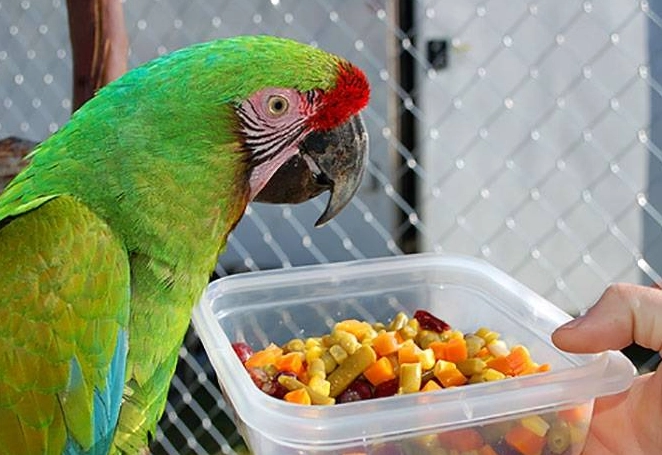
The 3 Most Common Feeding Mistakes (And How to Fix Them)
I've seen these over and over.
1. The Sudden Switch: Dumping a bowl of pellets in front of a seed-loving parrot and expecting them to eat it. They'll starve themselves. Fix: Mix pellets gradually into their old diet over weeks, slowly increasing the ratio.
2. Giving Up Too Soon on Veggies: Your parrot throws the broccoli on the cage floor once, and you think they hate it. Fix: It can take 20+ exposures. Offer it in different forms—chopped, whole, clipped to the cage, hidden in a toy.
3. Overfeeding Fruit: It's sweet, they love it, so you give more. This leads to a sugar-addicted bird who rejects healthier options. Fix: Limit fruit to a few small pieces, 2-3 times a week.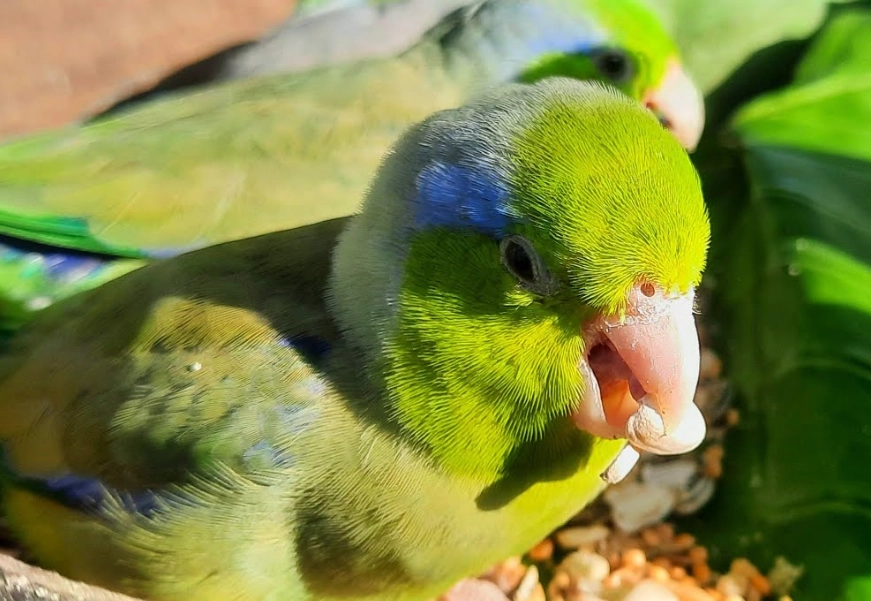
Your Parrot Food Questions Answered
Feeding your parrot well is an act of love. It takes a bit more effort than pouring seeds from a bag, but the reward—a healthy, lively, feathered companion who thrives for decades—is worth every chopped vegetable. Start small, be patient with yourself and your bird, and use this guide as your roadmap.
Join the Conversation