Let's cut to the chase. Are canaries easy to take care of? For most people, yes—but with a big asterisk. These little singers are often marketed as low-maintenance starter birds, and compared to a parrot or a cockatoo, they are. But "easy" doesn't mean "no work." I've kept canaries for over a decade, bred a few, and seen too many end up in rescues because owners underestimated their needs. The truth is, canary care is straightforward if you get the fundamentals right. Miss those, and you'll have a stressed, sick bird on your hands.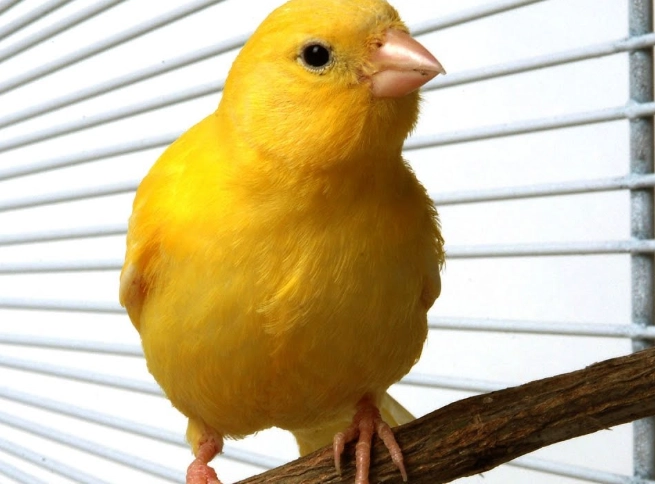
This guide isn't just a rehash of common tips. I'll share what most care sheets skip—the subtle mistakes, the cost breakdowns, and the reality of daily life with a canary. By the end, you'll know exactly what you're signing up for.
What You'll Find in This Guide
The Real Basics of Canary Care
Forget the fluffy advice. Here's what caring for a canary actually involves, broken down into non-negotiable areas.
Feeding Your Canary: It's Not Just Birdseed
Most beginners think canaries live on seeds alone. That's the fastest way to a malnourished bird. Seeds are like junk food—high in fat, low in vitamins. A proper diet is mix-based.
From my experience, a balanced daily menu looks something like this:
- High-quality pellet or seed mix: About 1-2 tablespoons per day. Look for brands recommended by avian vets, not just the cheapest bag at the pet store.
- Fresh greens and veggies: Think spinach, kale, grated carrot. A small piece daily. Avoid avocado—it's toxic.
- Occasional fruits: Apple slices, berries. Once or twice a week as a treat.
- Clean water: Changed daily, without fail. Use a water dish, not a bottle, as canaries prefer bathing in it too.
I learned the hard way when my first canary, Sunny, started losing feathers because I fed only seeds. A vet visit and diet switch fixed it, but it was a wake-up call.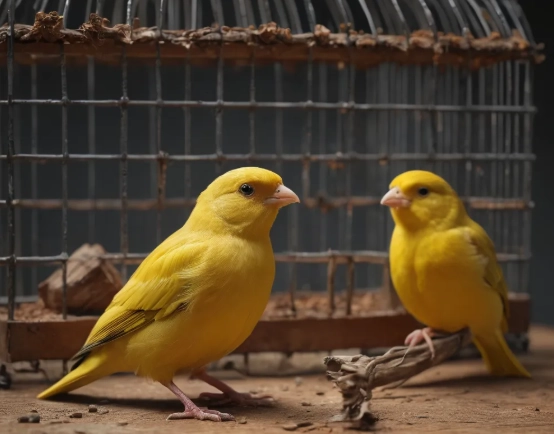
Housing and Cage Setup: Size Does Matter
That cute little cage at the store? Probably too small. Canaries need space to fly horizontally, not just hop around. The American Federation of Aviculture suggests a minimum cage size of 24 inches wide, 16 inches deep, and 18 inches high for a single canary. Go bigger if you can.
Inside the cage, placement is key. Avoid drafts, direct sunlight, and kitchens (fumes from non-stick pans can kill birds). Put it at eye level in a quiet but social area of your home.
Essential cage items include:
- Two perches of different diameters to prevent foot sores.
- A shallow dish for bathing—canaries love water.
- A cuttlebone for calcium and beak trimming.
- A few simple toys, like swings or bells, but don't overcrowd.
Clean the cage weekly. I do a full scrub every Sunday—it takes 20 minutes and prevents mold and bacteria buildup.
Hidden Challenges New Owners Face
Here's where most care guides fall short. Canaries have quirks that aren't obvious until you live with one.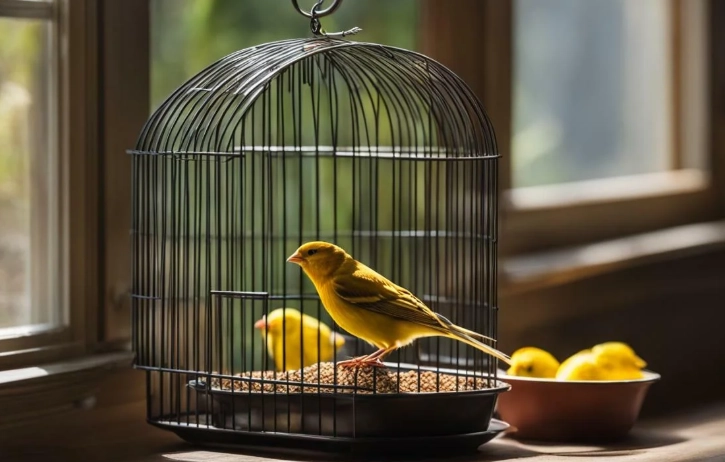
Health issues creep up quietly. Canaries are prey animals, so they hide illness until it's advanced. Watch for subtle signs: fluffed-up feathers for more than a day, sitting at the bottom of the cage, changes in droppings, or loss of song. Respiratory infections are common, often from poor ventilation or dusty environments.
A friend of mine lost a canary to mites because she didn't notice the constant scratching. Monthly checks under the wings and around the vent are a must.
They're sensitive to stress. Loud noises, sudden movements, or even a new pet in the house can cause feather plucking or stop them from singing. I've seen canaries get stressed from something as simple as a change in curtain color. Consistency is your friend.
The cost isn't just upfront. Let's talk money. Initial setup might run you $200-$300 for a decent cage, food, and the bird itself. But yearly costs add up:
| Expense | Estimated Annual Cost | Notes |
|---|---|---|
| Food and Supplements | $50-$100 | Quality pellets, fresh produce |
| Vet Check-ups | $100-$200 | Avian vet visits are pricier |
| Bedding and Toys | $30-$60 | Replacements and enrichment |
| Emergency Fund | Variable | For unexpected illnesses |
If you travel, boarding or a pet sitter adds more. Canaries can't be left alone for more than a day without fresh food and water.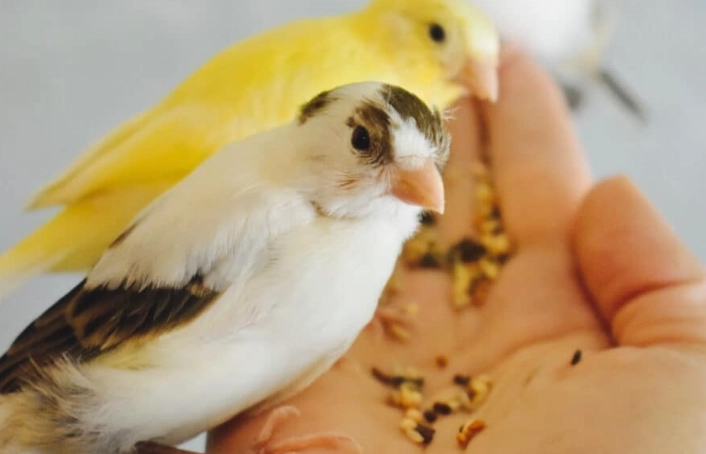
Pro tip from a breeder: Many new owners skip avian vet visits because "the bird seems fine." But an annual check-up can catch issues early. I budget $150 a year for this—it's saved two of my birds from liver disease caught in blood tests.
How to Make Canary Care Easier
Want to keep things simple? Follow these steps to streamline your routine.
Establish a daily rhythm. Canaries thrive on routine. Feed them at the same time each morning, offer fresh water, and talk to them calmly. Spend 10-15 minutes nearby so they get used to your presence. They might not be cuddly, but they enjoy company.
Invest in the right tools. A cage with a removable tray makes cleaning a breeze. Use newspaper or cage liner at the bottom—easy to replace. Keep a spray bottle for misting (they love it) and a dedicated set of cleaning supplies.
Monitor their environment. Canaries need stable temperatures between 65-75°F. Avoid placing cages near windows where drafts or temperature swings happen. In winter, a room humidifier can help if your air gets dry.
Join a community. Online forums or local bird clubs are goldmines for advice. When my canary stopped singing, a forum member suggested checking for night frights—turns out, a streetlight was shining into the cage. A cover fixed it overnight.
Here's a quick weekly checklist I use:
- Monday: Check food and water levels, quick cage wipe.
- Wednesday: Offer fresh veggies, rotate toys.
- Friday: Full cage clean, perch inspection.
- Weekend: Bath time, longer interaction sessions.
It sounds like a lot, but once it's habit, it takes maybe 30 minutes a week of active effort.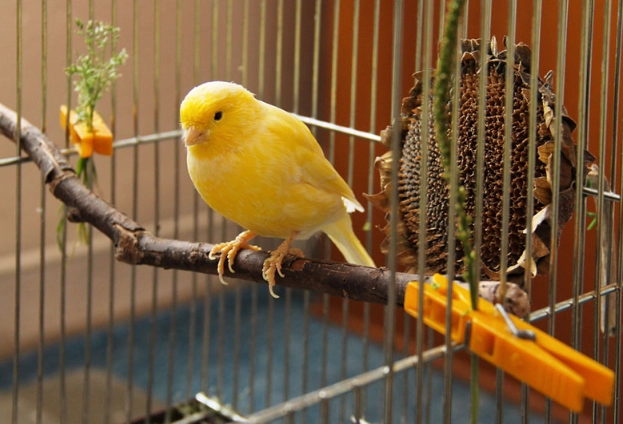
Your Canary Care Questions Answered
So, back to the original question: are canaries easy to take care of? If you're willing to commit to their basic needs—proper diet, clean housing, and a stable environment—they're one of the easier bird species to keep. But "easy" is relative. They're not goldfish; they're interactive pets that reward care with beautiful song and vibrant color.
Think of it like keeping a garden. A little daily effort prevents big problems down the line. If that sounds doable, a canary might be your perfect feathered friend. If not, consider a lower-maintenance pet like a fish or a hamster. Whatever you decide, now you've got the real story—not just the pet store pitch.



Join the Conversation