You typed "What is the easiest small pet to care for?" into Google. You're probably picturing something cute, fuzzy, and... simple. Maybe a hamster in a little plastic ball. I get it. The pet store makes it look so easy.
Here's the blunt truth from someone who's cared for just about every small critter you can name: "easiest" doesn't mean "no work." It means predictable, manageable work that fits into a real life. A life with a job, maybe kids, and limited space. The "easiest" pet is the one whose needs align perfectly with what you can consistently provide, without turning pet care into a second job filled with stress and surprise vet bills.
So, if I had to pick one overall winner for the average busy adult or responsible family? It's not always the one first advertised. Let's break it down.
What's Inside?
What "Easy Pet Care" Really Means (The Checklist)
Before naming names, let's define our terms. An "easy" small pet scores high on these points:
- Daily Time Commitment: Under 15 minutes for feeding, water, and a quick well-being check.
- Weekly/Monthly Chores: Cleaning that's straightforward and doesn't require a chemistry degree. Minimal odor is a huge plus.
- Diet Simplicity: A diet based on a prepared, nutritionally complete food, with fresh veggies as a treat, not a complicated daily salad bar.
- Hardy Health: Generally robust when kept in proper conditions. Not prone to frequent, mysterious illnesses.
- Predictable Behavior: Not excessively skittish, nocturnal if that works for you, or diurnal if you want daytime interaction. Minimal biting risk.
- Space & Budget Friendly: A suitable habitat that fits in an apartment and doesn't cost a fortune to set up or maintain.
See? It's not about zero responsibility. It's about clear, contained responsibility.
The Usual Suspects: A Realistic Breakdown
Everyone suggests these. Here’s the unvarnished take.
| Pet | The "Easy" Reputation | The Reality Check | Who It's Actually For |
|---|---|---|---|
| Syrian Hamster | The classic first pet. Solitary, eats simple food. | Strictly nocturnal. Sleeps all day, runs loudly all night. Often cranky if woken. Requires a much larger cage (450+ sq inches) than pet stores sell. Can be prone to wet tail (a serious illness). | Night owls who want a solo pet to observe in the evening, not cuddle during the day. |
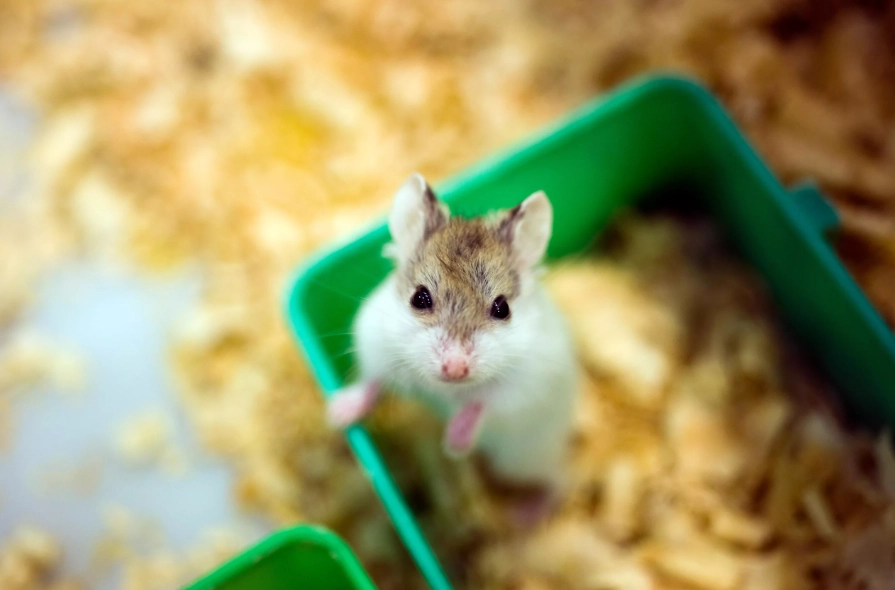
| Dwarf Hamster | Smaller, sometimes can live in pairs. | Incredibly fast and fragile. Hard to handle for kids. Pairings can turn bloody. Even more nocturnal. | Experienced small pet owners who enjoy watching, not handling. |
| Guinea Pig | Docile, vocal, great for kids. | Not low-maintenance. They need a friend (mandatory), a large enclosure (8+ sq ft), daily vitamin C, constant hay, and produce more waste than you'd believe. Weekly cleanings are a must. | Families ready for a larger commitment with time for daily social interaction and cleanup. |
| Mouse / Fancy Rat | Intelligent, social. | Mice: Smell quite strong. Need cleaning every few days. Rats: Arguably the best pet in intelligence and affection. But they are prone to respiratory tumors and have short lifespans (2-3 years), which is emotionally tough. | Rat: Someone seeking a truly interactive, dog-like companion and can handle vet bills/heartbreak. Mouse: An observer who doesn't mind frequent cage cleaning. |
Here's the subtle mistake everyone makes: They choose based on the animal's adult size, not its activity level and social needs. A tiny dwarf hamster needs more space and enrichment per gram of body weight than a guinea pig. A solitary Syrian hamster needs more floor space to run than a pair of social gerbils that entertain each other.
The Dark Horse Winner: Why Gerbils Get My Vote
If I were recommending a pet to my sister who works a 9-5 and lives in an apartment, I'd point her to gerbils. Here’s why they often win the "easiest" title upon closer inspection.
First, they are diurnal. They're up during the day, with naps. You actually get to see them when you're awake. This alone is a game-changer for interaction.
Second, they are desert animals. They produce very, very little urine. Their waste is dry. This means their habitat—if set up correctly—can go a week or more between full cleanings without a hint of odor. You just spot-clean. Compare that to a mouse cage that might need cleaning twice a week.
Setting Up for Gerbil Success (The Right Way)
The key is mimicking their natural behavior: digging. A tall glass aquarium tank (20-gallon long minimum for a pair) is perfect. Fill it 6-8 inches deep with a safe, dust-free bedding like aspen shavings. They will create elaborate tunnels. This natural behavior keeps them mentally stimulated, reducing stress and unwanted chewing.
They are social, so get a same-sex pair from the same litter. They'll play, sleep, and groom each other. You provide the environment; they provide each other with constant company. Their diet is a simple gerbil mix from the store, a little fresh veg, and constant access to fresh water.
Handling? Gentle and curious. They rarely bite. They might jump, so supervision is needed, but they're not frantic like a dwarf hamster.
The one downside: they are chewers. Everything in their tank must be safe to gnaw: wood hides, cardboard tubes, ceramic dishes. No plastic.
Other Low-Effort Options (Fish, Snails & More)
Maybe you want something even less interactive, or you're allergic to fur.
Betta Fish: Often mistreated, but with a proper 5-gallon tank, a heater, and a filter, their care becomes very routine: daily feeding, weekly partial water changes. It's more about system maintenance than animal interaction. It's calming. The initial setup is crucial—a bowl is not acceptable.
Aquatic Snails (like Mystery Snails): In a planted tank, they are the ultimate cleaners. They glide around, eat algae and leftover food. Almost zero direct care needed beyond ensuring water quality is good for them. Fascinating to watch, zero noise, no allergies.
Hermit Crabs: I'll be the negative voice here. They are not easy if done right. They need a tropical environment with strict heat and humidity control, deep substrate for molting, saltwater and freshwater pools, and a variety of shells. They are complex pets often sold as disposables. Avoid if you want truly low-effort.
Your Decision Guide: Matching Pet to Lifestyle
Stop thinking "which pet is easiest." Start thinking "which pet's needs fit my life?".
- "I want to watch, not really handle." → A small colony of harvester ants (an ant farm), a stable freshwater fish aquarium, or a pet snail.
- "I have young kids and want daytime interaction." → A pair of gerbils (with close adult supervision during handling) or a guinea pig pair (if you have the space and commit to the cleaning).
- "I'm a night owl and want a pet active when I am." → A Syrian hamster in a large, quiet-wheel-equipped enclosure.
- "I want an affectionate, interactive companion I can train." → A pair of fancy rats. Accept the shorter lifespan and potential health issues.
- "I travel sometimes and need a pet that can be alone for a weekend." → An adult leopard gecko (reptile, needs heat) can go 2-3 days with no food, or a stable aquarium with an automatic feeder. Never leave social mammals like guinea pigs alone that long.
The Tiny Mistakes That Cause Big Problems
I've seen it all. Here's how to avoid common pitfalls:
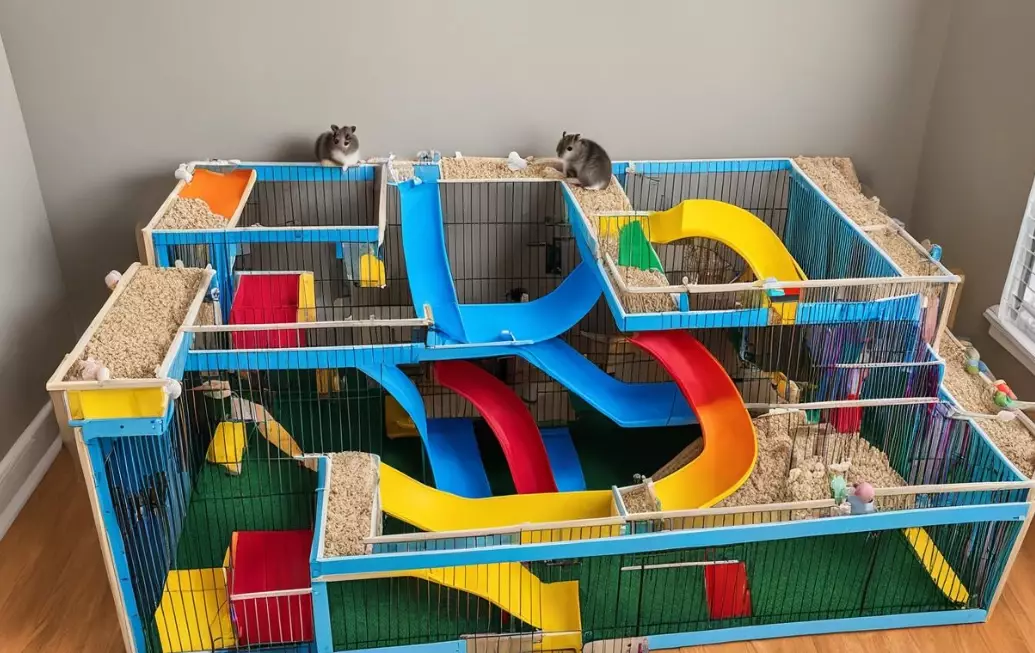
The Cage Trap: Pet store cages are almost always too small. That colorful hamster cage? It's a stress box. Do independent research on minimum sizes. For gerbils and hamsters, a 20-gallon long tank or a bin cage is the true starting point.
The Loneliness Error: Putting a social animal alone (like a guinea pig or a mouse) is cruel and leads to depression. Get a same-sex pair from the start. For solitary animals (Syrian hamsters), never house them together.
The Diet Oversimplification: Guinea pigs need vitamin C daily. Rabbits need unlimited hay, not just pellets. Rodents need a quality seed/pellet mix, not just fatty sunflower seeds. Wrong food = illness, fast.
Skimping on the Vet Fund: Even the easiest pet can get sick. An exotic vet visit for a simple infection can cost $100+. Have a small emergency fund. It's part of responsible ownership.
So, what is the easiest small pet to care for? There's no single answer, but for the blend of low odor, daytime activity, social stability (with a friend), and straightforward care, gerbils make a phenomenally strong case. But the real answer is the pet whose specific needs you understand, accept, and are excited to meet. That's what makes care feel "easy," even when it requires work.

Join the Conversation