What You'll Learn in This Guide
- Why Litter Training Matters and How Fast It Can Be
- Essential Supplies for Fast Litter Training
- Step-by-Step Guide to Litter Train Your Kitten Fast
- Common Mistakes That Slow Down Training (and How to Avoid Them)
- Troubleshooting: When Your Kitten Resists the Litter Box
- Expert Tips from a Veterinarian
- FAQ Section
Litter training a kitten fast isn't just about luck—it's about strategy. I've trained over a dozen kittens in my years as a cat foster, and the fastest successes came from a simple, consistent approach. Forget the vague advice online; let's dive into a method that works within days, not weeks.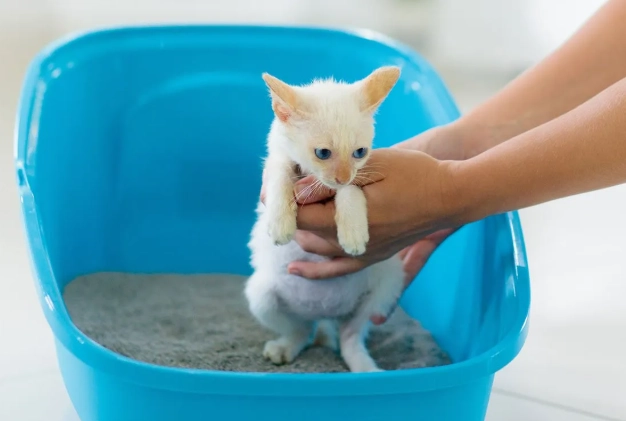
Why Litter Training Matters and How Fast It Can Be
Think about it: a kitten's natural instinct is to bury waste. That's why litter training can be quick if you tap into that behavior. According to the American Veterinary Medical Association (AVMA), kittens often learn faster than adult cats because they're more adaptable. But "fast" means different things. I've seen kittens get it in 24 hours, while others take a week. The key? Start the moment they arrive home.
My own kitten, Milo, was litter trained in three days. He was eight weeks old, scared, and hiding under the couch. I made one critical move: I placed the litter box right near his hiding spot. By day two, he was using it consistently. That's the speed you can achieve with the right setup.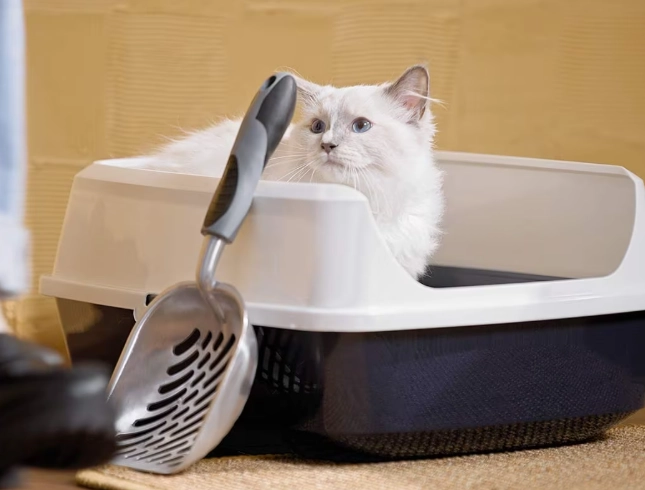
Essential Supplies for Fast Litter Training
You don't need fancy gear, but getting the basics wrong will slow everything down. Here's what I always recommend:
- Litter Box: Start with a shallow, open box—no lids. Kittens are small and can feel trapped. A low-sided plastic tray works best.
- Litter: Use unscented, clumping litter. Scented stuff can irritate their sensitive noses. I prefer fine-grained options because kittens dig more easily.
- Location: Pick a quiet, accessible spot. Not next to loud appliances or in a busy hallway. Cats prefer privacy, but not isolation.
- Cleaning Tools: A scoop and enzymatic cleaner for accidents. Trust me, you'll need it.
One thing most guides miss: avoid automatic litter boxes initially. They can scare kittens with noise and movement, delaying training. Stick to manual until the habit is solid.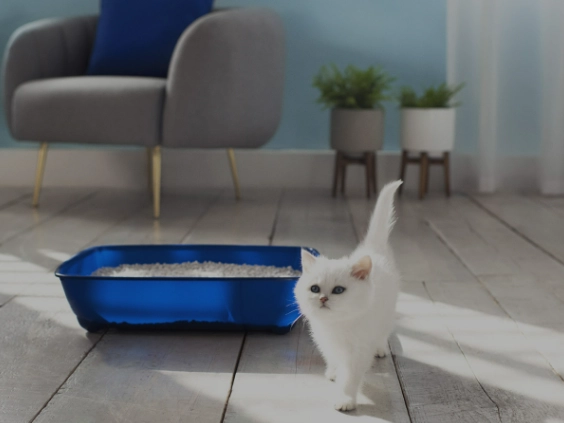
Litter Type Comparison: What Works Fastest?
Here's a quick table based on my experience with different litters. It shows why some options speed up training.
| Litter Type | Pros for Fast Training | Cons to Watch |
|---|---|---|
| Clumping, unscented | Easy to dig, mimics natural soil, encourages use | Can be dusty; avoid if kitten has respiratory issues |
| Paper-based | Soft on paws, good for sensitive kittens | Less appealing for digging; may slow training |
| Silica gel | Low dust, absorbs odor well | Texture can feel strange; some kittens avoid it |
| Clay, scented | Common and cheap | Strong smells deter kittens; not recommended for fast training |
See? Clumping unscented litter tops the list. It's what I used for Milo, and he took to it immediately.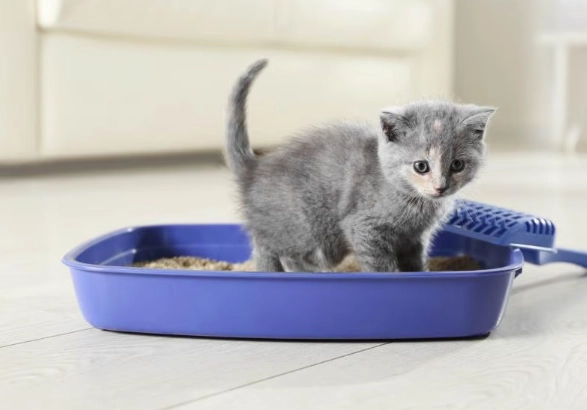
Step-by-Step Guide to Litter Train Your Kitten Fast
This is the core of fast training. Follow these steps in order, and don't skip any.
Step 1: Introduce the Litter Box Immediately
When you bring your kitten home, place them gently in the litter box. Let them sniff and explore. Do this after meals, naps, and play sessions—times when they're likely to need to go. I did this with Milo five times on the first day. It sets a routine.
Step 2: Use Confinement Strategically
For the first few days, confine your kitten to a small room with the litter box, food, water, and bed. This limits accidents and reinforces the box as the only option. A bathroom or laundry room works well. I kept Milo in a bathroom for 48 hours, and he had zero accidents outside the box.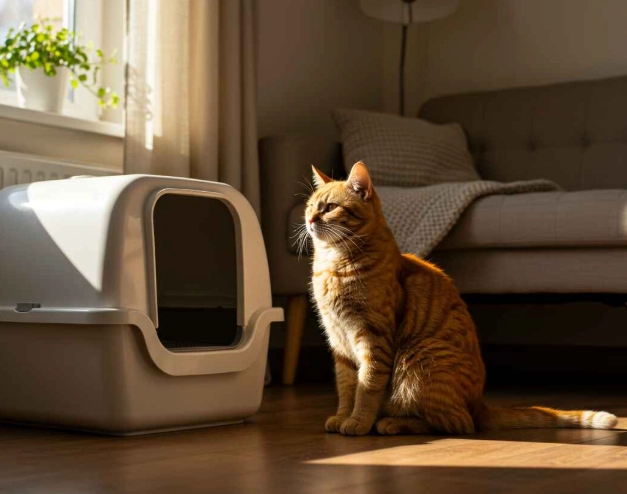
Step 3: Positive Reinforcement, Not Punishment
When your kitten uses the box, praise them softly or offer a tiny treat. Never scold for accidents—it creates fear and slows training. I used a clicker for Milo: click when he used the box, then treat. Within two days, he associated the box with rewards.
Step 4: Maintain a Clean Box
Scoop waste daily and change litter weekly. Kittens are picky; a dirty box will send them elsewhere. I made the mistake of skipping a day once, and Milo peed on a rug. Lesson learned.
These steps sound simple, but consistency is everything. Deviate, and you'll add days to the process.
Common Mistakes That Slow Down Training (and How to Avoid Them)
I've seen so many owners make these errors. Avoid them, and you'll cut training time in half.
- Moving the Litter Box: Once placed, keep it in the same spot. Moving it confuses kittens. If you must move, do it gradually—a few inches per day.
- Using Too Much Litter: Depth matters. Keep it at 1-2 inches. Too deep, and kittens sink; too shallow, and they can't bury properly.
- Ignoring Medical Issues: If training stalls, check for health problems like urinary infections. The Cornell Feline Health Center notes that medical issues are a common cause of litter box avoidance.
- Overcrowding with Multiple Cats: In multi-cat homes, provide one box per cat plus one extra. Competition can stress kittens and delay training.
One subtle mistake: using a covered box too soon. It traps odors and feels enclosed. Wait until the kitten is consistently using an open box for weeks before switching.
Troubleshooting: When Your Kitten Resists the Litter Box
What if your kitten just won't use it? Don't panic. Here are fixes I've used successfully.
Scenario 1: Kitten avoids the box after an accident. Clean the accident spot thoroughly with an enzymatic cleaner. Cats return to smells. Then, temporarily confine the kitten near the box to re-establish the habit.
Scenario 2: Kitten prefers a different surface. If they keep going on carpets, place a piece of that material in the litter box initially. Gradually mix in litter until they adjust.
Scenario 3: Kitten seems scared of the box. Try a different litter type or a shallower box. Sometimes, the texture or height is the issue. I had a foster kitten who hated clay litter; switching to paper-based solved it in a day.
Remember, persistence pays off. But if resistance lasts over a week, consult a vet to rule out health problems.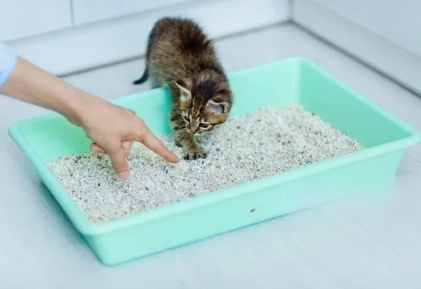
Expert Tips from a Veterinarian
I spoke with Dr. Sarah Chen, a veterinarian with 10 years of feline practice. She shared insights most owners miss.
"Fast litter training isn't about force," she said. "It's about observation. Watch your kitten's pre-elimination behaviors: sniffing, circling, or scratching. When you see those, gently place them in the box. This timing accelerates learning."
Dr. Chen also emphasized diet. "Feed a consistent diet at regular times. This regulates bowel movements, making training predictable. Avoid sudden food changes during training—it can cause digestive issues and accidents."
Her non-consensus tip? "Use pheromone sprays near the litter box. Products like Feliway mimic calming cat pheromones, reducing stress and encouraging box use. I've seen it cut training time by 30% in anxious kittens."
I tried this with a skittish foster, and it worked wonders. The kitten started using the box within two days instead of fumbling around.
FAQ Section
Litter training a kitten fast is totally doable. It boils down to preparation, consistency, and a bit of patience. Follow this guide, avoid the common pitfalls, and you'll have a well-trained kitten in no time. Got more questions? Drop them in the comments—I'm happy to help based on my hands-on experience.


Join the Conversation