Let's talk about gerbil food. It seems simple, right? Grab a bag of hamster mix from the store and you're done. I thought that too, years ago. Then I watched my first pair of gerbils meticulously pick out every single sunflower seed and fatty treat, leaving the boring, healthy pellets behind. They got chubby. I learned the hard way that a proper gerbil diet plan isn't about just any rodent food—it's about mimicking what they'd eat in the wild, while avoiding the common pitfalls that pet stores don't always tell you about.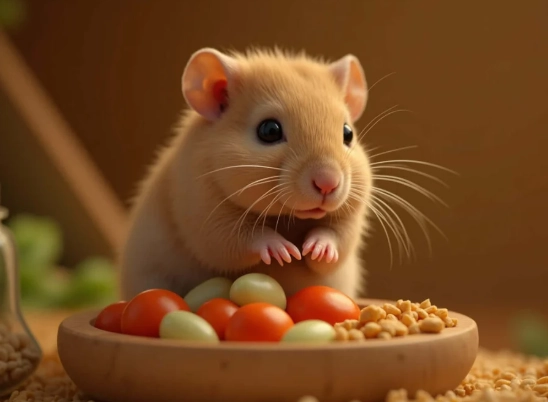
Getting their diet right is the single biggest thing you can do for their health. A good diet means a gerbil that's active, has a glossy coat, and lives a full lifespan of 3-4 years. A poor diet leads to obesity, dental problems, digestive issues, and a shorter life.
What’s Inside: Your Quick Guide
The Foundation: Pellets, Mixes, and Hay
Think of your gerbil's diet like a pyramid. The big base at the bottom is their daily staple food. This should make up about 80-90% of what they eat. You have two main choices here, and one is definitely better than the other.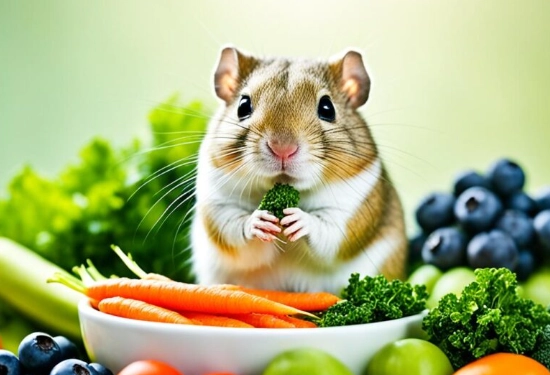
Seed and Grain Mixes are the other option. They look more natural and gerbils love foraging through them. The problem? They're like a kid with a bowl of candy and broccoli. The sunflower seeds, peanuts, and dried corn get eaten first. The healthier pellets and grains often get ignored or buried. If you use a mix, you must be vigilant. You might need to hand-feed the leftover pellets to ensure balance, which is extra work.
And what about hay? Timothy hay or orchard grass hay isn't a primary food for gerbils like it is for rabbits, but it's incredibly useful. It provides essential long-strand fiber for digestion, and it's the perfect material for nesting and burrowing. Always keep a handful in their cage.
The Fresh Food List: Safe Veggies and Fruits
This is where you can have fun and provide variety. Fresh foods are the vitamins and enrichment on top of their staple diet. But they're also where most digestive upsets happen if you're not careful.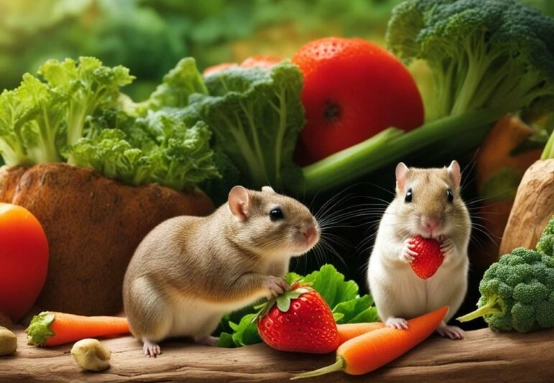
The golden rule: Introduce one new food at a time, in a tiny amount. Wait 24-48 hours to see how their droppings look. If they're normal, you can add that food to the rotation. If they get soft or runny, hold off on that item.
| Safe Vegetables (Offer 3-4x per week) | Safe Fruits (Offer 1-2x per week) | Never, Ever Feed |
|---|---|---|
| Broccoli florets (a big hit) | Apple (seedless, tiny piece) | Citrus fruits (oranges, lemons - too acidic) |
| Carrot (shredded or small slice) | Banana (a sliver, it's sticky) | Onions, Garlic, Leeks (toxic) |
| Cucumber (great for hydration) | Blueberries, Strawberries (halved) | Raw kidney beans, Raw potato (toxic) |
| Peas (fresh or frozen/thawed) | Pear (seedless, tiny piece) | Rhubarb (leaves are poisonous) |
| Bell Pepper (any color, seeds removed) | Melon (cantaloupe, watermelon) | Chocolate, Candy, Salty snacks |
| Spinach, Kale (in moderation, high in oxalates) | Peach, Plum (pit removed) | Avocado (persin is toxic to many rodents) |
Portion size is critical. For one or two gerbils, a total piece of vegetable about the size of a gerbil's head is plenty. For fruit, think half that size. Always wash thoroughly and remove any uneaten fresh food within 12 hours.
Putting It Together: A Sample Feeding Schedule
Consistency is key. Gerbils thrive on routine. Here’s what a week might look like for a pair of adult gerbils:
Daily: A tablespoon of their staple lab blocks or pellets. Scatter it around the cage to encourage foraging. A small handful of timothy hay. Fresh water, changed daily in a bottle with a metal sipper tube.
Monday, Wednesday, Friday: Morning - A few sprigs of broccoli and a slice of cucumber. Evening - Check and remove any old fresh food.
Tuesday, Thursday: Morning - A small piece of carrot and a pea or two. Evening - Check and remove.
Saturday: Treat day! A tiny piece of apple or a blueberry. Maybe a plain, unsalted sunflower seed or pumpkin seed as a special reward during handling.
Sunday: Just their staple food and hay. A “light” day for their digestive systems.
This schedule provides variety without overwhelming them. You’ll notice their preferences—my current gerbil, Pip, would commit crimes for a bit of broccoli, but turns his nose up at pepper.
Top 3 Gerbil Feeding Mistakes (And How to Avoid Them)
After talking to countless owners and vets, these are the errors I see most often.
1. Overfeeding the “Good Stuff”
It’s tempting to give them lots of treats because they look so cute begging. But gerbils have tiny stomachs and fast metabolisms geared for sparse, fibrous food in the wild. Too many fatty seeds (sunflower, pumpkin) or sugary fruits leads directly to obesity and fatty liver disease. A treat should be truly occasional—once or twice a week, and tiny.
2. Not Providing Enough Chewing Material
Gerbils’ teeth never stop growing. If their diet is too soft (only pellets and mushy veg), their teeth won’t wear down and can become overgrown, causing pain and preventing eating. Alongside hay, provide safe wooden chews (applewood, willow) and even the occasional hard dog biscuit (plain, grain-based) for gnawing.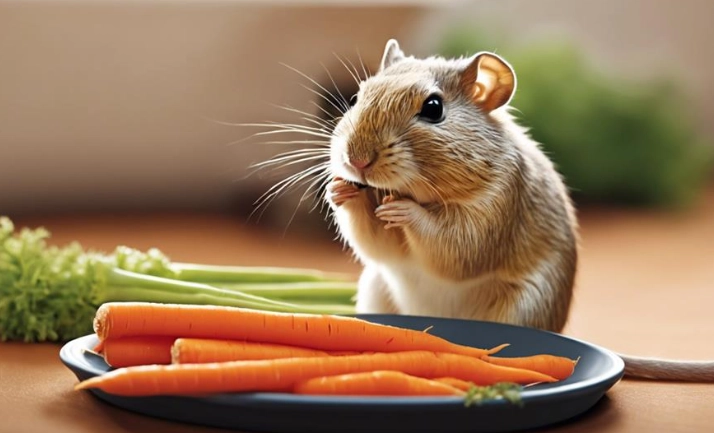
3. Sudden Diet Changes
This is a big one. A gerbil's gut flora is delicate. Switching from a seed mix to pellets overnight, or introducing three new vegetables at once, is a recipe for diarrhea (which can be serious for small pets). Any change must be gradual over 7-10 days. Mix a little of the new food with the old, increasing the ratio slowly.
Special Considerations: Babies, Seniors, and Pairs
Not all gerbils have the same needs.
Pups (Babies): They wean around 4 weeks. You can start them on the same high-quality lab blocks as adults, but you might slightly crush them at first. Their protein needs are a bit higher for growth. You can offer a bit more frequent, smaller portions of easy-to-eat veggies like grated carrot.
Senior Gerbils (2.5+ years): They may become less active and have slightly weaker teeth. You can slightly moisten their pellets with water to make them easier to chew. Keep an eye on their weight—unexplained weight loss is a vet visit signal. Softer vegetables like cooked squash (plain, no seasoning) can be good for them.
Feeding Pairs or Groups: This is crucial. You must ensure there's no food aggression. Provide multiple food dishes in different cage areas. Scatter feeding is even better for groups, as it encourages natural foraging and reduces competition over a single bowl. Watch to make sure one gerbil isn't hoarding all the food and bullying the others.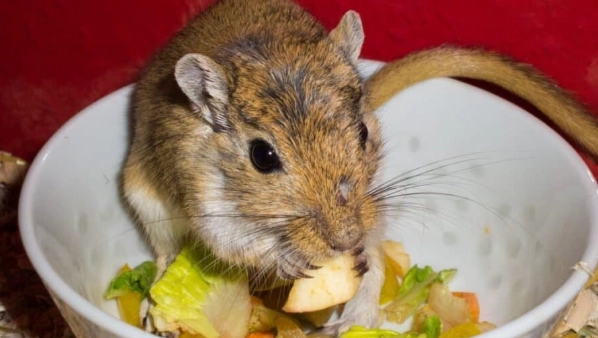
Your Gerbil Diet Questions Answered
Getting your gerbil's diet right isn't complicated, but it does require paying attention to the details they can't tell you about. Stick to a high-quality staple, use fresh foods as careful supplements, and always, always watch their droppings and weight. It’s the best way to ensure your little digging buddy stays happy and healthy for years to come.
What does your gerbil go crazy for? For me, it’s always been broccoli. They’ll come running for the crunch.


Join the Conversation