If you think all Syrian hamsters are just little golden furballs, you're in for a surprise. Over decades of dedicated breeding, what we commonly call the "Golden Hamster" has blossomed into a dazzling array of Syrian hamster breed types, distinguished by coat texture, color, and pattern. Choosing one isn't just about picking the cutest face; the breed type directly impacts grooming needs, personality quirks, and even how much bedding ends up in their cheek pouches. I've kept Syrians for years, and the difference between caring for a standard short-hair and a long-haired "Teddy Bear" is night and day. This guide cuts through the confusion, mapping out every major type to help you find your perfect pocket-sized companion.
Quick Navigation
The Four Foundational Coat Types
Forget color for a second. The first and most practical way to categorize Syrian hamster breeds is by their coat type. This determines your weekly maintenance routine more than anything else.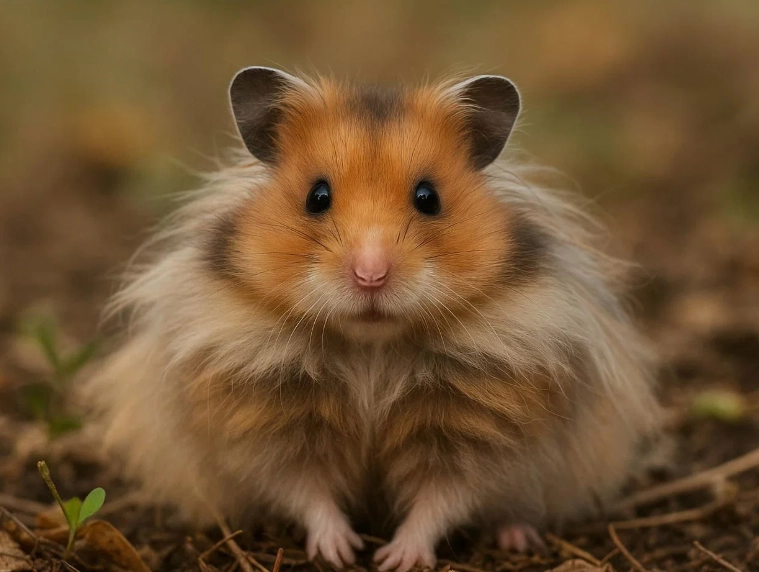
Short-Haired (Standard)
This is the original, wild-type coat. The fur is smooth, sleek, and lies flat against the body. It's low-maintenance, which is a huge plus for beginners or busy owners. Dirt and bedding don't cling to it easily. Most of the early color mutations appeared in this coat type. If you want a hamster that's more about personality than primping, this is your go-to.
Long-Haired ("Teddy Bear")
The long-haired Syrian, often marketed as a "Teddy Bear" hamster, is where things get fluffy. Interestingly, this trait is sex-linked. Males develop impressively long, flowing skirts (the fur around their rear and flanks), sometimes over three inches long. Females have longer fur than short-hairs but rarely achieve the dramatic male "robe." Here's the non-consensus part everyone misses: that beautiful fur is a magnet for everything. It tangles easily, collects wet bedding, and can even get caught in wheel axles if not trimmed. You will need a small, safe brush for occasional grooming.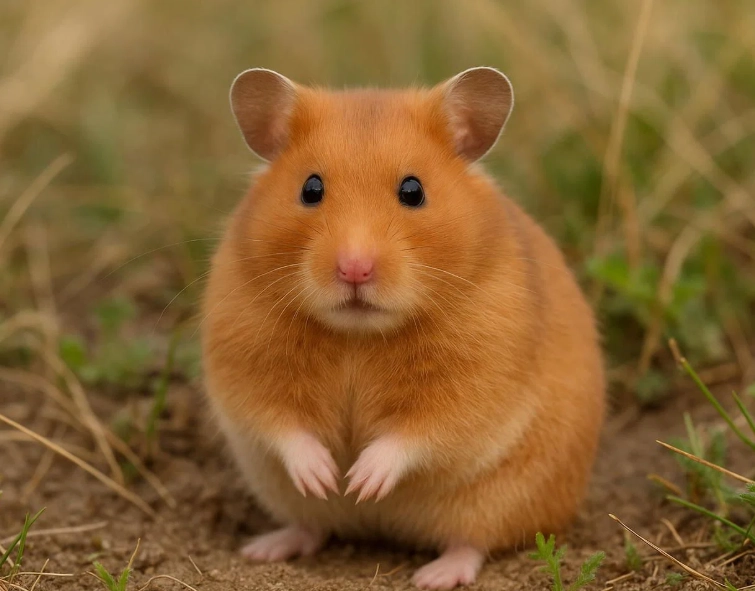
Rex
Rex Syrians have a dense, plush, curly coat where even the whiskers are kinked. The fur stands away from the body, giving them a wonderfully fuzzy, teddy-bear appearance even with short hair. The texture is delightful to stroke. However, the coat density can make them more susceptible to overheating in warm climates. You need to be extra vigilant about keeping their habitat in a cool spot. Their unique look comes from a recessive gene, making them less common in pet stores.
Satin
The Satin coat isn't about length or curl, but about shine. The hair shaft is translucent and hollow, reflecting light to give a gorgeous, glossy, almost metallic sheen. A Satin Golden hamster looks like it's been dipped in liquid sunlight. The catch? This gene can be linked to "Satinization," where in double-dose (homozygous) form, it can cause the fur to become overly thin and sparse, leading to skin issues. Reputable breeders avoid breeding two Satins together for this reason. Always ask if a Satin hamster is from a heterozygous pairing.
A Spectrum of Colors and Patterns
Now layer the colors and patterns onto those coat types. The combinations are vast, but here are the pillars you'll encounter. The American Hamster Association (AHA) and The Hamster Society maintain detailed standards that show just how complex this gets.
| Color/Pattern Name | Description | Common Coat Types | Personality Note | Rarity |
|---|---|---|---|---|
| Golden (Agouti) | The original. Grey undercoat with black-ticked golden brown topcoat, dark cheek flashes, ivory belly. | All types | Considered the baseline temperament. | Common |
| Cream | Uniform creamy-beige fur with red eyes (dark eyes possible). A solid, elegant color. | All types | No observed link to color-based temperament. | Common |
| Cinnamon | Rich, warm brown-grey fur with a dark grey undercoat, dark eyes. Often confused with Golden but lacks black ticking. | All types | Often reported as exceptionally docile. | Less Common |
| Black | Solid, deep black from root to tip. No other markings. | All types | Can be harder to read facial expressions in low light. | Uncommon |
| Dominant Spot | White hamster with colored patches. The patches can be any color (golden, cinnamon, black). | All types | Pattern doesn't affect personality. | Common |
| Banded | A white band (belt) encircles the middle of the body over a base color (e.g., Golden, Cinnamon). | All types | Another pattern-only mutation. | Common |
| Tortoiseshell | Exclusive to females. Random patches of yellow and another color (black, grey). | Usually Short or Long-haired | Unique and highly sought-after pattern. | Rare |
You can have a Long-Haired Satin Cinnamon or a Rex Dominant Spot. That's the fun of it. Pet stores often label hamsters by generic color ("brown hamster"), so learning these terms helps you know exactly what you're getting.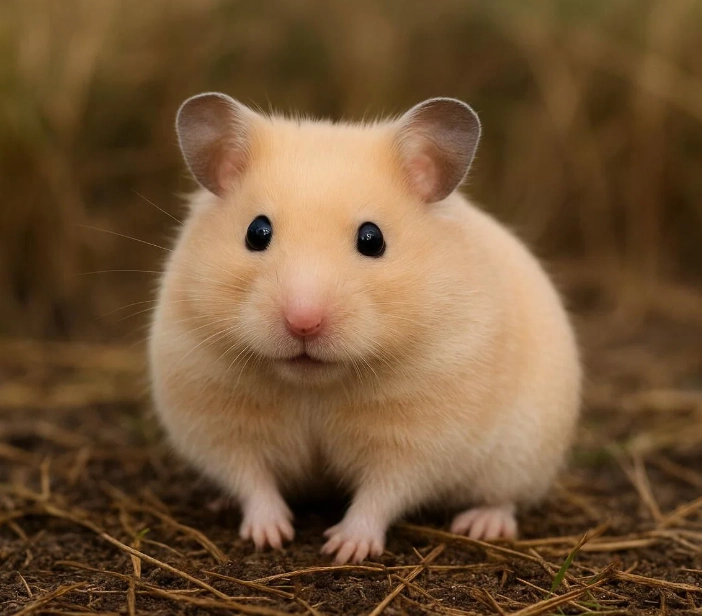
How to Choose the Right Syrian Hamster Breed for You
Don't just pick the fluffiest one in the bin. Match the breed type to your lifestyle.
For First-Time Owners & Families with Kids: A Short-Haired hamster in a standard color like Golden or Cream is ideal. The grooming needs are minimal, and they're generally hardy. Kids can interact without you worrying about delicate fur being pulled.
For the Dedicated Enthusiast Who Loves Grooming: A male Long-Haired Syrian (Teddy Bear) offers a rewarding challenge. The bonding during gentle brushing sessions is incredible. Just be prepared for the extra upkeep.
For Someone in a Warmer Climate or a Small Apartment: Prioritize a Short-Haired or Satin coat. Avoid Rex, as their dense fur can make them overheat more quickly if your room temperature isn't perfectly controlled.
For the Unique Pet Lover: Seek out a Rex or a Tortoiseshell female from a specialist breeder. Their distinctive looks are a real conversation starter, but remember, rarity often comes with a higher price tag and the need for a breeder who prioritizes health.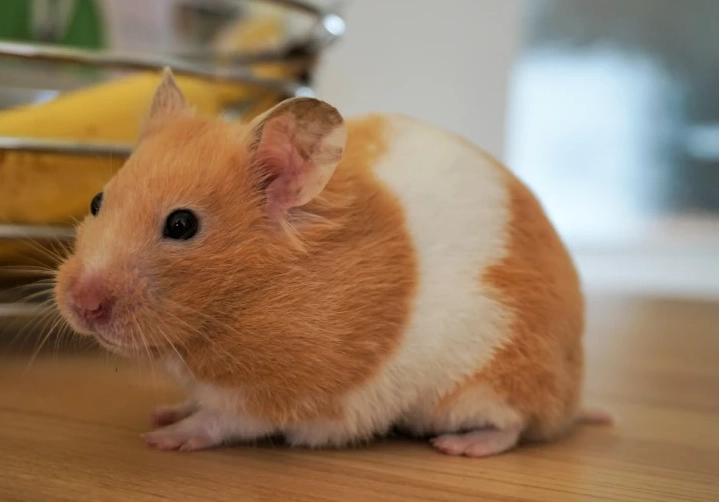
Breed-Specific Care Differences You Can't Ignore
All Syrians need a large cage (minimum 100cm x 50cm floor space), a big wheel, and a quality diet. But breed types demand tweaks.
Long-Haired Care: You need a sand bath (chinchilla sand, not dust) always available. The sand helps absorb oils and prevents the fur from matting. Check their rear end weekly for "cling-ons"—bedding or fecal matter stuck in the long skirt fur. A small, soft-bristled toothbrush is perfect for gentle detangling.
Rex Care: Focus on climate control. Their cage should be away from direct sunlight and radiators. Provide ceramic hides for them to cool off on. Their curly whiskers might make them slightly more tentative in navigating new spaces, so go slow when introducing new cage items.
Satin Care: The main thing is sourcing. If you get a Satin, ensure it's from a responsible source that understands the genetics. Their coat doesn't need special care, but their genetic background does your due diligence.
A universal tip many forget: regardless of breed, the type of bedding matters. Avoid fluffy, cotton-like bedding entirely—it's a major tangling and ingestion hazard, especially for long-haired and rex types. Aspen shavings or paper-based beddings are safer choices.
Your Syrian Hamster Breed Questions Answered
Which Syrian hamster breed is best for a first-time owner?
Hands down, a Short-Haired Syrian in a common color like Golden or Cream. You get the full, wonderful Syrian hamster personality—curious, interactive, and often quite tame—without the specialized grooming demands. It lets you focus on learning basic care, taming, and bonding without the extra complication of managing a high-maintenance coat. It's the most forgiving choice while you're figuring things out.
My long-haired Syrian's fur is constantly matted, what am I doing wrong?
You're probably not providing a permanent sand bath. This is the single most important tool for long-haired hamsters. The sand acts like a dry shampoo, absorbing oils that cause bedding and debris to stick and clump. Also, check your bedding material. That fluffy, cotton-like nesting material is a disaster—it wraps around fur like glue. Switch to a paper-based or aspen bedding and offer shredded toilet paper for nesting instead. For existing mats, never cut them out with scissors. Use your fingers or blunt-ended grooming tweezers to carefully tease them apart.
Are certain Syrian hamster colors or patterns more aggressive or prone to health problems?
No credible evidence links specific colors like black or cinnamon to aggression. Personality is individual and influenced more by genetics, early handling, and socialization. Health problems are linked to specific genes in certain combinations, not the visible color itself. The main one is the "Satin" gene, which in its homozygous form (from two Satin parents) can cause the thin-fur syndrome. Another is the "Anophthalmic White" gene (not the common Dominant Spot), which can cause blindness and small eyes. This is why buying from a knowledgeable breeder who tracks lineages is safer than picking randomly from a pet store bin where genetics are unknown.
I want a really unique-looking Syrian. Should I go for a rare color or a rare coat type like Rex?
Go for the rare coat type. A Rex or a high-quality Satin offers a unique tactile and visual experience every day. A rare color, like a specific shade of dove grey, is just a color. The Rex's plush, curly texture or the Satin's incredible shine provides ongoing enjoyment. However, this path requires more research. You'll likely need to find a specialist breeder, which means waiting for a litter and paying more. Use that process to your advantage—ask the breeder detailed questions about the health and temperament of their lines. The effort to find a good Rex breeder is worth it; grabbing a "cool color" from a mass breeder often is not.
The world of Syrian hamster breed types is rich and fascinating, a direct result of human curiosity and affection for these solitary little creatures. Whether you choose the practicality of a short-hair or commit to the glamorous upkeep of a long-haired showstopper, understanding these differences sets you—and your future hamster—up for a happier, healthier life together. Look beyond the pet store label, ask questions, and choose with both your heart and your head.




Join the Conversation