You find the puddle behind the couch. Again. Or the tell-tale stain on the bathmat. Your cat has decided the world is their litter box, and your home is the casualty. Frustration mixes with worry. Is he sick? Is she mad at me? Let's cut through the guesswork. Cats don't do this out of spite. They're communicating a problem, and it's our job to decode it. The solution isn't one-size-fits-all; it's a detective game that starts with a vet visit and branches into behavior and environment.
Quick Navigation
Rule Out Medical Issues First (Non-Negotiable)
This isn't step one; it's step zero. Before you buy a new litter box or try a different scent, book a veterinary appointment. A sudden change in elimination habits is often the first and only sign of a medical problem.
Think about it. If peeing hurts, your cat will associate that pain with the litter box itself. They'll start looking for softer, different places to go, hoping it won't hurt there. Common culprits include:
- Urinary Tract Infection (UTI) or Feline Idiopathic Cystitis (FIC): Inflammation of the bladder, incredibly painful. FIC is stress-related and very common.
- Bladder Stones or Crystals: These can cause blockage, especially in males, which is a life-threatening emergency.
- Kidney Disease or Diabetes: Increased thirst and urination can lead to "accidents" because they simply can't make it to the box in time.
- Arthritis: An older cat might find it too painful to climb into a high-sided box.
I've seen too many people spend weeks trying behavioral fixes only to discover their cat had a simple, treatable UTI. The vet visit saves time, money, and your cat's well-being.
The Litter Box Setup: Are You Making These Mistakes?
Assuming your cat gets a clean bill of health, the litter box itself is the next crime scene. Cats are fastidious. Their standards are high, and we often unknowingly violate them.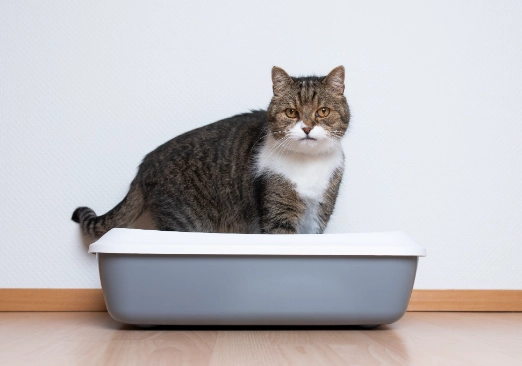
The golden rule? One litter box per cat, plus one extra. So, two cats need three boxes. This isn't a luxury; it's conflict prevention. Place them in different, quiet, low-traffic areas. Not all next to each other in the basement—that's just one big, scary box to a cat.
The Litter Box Checklist
| Factor | Common Mistake | Feline Preference |
|---|---|---|
| Size | Using a small, cramped box. | A box at least 1.5 times the length of your cat from nose to tail base. Big, open storage totes (with an entry cut out) are often perfect. |
| Type | Using a covered/hooded box. | Most cats prefer open boxes. Hoods trap odor and make them feel vulnerable (can't see threats approaching). If you need a lid for splash control, try a top-entry box. |
| Litter Type | Switching brands/types suddenly. | Unscented, fine-grained clumping litter is the safest bet. Avoid perfumed litters—a cat's nose is far more sensitive than ours. |
| Litter Depth | Too shallow or too deep. | 2-3 inches is ideal. Enough to dig and cover, not so much it's wasteful or uncomfortable. |
| Cleanliness | Scooping less than daily. | Scoop at least once a day. Dump and wash the entire box with mild soap (no harsh chemicals) every 1-2 weeks. |
| Location | Next to a loud appliance or in a busy hallway. | Quiet, private, easily accessible. Not next to the blaring washing machine or the dog's food bowl. |
A subtle mistake I see? The box location itself changes. You renovated, moved furniture, or brought in a new piece that blocks their usual path. To you, it's a new chair. To your cat, it's an obstacle on their highway to the bathroom.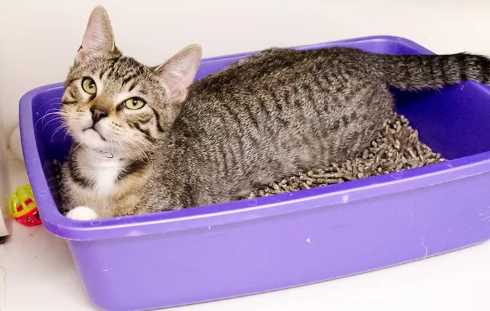
Stress & The Environment: The Silent Triggers
Cats are masters of hiding stress, but they scream it through their behavior. Inappropriate elimination is a top stress signal. The trigger might seem trivial to you.
New baby? Construction outside? A new work schedule that leaves them alone more? Even a change in your emotional state can ripple through them. They crave predictability.
Environmental enrichment is your best defense against stress-related peeing. It's not just about toys.
- Vertical Space: Cat trees, shelves, window perches. Height equals safety and control.
- Play & Predation Simulation: Two dedicated 10-minute play sessions a day with a wand toy (dawn and dusk are ideal) can work wonders on anxiety.
- Routine: Feed, play, and interact on a consistent schedule.
Consider synthetic pheromone diffusers like Feliway. They mimic the "friendly" facial pheromones cats use to mark their territory as safe. Plug one in near the accident zone or the litter box area. They don't work for every cat, but when they do, it's like flipping a calm switch.
Multi-Cat Household Dynamics
This is where things get complex. What looks like peaceful coexistence to us can be a tense, silent standoff to cats. One cat may be subtly bullying another, blocking access to resources like the litter box.
The cat being bullied may start peeing in quiet, hidden corners to avoid confrontation at the communal box. You might not see the conflict because it happens when you're not looking—a stare, a hiss, a blocked doorway.
Solutions here are about resource management and escape routes.
Ensure litter boxes are in completely separate zones of the house, giving each cat a territory. Have multiple water stations and feeding areas. Provide plenty of high escape routes so a cat can always move away from another without a fight.
Sometimes, the problem cat is an outdoor cat you never see—the neighbor's tomcat who sprays your windows. Your cat sees this as an invasion and may mark inside to reclaim their space. Closing blinds or using opaque window film on lower windows can help.
Cleaning & Re-Training: Breaking the Cycle
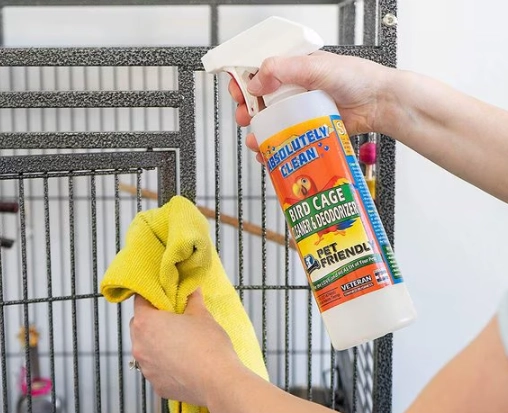
If you don't completely remove the odor, your cat will be drawn back to the spot. Their nose is their GPS. Standard cleaners don't work; they often just add a perfumed layer over the urine enzymes.
You need an enzymatic cleaner. Products like Nature's Miracle or Rocco & Roxie are designed to break down the uric acid crystals that cause the smell. Soak the area thoroughly, let it dry completely. You might need multiple applications for old stains.
After cleaning, make the spot unattractive or unusable. Place a food bowl there (cats won't pee where they eat). Or use aluminum foil, double-sided tape, or a plastic carpet runner (nubby side up).
Re-training is gentle. Confine your cat to a small, easy-to-clean room (like a bathroom) with their bed, food, water, and a pristine litter box for a few days. This resets their habits. Once they're consistently using the box, gradually give them access to more of the house, always ensuring the litter box is appealing and accessible.



Join the Conversation