Quick Guide Navigation
- Why You Absolutely Need a Reliable Rabbit Food Chart
- The Daily Staples: The Non-Negotiables on Your Rabbit Food Chart
- The "Sometimes" Foods: Treats & Occasional Veggies
- The "Never-Ever" List: Dangerous Foods on Any Rabbit Food Chart
- Putting It All Together: A Sample Daily Menu
- Answers to the Questions You're Actually Searching For
- Final Thoughts: It's a Journey, Not a Test
Let's be honest. Figuring out what to feed your rabbit can feel like navigating a minefield. One website says carrots are fine, another screams they're pure sugar. Your friend swears by giving their bunny kale every day, but then you read somewhere it might cause issues. It's enough to make any rabbit owner's head spin.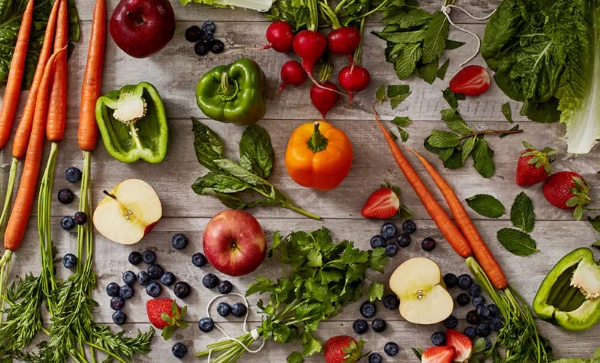
I remember when I first got Biscuit, my Netherland Dwarf. I was terrified I'd accidentally feed him something toxic. I had notes scribbled everywhere, a browser with twenty tabs open, and still felt unsure. That's why I spent months talking to vets, digging into research from places like the House Rabbit Society, and yes, learning from a few cautious experiments (don't worry, nothing dangerous!). The result is this all-in-one rabbit food chart guide. Think of it as the reference I wish I'd had.
This isn't just another list. It's a system. We'll break down the rabbit food chart into what's essential every single day, what makes for a great occasional treat, and what you must avoid like the plague. We'll talk amounts, frequency, and even bust some common myths. By the end, you'll have the confidence to look at your fridge and know exactly what's bunny-approved.
Why You Absolutely Need a Reliable Rabbit Food Chart
Rabbits have digestive systems that are both incredibly efficient and surprisingly delicate. They're hindgut fermenters, which means most of their digestion happens in their cecum and large intestine. This system is perfect for breaking down fibrous grasses, but it can go haywire (pun intended) with the wrong foods.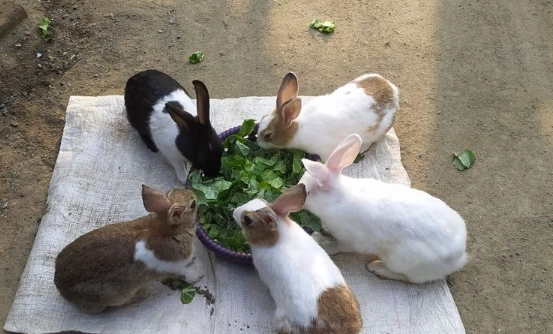
A sudden change, too much sugar or starch, or the wrong kind of vegetable can disrupt the delicate balance of bacteria in their gut. This can lead to GI stasis—a scary, potentially life-threatening condition where their gut slows down or stops moving. Trust me, you don't want to go through that midnight vet visit.
So, a rabbit food chart isn't about being a paranoid pet parent. It's about prevention. It's knowing that a slice of apple is a fun Friday snack, but a whole apple is a ticket to digestive trouble. It's understanding that while dandelion greens from your pesticide-free yard are gold, iceberg lettuce is pretty much useless water.
Having a clear, trustworthy chart takes the anxiety out of snack time and turns it into a positive part of your bonding routine.
The Daily Staples: The Non-Negotiables on Your Rabbit Food Chart
This is the bedrock of the rabbit food chart. These items aren't optional; they're the fuel that keeps the engine running smoothly. Miss out here, and no amount of healthy treats will make up for it.
Unlimited Timothy Hay (or Other Grass Hays)
This should make up about 80-90% of your rabbit's diet. Not 50%. Not "when they feel like it." Unlimited, 24/7 access. Hay does three critical things:
- Wears down teeth: Rabbit teeth never stop growing. Chewing fibrous hay is what grinds them down naturally. No hay often leads to painful dental spurs.
- Keeps the gut moving: The high fiber is essential for preventing GI stasis. It's the roughage that pushes everything through.
- Provides mental stimulation: Foraging and chewing is a natural, calming behavior.
Alfalfa hay is richer and higher in calcium and protein—it's great for young, growing kits but usually too rich for adult rabbits. Stick with Timothy, Orchard, Oat, or Meadow hay for adults. I buy my hay in bulk from a local farm; the quality is amazing and Biscuit goes nuts for it.
High-Quality Pellets (But in Limited Quantities)
Here's where many owners go wrong. Pellets are not the main course; they're a vitamin supplement. Overfeeding pellets is a fast track to an obese, picky rabbit who ignores their hay.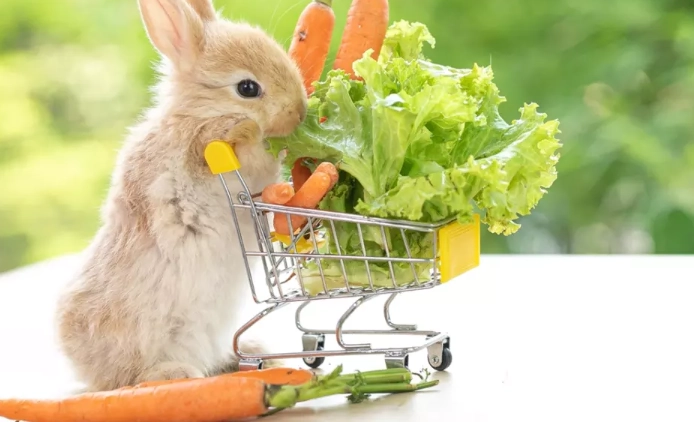
How much? The general guideline is about 1/4 cup of plain, timothy-based pellets per 5 lbs of body weight daily. For my little Biscuit (he's about 3 lbs), I give him a scant tablespoon. Seriously, it looks like nothing in his bowl. But it's enough.
Avoid the colorful mixes with seeds, corn, and dried fruit. Those are junk food. Look for pellets that are uniform in color and high in fiber (over 18%). Brands like Oxbow and Small Pet Select are consistently recommended. The Rabbit Welfare Association & Fund (RWAF) has excellent resources on selecting proper pellets.
Fresh, Leafy Greens
This is the "salad" part of the rabbit diet guide. Greens provide moisture, variety, and additional nutrients. Introduce new greens one at a time and in small amounts to watch for any soft stools.
A good starting daily amount is about 1 packed cup of greens per 2 lbs of body weight. You can split this between morning and evening feedings.
Let's get specific with a chart. This is the core of your practical rabbit food chart for daily veggies.
| Green / Herb | Benefits / Notes | How Often |
|---|---|---|
| Romaine Lettuce (Green/Red) | Great staple, high in water & vitamin A. Avoid the white core. | Daily |
| Green/Red Leaf Lettuce | Another excellent daily base for salads. | Daily |
| Butterhead Lettuce | Okay in moderation, but romaine is better. | A few times a week |
| Arugula (Rocket) | Peppery flavor, rich in antioxidants. Many bunnies love it. | Daily |
| Bok Choy | Good for variety. Chop the stalks. | A few times a week |
| Cilantro (Coriander) | A huge favorite for most! Great breath freshener too. | Daily |
| Basil | Aromatic and loved. Both a green and an herb. | Daily |
| Mint | Very strong flavor, offer in small amounts. Great for digestion. | 2-3 times a week |
| Dill | Another fragrant herb that's usually a hit. | A few times a week |
| Dandelion Greens | Nutrient powerhouse! Ensure they're from an untreated area. | Daily |
| Kale | Now, here's a controversial one. It's high in calcium and oxalates. A small piece once or twice a week is fine for most rabbits, but I don't use it as a daily green. Some vets advise caution. | Limit (1-2x week) |
| Spinach | Similar to kale—high in oxalates. A tiny bit as an occasional treat, not a salad staple. | Limit (1x week) |
| Swiss Chard | Also on the "limit" list due to oxalate content. | Limit (1x week) |
See how a rabbit food chart clears things up? Kale and spinach aren't "never" foods, but they're not "every day" foods either. Romaine and cilantro? Bring them on.
The "Sometimes" Foods: Treats & Occasional Veggies
This is the fun section of the rabbit food chart. These foods add excitement and variety but come with rules. The golden rule: moderation is everything. A treat-sized portion is about the size of your rabbit's thumbnail, or one small slice.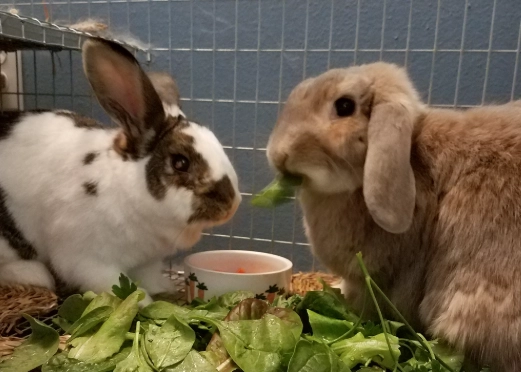
Non-Leafy Vegetables (Higher in Sugar or Starch)
- Carrot Tops: Fantastic! The leafy greens are a daily green. The orange root? That's the treat.
- Carrot (the root): High in sugar. One or two thin slices, 2-3 times a week max. The "rabbits love carrots" trope has done a lot of dietary damage.
- Bell Peppers (any color): Remove seeds and stem. A great source of vitamin C. A chunk about the size of a dice, a few times a week.
- Broccoli: The florets can cause gas in some rabbits. Introduce a tiny floret and see how they react. If okay, a small piece once a week.
- Zucchini / Cucumber: Mostly water, low in nutrients, but a hydrating, safe snack. A slice or two occasionally.
- Brussels Sprouts: Like broccoli, can be gassy. A single, small sprout, very occasionally.
Fruits (Pure Sugar in Rabbit Terms)
Fruit is candy. You wouldn't give a child candy every day. Same logic.
- Apple: Remove ALL seeds (they contain cyanide). A thin slice, skin on, once or twice a week.
- Banana: Super high in sugar. A 1/4 inch slice is plenty. Biscuit would sell my soul for banana, so I have to be strict.
- Blueberries / Strawberries: 1-2 berries, once a week.
- Pear, Peach, Melon: Similar to apple. A tiny piece, seed/pit removed, occasionally.
The "Never-Ever" List: Dangerous Foods on Any Rabbit Food Chart
This is the most important part. Some foods are toxic. Others can cause severe digestive blockages. Commit this list to memory.
This is serious.
- Avocado: Contains persin, a fungicidal toxin that is fatal to rabbits.
- Chocolate / Caffeine: Theobromine and caffeine are highly toxic. No exceptions.
- Allium Family: Onions, garlic, leeks, chives. These destroy red blood cells, causing anemia.
- Iceberg Lettuce: Not toxic, but its lactucarium content can be harmful in quantity, and it's mostly water with minimal nutritional value. It's just a waste of space in their diet.
- Potatoes (& leaves/stems): Raw potatoes are starchy and contain solanine, which is toxic. Potato tops are definitely poisonous.
- Rhubarb: The leaves are highly toxic. Just avoid the plant entirely.
- Seeds & Pits from Fruits: Apple seeds, peach pits, apricot pits, etc., often contain cyanide compounds.
- Meat, Dairy, Eggs: Rabbits are strict herbivores. Their digestive system cannot process animal protein.
- Grains & Legumes: Bread, crackers, cereal, beans, peas, corn kernels. These cause major digestive upset and can lead to blockages. Corn husks and silks are fine in moderation, but the kernel itself is a no-go.
- Nuts: Too high in fat and protein, and a choking hazard.
- Houseplants & Garden Plants: Many are poisonous. Lilies, azaleas, ivy, foxglove, oleander… the list is long. Never assume a plant is safe. Check a reputable rabbit food chart or the Harcourt-Brown veterinary site for a comprehensive list of poisonous plants before letting your bunny near any unknown greenery.
Putting It All Together: A Sample Daily Menu
Let's make this practical. Here’s what a day might look like for a 5lb adult rabbit, based on our rabbit food chart principles.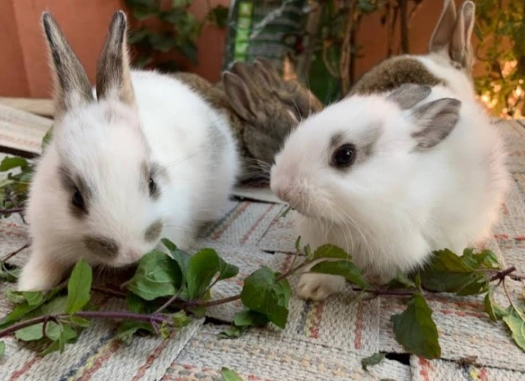
Morning:
- Hay: Refill the rack so it's overflowing.
- Pellets: 1/4 cup of timothy-based pellets.
- Fresh Water: Change the water in a heavy bowl or bottle.
Evening (Salad Time!):
- Salad (approx. 2.5 cups): A mix of 3-4 items.
- 1 cup romaine lettuce
- 1/2 cup cilantro
- 1/2 cup arugula
- A few sprigs of fresh basil
- Optional, twice a week: Add a small slice of bell pepper or a carrot top.
- Hay: Check and top up.
Friday Treat: One blueberry or a thin slice of apple.
See? It's simple once you have the framework. The rabbit food chart gives you the boundaries, and within those, you can mix and match to find what your bunny loves.
Answers to the Questions You're Actually Searching For
Final Thoughts: It's a Journey, Not a Test
Look, I still double-check things sometimes. I see a new herb at the farmer's market and pull out my phone to verify. That's okay. The goal of this rabbit food chart guide isn't to make you a perfect robot feeder. It's to give you the knowledge and confidence to make great choices 99% of the time.
Print out the chart. Stick it on your fridge. Bookmark this page. Refer to the House Rabbit Society and RWAF websites when you're unsure. They are the true authorities.
Your rabbit's health starts in their food bowl. By using a solid rabbit diet guide and rabbit food chart as your roadmap, you're giving them the best shot at a long, hoppy, and vibrant life. And honestly, there's no better feeling than seeing your bunny binky across the room because they're feeling good from the inside out.
Now go make your bunny a fabulous salad.



Join the Conversation