Getting a hamster, gerbil, mouse, or other small mammal is exciting. You bring home this tiny, curious creature, a bag of food, and... a cage. Here's where most people go wrong. They think a cage is just a container. It's not. For an animal that spends its entire life in that space, it's their entire world—their forest, their desert, their burrow. A proper small mammal habitat setup isn't about confinement; it's about creating a miniature ecosystem that meets their physical and psychological needs. After years of keeping everything from Syrian hamsters to degus, I've seen the dramatic difference between a pet that merely survives in a barren box and one that thrives in a thoughtfully designed home. This guide will walk you through building the latter.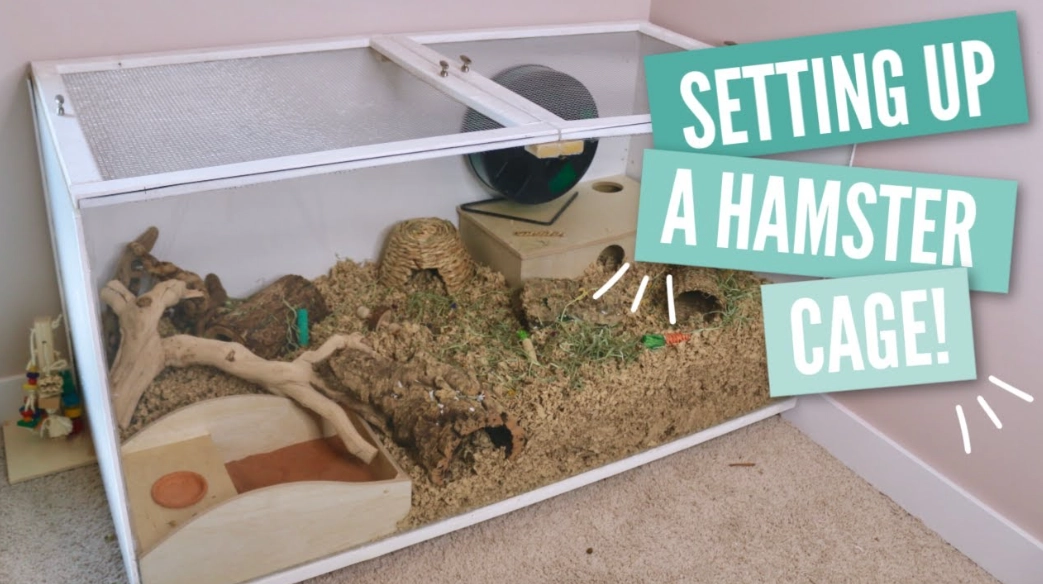
What's Inside This Guide?
The Foundation: Cage Size & Type (It's Probably Bigger Than You Think)
Let's start with the biggest mistake, the one I made with my first hamster, Whiskers. I bought the "starter kit" cage from the pet store. It was colorful, came with a wheel and a bottle, and looked spacious in the picture. In reality, it was a plastic tub about the size of a large shoebox. Whiskers paced, chewed the bars constantly, and seemed generally miserable. I learned later that the pet industry's minimums are often just that—bare minimums for survival, not for welfare.
The single most important factor in your habitat setup is floor space. Forget height for a moment (we'll get to that). Think about how far your pet can run in a straight line. For a Syrian hamster, the American Society for the Prevention of Cruelty to Animals (ASPCA) and other welfare bodies now recommend at least 450 square inches of continuous floor space (about 30" x 15"). For dwarfs, gerbils, and mice, aim for a minimum of 300-400 square inches. This allows for proper zoning: a sleeping area, a bathroom corner, a food stash, and open space for foraging and playing.
Cage types have pros and cons:
- Aquariums/Tanks: Great containment for bedding, excellent visibility, no bar chewing. Ventilation is key—you need a secure mesh lid.
- Wire Cages: Good airflow. Ensure bar spacing is narrow enough (1/4" for dwarfs, 1/2" for Syrians) to prevent escapes. They can be drafty and messy if bedding is kicked out.
- Plastic Modular Cages: Often sold as "modular habitats." They can be chewed through by determined rodents. Connections must be absolutely secure to prevent catastrophic escapes.
- Bin Cages: A popular DIY option. A large plastic storage bin with a large section of the lid replaced with wire mesh. Cost-effective and can be made very spacious, but requires careful construction.
My personal preference for most species is a tank or a well-ventilated bin cage. It allows for deep bedding, which is crucial for natural behaviors.
The Ground Layer: Substrate & Bedding (More Than Just Fluff)
Bedding is not just absorbent fluff. It's the soil of their world. It needs to be safe, comfortable, and allow for digging and tunneling. Avoid cedar and pine shavings unless they are explicitly labeled as kiln-dried. The aromatic phenols in untreated softwoods can cause serious respiratory and liver issues. Aspen shavings are a safe, affordable wood option.
But let's go beyond basic. A layered approach works wonders.
- Bottom Layer (Absorption): A thin layer of a paper-based pellet litter or aspen shavings. This soaks up moisture.
- Main Layer (Structure & Burrowing): This is the bulk. Use a soft paper-based bedding. I mix a standard paper bedding with orchard grass hay or shredded cardboard tubes. The hay adds structure, helping tunnels hold their shape. For gerbils and hamsters, aim for a depth of at least 6-8 inches on one side of the enclosure. Yes, that much. They are fossorial animals.
- Top Layer (Nesting): In their chosen sleep area, provide a big handful of unscented, dye-free paper strips or commercial nesting material like kapok fluff (safe alternative to cotton, which can tangle limbs).
| Bedding Material | Best For | Pros | Cons & Cautions |
|---|---|---|---|
| Aspen Shavings | General use, bottom layer | Absorbent, affordable, holds burrows decently | Can be dusty; not the softest for nesting |
| Paper-Based Bedding | Main burrowing layer, all species | Very soft, highly absorbent, low dust, excellent for tunneling | More expensive; can be less structured alone |
| Orchard Grass Hay | Mixing into bedding for structure | Edible, encourages foraging, great for tunnel integrity | Not absorbent on its own; can get moldy if wet |
| Hemp Bedding | Dust-sensitive pets, bottom layer | Highly absorbent, virtually dust-free, eco-friendly | Can be pricey; darker color makes spotting soiled areas harder |
| Corn Cob Bedding | Generally not recommended | -- | Prone to mold and fungal growth; poor absorbency; avoid |
Structure & Security: Hides, Platforms, and the "Ceiling"
Open space is stressful for prey animals. They need clutter. Think of it as furniture. Multiple hideouts are non-negotiable. At least one should be a fully enclosed, dark hide (like a wooden hut or ceramic jar) for deep sleep. Have others made of different materials (cork bark, coconut shell, cardboard boxes) placed in different areas.
Vertical space, when safe, adds valuable square footage. Use platforms, branches (applewood, kiln-dried pine), or ropes to create climbing opportunities. For mice and rats, this is essential. For hamsters, ensure any falls are minimal—they have poor eyesight and are clumsy climbers. Always place a deep layer of bedding under any high point.
One subtle error is placing all hides on the same level in the middle of the cage. Try placing one hide half-buried in the deep bedding, another on a platform, and a third connected to a tunnel system. This creates a more complex and engaging landscape.
Sustenance: Food & Water Stations That Encourage Foraging
Dumping a bowl of food in the corner is easy but boring. Scatter feeding is your best friend. Sprinkle their daily pellet/seed mix throughout the bedding, especially in the deep section. This forces them to hunt, dig, and work for their food—a core natural behavior that burns mental and physical energy.
Keep a small, heavy ceramic dish for fresh veggies or occasional treats to prevent spoilage on the bedding.
For water, a glass water bottle with a metal sipper tube is standard. Check it for leaks and clogs every single day. I've had bottles fail silently. Also, consider offering a shallow, heavy ceramic dish of water occasionally. Some animals prefer drinking from a bowl, and it's a more natural posture. Just be prepared to change it frequently as bedding gets kicked in.
The Fun Part: Enrichment & Toys (Preventing Boredom & Bar Chewing)
If your pet is chewing the cage bars relentlessly, it's not "being bad." It's screaming that its environment is inadequate. Bar chewing is a stereotypic behavior born of stress and frustration, often from a lack of space or things to do.
Enrichment is the cure. Rotate toys in and out every week or two to keep things novel.
- The Wheel: Non-negotiable. It must be solid-surfaced (no rungs or wire mesh that can trap feet) and large enough that your pet's back doesn't arch. For a Syrian hamster, a 10-12 inch wheel is ideal. For dwarfs, 8 inches minimum.
- Chews: Wooden blocks, loofahs, seagrass mats, Whimzees dental chews (for dogs, but rodent-safe). Their teeth never stop growing.
- Foraging Toys: Cardboard tubes stuffed with hay and treats, puzzle feeders, treat balls.
- Digging Box: In a corner, create a dedicated deep dig box using a different substrate, like reptile-safe sand (chinchilla dust is too fine and can cause respiratory issues) or coconut fiber. Gerbils and hamsters love this.
The goal is to create a habitat so interesting that your pet never even thinks about the bars of its cage.
Your Habitat Questions Answered
 How often should I completely clean out the entire cage?




Join the Conversation