You bring home a bright yellow canary, charmed by its song. You hope for a companion for many years. But then you hear a friend say theirs lived only four years, while another claims their bird celebrated a tenth birthday. What gives? The truth about canary lifespan isn't a single number. It's a story written by genetics, daily choices, and a handful of often-overlooked details that separate a short life from a remarkably long one. I've kept and bred canaries for over a decade, and I've seen the same mistakes shorten lifespans time and again. Let's cut through the generic advice and talk about what actually moves the needle.
What's Inside This Guide
The Realistic Canary Lifespan Range
Forget the "5-10 years" you see everywhere. That range is so broad it's almost useless. In a well-managed home environment, a pet canary typically lives between 7 and 12 years. I've personally had several reach the 11-year mark. Birds that hit 15 are exceptional, often the result of exceptional genetics and near-perfect care. On the flip side, lifespans under 5 years usually point to preventable issues—dietary deficiencies, chronic stress, or untreated illness.
Why the big spread? Think of it like car mileage. A canary from a strong genetic line (a reputable breeder is key) is like a well-built engine. But even the best engine fails early with the wrong fuel and no maintenance. Most lifespan discussions focus on the "engine," but I find the "maintenance"—the daily husbandry—is where most owners, even well-meaning ones, drop the ball.
The 5 Biggest Factors Influencing Lifespan
These aren't in any particular order because neglecting any one can be catastrophic. They work together.
1. Diet: It's Not Just About Seeds
The seed-only diet is the number one longevity killer. It's like feeding a child only crackers. Seeds are high in fat and lack crucial vitamins (especially A and D) and calcium. This leads to fatty liver disease, obesity, and fragile bones. A proper diet is a high-quality pellet base (about 60-70%), supplemented with a variety of fresh veggies (chopped dark leafy greens, sweet potato, broccoli) and a small amount of premium seed mix. Offering only seed because "it's all he'll eat" is a choice that will likely cost him years. Transitioning an older bird can be tough, but it's the most important thing you can do.
2. Environment & Stress
Canaries are prey animals. Chronic stress floods their system with cortisol, suppressing the immune system. Stressors include:
A cage that's too small: The absolute minimum for a single canary is 24" long x 16" wide x 18" high. Bigger is always better. They need flight space for exercise.
Poor placement: Kitchens (fumes from non-stick pans are lethal), drafty hallways, or in front of a blaring TV. They need a quiet, stable spot with natural light cycles but not direct sun all day.
Loneliness vs. Overcrowding: Canaries are often kept singly and can be fine, but they are social. A compatible companion can reduce stress. However, cramming multiple birds, especially males, into a small space creates constant conflict and stress.
3. Preventative Veterinary Care
Most canary owners never take their bird to an avian veterinarian. Birds hide illness until they are critically sick. An annual check-up with a vet who specializes in birds can catch problems early—parasites, early signs of liver or kidney issues, respiratory infections. Finding a good avian vet before you have an emergency is a non-negotiable part of responsible ownership. The Association of Avian Veterinarians website is a good starting point to find one.
4. Genetics and Source
Birds from large-scale pet mills are often bred with little regard for genetic health and may have underlying weaknesses. A bird from a dedicated breeder who selectively breeds for health and vigor has a much better starting point. It's the difference between adopting a puppy from a responsible breeder versus a puppy mill. The initial cost is higher, but you're investing in those extra years.
5. Exercise and Mental Stimulation
A bored, sedentary bird is an unhealthy bird. They need to fly. A spacious cage is step one. Safe, supervised time outside the cage in a bird-proofed room is even better. Provide different perches of varying diameters (natural wood, not just dowels) to keep their feet healthy. Rotate toys—not the loud plastic ones, but foraging toys, swings, and things they can shred. Mental engagement reduces stress-related behaviors like feather plucking.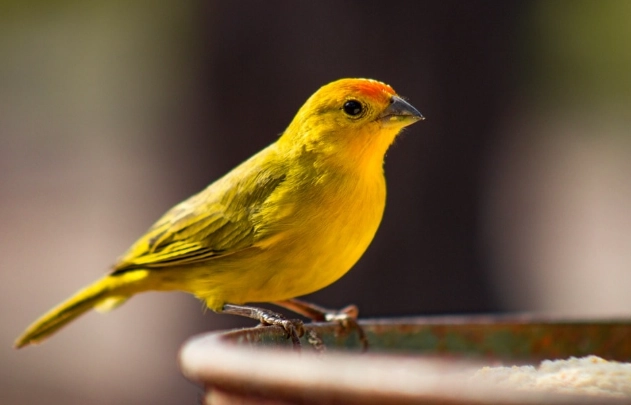
The Silent Killer Most Owners Miss: Air quality. Aerosol sprays, scented candles, non-stick cookware overheated (releasing PTFE fumes), and even strong household cleaners can cause rapid, fatal respiratory distress in canaries. Their respiratory systems are incredibly efficient and sensitive. If you wouldn't spray it near a baby, don't spray it near your bird.
Actionable Steps to Extend Your Canary's Life
Let's get practical. Here's a checklist you can start this week.
Upgrade the Food: Mix a high-quality pellet (like Harrison's or Roudybush) into the current seed. Gradually increase the pellet ratio over 4-8 weeks. Introduce one new green vegetable, finely chopped, every morning.
Audit the Cage: Measure it. If it's under the minimum, start planning for an upgrade. Add a natural branch perch today. Remove any sandpaper perch covers—they damage feet.
Schedule the Vet: Find an avian vet and book a wellness exam. It's a baseline. Bring a fresh droppings sample.
Create a Safe Zone: Identify one room where you can let the bird out for 30+ minutes daily. Close windows/blinds, turn off fans, ensure other pets are absent.
Observe: Spend 10 minutes just watching your bird at rest. Learn its normal posture, breathing rate, and droppings. Any change is your first clue something's wrong.
Lifespan by Canary Type: Breed Matters
Not all canaries are created equal. The common "American Singer" or mixed-type pet shop canary is generally quite hardy. But some specialized breeds, often bred intensely for specific traits like exaggerated posture or frilled feathers, can have shorter average lifespans due to the genetic bottleneck required to create them.
| Canary Type | Primary Trait | Typical Lifespan Range | Notes |
|---|---|---|---|
| Border Fancy | Shape & Posture | 8-12 years | Robust, popular show bird. Generally good longevity. |
| Gloster Fancy (Corona/Crested) | Crested Head | 7-10 years | Crested birds can sometimes have skull deformities. Choose a breeder carefully. |
| Norwich | Large, Stocky Build | 7-11 years | Can be prone to obesity. Diet management is critical. |
| Roller Canary | Specific Soft Song | 9-13 years | Often cited as one of the longer-lived types. Bred less for looks, more for song. |
| Red Factor Canary | Red Coloration | 6-10 years | Requires color-feeding (special dyes in food) to maintain red, which is an added variable. |
Health Issues That Shorten a Canary's Life
Knowing the enemies helps you fight them.
Fatty Liver Disease (Hepatic Lipidosis): The direct result of a high-fat, all-seed diet. The liver fails. Symptoms include a black-tipped overgrown beak, lethargy, and a swollen abdomen. Preventable with proper diet.
Air Sac Mites: A common parasite causing a clicking sound when breathing, tail-bobbing, and open-mouth breathing. Easily treated if caught early by a vet (Ivermectin), but fatal if left unchecked.
Egg Binding (in Hens): A life-threatening condition where a female cannot pass an egg. Caused by calcium deficiency, obesity, or poor breeding genetics. Requires immediate vet intervention.
Trauma: Flying into windows/fans/ceilings, being stepped on, or attacked by other pets. Almost always preventable with proper housing and supervision.
Your Canary Lifespan Questions Answered
The journey to a long canary lifespan is built on a foundation of informed, consistent care. It's less about a magic trick and more about diligent stewardship. Start with the diet, think about the environment from a bird's perspective, and partner with a good vet. Your reward won't just be a number of years, but a bird that remains vibrant, active, and full of song throughout its long life.





Join the Conversation