Inside This Article
- What the Numbers Actually Say (Spoiler: It's Complicated)
- The Make-or-Break Factors That Dictate Your Odds
- A Realistic, Step-by-Step Method (If You Still Want to Try)
- Why Does It Fail So Often? The Feline Psychology of It All
- Common Questions (And Straight Answers)
- So, What Are the Better Alternatives?
- The Final Verdict: Is It Worth It?
Let's be honest right from the start. You saw that funny video, right? The one where the fluffy cat casually hops onto the toilet, does its business, and even paws at the flush lever. It looks like magic. It looks like the ultimate solution to never scooping litter again. And so you start searching, and you land on the big question: what is the actual success rate of toilet training cats? Is it even possible, or is it just internet fantasy?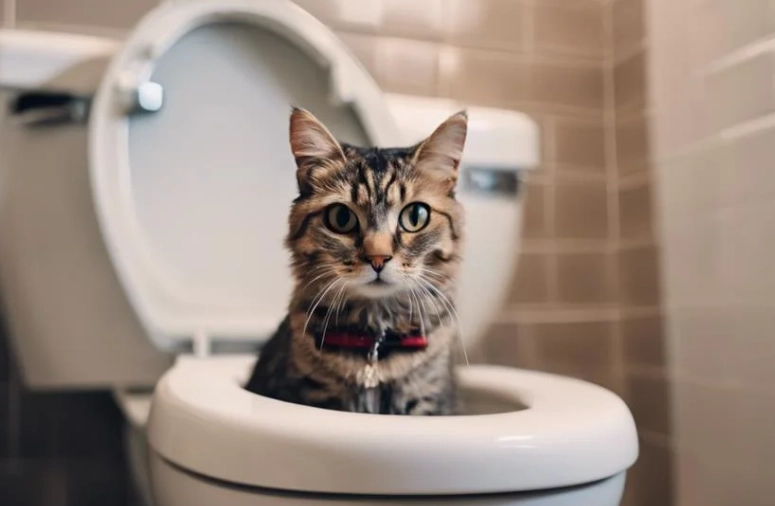
I've been there. I tried it with my own cat, Mochi, a few years back. Let's just say the experiment ended with a very damp bathroom rug and a cat who looked at me with profound disappointment. It wasn't a total failure, but it taught me a lot about the gap between the dream and the reality.
The short, somewhat brutal answer is that the overall success rate for toilet training cats isn't as high as the kitty toilet seat manufacturers might want you to believe. We're not talking about a 90% guarantee. Far from it. But that doesn't mean it's impossible. It just means you need to go in with your eyes wide open, understanding the odds, the reasons behind them, and whether your specific cat is even a good candidate. This whole endeavor is less about training and more about convincing—convincing an animal with millions of years of evolutionary instinct to bury its waste to instead balance on a porcelain ring over water.
What the Numbers Actually Say (Spoiler: It's Complicated)
You won't find a giant, peer-reviewed scientific study that gives you one neat percentage. Why? Because "success" is subjective. Does success mean the cat uses the toilet 100% of the time for the rest of its life? Or is it okay if they use it 80% of the time and still occasionally hit the litter box? Most of the data comes from anecdotal reports, pet forums, and the experiences of trainers and behaviorists.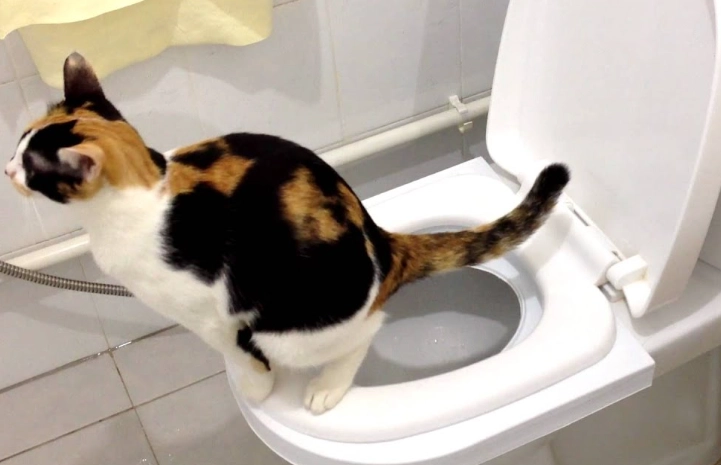
Piecing it all together, a realistic estimate for full, long-term success in toilet training cats hovers somewhere between 30% and 50%. Some experienced trainers might quote the lower end, while optimistic pet owners who made it work might claim the higher end.
But that 30-50% figure is almost meaningless without context. It's like saying the success rate of planting a garden is 50%—it completely depends on the soil, the climate, the seeds you choose, and how much effort you put in. The success rate of toilet training cats is wildly dependent on a handful of critical factors that stack the odds for or against you.
The Make-or-Break Factors That Dictate Your Odds
This is where we get to the heart of it. Your cat isn't a statistic. Your home isn't a lab. Your personal cat toilet training success rate will be determined by a few key things.
1. Your Cat's Personality and Age (The Biggest One)
This is the non-negotiable. You cannot change your cat's fundamental nature.
- The Confident, Adaptable Adventurer: This is your ideal candidate. A cat that is curious, not easily spooked, and confident in new situations. They might follow you into the bathroom already. They're the ones most likely to view the toilet as a novel challenge rather than a terrifying threat. Younger cats (between 6 months and 2 years) often fall into this category more easily than older, set-in-their-ways felines.
- The Anxious or Skittish Soul: If your cat runs and hides at the sound of the doorbell, toilet training is likely a path to stress—for both of you. The instability of the seat, the sound of the water, the entire process will likely trigger their anxiety, leading to avoidance behaviors (like peeing on your bed).
- The Senior Citizen: Older cats, especially those with arthritis or declining mobility, find balancing on a toilet seat difficult and painful. Asking them to do so is unfair and can lead to accidents or a refusal to eliminate at all, which is dangerous for their health. The American Association of Feline Practitioners (AAFP) emphasizes the importance of considering a senior cat's physical comfort and mobility in all aspects of their care, including elimination habits.
I learned this the hard way. Mochi is moderately confident, but she has a very low tolerance for things she deems "unstable." The moment the training seat wobbled slightly, her trust in the whole system evaporated.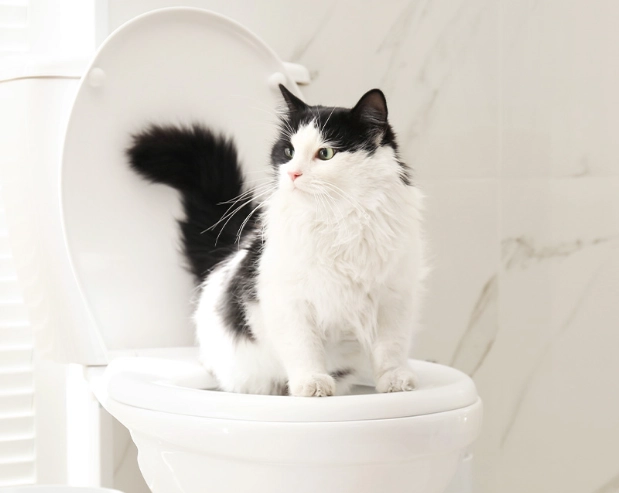
2. Your Patience and Consistency (The Human Factor)
This isn't a weekend project. A proper toilet training process can take two to six months, sometimes longer. It involves gradual, incremental steps. If you travel frequently, have an unpredictable schedule, or simply lack the patience to move a litter box an inch a day for weeks, your success rate for toilet training your cat plummets to near zero.
You have to be more consistent than the cat is stubborn. Missing steps, rushing the process, or getting frustrated and scolding the cat are all recipes for failure. It's a marathon of gentle encouragement.
3. Your Home Layout and Bathroom Dynamics
Is your bathroom a quiet, low-traffic sanctuary? Or is it a busy hallway where people are constantly in and out, with the shower running and hair dryers blasting? Cats need to feel safe and undisturbed when they eliminate. A chaotic bathroom environment is a major deterrent.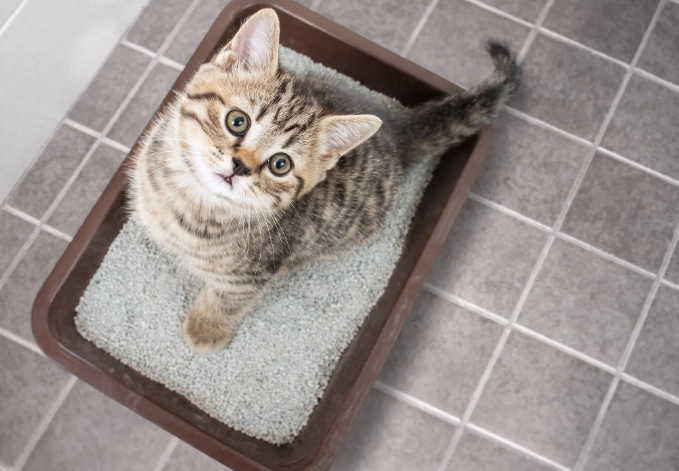
Also, consider other pets. A dog that barges into the bathroom or another cat that blocks the doorway can create a sense of vulnerability that makes the toilet an unsafe option.
A Realistic, Step-by-Step Method (If You Still Want to Try)
Okay, so you've assessed your cat and you think you might be in that 30-50% bracket. You're ready to try. Here's a method that maximizes your chances, moving at a pace your cat sets.
Phase 1: The Great Migration (Weeks 1-2)
Start with a regular litter box right next to the toilet. Let your cat use it there for a few days until they're completely comfortable with the new location. The goal here is to associate the *location* with elimination, before we change the *equipment*.
Phase 2: Rising Up (Weeks 2-5)
This is the slow, crucial part. Start elevating the litter box. Use stable, non-slip platforms (books, sturdy boxes). Raise it an inch or two every few days. The goal is to get the box to the exact height of the toilet seat. If your cat balks at any increase, go back down a level and stay there for longer before trying again. Rushing this phase is the most common mistake.
Phase 3: The Switch and the Hole (Weeks 5-8+)
Once the box is at toilet seat height, it's time for the specialized training seat. Place it on the toilet (lid down) with a small, shallow pan of litter on top of it. Let your cat get used to stepping onto this new contraption.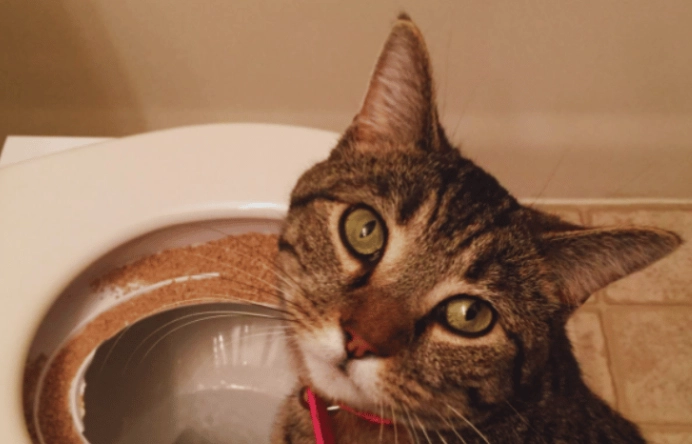
After they're comfortable, start mixing flushable litter or a litter alternative into their regular litter. Then, the scary part: cut a small hole in the center of the litter pan sitting on the training seat. Each week, make the hole a little bigger while using less and less litter. The idea is to transition them from a solid surface to a ring with a hole, and finally to just the ring over the water.
Phase 4: Going Solo (Months 3+)
When your cat is consistently using the training seat with just the ring (and the hole is essentially the entire center), you can try removing the training seat altogether. Some cats transition fine; others prefer to keep the seat for stability. This is where you might hit your final plateau. Some cats will always want that little bit of plastic under their feet.
Why Does It Fail So Often? The Feline Psychology of It All
To understand the modest success rate of toilet training cats, you have to understand what you're asking them to overcome.
Cats are hardwired to dig, eliminate, and cover their waste. This serves multiple purposes: it hides their scent from predators and rivals, it marks territory in a specific way, and it creates a clean space. The litter box satisfies these instincts perfectly. The toilet satisfies none of them.
- No Digging: They can't perform their natural scratching and covering ritual.
- Unstable Perch: Even the best training seat has some give. Cats prefer solid, stable ground for this vulnerable act.
- Water Anxiety: The sight and sound of water below is unnatural and can be frightening. Some cats also don't like the splash-back.
- No Scent Marking: Their waste disappears immediately, which can be confusing from a territorial communication standpoint.
You're essentially asking a cat to ignore deep-seated instincts for human convenience. That's a big ask. Organizations like the International Association of Animal Behavior Consultants (IAABC) often discuss the importance of working with an animal's natural behaviors rather than against them for successful long-term training outcomes.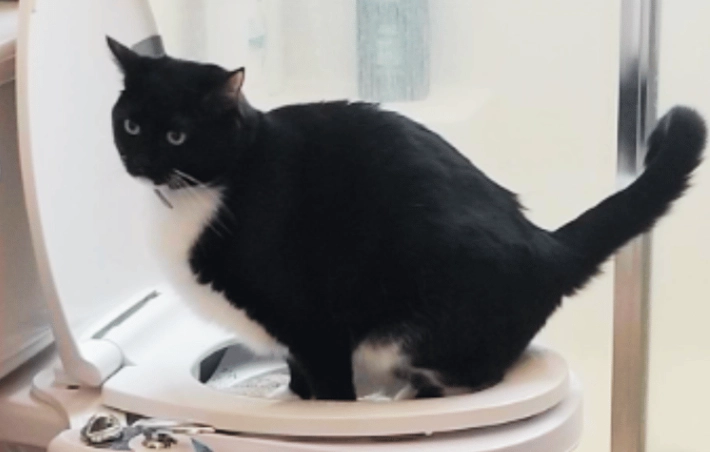
Common Questions (And Straight Answers)
So, What Are the Better Alternatives?
If the dicey success rate for toilet training cats has you second-guessing, consider these often-better solutions that address the real problem (litter box hassle) without fighting feline nature.
| Alternative | What It Is | Pros | Cons |
|---|---|---|---|
| Top-Entry Litter Boxes | A box with a lid on top, cat jumps in through a hole. | Contains litter scatter dramatically, offers privacy, feels secure for cats. | Not suitable for elderly or mobility-impaired cats. |
| High-Quality, Low-Tracking Litter | Investing in a premium, pellet or large-crystal litter. | Minimal dust, doesn't stick to paws, often better odor control. | Can be more expensive, some cats dislike the texture. |
| Self-Cleaning Litter Boxes | Automatic boxes that rake or sift waste into a sealed compartment after use. | Dramatically reduces daily scooping, consistent cleanliness. | Expensive, can scare some cats, requires maintenance and specific litter. |
| More Frequent Scooping & Larger Boxes | The simplest, most overlooked fix. A bigger box (1.5x cat's length) scooped 2x daily. | Cheap, highly appealing to cats, prevents most aversion issues. | Requires a bit more daily time and commitment. |
Sometimes the best way to improve your cat toilet training success rate is to not play the game at all and opt for a superior litter box setup instead.
The Final Verdict: Is It Worth It?
Look, it can work. For the right cat with the right human in the right home, achieving a good success rate in toilet training their cat is possible. It's a neat trick. It saves on litter costs.
But after my experience and talking to countless other cat owners, I've come to believe it's a solution in search of a problem for most people. The risk of creating a major behavioral problem is real and serious. The time investment is enormous. And in the end, you might just end up with a cat who uses the toilet sometimes, and a litter box other times, which isn't the liberation you envisioned.
My advice? Before you buy a training seat, invest that effort into perfecting your litter box situation. Get the biggest box you can fit, find a litter your cat loves, and scoop it religiously. The happiness and reliability you'll get from that are almost guaranteed—a much higher success rate than what toilet training can promise.
If you still want to try, go for it. Just do it with realistic expectations. Watch your cat more than the instructions. Be prepared to abandon the mission at the first sign of stress, for their sake. The true measure of success isn't a cat on a toilet; it's a cat who is happy, healthy, and consistent in its habits, wherever those habits may be.



Join the Conversation