You see them in pet stores, all fluffy and curious in their little enclosures. Hamsters on wheels, rabbits twitching their noses, guinea pigs softly wheeking. The idea of bringing home a small mammal seems simple, manageable, and undeniably charming. I thought so too, twenty years ago when I got my first Syrian hamster, Mr. Nibbles. That experience, and many since, taught me that these creatures are complex, sensitive beings with needs far beyond a tiny cage and a bag of food. This guide isn't just a list of facts. It's a reality check and a roadmap from someone who's cleaned countless habitats, navigated midnight vet visits, and learned that the smallest pets often leave the biggest paw prints on your heart.
Your Quick Guide to Small Mammal Companionship
- Why Small Mammals Make Great (and Not-So-Great) Pets
- Meet the Contenders: A Breakdown of Popular Species
- How to Choose Your Small Mammal Companion
- Setting Up the Perfect Habitat: Beyond the Pet Store Kit
- The Daily and Weekly Care Routine
- Spotting Trouble: Common Health Issues You Must Know
- Your Small Mammal Questions, Answered Honestly
Why Small Mammals Make Great (and Not-So-Great) Pets
Let's cut to the chase. Small mammals are fantastic for many lifestyles, but they're a disaster for others. The biggest misconception is that they are "starter pets" or "low-maintenance." That's a fast track to an unhappy animal and a disappointed owner.
Their advantages are real. They generally require less space than a dog or cat. Their upfront costs are often lower. For apartment dwellers or those with busy schedules (to a point), they can be a perfect fit. The interaction is different—more observational, quieter. Watching a rat solve a puzzle or a rabbit flop over in contentment is deeply rewarding. Many species are crepuscular or nocturnal, active in the evenings when you're home from work.
But here's the non-consensus part everyone glosses over: their size is their greatest vulnerability. A small body means illnesses progress with terrifying speed. A slight change in eating or bathroom habits can signal a critical problem within hours, not days. Their lifespans are short—2-8 years typically. You are committing to a beloved companion whose time with you will be brief, which is an emotional reality many aren't prepared for. They are also masters at hiding pain (a prey animal instinct), so you have to be a detective, not just an owner.
Meet the Contenders: A Breakdown of Popular Species
Not all small furballs are the same. Picking one because it's cute is like marrying someone for their hair color. You need to match lifestyles. Below is a blunt comparison based on two decades of experience and data from sources like the American Society for the Prevention of Cruelty to Animals (ASPCA) and the Royal Society for the Prevention of Cruelty to Animals (RSPCA) care guides.
| Species | Lifespan | Social Needs | Activity Time | Key Care Requirement Most People Miss | Best For |
|---|---|---|---|---|---|
| Syrian Hamster | 2-3 years | Strictly solitary. Will fight to the death if housed together. | Nocturnal | An enormous amount of floor space (minimum 100cm x 50cm cage), not just height. Deep bedding for burrowing. | Adults or older teens who want to observe evening activity. Not for young children. |
| Dwarf Hamster (Robo, Winter White) | 1.5-2.5 years | Can sometimes live in same-sex pairs if introduced young, but risky. | Nocturnal/Crepuscular | Extremely fast and skittish. Need a secure, escape-proof habitat with a sand bath. | Observational pet owners. Not for handling-focused interaction. |
| Guinea Pig | 5-8 years | Must have at least one same-species companion. They get profoundly lonely. | Diurnal (day active) | Unlimited grass hay (Timothy or Orchard) 24/7 for digestion and tooth wear. Vitamin C supplementation daily. | Families, first-time owners willing to commit to a pair. Great for gentle interaction. |
| Rabbit | 8-12 years | Highly social, best kept in neutered male/female pairs. | Crepuscular | Not a cage animal. Needs a large, puppy-pen style enclosure or free-roam time in a rabbit-proofed room. Litter training is possible. | Dedicated owners treating them like a small, hoppy cat. A 10-year+ commitment. |
| Rat | 2-3 years | Must have at least one same-sex companion. Highly intelligent and social. | Mostly nocturnal, but adapt to owner's schedule. | Prone to respiratory infections. Need a large, well-ventilated wire cage (not a tank) and frequent out-of-cage playtime. | Someone wanting a highly interactive, trainable "pocket dog." Can handle the short lifespan. |
| Mouse | 1-2 years | Females can live in groups; males are often territorial. | Nocturnal | Produce very distinct odors. Require meticulous cage cleaning and excellent ventilation. | Observational keepers. Their agility and social interactions are fascinating to watch. |
See that column "Key Care Requirement Most People Miss"? That's where most first-time owners fail. The commercial pet store "starter kit" for a hamster is a cruel joke—it's like living in a bathroom. The belief that a single guinea pig is happy alone is animal welfare ignorance.
How to Choose Your Small Mammal Companion
Forget the impulse buy. Ask yourself these questions with brutal honesty.
- Time of Day: Are you home and alert in the evenings? A nocturnal hamster might work. Are you a daytime person? A guinea pig or rabbit is better.
- Handling Desire: Do you want to cuddle and interact? Rats and guinea pigs excel. Do you prefer watching intricate behaviors? Dwarf hamsters and mice are your pick.
- Budget Reality: The animal is the cheapest part. Factor in: a proper-sized enclosure ($100-$300), recurring costs for high-quality food/bedding/hay ($50/month), and an emergency vet fund ($200-$500). Exotic vets are more expensive.
- Space: Where will the habitat live? Not just the cage size, but the room for a playpen. Rabbits need a space the size of a small bedroom to run.
- Household: Young children? Gentle guinea pigs are better than fragile hamsters. Other pets? The sight/smell of a predator (cat/dog) can cause chronic, lethal stress.
My personal rule: If your primary reason for wanting a small mammal is "it's easy," please get a stuffed animal instead.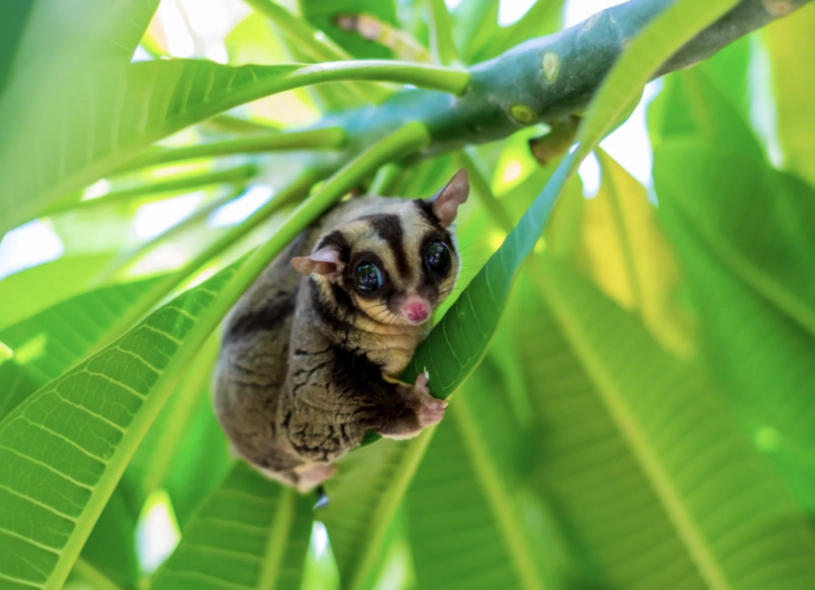
Setting Up the Perfect Habitat: Beyond the Pet Store Kit
This is where you get it right from day one. The pet store sells cages for human convenience, not animal welfare.
The Non-Negotiable Habitat Components
Enclosure Size: Bigger is never worse. The German animal welfare standard for a single Syrian hamster is 100cm x 50cm of continuous floor space. Use that as a mental benchmark. For guinea pigs, the Humane Society of the United States recommends at least 7.5 square feet for one, but 10.5 square feet for two is the ethical minimum. Use C&C (cube and coroplast) grids to build a custom, affordable space.
Bedding/Substrate: Avoid cedar and pine shavings—the phenols can cause liver and respiratory damage. Aspen shavings, paper-based bedding, or hemp are safer. For rabbits and guinea pigs, use absorbent bedding under hay in litter areas.
Hideouts & Security: Multiple enclosed hides are essential. They are prey animals; they need to feel invisible. A ceramic hide, a cardboard box, a PVC pipe.
Enrichment: This isn't optional. It prevents stereotypic behaviors (bar biting, over-grooming). Foraging toys, tunnels, platforms, chew toys (apple wood, loofah), a solid exercise wheel (large enough for a straight back—8+ inches for Syrians).
The Daily and Weekly Care Routine
Consistency is everything.
Daily: Fresh water (in a bottle and a heavy ceramic bowl), replenish hay (for herbivores), offer fresh veggies (e.g., romaine, bell pepper for guinea pigs/rabbits), spot clean soiled bedding, and have a brief social interaction (talking, offering a treat).
Weekly: Full cage clean. But here's a mistake: don't strip it bare and scrub with harsh chemicals. It destroys their scent map and causes stress. Replace 1/2 to 2/3 of the bedding, leaving some clean, old bedding. Scrub with vinegar/water solution. Wash hides and toys.
Diet Specifics: This is a major pain point. Hamsters and rats need a species-specific lab block as their staple (not a seed mix, which leads to selective eating and malnutrition). Guinea pigs and rabbits need 80% grass hay, fresh veggies, and limited pellets. The University of California, Davis, School of Veterinary Medicine has excellent resources on rabbit and rodent nutrition that debunk common myths.
Spotting Trouble: Common Health Issues You Must Know
You are their early warning system. Know these signs:
Wet Tail (Hamsters): Not just a wet tail, but severe diarrhea, lethargy, a hunched posture. It's often fatal within 48 hours and requires immediate exotic vet care. Stress is a huge trigger.
Respiratory Infections (Rats, Rabbits): Sneezing, porphyrin (red crust around eyes/nose in rats), labored breathing, wheezing. Often caused by ammonia from dirty bedding or poor ventilation.
Dental Problems (All, especially Rabbits & Guinea Pigs): Overgrown teeth if not worn down by constant chewing on hay. Signs are drooling, weight loss, dropping food. This is a critical emergency.
GI Stasis (Rabbits, Guinea Pigs): The gut stops moving. They stop eating and pooping. Lethargic, hunched. This can kill a rabbit in less than 24 hours. Requires vet intervention for motility drugs and fluids.
Find an exotic veterinarian before you get your pet. Not all vets see "pocket pets." Have their number saved.
Your Small Mammal Questions, Answered Honestly
 Why does my small mammal bite me when I try to pick it up?



Join the Conversation