What You'll Find in This Guide
Let's cut to the chase: a hamster enclosure isn't just a cage—it's their whole world. Get it wrong, and you'll have a stressed, unhealthy pet. I learned this the hard way when my first hamster, Whiskers, started chewing bars relentlessly because his cage was bare and boring. After years of keeping hamsters and consulting with vets, I've nailed down exactly what they need. This guide covers everything from the basics to the subtle details most blogs miss.
The Non-Negotiables: Essential Items for Every Hamster Cage
Skip any of these, and you're setting your hamster up for failure. Think of it as a survival kit.
Bedding: More Than Just Fluff
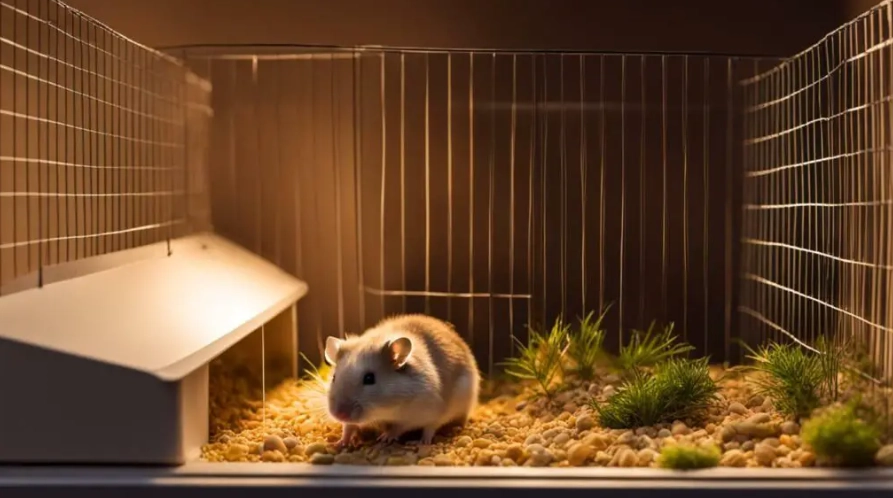
Bedding isn't just for absorbing pee. It's for burrowing, nesting, and mental health. Hamsters are natural diggers—in the wild, they create elaborate tunnels. In captivity, deep bedding mimics this.
My go-to choices: Paper-based bedding (like Carefresh) or aspen shavings. Both are dust-free and safe. Avoid cedar or pine like the plague. I made that mistake early on; the strong smell from pine gave my hamster sneezing fits. Vets warn that phenols in these woods can damage their liver over time.
How much? At least 6 inches deep. For Syrian hamsters, go for 8-10 inches. A shallow layer leads to stress behaviors like bar-biting.
Food and Water: Keeping Your Hamster Fed and Hydrated
Food bowls should be heavy ceramic—plastic ones get tossed around. Size? A small dish about 2-3 inches wide works. For water, use a glass or plastic bottle with a metal spout. Check for leaks daily; I've woken up to soggy bedding because a bottle dripped.
Diet matters too. A high-quality hamster mix (look for brands like Oxbow or Higgins) with seeds, grains, and pellets. Supplement with fresh veggies like carrots or broccoli, but sparingly—too much causes diarrhea.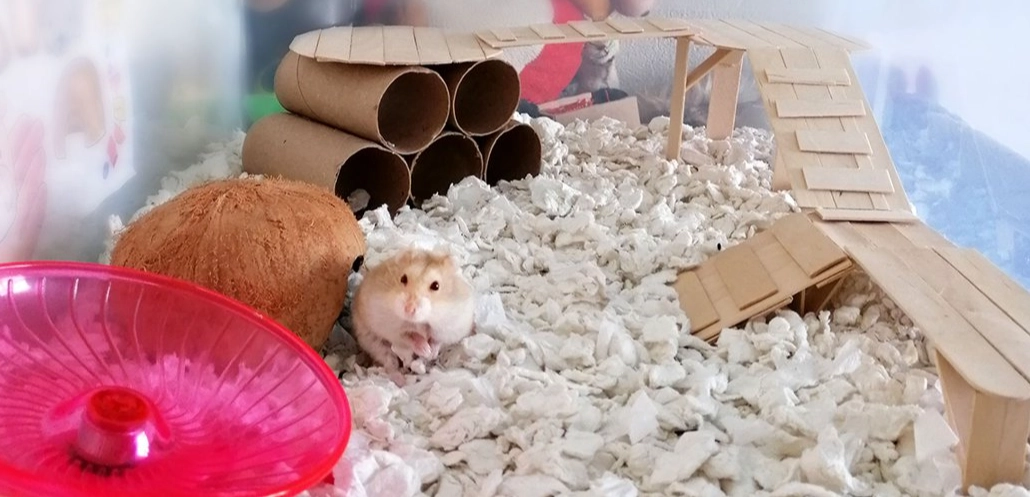
Here's a quick table comparing bedding types:
| Bedding Type | Pros | Cons | Best For |
|---|---|---|---|
| Paper-based | Dust-free, soft, good for burrowing | Can be pricey, may hold odor | All hamsters, especially dwarfs |
| Aspen Shavings | Affordable, absorbent, safe | Less cozy for nesting | Syrian hamsters |
| Cedar/Pine | Cheap, aromatic | Toxic phenols, respiratory risks | Avoid completely |
| Hemp or Hay | Natural, good for chewing | Can be dusty, not great alone | Mixing with paper bedding |
Enrichment Essentials: Preventing Boredom and Stress
Bored hamsters are destructive hamsters. They'll chew bars, over-groom, or become lethargic. Enrichment isn't optional—it's a health requirement.
Exercise Wheels: Size Matters
This is huge. A wheel that's too small causes spinal curvature. For Syrians, minimum 12-inch diameter; dwarfs need 8 inches. Silent wheels are worth the investment. The cheap wired ones? They can trap feet and cause injuries.
I tested a few brands. Kaytee Silent Spinner works well, but some hamsters prefer solid surfaces like the Wodent Wheel. Observe your pet—if they avoid it, try a different type.
Toys and Chews: Mental Stimulation
Toys aren't just cute; they wear down constantly growing teeth. Wooden chews (applewood is safe), cardboard tubes, and hideouts are essential.
Avoid plastic toys with small holes—hamsters can get stuck. I once found a hamster wedged in a plastic ball, scared but okay. Stick to natural materials.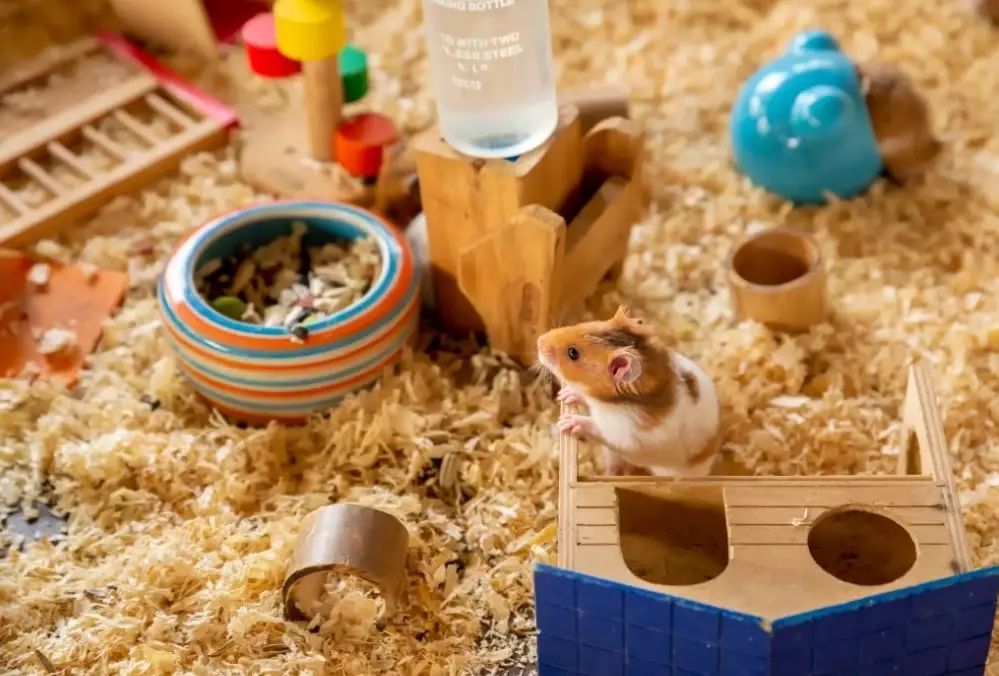
Rotate toys weekly to keep things fresh. A bored hamster will ignore the same chew for days.
Common Mistakes to Avoid When Setting Up a Hamster Enclosure
Most guides list what to do, but here's what not to do—based on my blunders and vet advice.
Mistake 1: Skimping on space. The pet store sells tiny cages, but hamsters need room. Minimum floor space for Syrians is 450 square inches, but aim for 600+ for happiness. Dwarfs need at least 360 square inches. A cramped cage leads to stress and obesity.
Mistake 2: Using fluffy bedding. That cotton-like fluff? It can wrap around limbs and cause cuts or block intestines if ingested. Stick to paper or aspen.
Mistake 3: Over-cleaning. Hamsters rely on scent markers. Cleaning everything weekly stresses them out. Spot-clean daily, full clean every 2-3 weeks, and leave some old bedding behind.
Mistake 4: Ignoring ventilation. Glass tanks without mesh lids trap ammonia from urine. If you use a tank, add a wire top. Plastic bins need air holes drilled—small enough to prevent escapes.
These mistakes are why many hamsters die prematurely. I've seen it in online forums—people wondering why their hamster is lethargic, and it often traces back to enclosure setup.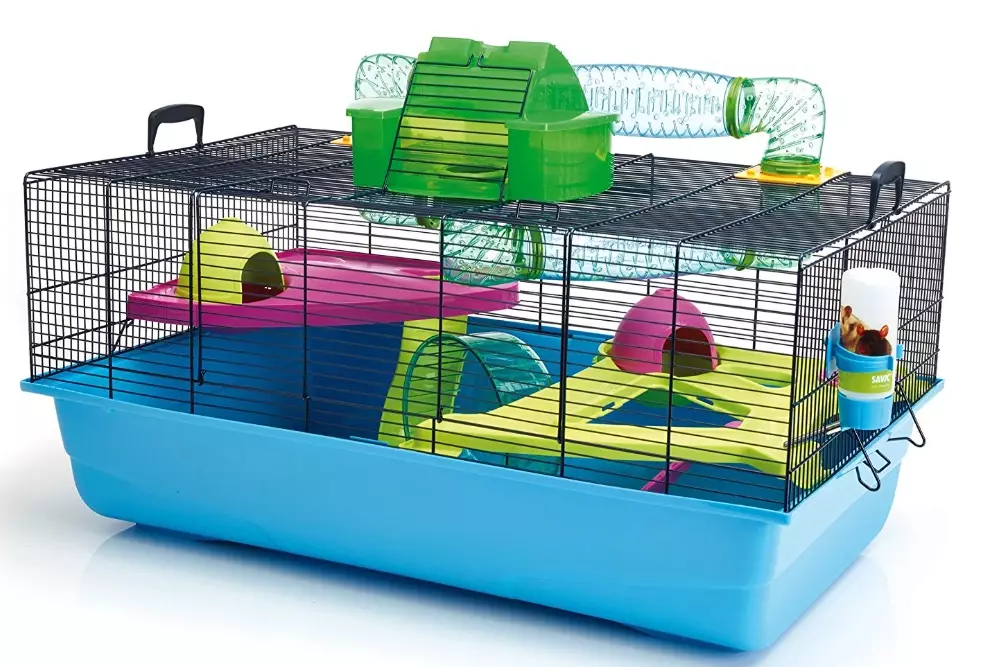
Step-by-Step Guide to Setting Up Your Hamster's Home
Let's walk through setting up a cage from scratch. Assume you have a Syrian hamster and a 40-gallon tank or a large bin cage.
Step 1: Choose the enclosure. Go for something with horizontal space. Bin cages are cheap and customizable—get a 110-quart storage bin, drill holes, and add a mesh top. Tanks work but are heavier.
Step 2: Add bedding. Pour in 6-8 inches of paper bedding. Compact it slightly for burrowing stability.
Step 3: Place essentials. Put the food bowl in a corner, away from where they sleep. Attach the water bottle to the side—test it by tapping the ball bearing to ensure flow.
Step 4: Add enrichment. Position the wheel centrally, ensuring it spins freely. Scatter chew toys and hideouts. Include multiple hideouts—one for sleeping, one for nesting.
Step 5: Final touches. Add a sand bath for dwarfs (use reptile sand without additives). For Syrians, a small dish of chinchilla sand helps with fur cleaning. Avoid dust baths—they can cause respiratory issues.
Here's a hypothetical scenario: You bring home a new hamster. Set up the cage before they arrive. Let them explore quietly for a day without handling. This reduces stress and helps them acclimate.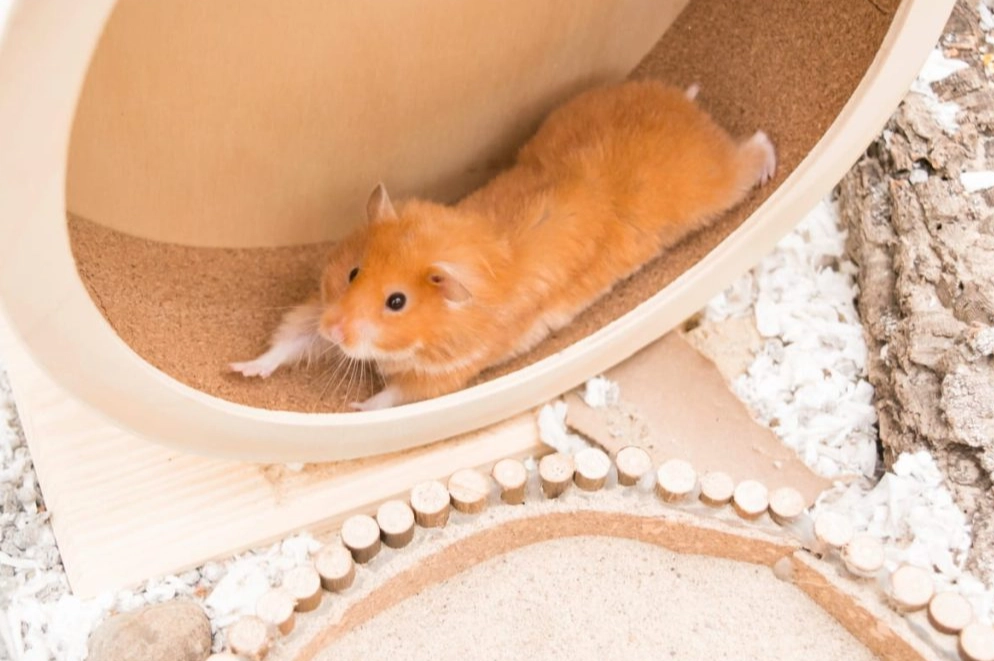
FAQ: Your Hamster Enclosure Questions Answered
Wrapping up, remember that a hamster's enclosure is their sanctuary. It's not about stuffing it with items but providing a balanced, stimulating environment. Start with the essentials, add enrichment, and avoid common pitfalls. Your hamster will thank you with happy chirps and active nights.
For more authoritative info, check out resources like the ASPCA's small pet care guidelines or the Humane Society's recommendations—they emphasize space and safety, which aligns with what I've shared here.



Join the Conversation