Let's be honest. The tiny, colorful cages sold at most pet stores are a disaster for guinea pigs. I learned this the hard way years ago, watching my first pair of pigs, Biscuit and Gravy, pace in their cramped plastic tub. The official recommendations have changed drastically, but store shelves haven't caught up. Choosing the right cage isn't about aesthetics; it's the single most important factor for your guinea pig's physical health and mental well-being. This guide cuts through the marketing and lays out what you actually need, based on modern welfare standards from organizations like the Guinea Pig Welfare and years of collective owner experience.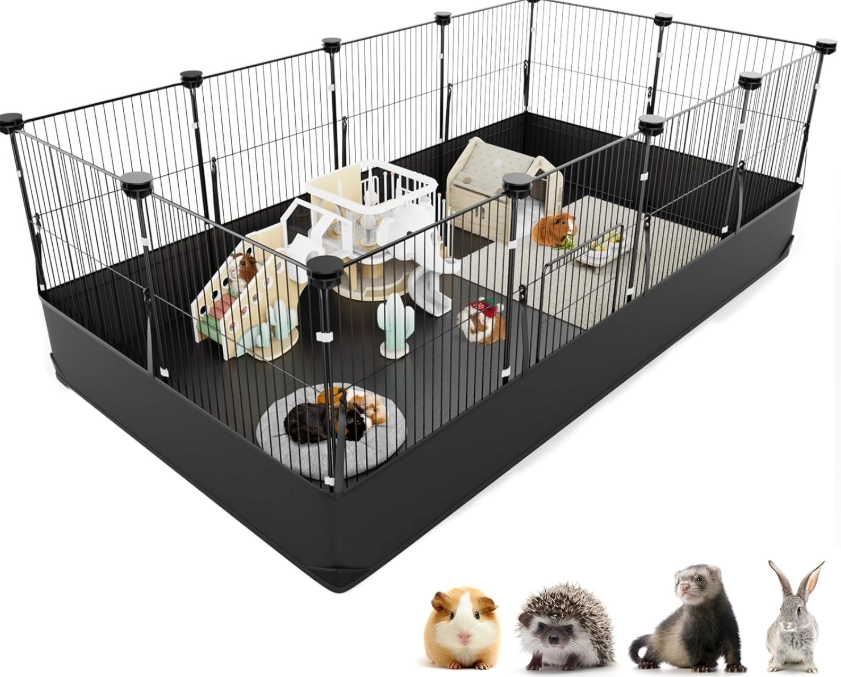
What's Inside This Guide?
Why Cage Size is Everything (And Pet Stores Get It Wrong)
The biggest myth is that a guinea pig just needs a box to sleep and eat in. In reality, they are active, social animals that need space to run full-tilt laps (popcorning), explore, and have separate areas for sleeping, eating, and bathroom habits. A small cage leads to obesity, boredom, depression, and even conflict between cage mates.
The minimum size you'll see quoted everywhere is 7.5 square feet for one guinea pig, and 10.5 square feet for two. Let's be clear: these are absolute minimums, like the smallest studio apartment you could legally rent. More space is always better. For a pair, I wouldn't go below 12 square feet. A trio needs 13+ square feet.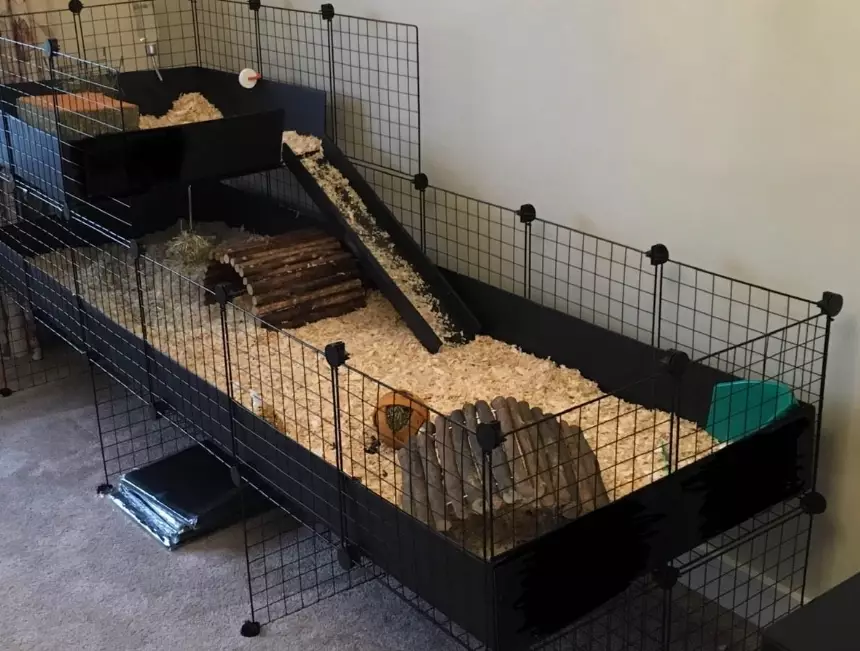
Here's the pet store trap: they sell cages labeled "Guinea Pig Habitat" that are often 3-4 square feet. They are useless. Don't buy them, even as a "starter" home. You'll be upgrading within a week.
The Height Factor and Multi-Levels
Guinea pigs are not natural climbers like rats or mice. They have rigid spines and can be injured from falls. Adding a second level does not count toward the main floor square footage requirement unless the ramp is very gentle (no steeper than a 20-degree incline) and the upper level is fully enclosed and large enough for them to turn around comfortably. The primary living space must be on the single, largest level.
Choosing Your Cage: A Side-by-Side Comparison
You have three main paths. Each has pros and cons that matter depending on your space, budget, and DIY willingness.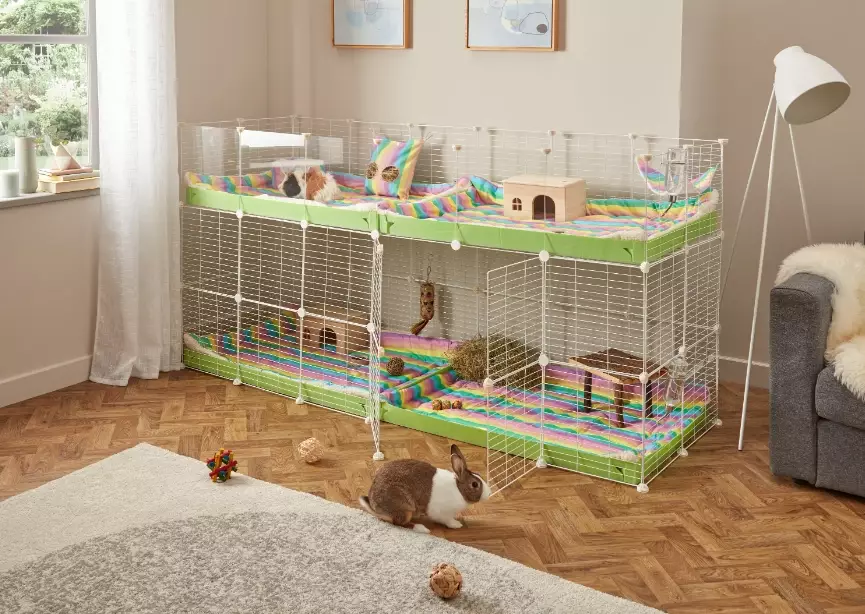
| Type | Best For | Pros | Cons & Considerations |
|---|---|---|---|
| C&C (Cubes & Coroplast) Cage | Most owners seeking value, customization, and size. | Highly customizable to any size/shape. Excellent ventilation. Cost-effective for large spaces. Easy to clean with a coroplast base. | Requires assembly. Not inherently portable. You need to source grids (safe spacing: 1.5" or less) and coroplast. |
| Commercial Large Cage (e.g., Midwest Habitat, Living World) | Beginners who want a ready-made, adequate solution. | No assembly beyond simple setup. Portable (often folds). Includes a waterproof bottom. Meets minimum size standards. | More expensive per square foot than DIY. Limited size/shape options. Plastic bottoms can be chewed over time. |
| Custom Built / Modified Furniture | Handy owners with specific space constraints or aesthetic goals. | Can be a stunning piece of furniture. Maximizes weird room layouts. Potentially very large. | Highest upfront effort/cost. Must ensure all materials are non-toxic and safe from chewing. Ventilation can be an issue. |
My personal journey went from a pet store cage (mistake), to a Midwest Habitat (good step), to a massive 2x5 C&C cage (the sweet spot). The C&C offered so much more space for less money than buying a comparable commercial cage.
The Step-by-Step Guide to a Perfect Guinea Pig Habitat
Once you have the shell, setting it up wrong can undo all the benefits of a large cage. This is the fun part—creating an environment.
Step 1: The Base Layer – Absorbency. I skip liners for the main area. They get smelly underneath. Instead, I use a layer of paper-based bedding like CareFresh over the coroplast. In high-traffic pee areas (usually corners), I use a thin layer of aspen or kiln-dried pine shavings under the paper bedding for extra absorption. Avoid cedar—the phenols are harmful.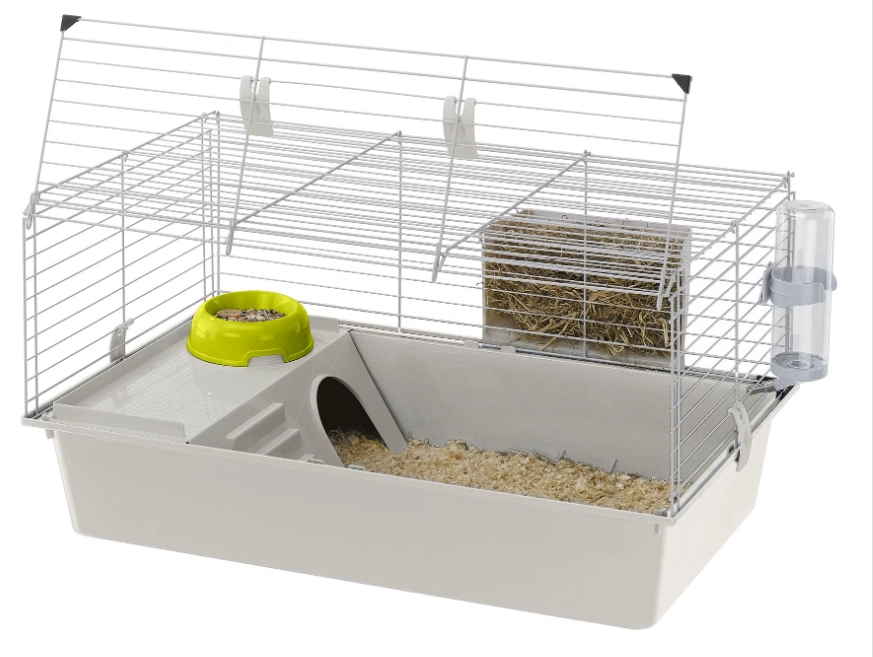
Step 2: Define Zones. Guinea pigs appreciate a predictable layout.
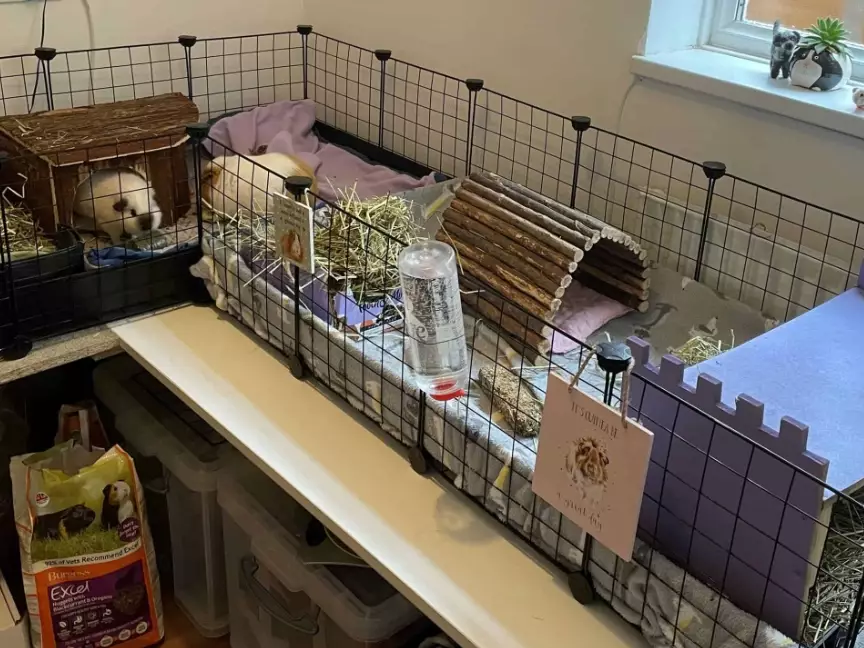
The Kitchen: A dedicated corner with a heavy ceramic food bowl, a hay rack stuffed full of unlimited Timothy hay (or orchard grass), and a water bottle (or a stable water bowl).
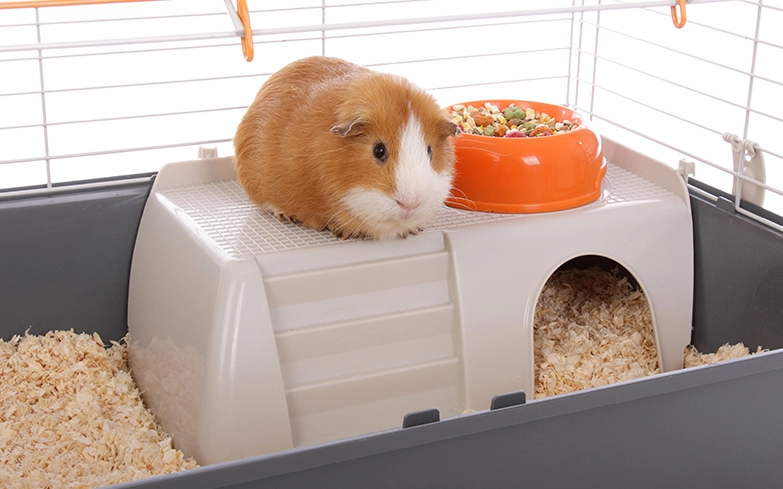
The Bedroom: At least two completely enclosed hideys, one per pig, plus an extra. Use different types: a wooden house, a fleece forest, a tunnel. They need to feel hidden to sleep soundly.
The Bathroom: They often pick a corner. You can place a small litter tray with hay there to encourage mess containment, but don't expect full litter training.
The Runway: Keep a long, open path clear for zoomies.
Step 3: Add Enrichment – The Stuff That Makes Life Fun. This isn't optional. Rotate these items weekly to prevent boredom:
- Willow balls, applewood sticks to chew.
- Paper bags stuffed with hay.
- Fleece blankets they can burrow under.
- A low, stable platform (like a step stool) to create a lookout.
- Simple toys like a pile of hay in the middle of the cage.
The cage should look busy, but not cluttered. They need open space to move.
The 5 Most Common Cage Mistakes (And How to Fix Them)
I've seen these over and over in online groups.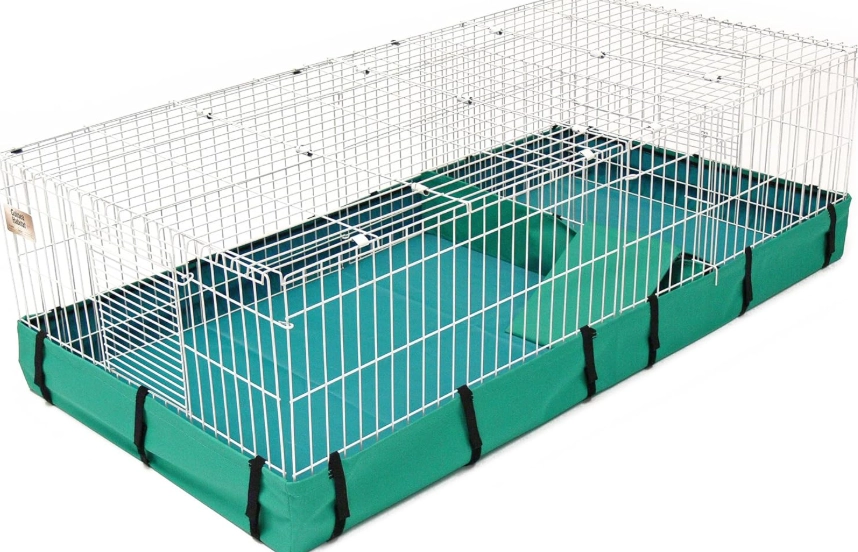
1. The "Cute But Cramped" Cottage. The cage looks like a dollhouse but is 4 square feet. The fix is brutal: retire it or use it only as a temporary carrier. Size trumps cuteness every time.
2. The Slippery Floor. Bare plastic or wire mesh floors are terrible for their delicate feet and can cause a painful condition called bumblefoot. The entire floor must be covered with soft, thick bedding or fleece.
3. The Single Hidey. One hideout creates competition and stress. Always have N+1 hideys (one more than the number of pigs).
4. The Static Environment. The cage looks the same for months. Pigs get bored. Every week during cleaning, move the hideys and toys around. Introduce one new item (a new tunnel, a different chew).
5. Poor Ventilation Placement. Putting the cage in a drafty hallway or right next to a loud speaker is stressful. They need a quiet, temperature-stable corner of a lived-in room, away from direct sun and drafts, but with good air flow.
DIY vs. Store-Bought: Making the Right Choice
If you're even slightly handy, building a C&C cage is simpler than assembling IKEA furniture. You need:
- Grid Cubes: Often sold as "storage cubes." Ensure the grid spacing is no more than 1.5 inches to prevent head entrapment. 14-inch panels are standard.
- Coroplast (Corrugated Plastic): Available at sign shops or some hardware stores. They can often score and fold it for you to your dimensions.
- Zip Ties: To securely fasten the grids together.
- Fleece or Vinyl: To protect your floor under the cage.
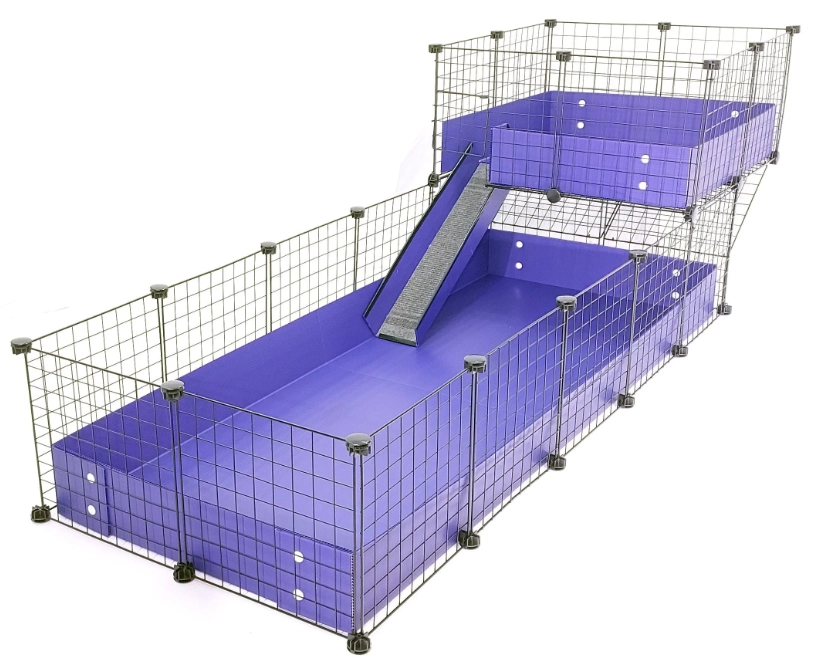
A 2x4 grid cage (approx. 28" x 56", or 10.9 sq ft) can cost under $70 to make. A comparable store-bought cage of that size can easily cost $150+. The DIY route gives you control and is the only practical way to build very large or uniquely shaped enclosures.
The store-bought route, like the Midwest Habitat, wins on convenience. It's a great, no-fuss option that gets you to an acceptable size immediately. It's perfect if the thought of sourcing materials makes you anxious.
Your Guinea Pig Cage Questions, Answered
My guinea pigs keep tipping over their food bowl and soiling their hay. How do I keep the "kitchen" area clean?
This is a universal struggle. Ditch the lightweight bowl. Use a heavy, wide-based ceramic bowl (meant for dogs or cats) that they can't lift. For hay, avoid racks that force them to pull from a small opening. Use a large hay bag or a corner litter box and simply pile the hay high inside it. They'll eat and use it as a toilet in the same spot, which actually makes spot-cleaning easier. Change this hay box daily.
Is fleece bedding really better than paper or wood shavings?
It's a trade-off, not a clear win. Fleece is reusable and dust-free, great for pigs with respiratory issues. But it requires a super-absorbent layer underneath (like U-Haul furniture pads or towels) and must be changed every 2-3 days, with daily sweeping of poops. Disposable paper bedding is more absorbent and controls odor longer between full changes (4-5 days), but has ongoing cost and dust. I use a hybrid: fleece in the main area for comfort, and paper/aspen in the high-traffic bathroom corners for absorption.
 How can I tell if my cage is too small for my guinea pigs?
Watch their behavior. Clear signs include: excessive chewing on bars (boredom), constant pacing along the walls, lack of energetic popcorning or zoomies, weight gain from inactivity, and increased squabbling or bullying between cage mates. If they aren't using the space to run and play, it's just a holding pen. Upgrading the cage often resolves minor behavioral issues overnight.
I have a multi-level cage, but my pigs never go upstairs. What am I doing wrong?
The ramp is likely the problem. It's probably too steep, too narrow, or the surface is slippery. Guinea pigs are cautious. The ramp should have a very gentle slope (under 20 degrees) and be fully covered with a grippy material like fleece strips or indoor/outdoor carpet, with side rails so they don't feel like they'll fall off. Make sure the top level is spacious, secure, and has a reward—like a special veggie treat or their favorite hay—to incentivize exploration.
Can I use a plastic kiddie pool or a playpen as a permanent cage?
A playpen is fantastic for temporary floor time or as a portable enclosure, but it's rarely suitable as a primary home. The sides are often too low (they can jump), it offers poor ventilation, and it's difficult to secure accessories like water bottles and hay racks properly. A kiddie pool lacks proper ventilation and can be chewed. They work in a pinch for quarantine or travel, but for a permanent home, invest in a structure with secure, ventilated walls designed for the job.
 Choosing and setting up a guinea pig cage is the foundation of everything else in their care. Get this right, and you'll have happier, healthier, more active pets who live longer, fuller lives. It's not about buying the most expensive thing; it's about understanding their needs and building a home that lets them express their natural behaviors. Skip the pet store gimmicks, think big, and focus on space, safety, and stimulation. Your guinea pigs will thank you with every popcorning jump.



Join the Conversation