If you're a dog owner, you've probably asked yourself this exact question. What is the most common sickness for dogs? After over a decade in veterinary practice, I can tell you the answer isn't as simple as a single disease. It's a shortlist of issues that, in my clinic, make up about 70% of our non-routine visits. And the number one spot? It consistently goes to ear infections. But knowing the name isn't enough. You need to know what it looks like, why it happens, and most importantly, how to stop it from coming back again and again.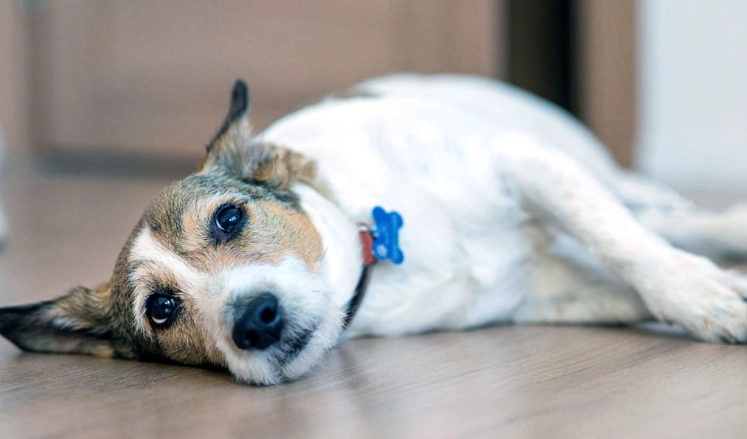
What's Inside This Guide
The Top 5 Most Common Canine Illnesses
Let's cut to the chase. Based on data from organizations like the American Animal Hospital Association (AAHA) and my own patient logs, here are the health problems you're most likely to encounter. I've put them in a table because seeing them side-by-side helps you spot patterns.
| Sickness | Typical Signs You'll See | Main Causes & Risk Factors | Why It's So Common |
|---|---|---|---|
| 1. Otitis Externa (Ear Infections) | Head shaking, scratching ears, red/brown discharge, foul odor, holding head tilted. | Allergies (the biggest trigger), moisture after swimming, ear anatomy (floppy ears), foreign bodies. | Most dogs have underlying allergies that aren't fully managed. Owners often treat the infection but miss the allergic root cause. |
| 2. Dermatitis (Skin Allergies/Infections) | Constant licking (especially paws), chewing, red skin, hot spots, hair loss, recurrent ear issues. | Environmental allergens (pollen, dust mites), food sensitivities, flea allergy dermatitis. | Modern environments are full of allergens. Many owners mistake it for "dry skin" and use the wrong treatments for months. |
| 3. Gastroenteritis (Vomiting & Diarrhea) | Upset stomach, lethargy, loss of appetite, loose stools or vomiting. | Dietary indiscretion (getting into the trash), sudden food changes, parasites, viruses, stress. | Dogs are scavengers by nature. Even the best-trained dog might sneak a spoiled bite when you're not looking. |
| 4. Dental Disease (Periodontitis) | Bad breath, yellow/brown tartar on teeth, red gums, difficulty chewing, pawing at mouth. | Lack of dental care, diet, genetics, age. | It's a silent, slow process. By the time bad breath is noticeable, significant disease is often present. Daily brushing is rare. |
| 5. Osteoarthritis | Stiffness after rest, reluctance to jump or climb stairs, limping, decreased activity, irritability. | Aging, previous injuries (like torn ligaments), obesity, genetics (large breeds). | Dogs hide pain incredibly well. The early signs are subtle and often written off as "just getting old." |
See a theme here? Allergies link the top two. Inflammation is a common thread. And owner awareness—or the lack of it—plays a huge role in how often these conditions flare up. The dog with chronic ear infections usually has allergic skin disease. The dog with occasional vomiting might have a food sensitivity stressing its gut.
One observation from the clinic: The most frustrating cases aren't the rare diseases. They're the common ones that become chronic because we're stuck in a cycle of treating symptoms, not causes. A dog comes in for its third ear infection this year. We clean it, give medication, it gets better. Two months later, it's back. The missing piece is almost always investigating the why—which is usually an allergy—and managing that long-term.
How Can I Prevent These Common Dog Sicknesses?
Prevention is where you save money, heartache, and vet visits. It's not about wrapping your dog in bubble wrap. It's about smart, consistent habits that target the root causes we just discussed.
Ear & Skin Health: Your First Line of Defense
Since ear and skin issues top the list, start here. If your dog swims or has floppy ears, make ear drying and checking a weekly ritual. Don't just use a towel. Get a vet-recommended ear-drying solution. Squirt it in, massage the base, let them shake, then wipe the outer canal with cotton. This simple step removes the moisture that yeast and bacteria love.
For skin, think beyond the bath. Regular brushing distributes natural oils and stimulates the skin. But the biggest lever you can pull is managing allergies. If your dog licks its paws seasonally, that's a clue. Talk to your vet about allergy testing or a structured food trial. Don't just buy a "sensitive skin" shampoo and hope it works. It's like putting a bandage on a leaky pipe.
The Gut and Mouth: Routine Beats Crisis
Preventing vomiting and diarrhea often comes down to control. Be ruthless about not letting your dog scavenge. Use puzzle feeders instead of a bowl to slow down eating, which reduces gulping air. When changing foods, do it over 7-10 days, mixing increasing amounts of the new food with the old.
Dental disease prevention is brutally simple in theory, hard in practice: brush their teeth. I know, I know. But even 3 times a week makes a massive difference. Start slow, use a tasty pet toothpaste (never human paste), and focus on the outside of the big cheek teeth. If brushing is a battle, ask your vet about prescription dental diets or water additives approved by the Veterinary Oral Health Council (VOHC). They're not as good as brushing, but they're far better than nothing.
Joint Care: Start Before You See a Problem
For arthritis, prevention is about weight management and controlled exercise. An extra five pounds on a dog is like an extra thirty pounds on a person. Keep your dog lean. For puppies of large breeds, avoid forced running on pavement and crazy jumping. Build muscle with swimming or gentle hill walks. Consider a joint supplement with glucosamine and chondroitin early, especially for predisposed breeds. It's easier to protect cartilage than to repair it.
What Should I Do If My Dog Shows Symptoms?
Okay, prevention failed, or you've just adopted a dog with existing issues. Now what? The key is to respond appropriately without panicking.
For non-emergency symptoms like mild scratching, occasional soft stool, or slight stiffness, start with home monitoring and basic care. For itchy skin, a cool bath with a gentle, hypoallergenic shampoo can soothe. For a single episode of vomiting or diarrhea, withhold food for 12 hours (but not water), then offer a bland diet like boiled chicken and rice for a day or two.
When to call the vet immediately:
- Repeated vomiting or diarrhea within a few hours, especially if there's blood or your dog seems weak.
- Violent head shaking or sudden, severe ear pain.
- A hot spot that appears large or is growing rapidly.
- Non-weight bearing lameness or sudden inability to get up.
Before the appointment, be a detective. Write down when symptoms started, what's changed (new food, treat, yard sprayed?), and take clear photos of rashes or problem areas. This saves precious time.
Here's a mistake I see weekly: owners using leftover medication from a previous issue. That ear ointment from last summer won't work if this infection is caused by a different bug. It can make things worse by creating antibiotic resistance. Always get a new diagnosis.
Your Questions, Answered by a Vet
My dog's ears smell yeasty and he shakes his head. Is this always an infection?
Not always, but it's the most likely culprit. A yeasty smell is a classic sign of a Malassezia yeast infection, which often pairs with bacterial infections. However, severe allergies or even a foreign object like a grass seed can cause similar head shaking. Don't just clean and hope. A vet needs to look with an otoscope to see the eardrum and confirm the diagnosis. Treating blindly can push debris deeper or use the wrong medication.
I give my dog a "dental chew" every day. Isn't that enough for his teeth?
It's a good supplement, but it's rarely enough by itself. Many chews only scrape the very tops of the teeth, missing the crucial area at the gumline where plaque builds up and causes disease. Think of it like only cleaning the biting surfaces of your own teeth. The gold standard is brushing. If that's impossible, look for chews or products with the VOHC seal, which means they've proven efficacy in reducing plaque or tartar in controlled studies.
My senior dog is slowing down. How do I know if it's just old age or arthritis pain?
This is the most important question to get right. "Old age" isn't a diagnosis; it's a timeframe. Pain is the diagnosis. Subtle signs include taking longer to get up after a nap, hesitating before jumping into the car, being less eager for walks, or even slight grumpiness when touched in a sore area. A good test: if a pain medication (prescribed by your vet, of course) makes them act noticeably more youthful and active, then it wasn't "just old age." It was pain masking their true personality. A vet exam can identify stiff joints and rule out other issues.
My dog had diarrhea, so I switched to a bland diet. Now his stool is okay, but how do I switch back without causing another upset?
The transition back is where many people slip up. Don't just go back to 100% old food. Over at least 4-5 days, mix his regular food into the bland diet. Start with 25% regular food, 75% bland for two days. Then go 50/50 for two days, then 75% regular/25% bland. If stool stays firm, you're clear. If it softens, slow down the transition. This gives the gut microbiome time to readjust to the different fiber and protein sources.
Are some breeds just prone to sickness, and is there anything I can really do?
Yes, genetics play a role. Cocker Spaniels and Retrievers are infamous for ear issues. Bulldogs often have skin folds that trap moisture. German Shepherds can have sensitive stomachs. But "prone to" doesn't mean "destined for." Knowing the risk lets you be proactive. For a Cocker, you become an ear-cleaning expert from puppyhood. For a Bulldog, you diligently dry between every skin fold after a bath. You work with a breeder who health-tests. You choose a diet formulated for sensitive systems. You don't wait for the problem to appear. That proactive mindset is the single biggest factor I see between dogs who battle chronic issues and those who enjoy long, healthy lives despite their genetic odds.


Join the Conversation