Getting your gerbil's diet right is the single most important thing you can do for its long-term health. A poor diet leads to obesity, digestive issues, and a shorter lifespan. I've kept gerbils for over a decade, and the number one question I get from new owners is always about food. Let's clear up the confusion once and for all.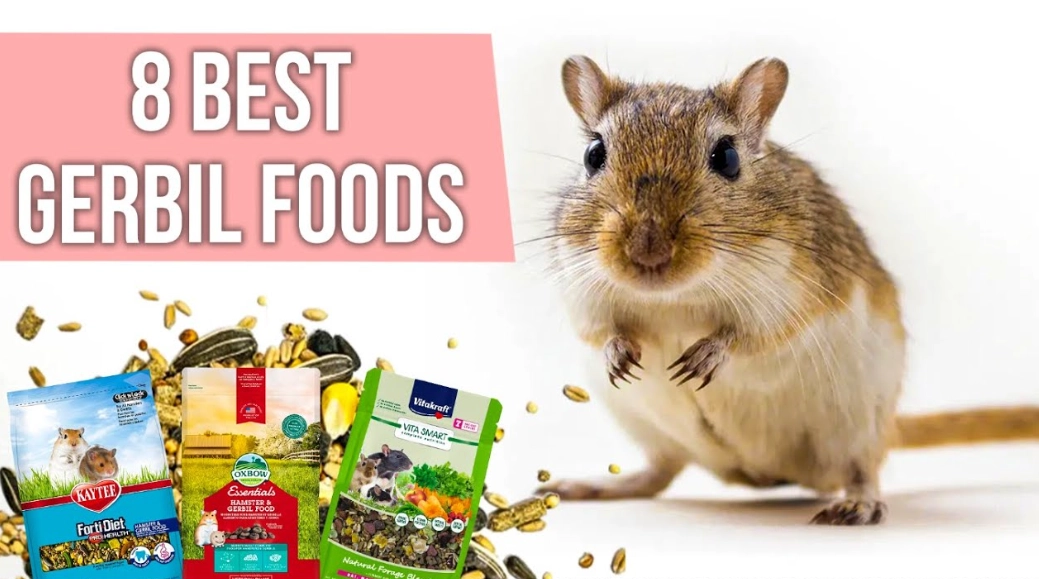
Gerbils are omnivores with a digestive system adapted for dry, nutrient-dense foods. In the wild, they eat seeds, grains, and the occasional insect. Your job is to replicate that balance in captivity, while avoiding the common pitfalls that make pet gerbils sick.
What's in This Guide?
Understanding a Gerbil's Natural Diet
Picture the Mongolian steppe, where wild gerbils originate. It's not a lush, wet environment. Food is scarce and dry. Their bodies are built to extract maximum moisture and nutrition from hard seeds and dry plants. This is why their digestive systems are so sensitive to sudden changes and high-moisture foods.
The core of their diet should always be a high-quality commercial gerbil mix. This isn't just filler; it's formulated to provide the base nutrients. Look for mixes with a variety of seeds, grains, and pellets, and avoid those with lots of colorful, sugary bits. Brands like Supreme Science Selective Gerbil or Burgess Excel are good starting points.
Think of the commercial mix as their daily bread. Everything else—the veggies, the treats—is the butter and jam. You need the bread for substance.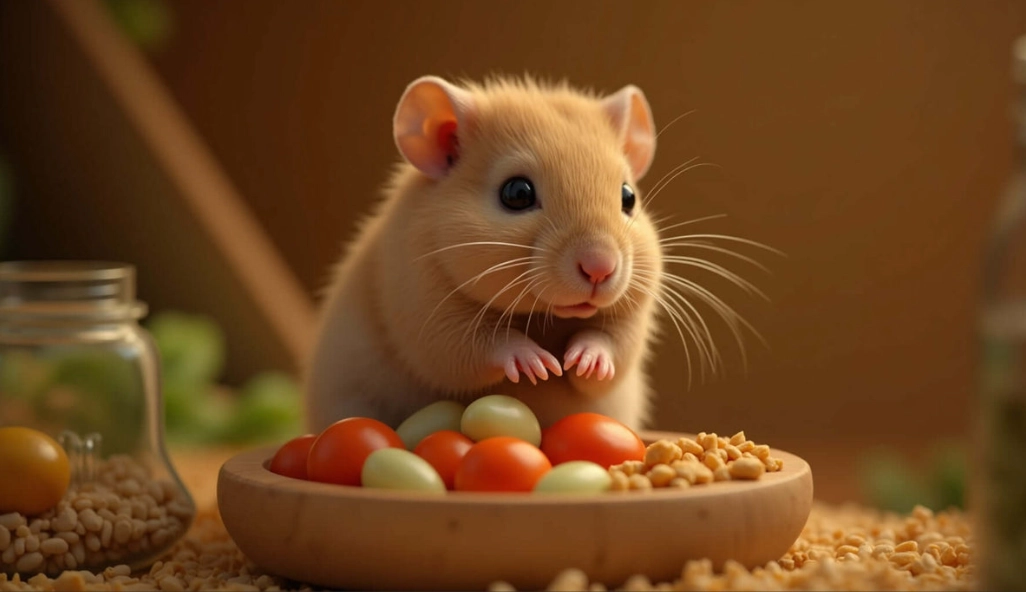
The Complete Safe Foods List for Gerbils
Supplementing their commercial mix is where you can add variety and enrichment. Here’s a breakdown of safe options. Remember, moderation is the golden rule. Even safe foods can cause problems in large quantities.
| Food Category | Specific Examples | How Often & Notes |
|---|---|---|
| Commercial Mix (Staple) | Pellet-based gerbil food, seed mixes with grains (millet, oats, barley). | Available at all times. About 1 tablespoon per gerbil per day. |
| Fresh Vegetables | Broccoli florets, carrot tops (greens), small piece of bell pepper (red/green), cucumber (peeled, tiny amount), romaine lettuce. | 2-3 times per week. A piece the size of their paw. Always wash thoroughly. |
| Fresh Fruits (Treats) | Apple (no seeds), pear (no seeds), banana (tiny slice), berries (strawberry, blueberry - one berry). | Once a week max. Very small amounts due to high sugar. |
| Protein Sources | Mealworms (dried or live), plain cooked chicken (shredded, no seasoning), hard-boiled egg (tiny piece of white), plain tofu. | Once or twice a week. A small pinch or one mealworm. |
| Healthy Snacks & Forage | Plain popcorn (no salt/butter), unsalted sunflower seeds (in shell), pumpkin seeds, whole wheat pasta (uncooked), hay (timothy/orchard). | A few times a week. Great for dental health and enrichment. |
A common mistake I see is owners going overboard with vegetables because they seem "healthy." Gerbils lack the digestive capacity for large amounts of watery greens. Too much broccoli or lettuce will almost certainly lead to soft stools or diarrhea. It's counterintuitive, but you need to be more conservative with veggies than you think.
Dangerous & Toxic Foods You Must Avoid
This list is non-negotiable. Some foods are directly poisonous, while others disrupt their delicate digestive balance so severely they can be fatal. I've heard stories of gerbils getting into a bag of chocolate chips or being fed a piece of onion ring by a well-meaning child. The outcomes are never good.
| Food Type | Specific Examples | Why It's Dangerous |
|---|---|---|
| Absolutely Toxic | Chocolate, caffeine, alcohol, onion, garlic, leek, chives, avocado pit and skin. | Contains theobromine, allicin, or persin—toxins that can cause organ failure, seizures, or death. Even small amounts are risky. |
| High-Sugar & Processed Junk | Candy, cookies, cake, sugary cereals, chips, pretzels. | Leads to obesity, diabetes, and destroys healthy gut bacteria. Offers zero nutritional value. |
| Dangerous Fruits & Veggies | Citrus fruits (orange, lemon), raw potatoes & potato eyes, rhubarb leaves, tomato leaves/stems. | Too acidic or contain solanine/glycoalkaloids, which are gastrointestinal irritants and neurotoxins. |
| Unsafe Nuts & Seeds | Almonds (especially bitter almonds), apple seeds, cherry pits, peach pits. | Can contain traces of cyanide. Also a choking hazard. |
| Dairy & Fatty Meats | Milk, cheese, butter, fried meats, processed meats (salami, bacon). | Gerbils are lactose intolerant. High-fat foods cause pancreatitis and obesity. |
When in doubt, don't feed it. There's a wealth of safe options, so there's no need to gamble. For a comprehensive list of toxic plants, always cross-reference with a reputable source like the ASPCA's Toxic and Non-Toxic Plants database.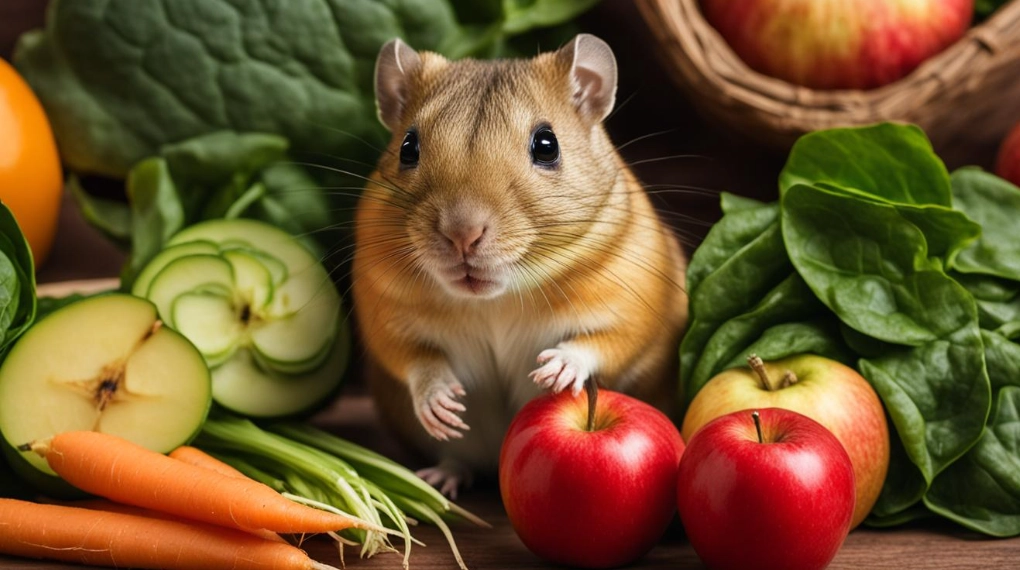
How to Design a Balanced Weekly Diet
Let's put this all into a practical plan. Here’s what a week of feeding might look like for a pair of gerbils. This is a template—adjust based on your pets' activity level and how they respond.
Daily (available at all times): 1-2 tablespoons of high-quality gerbil mix scattered in their bedding to encourage foraging. A constant supply of fresh, clean water in a bottle.
Monday: A small broccoli floret (size of a thumbnail).
Tuesday: Just their commercial mix. Let their digestion rest.
Wednesday: One dried mealworm each as a protein boost.
Thursday: A tiny piece of bell pepper (no seeds).
Friday: A small slice of apple (seedless).
Saturday: A few sprigs of timothy hay for chewing.
Sunday: Just their commercial mix.
See the pattern? It's heavy on the staple mix, with light, varied supplements sprinkled in. The total volume of supplemental food per gerbil per day should not exceed the size of their own head.
Portion Control is Everything
Gerbils are hoarders. They will stash perishable food in their bedding, where it can rot and grow mold. Always remove uneaten fresh food (veggies, fruit, protein) within 4-6 hours. Check their favorite hiding spots. A moldy food stash is a common cause of respiratory infections that owners often can't trace.
Top 3 Feeding Mistakes New Owners Make
I've made some of these myself early on. Learning from them saves your gerbil a lot of stress.
1. The "Salad Bowl" Approach: Dumping a large bowl of mixed veggies seems generous, but it's a recipe for digestive upset. Their systems aren't designed for a high volume of mixed, moist foods all at once.
2. Over-reliance on Sunflower Seeds: They love them. They'll pick them out of a mix and leave the healthier pellets. Sunflower seeds are high in fat. If you use a mix heavy in them, offer them only as a rare hand-fed treat, not a dietary staple.
3. Not Providing Enough to Chew: Diet isn't just about what goes in their stomach. Gerbils' teeth never stop growing. A lack of hard items like hay, wooden chews, or uncooked pasta can lead to painful dental overgrowth. Nutrition and dental care are directly linked.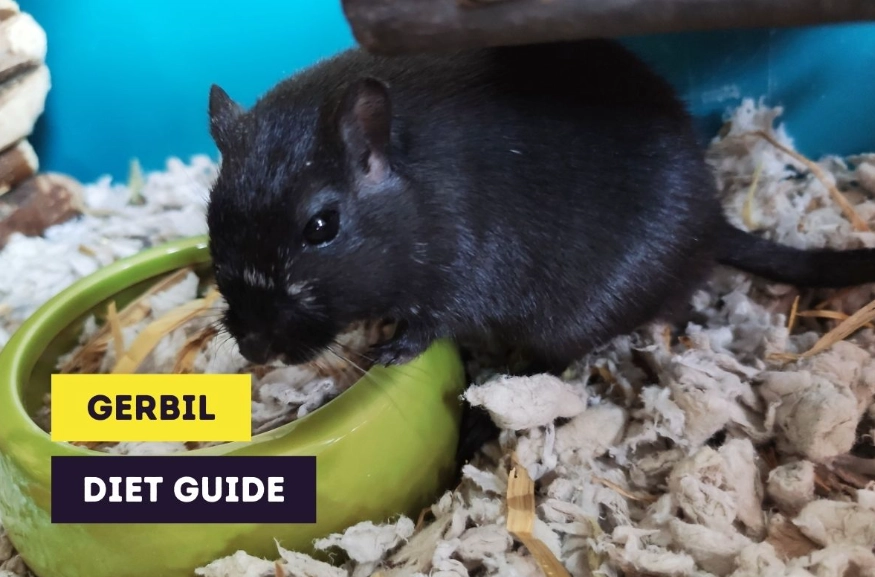
Your Gerbil Diet Questions Answered
 How do I know if my gerbil is eating the healthy pellets or just the tasty seeds?
Feeding your gerbil correctly isn't complicated once you understand their needs. Stick to a quality commercial base, add tiny bits of safe variety for interest, and avoid the no-go list like the plague. Watch their weight, their energy, and their droppings—they'll tell you if the diet is working. A well-fed gerbil is an active, curious, and long-lived companion.


Join the Conversation