You're not just looking for a pet. You're looking for a friend, a little creature that will actually enjoy your company, seek you out, and maybe even curl up on your lap. The idea of a dog or cat is great, but maybe your apartment has a strict no-pets policy, or your lifestyle can't handle the demands of a larger animal. So you turn to the world of small pets. But which of these compact companions is truly the most affectionate?
The answer isn't one-size-fits-all. Affection in animals is a complex mix of social nature, intelligence, and how they've been raised. A hamster handled incorrectly will always be skittish, while a well-socialized rat can rival a puppy in its desire to be with you. After years of working with small animals and talking to countless owners, I've found that the "most affectionate" title depends entirely on what you're willing to put in and what you expect to get back.
Let's cut through the generic lists. We'll compare the top contenders not just on their cuddle potential, but on the daily reality of care, cost, and the common mistakes that can ruin your chance at a real bond.
Your Quick Guide to Cuddly Companions
What Does "Affectionate" Really Mean for a Small Pet?
Before we name names, let's define our terms. When people say they want an affectionate small pet, they usually mean one that: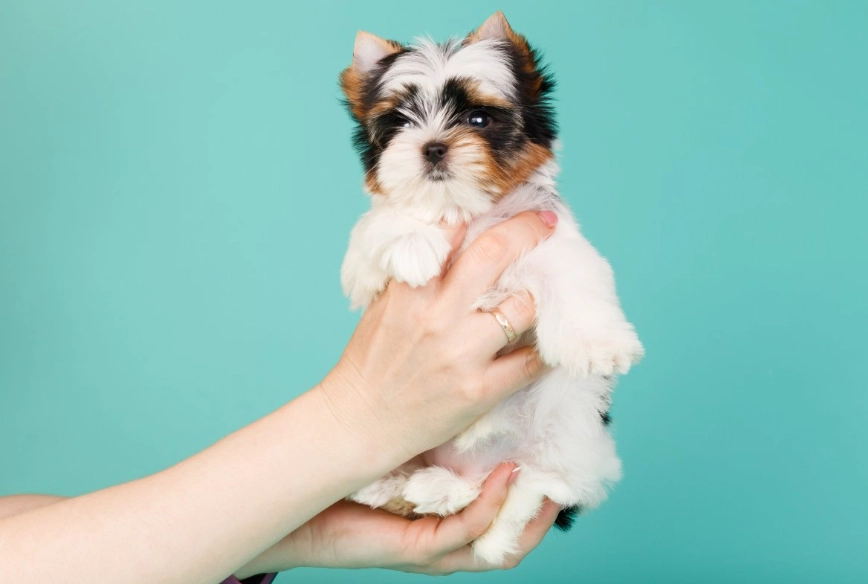
- Seeks interaction: Comes to the front of the enclosure when you approach, rather than hiding.
- Enjoys handling: Tolerates or, better yet, relaxes during gentle petting and holding.
- Shows recognition: Reacts differently to you than to strangers.
- Displays social behaviors: Grooms you, follows you, or makes happy sounds in your presence.
It's crucial to manage expectations. A small pet won't show affection like a dog. You won't get slobbery kisses or a wagging tail. Their affection is subtler—a gentle nibble (called "bruxing" in rats), a content purr (from a guinea pig), or simply choosing to sleep in your lap.
A critical point most guides miss: Affection is a two-way street shaped by biology and upbringing. Buying a supposedly friendly breed but keeping it in a tiny, barren tank with no daily interaction will result in a fearful animal, not a loving one. The pet's innate social structure is the starting point; your consistent, gentle care is the engine that drives the bond.
The Top 5 Most Affectionate Small Pets, Ranked
This ranking is based on a combination of natural sociability, intelligence, and their general propensity to form trusting bonds with humans when cared for properly.
| Pet | Affection Style & Key Trait | Social Needs | Ideal For Someone Who... | Approx. Initial Setup Cost |
|---|---|---|---|---|
| 1. Domestic Rat | Playful, intelligent, actively seeks owner. Can learn tricks, enjoys riding on shoulders. | Must be kept in same-sex pairs/groups. Highly social. | Wants a smart, interactive companion and doesn't mind short lifespan (2-3 yrs). | $200 - $300 (large cage, pairs, accessories) |
| 2. Guinea Pig | Vocal, communicative with distinct "wheeks" of joy. Often "popcorn" (jump for joy) when happy. | Must have at least one other guinea pig. Herd animal. | Prefers a chatty, charming pet that's great for gentle, seated cuddles. | $250 - $400 (large cage, pair, hay supply) |
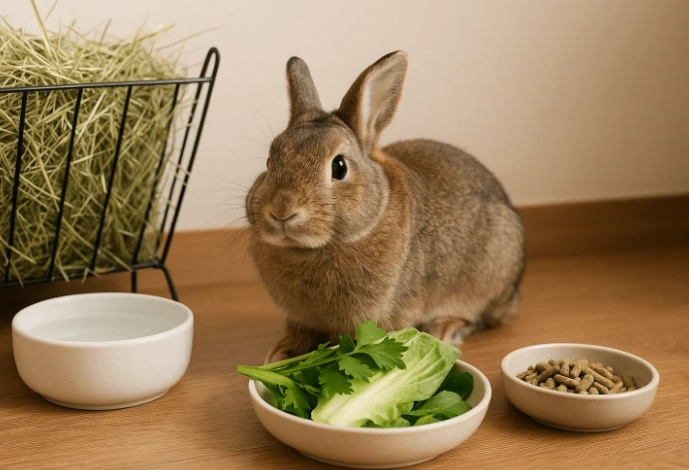
| 3. Rabbit | Affection is earned. Shows love by licking, circling feet, flopping over contentedly. | Can be solitary with enough human time, but often happier with a bonded rabbit friend. | Is patient, wants a larger, free-roaming pet, and can rabbit-proof a home. | $300 - $500 (x-pen/space, litter training, toys) |
| 4. Chinchilla | Curious and soft, but more observational. Bonding is through quiet interaction and dust baths. | Can be kept singly if given daily attention, but often does well in pairs. | Loves a soft, nocturnal pet with unique care (dust baths, cool temps). | $350 - $500 (tall cage, dust, cool environment) |
| 5. Fancy Mouse / Dwarf Hamster | Mice are social; hamsters are solitary. Both can become hand-tame with immense patience. | Mice: female groups. Hamsters: MUST be alone. | Has limited space, is a keen observer, and enjoys taming a more independent creature. |
Why Rats Top the List
It surprises many, but among small mammal enthusiasts and experts, rats are consistently praised. I've had rats that would scramble to the cage door when I got home, purposefully climb onto my shoulder, and settle in to watch TV. Their intelligence is a huge factor. According to studies cited by the RSPCA, rats exhibit empathy and problem-solving skills. They don't just tolerate you; they engage with you. You can see them thinking. The downside is their short lifespan—saying goodbye every 2-3 years is genuinely heart-wrenching.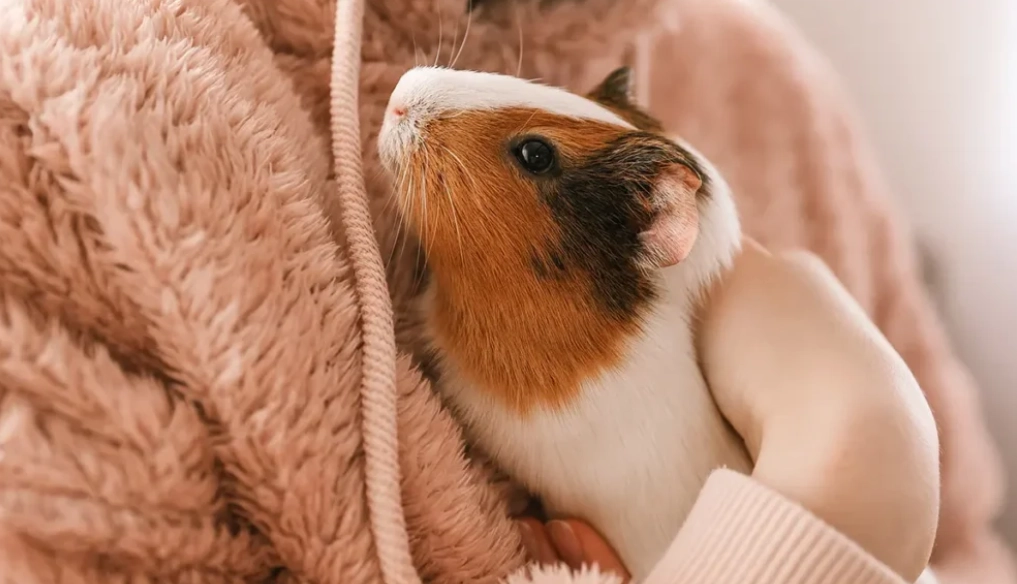
The Guinea Pig's Vocal Love
Guinea pigs wear their hearts on their sleeves… if they had sleeves. Their entire communication system is based on sound. A happy, well-cared-for guinea pig will "wheek" loudly at feeding time or the sound of a fridge opening, a specific sound they mostly direct at trusted humans. They won't climb on you, but a relaxed guinea pig sprawled on your lap, making soft "purring" noises, is the epitome of small pet contentment. The ASPCA emphasizes they are social herd animals; keeping one alone is cruel and will stifle their affectionate nature.
The Rabbit: A Commitment That Pays Off
Rabbits are often misunderstood. Bought as low-maintenance cage pets, they become neglected and fearful. A rabbit in a tiny hutch will never be affectionate. But a spayed/neutered rabbit with a large, safe space to run (like an x-pen or rabbit-proofed room) can become a wonderfully loving companion. The bond isn't instant. It takes months. But when a rabbit finally flops over next to you or gives you gentle licks ("grooms" you), it feels like a real achievement. It's a deeper, more earned affection.
Beyond the List: Key Factors That Make or Break the Bond
The species is just the blueprint. These factors determine whether you get a skittish creature or a true friend.
Source Matters Immensely: A pet store animal, often bred for quantity and weaned too early, is more likely to be nervous. Seeking a responsible breeder who handles babies daily or adopting from a small animal rescue where pets are socialized can make a night-and-day difference. I adopted a shy rabbit from a rescue; after three months of sitting quietly in her space, she decided I was okay. That trust was worth more than any store-bought pet.
Housing is Everything: You cannot expect affection from an animal living in a state of stress. The American Veterinary Medical Association (AVMA) notes that appropriate housing is fundamental to animal welfare. A guinea pig in a cramped pet store cage will be too stressed to be friendly. A rat in a bare tank is bored and unhappy. Invest in the largest, most enriching enclosure you can. Space reduces fear.
The Daily 15-Minute Rule: Affection is built in short, positive, daily sessions. It's not about one-hour marathons on the weekend. It's about 15 minutes every single day of gentle handling, offering treats from your hand, and just being present. Consistency tells the animal you are safe and predictable.
How to Choose Your Perfect Affectionate Small Pet
Stop asking "which is most affectionate?" and start asking these questions:
- How much daily time do I have? Rats and rabbits need at least an hour of out-of-cage interaction. Guinea pigs are happy with 30 minutes of lap time. Chinchillas and hamsters need less direct handling but still require environmental engagement.
- What's my budget for vet care? Exotic vets are specialized and costly. Rats are prone to respiratory issues. Rabbits need spaying/neutering (which is essential for behavior and health). Factor in a few hundred dollars a year for potential vet visits.
- Can I handle the lifespan? From 2 years (mice, rats) to 8+ years (rabbits, chinchillas). The longer life is a bigger commitment but allows for a deeper bond to develop.
- What's my definition of "affection"? Do you want an active playmate (rat), a vocal chatterbox (guinea pig), or a calm lap-warmer (older rabbit)?
Visit a rescue. Meet the animals. See which one you connect with. Sometimes the choice makes itself.
Your Questions on Small Pet Affection Answered
I live in a small apartment and work full-time. Is there any affectionate small pet for me?
Consider a pair of female rats or guinea pigs. They keep each other company while you're gone. The key is maximizing your quality time when you are home. A well-set-up cage with plenty of enrichment (hides, tunnels, foraging toys) in your main living area allows them to be part of your evening even when they're inside it. Spend 20-30 minutes after work with focused interaction—hand-feeding veggies, letting them explore a secure playpen. It's about routine, not constant attention.
My child wants a cuddly hamster, but every one we've had bites. Are we doing something wrong?
Probably. Hamsters are nocturnal and solitary. A child trying to play with a sleeping hamster during the day is asking for a nip. First, ensure it's a proper Syrian or dwarf hamster enclosure (large, with deep bedding), not a small critter trail. Second, interact only in the evening. Use a cup to scoop them up, never grab from above (you mimic a predator). Start by just sitting with your hand, palm up, in the cage with a treat. Patience over weeks, not days, is the only path to trust with hamsters. Honestly, for a child seeking consistent cuddles, guinea pigs are a far more reliable and forgiving choice.
 Do guinea pigs really "talk" and recognize their owner?
They absolutely do. Guinea pigs have a wide repertoire of sounds. The loud, piercing "wheek" is typically a food-associated call they direct at their caretaker. They also have distinct coos, purrs (which can mean contentment or annoyance, depending on pitch), and chatters. They learn the specific sound of your voice and footsteps. I've had guinea pigs who would only wheek for me, not my partner, because they associated me with feeding time. Their recognition is auditory and scent-based.
I heard rats are dirty. How can they be affectionate?
That's a major misconception. Rats are incredibly fastidious groomers, spending hours cleaning themselves and each other. The "dirty" reputation comes from their wild ancestors and poor husbandry. A well-cared-for rat in a clean, spacious cage is no more "dirty" than a rabbit or guinea pig. In fact, their cleanliness is part of their social bonding—they'll even try to groom your hands or face. Their intelligence and hygiene make the affection they show feel deliberate and personal, not instinctual.
Can a single rabbit be happy and affectionate, or must I get two?
class="item-answer">A single rabbit can be happy and bond deeply with a human, but it requires a staggering amount of time and attention—think 4-6 hours of social interaction daily. For most people, that's unrealistic. The House Rabbit Society, a highly respected authority, strongly recommends bonded pairs. A rabbit's language is another rabbit. They groom each other, sleep together, and understand each other in ways we cannot replicate. The best scenario is a bonded pair that also sees you as part of their social group. You get the joy of watching their relationship and receiving affection from both. Getting two isn't double the work; it's often easier, as they entertain each other.


Join the Conversation