Let's be real. You want a pet that greets you at the end of a long day, curls up on your lap while you watch a movie, and makes you feel loved without demanding every single minute of your free time. You're searching for that sweet spot: a low maintenance pet that likes to cuddle. The good news? They exist. The better news? They're not all cats and dogs.
I've kept small mammals for over a decade, and the biggest mistake I see is people equating "small cage" with "no effort." That thinking leads to neglected, unhappy animals. True low maintenance is about predictable, manageable care that fits a modern schedule, not about ignoring an animal's needs. This guide cuts through the fluff and shows you which pets genuinely offer affection without crushing time commitments, and how to care for them right.
In This Article
What "Low Maintenance" and "Cuddly" Really Mean
Before we list animals, we need to define our terms. If you expect a pet that requires zero interaction and will sit statue-still for hours, you're looking for a stuffed toy.
Low Maintenance, in a practical sense, means:
- Predictable routines: Feeding, cleaning, and grooming happen on a schedule you can plan around (e.g., 30 minutes daily, a deeper clean weekly).
- Moderate costs: Initial setup might be $200-$400, with monthly food and supply costs under $50.
- Independent during work hours: They are content and safe while you're at the office for 8-9 hours.
- Forgiving of occasional schedule slips: Missing a play session by an hour isn't a crisis.
It does NOT mean: never cleaning a cage, feeding only once every few days, or keeping a social animal alone in a tiny tank.
Cuddly is also subjective. A rabbit's idea of cuddling is often sitting pressed against your leg, not being held in the air. True companionship with these animals is about mutual trust, not forced snuggles. The bond you build by letting them come to you is far deeper than simply picking them up whenever you want.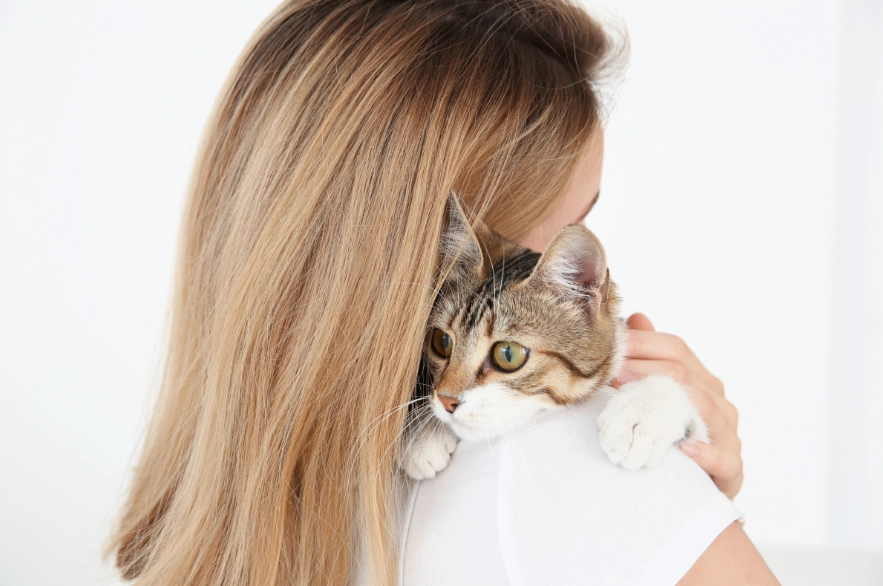
The Top Three Low Maintenance Cuddle Pets
Based on the balance of affection, manageable care, and suitability for busy adults, these three stand out. Forget hamsters (largely nocturnal and often nippy) and guinea pigs (need more space and very specific vitamin C care). Let's talk about the real contenders.
| Pet | Affection Style | Daily Time Needed | Key Care Focus | Ideal For |
|---|---|---|---|---|
| Domestic Rabbit | Loyal, floor-level companionship. Enjoys being petted, sitting beside you. | 30-45 mins (feeding, spot clean, social time) | Large enclosure (x-pen recommended), hay-based diet, litter training. | Someone with space who wants a quiet, cat-like presence. |
| Guinea Pig (Pair) | Vocal, social. Shows affection through chirps ("wheeking") and calm presence. | 20-30 mins (feeding, health check) | NEEDS a same-sex companion. Large cage, daily fresh veggies for Vitamin C. | Someone who enjoys interactive chatter and observing social dynamics. |
| Fancy Rat | Playful, intelligent, seeks physical contact. Will groom you, nap in your hood. | 45-60 mins (highly social, needs playtime) | NEEDS a same-sex companion. Large, tall cage for climbing. Prone to respiratory issues. | An active owner who wants a clever, engaging, and hands-on pet. |
The Quiet Companion: Domestic Rabbits
Rabbits are the most misunderstood pets here. A well-cared-for, spayed/neutered rabbit in a spacious pen (not a tiny hutch) is a fantastic, low-key roommate. They can be litter-trained as effectively as cats.
Their cuddle style is grounded. My rabbit, Mochi, would hop over and flop down right against my foot while I worked. That was his sign of ultimate trust. Expect nose bonks and gentle nuzzles for pets, not necessarily lap-sitting (though some do).
Real Care Breakdown:
- Space: Minimum is an exercise pen (x-pen) at least 4ft x 4ft, plus daily supervised free-roam time in a rabbit-proofed room.
- Diet: 80% unlimited grass hay (Timothy or Orchard), fresh greens, limited pellets. This keeps their teeth and gut healthy.
- Vet Care: This is the non-negotiable. You need an exotic vet, not a standard cat/dog vet. A check-up can run $60-$100. Spaying/neutering ($200-$400) is critical for behavior and health.
- Weekly Time: About 1 hour for a full cage clean and restocking hay.
They're quiet, clean, and their care becomes a simple, meditative routine. But their delicate digestive systems mean you can't skip their hay. Ever.
The Charming Chatterbox: Guinea Pigs
Guinea pigs win on the "adorable factor" and vocal affection. They "wheek" loudly when they hear the fridge open or your voice. That excitement is a form of bonding. They are social butterflies who must live with at least one other guinea pig (same-sex unless neutered). Watching them interact is half the joy.
They express affection by being calm in your lap, munching veggies, and making soft, contented "purring" sounds when petted gently.
Real Care Breakdown:
- Space: A pair needs a minimum of 7.5 square feet (e.g., a Midwest Guinea Pig Habitat), but 10+ is better. C&C cages are a popular, customizable DIY option.
- Diet: The big one: Vitamin C. They cannot synthesize it. They need a daily serving of fresh veggies like bell pepper, kale, or parsley, alongside unlimited Timothy hay and quality pellets.
- Maintenance: Spot clean droppings daily. A full cage change with new bedding (fleece liners or paper) takes about 30-45 minutes weekly.
- Cost: Initial setup for two: $250+. Monthly food/supplies: $40-$60.
They are relatively low-handling pets. Their cuddling is more about calm, shared presence than active play.
The Intelligent Snuggler: Fancy Rats
Rats are the secret champions of the small pet world. They are as intelligent as small dogs, can learn tricks, and form incredibly strong bonds. Their idea of cuddling is the most "traditional"—they will seek out your warmth, burrow into your sleeve, and gently groom your fingers.
You must get at least two. A lone rat is a depressed rat. They thrive in companionship.
Real Care Breakdown:
- Space: A large, tall wire cage (like a Critter Nation) is ideal for climbing. Fill it with hammocks, ropes, and hiding spots.
- Diet: High-quality lab block pellets should be their staple, supplemented with fresh fruits, veggies, and occasional protein (like cooked egg).
- Time Commitment: This is the highest of the three. They need at least an hour of out-of-cage, supervised playtime daily. This is non-negotiable for their mental health. It's interactive time—they'll run around, explore, and climb on you.
- Health Watch: They are prone to respiratory infections and tumors. Have a vet fund. Their short lifespan (2-3 years) means you'll experience heartbreak more often.
If you can give them the time, the return on investment in affection and interaction is unmatched.
How to Choose Your Perfect Pet Match
Don't just pick the cutest face. Match the pet's needs to your lifestyle. Ask yourself these questions: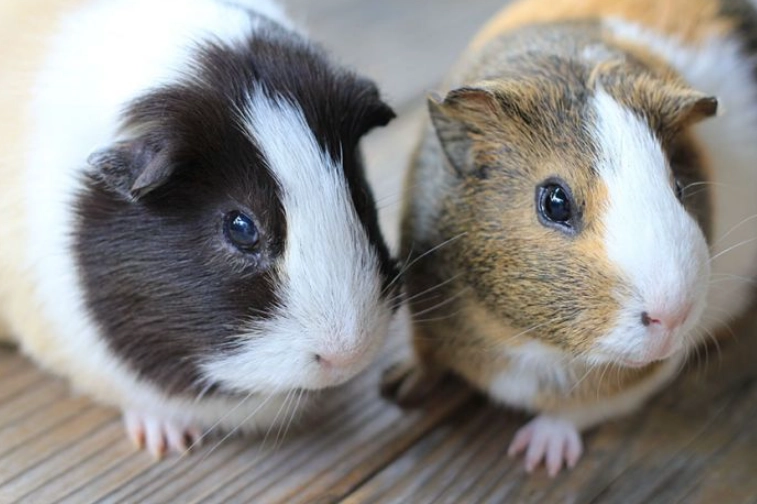
1. How much daily, active time do you truly have?
- Less than 30 minutes focused time: Lean towards a bonded pair of guinea pigs or a rabbit. Their social needs are met by their companion; your time is for care and gentle interaction.
- 45+ minutes to actively engage: A pair of rats will reward this commitment tenfold.
2. What's your noise tolerance?
- Need near-silence? A rabbit is your best bet.
- Enjoy cheerful background chatter? Guinea pig wheeking is endearing (though not ideal for thin-walled apartments late at night).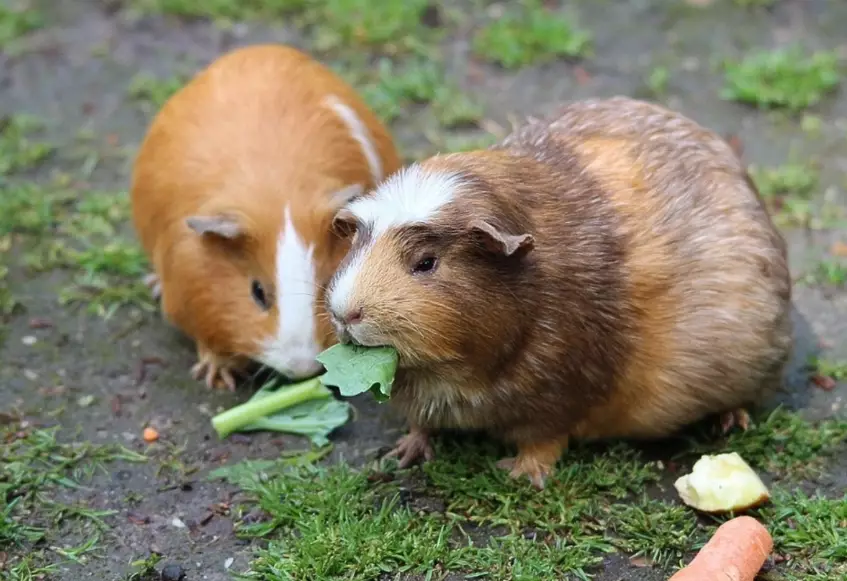
3. What's your budget for initial and ongoing costs?
- Rabbits have the highest potential vet bills (exotic vet + spay/neuter).
- Rats have frequent, smaller vet visits for respiratory issues.
- Guinea pigs have steady, moderate costs for fresh produce and bedding.
4. Have you considered adoption?
This is my strongest personal advice. Organizations like the House Rabbit Society or local small animal rescues are full of wonderful, already-socialized pets. You often get a pet that is already spayed/neutered, and the rescue can give you a crystal-clear picture of its personality. I got Mochi from a rescue, and they knew he was a laid-back "foot flop" kind of bunny, which was perfect for me.
Visit a rescue. Interact with the animals. See which connection feels right.


Join the Conversation