Depression can make the world feel heavy and isolating. If you're reading this, you might be looking for a gentle, manageable source of comfort—something that offers connection without overwhelming demand. A small pet can be that lifeline. It's not about a magical cure, but about the quiet, daily medicine of companionship, routine, and unconditional, non-judgmental presence. I've seen it firsthand, both in my own life and through years of talking with other pet owners. The right small animal doesn't just live in your home; it becomes a reason to get up, a focus for care, and a soft, warm presence on the darkest days.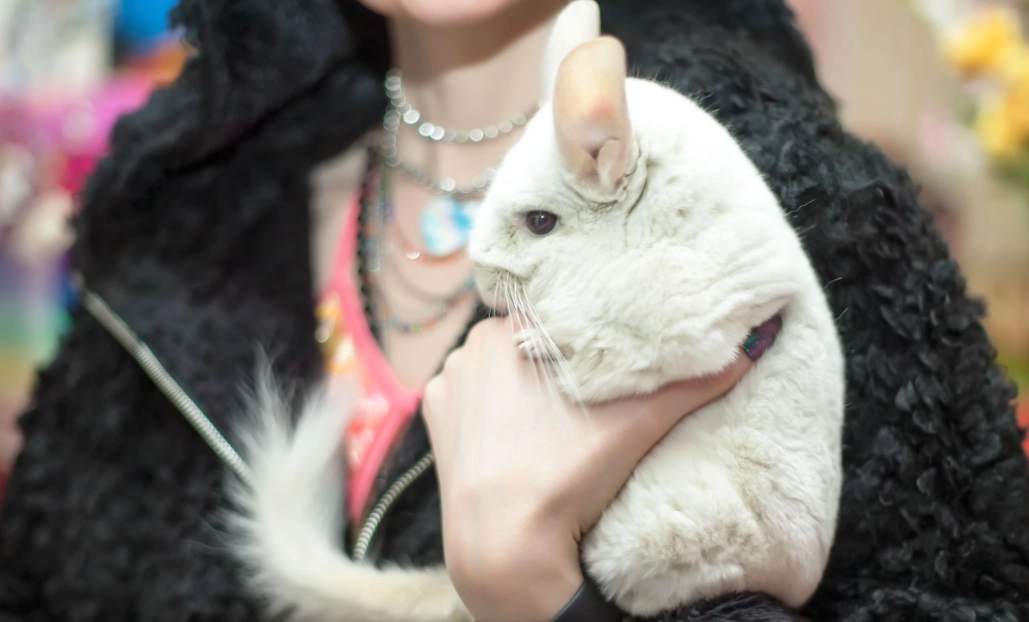
What's Inside This Guide
- How Pets Ease Depression: More Than Just Cuddles
- Top Contenders: Breaking Down the Best Small Pets
- Rabbits: The Quiet, Affectionate Companions
- Guinea Pigs: The Chatty, Social Butterflies
- Rats: The Surprisingly Dog-Like Intellectuals
- Hamsters: The Low-Maintenance Observers
- How to Choose the Right Pet for YOU
- Your Questions, Answered (The Real Stuff)
How Pets Ease Depression: More Than Just Cuddles
Let's get past the fluffy generalities. Yes, pets are cute. But how do they actually move the needle on depression? It's a combination of neurochemistry and psychology. Caring for another living thing triggers the release of oxytocin (the bonding hormone) and dopamine (the reward chemical). It's a tangible, biological counter to the numbness.
More concretely, a pet imposes a gentle, non-negotiable structure. You have to fill the water bottle. You have to refresh the hay. This simple, purposeful routine is a powerful antidote to the paralysis that depression often brings. It's a small win, multiple times a day. Furthermore, touch is profoundly regulating. The rhythmic act of stroking a soft, warm animal lowers cortisol (the stress hormone) and heart rate. It's a form of mindfulness you can't overthink.
Top Contenders: Breaking Down the Best Small Pets
Not all small pets are created equal when it comes to emotional support. A lot of beginner guides gloss over the real time and emotional investment required. The chart below cuts through the noise, comparing the top four candidates on what actually matters for someone dealing with low energy or motivation.
| Pet | Social Needs & Interaction | Daily Care Commitment | Key Therapeutic Benefit | Lifespan (Avg.) | Initial Setup Cost (Est.) |
|---|---|---|---|---|---|
| Rabbit | High. Needs daily out-of-cage time and bonding. Can be aloof or very affectionate. | Medium-High. Daily hay/veg refresh, litter training, space to roam safely. | Calming presence, deep bond potential, encourages gentle movement. | 8-12 years | $250-$500+ |
| Guinea Pig | Very High. Must be kept in pairs/groups. Thrives on chatter and hand-feeding. | Medium. Daily veggie prep, cage cleaning 1-2x/week, vitamin C crucial. | Joyful, vocal interaction. Watching a pair interact is a distraction in itself. | 5-8 years | $200-$400 |
| Rat | Extremely High. Highly social, intelligent, seeks owner interaction actively. | Medium. Daily playtime outside cage is essential. Cage cleaning weekly. | Interactive play, problem-solving games, truly seeks your company. | 2-3 years | $150-$300 |
| Hamster | Low. Solitary, often nocturnal. Interaction is more observational/hand-taming. | Low. Spot clean daily, full clean weekly. Mostly active when you sleep. | Low-pressure responsibility. Fascinating to observe their busy, independent world. | 1.5-3 years | $100-$250 |
The biggest mistake I see? People get a solitary hamster expecting a cuddly friend, or a single guinea pig and wonder why it seems sad. Matching the animal's social needs to your capacity for interaction is step one.
Rabbits: The Quiet, Affectionate Companions
Rabbits are a common misstep. They're often bought as easy "starter pets" for kids and end up neglected. For an adult with depression, a well-researched rabbit adoption can be transformative—but only if you know what you're signing up for.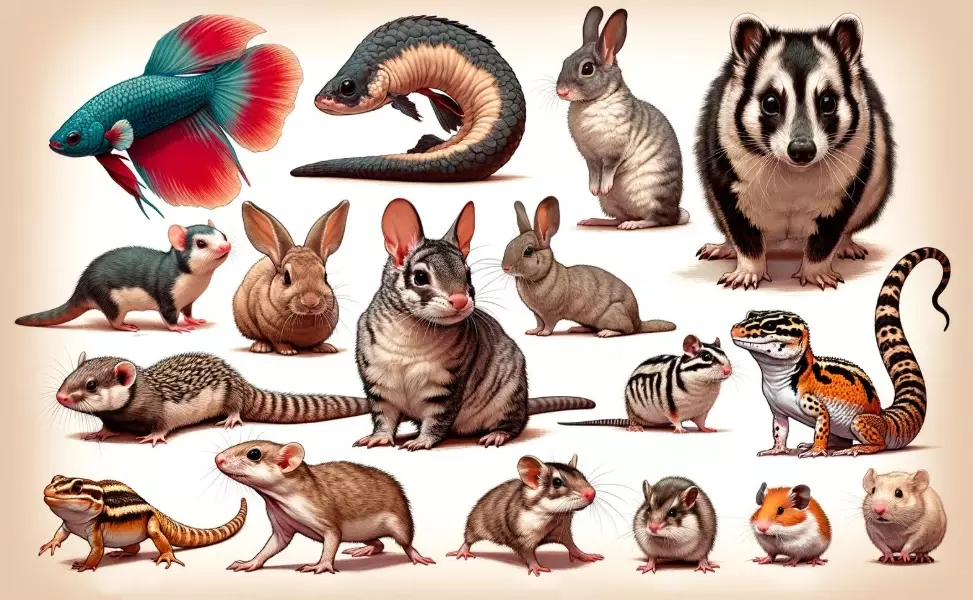
They are crepuscular (most active at dawn and dusk), which can align well with the rhythms of someone who struggles with mornings or evenings. A rabbit's affection is earned and quiet. They might not come when called, but they'll hop over and flop down next to your feet, or gently nudge your hand for pets. This non-demanding companionship can feel incredibly validating.
The reality check: They need space. A cage is not enough. They need a large exercise pen or a rabbit-proofed room for several hours daily. They chew—wires, baseboards, furniture. Rabbit-proofing is a must. They also require exotic vet care, which is more expensive than a cat or dog vet. If you can meet these needs, the payoff is a unique, almost meditative bond with a delicate, intelligent creature.
Guinea Pigs: The Chatty, Social Butterflies
If quiet loneliness is your battle, guinea pigs are like a living, breathing antidepressant with a voice. Their constant, conversational wheeks, purrs, and chirps fill a room with sound. They must be kept in at least a pair. Watching two guinea pigs interact—popcorning (happy jumps), chatting, snuggling—is a pure, simple joy that can break a negative thought spiral.
Their care is straightforward but non-negotiable: unlimited timothy hay, daily fresh veggies rich in vitamin C (they can't produce it themselves), and a spacious cage (forget the tiny pet store ones). The daily ritual of bringing them their salad can become a highlight. They may not crave cuddles like a rat, but they will learn your voice, come to the cage edge for food, and sit contentedly on your lap for floor time.
Their shorter lifespan compared to rabbits is a consideration, but for many, the intense, joyful companionship they provide in those 5-8 years is worth it.
Rats: The Surprisingly Dog-Like Intellectuals
This is where most people's preconceptions shatter. Rats are, hands down, the most interactive and emotionally intelligent small pet you can get. They form deep attachments to their owners. They'll groom you, fall asleep in your hoodie pocket, and learn tricks for fun. They actively seek you out for play.
For depression, this is huge. A rat doesn't just tolerate your attention; it wants it. This can combat feelings of worthlessness. The need for daily, supervised free-roam playtime (an hour minimum) forces you to engage and be present. You can build obstacle courses, teach them to fetch, or simply let them explore while you sit on the floor. It's interactive therapy.
The major, heart-breaking caveat: Their lifespan is short, 2-3 years on average, and they are prone to respiratory tumors. You will fall in love with a creature whose time is limited, and you will grieve. Some find this cycle too painful. Others find that the depth of connection, even if brief, teaches profound lessons about love and living in the moment. You also must keep them in same-sex pairs or groups.
Hamsters: The Low-Maintenance Observers
Don't underestimate the hamster. If your depression manifests as severe fatigue or social anxiety, a high-needs, interactive pet might feel like a looming source of guilt. A hamster offers companionship without the pressure.
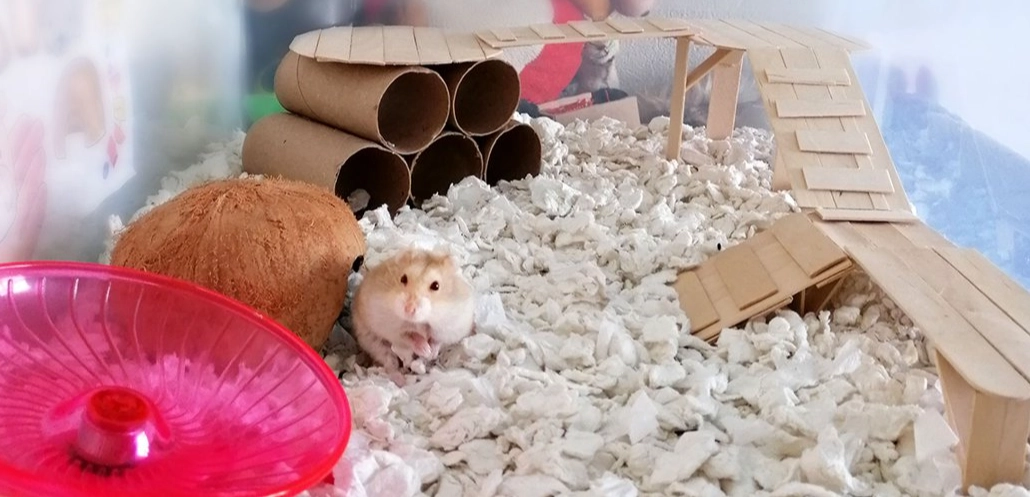
Syrian hamsters are solitary. Their world is their properly sized enclosure (a large tank or bin cage, not a small wire prison). You become the curator of that world. Designing a naturalistic habitat with deep bedding for burrowing, a large wheel, and tunnels can be a creative, absorbing project. Watching them meticulously stuff their cheeks, create intricate burrow systems, and run miles on their wheel is oddly peaceful and grounding. It’s a reminder of simple, instinctive purpose.
The interaction is on their terms. Hand-taming takes patience. They are nocturnal, so most of their bustling activity will happen after you’re in bed. For some, this is perfect—a quiet pet during the day, and a fascinating little life to check in on at night. It’s responsibility, but of a gentler, more observational kind.
How to Choose the Right Pet for YOU
Forget what's "best" in a general sense. What's best is what fits your current life. Ask yourself these questions honestly:
Energy & Routine: Do you have the spoons for daily out-of-cage playtime (rat/rabbit), or do you need a pet whose primary care is maintenance (hamster/guinea pig feeding)?
Desired Interaction: Do you want a pet to actively play with, or one to care for and observe? Do you want quiet or chatter?
Budget Reality: It's not just the cage. Factor in monthly food/bedding, and a vet fund. An exotic vet visit can easily cost $100-300. A common mistake is spending all the budget on setup and having nothing left for emergencies.
Space: Measure. A proper guinea pig cage (like a C&C) is about 8 square feet minimum for two. A rabbit pen needs even more. Do you have that space, and can you make it safe?
The 10-Year Test: For rabbits, this is literal. Are you ready for a decade-plus commitment? For shorter-lived pets, are you prepared for the grief that will come? Being realistic about this is an act of kindness to both you and the animal.
My strongest advice? Volunteer or foster first. Contact a local small animal rescue. Spending a few weeks caring for a foster rabbit or rat will tell you more than any article. It gives you a real, low-commitment trial of the routine and emotional dynamic.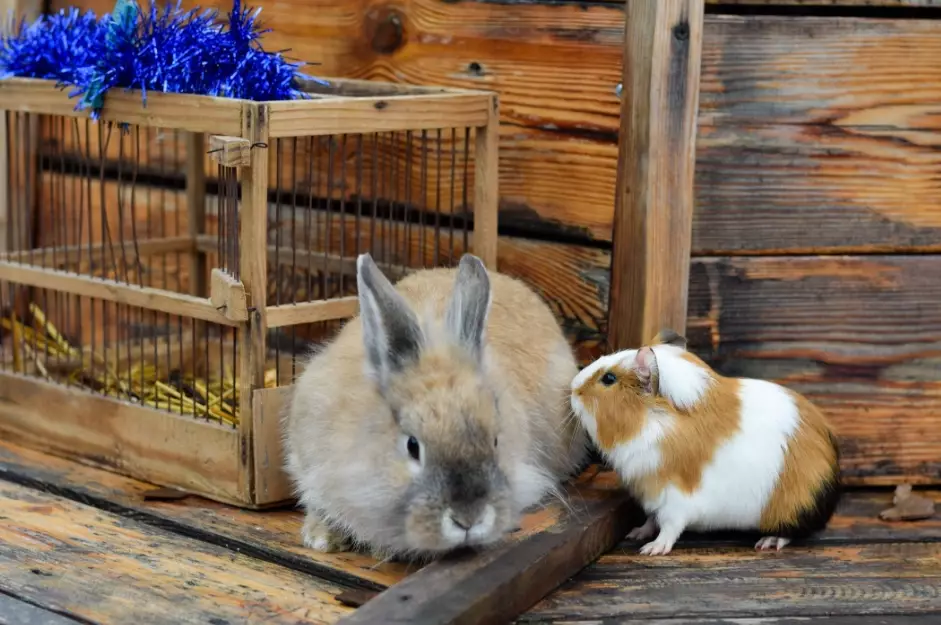
Your Questions, Answered (The Real Stuff)
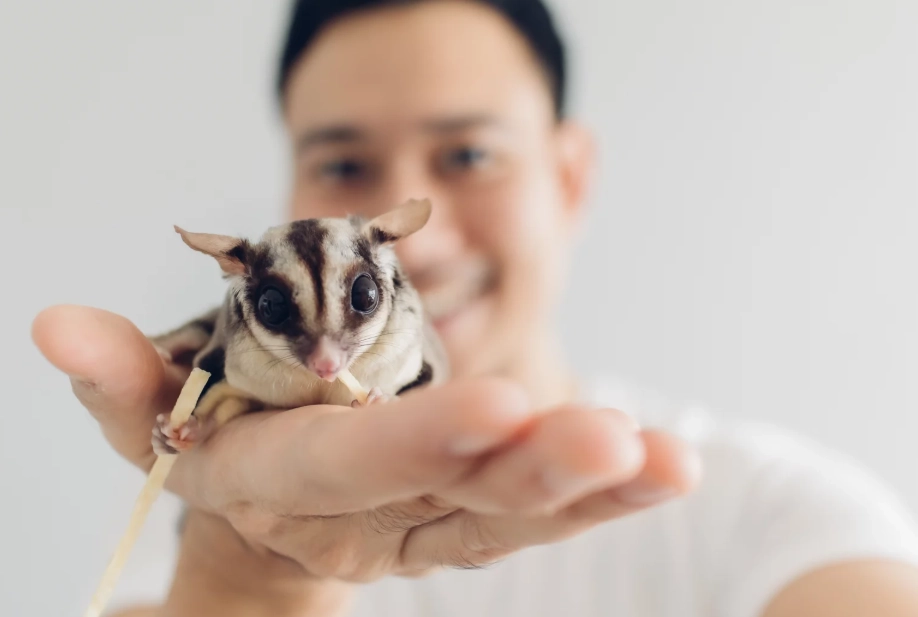 I live in an apartment that only allows "small caged pets." Which one is quietest?
The journey out of depression is rarely a straight line. It's built on small, consistent acts of self-care and connection. Bringing a small animal into your life can be one of those acts. It won't erase the hard days, but it can give you a soft reason to meet them. Do your research, be brutally honest about your capacity, and consider adoption. There are countless wonderful rabbits, rats, and guinea pigs in rescues waiting for a second chance to be someone's reason to smile.


Join the Conversation