Let's be honest. If you're reading this, you've probably spent more time scrolling through animal rescue Instagram accounts than LinkedIn this week. The thought of another day in a cubicle, far from any creature with fur, feathers, or scales, is slowly draining your soul. Good news: you're not daydreaming. You're researching. And the path from "animal lover" to "animal professional" is more crowded and varied than you think. I've spent over a decade in this space, first as a zookeeper, then managing wildlife rehabilitation volunteers, and now advising people exactly like you. The most common mistake I see? People jump straight to "veterinarian" or "zookeeper" without realizing there are at least 103 other doors to knock on. This guide isn't just a list; it's a roadmap to match your unique skills with a career that doesn't just involve animals, but revolves around them.
Your Quick Career Pathfinder
Look Beyond the Obvious Jobs
Everyone knows about veterinarians and dog trainers. But the ecosystem of animal careers is vast. Let's break it down into fields you might not have considered, each with specific roles. I've met former accountants who now run ethical pet food businesses and software engineers who develop tracking devices for sea turtles.
Animal Science & Healthcare
This is the medical and scientific backbone. Beyond the DVM (Doctor of Veterinary Medicine), there's a whole support team. Veterinary Technician/Nurse: The RNs of the animal world. You do the hands-on care, anesthesia monitoring, lab work, and client education. It's demanding but incredibly hands-on. Veterinary Assistant: More entry-level, handling restraint, feeding, cleaning, and clinic upkeep. Animal Physiotherapist/Rehabilitator: Post-surgery recovery, injury treatment, and fitness for athletic animals (horses, agility dogs). This field is booming. Animal Nutritionist: Formulate diets for pets, zoo animals, or livestock. It's part science, part puzzle-solving. Laboratory Animal Technologist: Ensures the humane care of animals in research settings. It's a critical role that demands strict ethics and compassion.
Animal Behavior & Training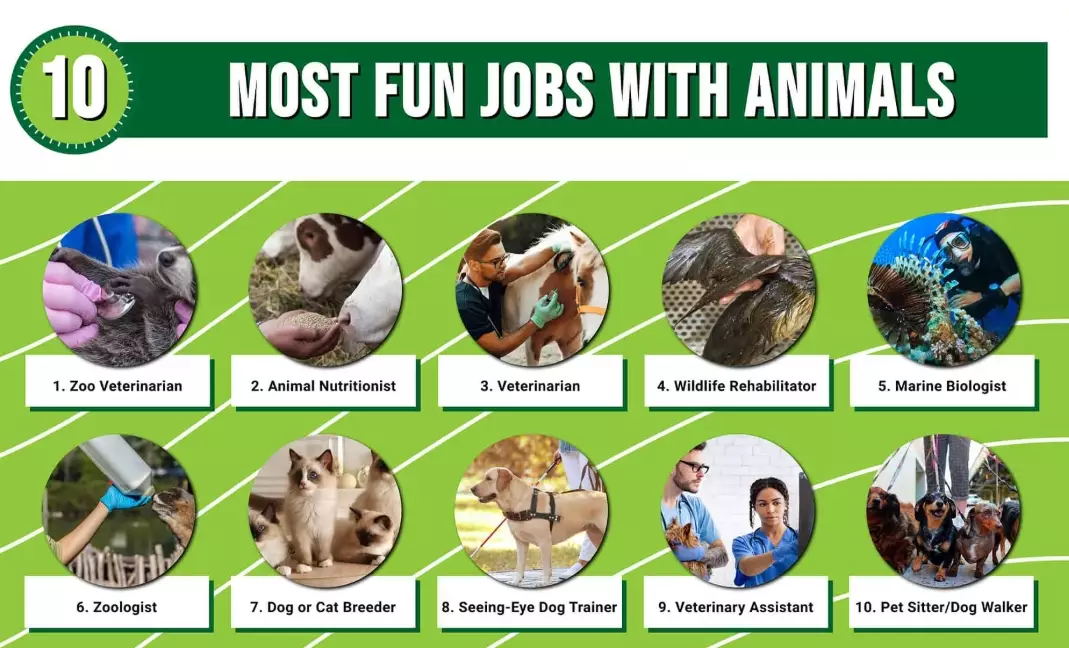
Not just "sit" and "stay." Modern animal training is based on behavioral science. Certified Professional Dog Trainer (CPDT): A credential that separates serious trainers from hobbyists. Marine Mammal Trainer: Highly competitive, focusing on enrichment, husbandry behaviors, and public education at aquariums. Behavior Consultant: You work with severe behavioral issues like aggression or anxiety, often referred by veterinarians. Service Animal Trainer: Train dogs for individuals with disabilities. The process is long and requires immense patience. Zoo Animal Enrichment Coordinator: A personal favorite. You design puzzles, scents, and activities to keep zoo animals mentally stimulated. It's creativity applied to animal psychology.
Wildlife & Conservation
This is the "save the planet" wing. Jobs are often competitive and can involve field work. Wildlife Biologist: Research specific species in their habitats. Think tracking wolf packs, studying coral reef health, or monitoring bird migrations. The U.S. Fish and Wildlife Service is a major employer. Wildlife Rehabilitator: Licensed to care for injured and orphaned wild animals with the goal of release. It's emotionally taxing but profoundly rewarding. Conservation Officer/Park Ranger: Law enforcement and public education in parks and protected areas. Field Researcher/Technician: Often short-term contract work (a season), collecting data in remote locations. It's the classic "boots on the ground" role. Conservation Advocate/Lobbyist: Work for NGOs like The World Wildlife Fund or The Nature Conservancy to shape policy and raise funds.
Business & Services for Animals
This is where entrepreneurship meets passion. You serve the humans who care for animals. Pet Groomer: Build a loyal clientele. Specialize in difficult breeds or therapeutic grooming for elderly pets. Pet Sitter/Dog Walker (Premium): Don't just walk; offer training reinforcement, detailed reports, and specialized care. Build a business, not just a side hustle. Animal Shelter or Rescue Manager: This is operations, fundraising, volunteer coordination, and marketing. It's heartbreaking and beautiful, all at once. Pet Funeral Director/Crematorium Operator: A sensitive but necessary service that helps grieving pet owners. Animal Talent Agent: Source and train animals for movies, commercials, and photo shoots.
My Two Cents: The biggest gap I see in online advice is the lack of talk about adjacent careers. You don't have to touch animals every day to make a difference. Are you a graphic designer? Non-profits need you for fundraising campaigns. A writer? Specialize in pet or wildlife journalism. A lawyer? Animal law is a growing niche. Your existing skills are likely more transferable than you think.
How to Match Your Profile to the Right Animal Career
Loving animals isn't enough. You need to audit yourself. Ask these questions brutally honestly.
| Your Trait or Preference | Best-Suited Career Examples | Think Twice About... |
|---|---|---|
| You love hands-on, daily animal contact. | Vet Tech, Dog Walker/Groomer, Zookeeper, Stable Hand, Wildlife Rehabilitator. | Remote conservation policy jobs or laboratory-based nutrition roles. |
| You're a people person and a great communicator. | Veterinarian (client-facing), Animal Behavior Consultant, Adoption Counselor, Pet Retail Manager. | Solitary field research posts or overnight animal caretaking. |
| You prefer data, research, and working independently. | Wildlife Biologist, Animal Nutritionist, Research Scientist, Conservation Data Analyst. | Busy emergency veterinary clinic work or dog daycare management. |
| You have business acumen and want to be your own boss. | Mobile Grooming Service Owner, Premium Pet Sitting Franchise, Pet Bakery, Animal Behavior Consultancy. | Government-salaried positions like Park Ranger (though some love the stability). |
| You need a stable, predictable schedule and income. | Corporate Veterinary Technician (in a large clinic), Animal Control Officer (government), Pharmaceutical Sales (animal health). | Freelance animal training or seasonal field technician work. |
| You're physically strong and don't mind messy work. | Large Animal Veterinarian/Tech, Zookeeper (hoofstock), Animal Shelter Attendant, Equine Massage Therapist. | Small animal grooming (focus on finesse) or sedentary laboratory jobs. |
I once mentored a brilliant, gentle woman who was set on becoming a wildlife rehabilitator. She lasted six months. The constant sight of suffering animals, the high mortality rate of certain species, and the emotional toll of release (which is the goal, but you get attached) was too much. She switched to being an environmental educator at a nature center, where she could inspire kids about conservation using ambassador animals. She's thriving. Know your emotional limits.
Surprising High-Paying Paths for Animal Lovers
Let's address the elephant in the room: money. Many animal jobs are lower-paying, driven by passion. But not all. If financial stability is a key concern, target these areas.
Veterinarian (Specialist): A general practice vet does okay, but specialists (veterinary dermatologists, oncologists, surgeons) can earn significantly more. The catch: more school and residency.
Veterinary Pharmaceutical or Pet Food Sales/Research: Companies like Zoetis or Hill's Pet Nutrition need sales reps, product managers, and research scientists. These are corporate salaries with benefits, often requiring a science or business background.
Animal Physical Therapist (for equine or canine athletes): Working with racehorses, show jumpers, or competitive agility/sport dogs. The clients have money and invest heavily in their animal's performance.
Board-Certified Veterinary Behaviorist: This is the highest tier of animal behavior work (a vet who does a residency in behavior). They can diagnose, prescribe medication, and design treatment plans for complex cases. Very few exist, so demand is high.
Senior Zoo or Aquarium Curator/Manager: The path starts with low-paid keeper work, but moving into management of a department (e.g., mammals, birds) or the entire animal collection comes with a respectable salary.
The trade-off is usually more education, more responsibility, and sometimes less daily hands-on time with the animals. You're managing people, budgets, and strategies.
Your First Steps: Education, Experience, and Entry Points
You don't need a 4-year biology degree to start. In fact, I advise against committing to expensive education until you've gotten your hands dirty. Here's a non-linear, practical approach.
Step 1: Volunteer Strategically. Don't just show up at the local shelter to clean cages (though that's helpful). Be strategic. Want to work in wildlife? Find a licensed rehabber. Interested in zoo work? Many have volunteer "docents" or "keeper aide" programs. Commit to 6 months. This is your reality check and your first network.
Step 2: Seek Out Entry-Level Paid Roles. These are the foot-in-the-door jobs: kennel attendant at a vet clinic or boarding facility, animal caretaker at a shelter, ranch hand, pet store associate (focus on the animal care side). The pay is low, but you're now a professional.
Step 3: Get Certified (When It Makes Sense). Certifications show commitment. For dog training, look at the Certification Council for Professional Dog Trainers (CCPDT). For vet techs, it's state-specific licensure. For grooming, a certificate from a reputable school. Don't get a generic "animal care" certificate online—they're often worthless to employers.
Step 4: Consider Formal Education. Now you know what you like. Maybe an Associate's degree for vet tech. Maybe a Bachelor's in Wildlife Biology. Maybe a business course to start your pet-sitting company properly. The education is now a targeted tool, not a shot in the dark.
I can't stress this enough: your network in this field is everything. The person you volunteer beside today might be the manager hiring for a paid position next year. Be reliable, be curious, ask questions.
Real Questions from People Making the Switch
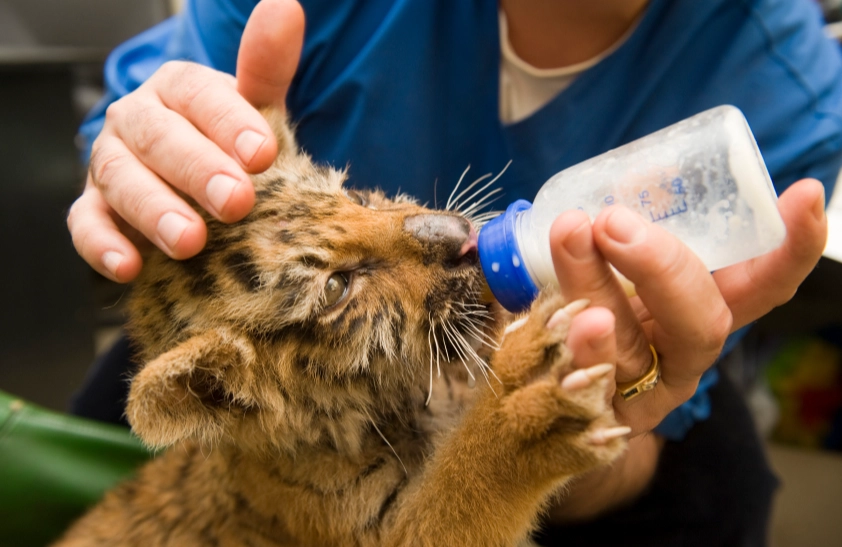 I get very emotionally attached to animals. Will that make me bad at this work or will it destroy me?
 The list of 105 careers isn't just a number—it's proof of possibility. From the aquarist maintaining coral reef ecosystems to the forensic specialist analyzing animal-related crimes, the common thread is a deep-seated drive to connect with the non-human world. Your path won't look like anyone else's. It might start with a weekend volunteering gig, lead to a certification, and blossom into a business you never imagined. The demand for skilled, passionate people in animal industries isn't going away. It's growing. So take that audit of your skills, get your hands a little dirty, and start knocking on those 105 doors. One of them will open.




Join the Conversation