In This Guide
- Why Bother? The Non-Negotiable Case for Bringing Them In
- Phase 1: The Preparation – Setting the Stage for Success
- Phase 2: The Gradual Transition – The Core of How to Train Outdoor Cat to Be Indoor
- Phase 3: Troubleshooting Common Behavioral Challenges
- Essential Gear & Enrichment: Your Shopping List for Success
- Your Top Questions Answered (The FAQ We All Need)
- The Long Game: Maintaining a Happy Indoor Life
Let's be real. The decision to transition an outdoor cat to a full-time indoor life is one of the toughest calls a cat owner can make. You see them gazing longingly out the window, their whole body yearning for that familiar backyard or alleyway. You might feel guilty, like you're imprisoning a free spirit. I've been there. My old cat, Milo, was a street-tom for his first five years before he came to me. The first few weeks inside were... challenging, to say the least.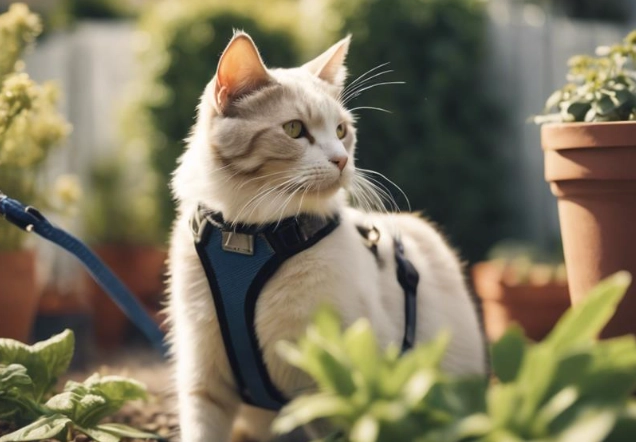
But here's the other side of the coin, the one that made me stick with it. The average lifespan of an indoor cat is dramatically longer—often 13-17 years or more—compared to just 2-5 years for a cat that lives outdoors. Let that sink in. We're talking about avoiding traffic, predators, diseases like FIV from fights, poisons, and cruel people. The data from the American Society for the Prevention of Cruelty to Animals (ASPCA) is pretty clear on this: keeping cats indoors is the single most effective way to ensure their long-term safety.
So, if you're reading this, you've likely already made the decision for their safety. The big question now is: how do you actually do it without driving both you and your cat up the wall? How to train outdoor cat to be indoor isn't about a quick fix; it's about a complete lifestyle redesign. It's swapping the great outdoors for a stimulating, safe, and engaging indoor kingdom. This guide is the roadmap I wish I'd had with Milo.
This process isn't a one-weekend project. It requires patience, empathy, and a willingness to see your home from a cat's perspective. Some cats adapt in a month; for others, like former strays, it can take six months or longer. The key is to go at their pace, not yours. Rushing it is the surest way to create a stressed, destructive, or vocal cat.
Why Bother? The Non-Negotiable Case for Bringing Them In
Before we dive into the "how," it's worth solidifying the "why." Understanding the stakes helps you stay committed during the tough days.
- Safety from Trauma: Cars are a top killer. It's a brutal, often instant end. Then there are coyotes, birds of prey (yes, even for adult cats in some areas), and dog attacks.
- Disease Prevention: The outdoors is a pathogen party. Feline Leukemia (FeLV) and Feline Immunodeficiency Virus (FIV) are spread through bites and close contact. Outdoor cats are also far more susceptible to parasites like fleas, ticks, and worms.
- Poison and Toxin Exposure: Antifreeze tastes sweet and is lethal. Rodent poisons cause internal bleeding. Some common garden plants are toxic. An outdoor cat has unlimited access to these dangers.
- Impact on Wildlife: It's an uncomfortable truth, but free-roaming cats are incredibly efficient hunters. According to research compiled by organizations like the American Bird Conservancy, they are a significant contributor to bird and small mammal mortality. Keeping them inside protects local ecosystems.
I remember the sheer panic of not being able to find Milo for two days when he was still going out. The relief when he sauntered back, with a new scratch on his ear, was mixed with a deep-seated fear. That fear is what finally pushed me to commit fully to learning how to train my outdoor cat to be an indoor cat.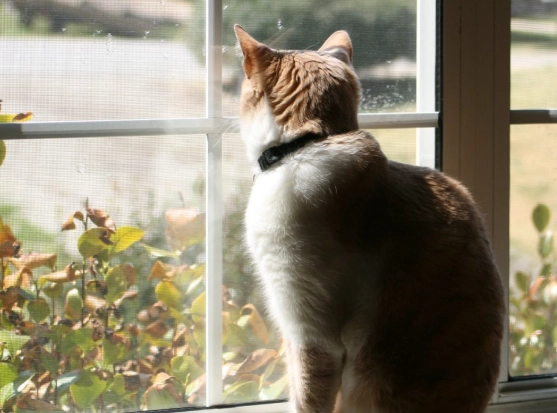
Phase 1: The Preparation – Setting the Stage for Success
You wouldn't run a marathon without training. Don't start this transition without prep. This phase happens before you officially close the door.
Vet Check & Health Baseline
First thing's first: a thorough vet visit. You need to rule out any underlying conditions that could be exacerbated by stress. Get them tested for FeLV/FIV, dewormed, and up-to-date on vaccines. Discuss the transition with your vet—they might have breed-specific or individual advice. This also establishes a health baseline, so you know if later changes (like weight gain) are related to the new lifestyle.
The Indoor Environment Audit
Look around your home. To a cat used to acres of territory, your living room can feel like a closet. You need to think vertically and horizontally.
Catification Checklist: Do you have tall, sturdy cat trees by windows? Multiple scratching posts (both vertical and horizontal)? Shelves or pathways on the walls? Hiding spots (covered beds, boxes)? A bored cat is a cat that will obsess about going outside. The International Cat Care website has fantastic resources on environmental enrichment that go beyond just a toy mouse.
Window perches are non-negotiable. They provide mental stimulation—"cat TV." Consider setting up a bird feeder outside a favorite window to create engaging entertainment.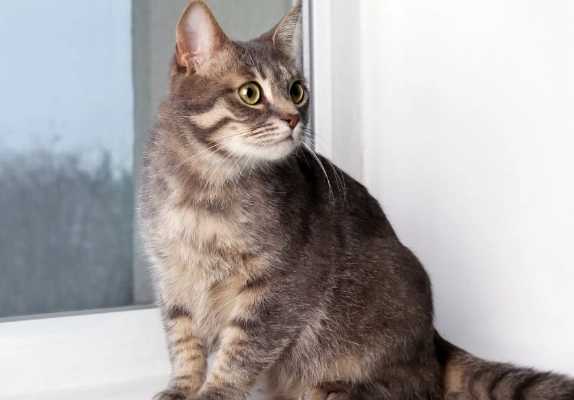
Mental Preparation (For You!)
You must be a united front. Everyone in the household needs to be on the same page. No "sneaking them out because they're meowing." That inconsistency confuses the cat and undermines the entire process. Decide on a start date and stick to it.
Phase 2: The Gradual Transition – The Core of How to Train Outdoor Cat to Be Indoor
This is where the real work begins. The golden rule: make indoors more awesome than outdoors.
Step 1: Establish a New Routine
Cats are creatures of habit. Their old routine likely involved going out at dawn/dusk. Replace that with a new, predictable indoor routine.
- Playtime is Hunting Time: Use a wand toy (like Da Bird) to mimic prey. Engage in 10-15 minutes of vigorous play at least twice a day, especially before their old "going out" times. The sequence should be: Hunt (play), Catch (let them "get" the toy), Kill (bite the toy), Eat (give a meal or treat), Groom (they'll often do this themselves), Sleep. This satisfies their primal cycle.
- Scheduled Feeding: Move away from free-feeding. Meals become high-value events that happen indoors. Puzzle feeders or snuffle mats turn eating into a brain game, burning mental energy.
Step 2: The Litter Box Masterclass
An outdoor cat has used the whole world as its litter box. A plastic tray is a strange downgrade.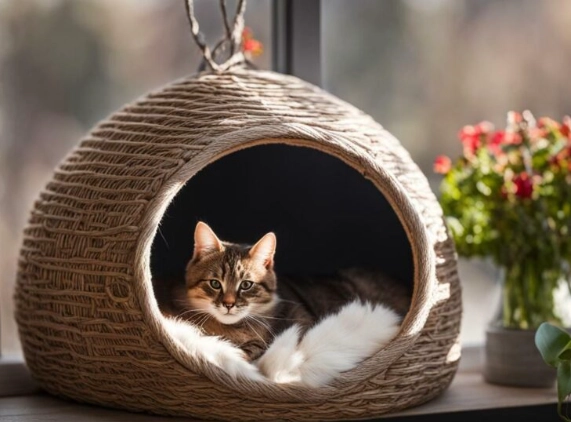
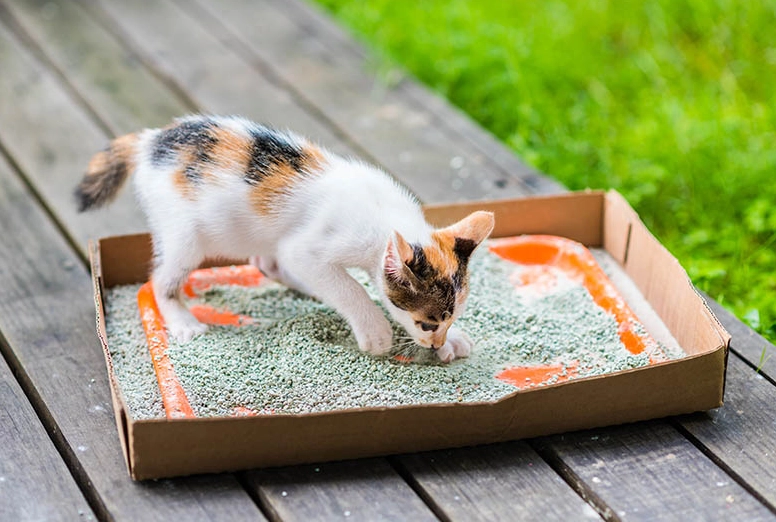
- Size & Number: Get the biggest box you can find (storage tubs work great). Have at least one more box than the number of cats (so, 2 for one cat). Place them in quiet, low-traffic but accessible locations.
- Substrate: This is critical. Try to match what they're used to. If they favored soft garden dirt, try a fine, unscented clumping litter. Some cats prefer sand-like litter, others pellets. You might need an experiment. The American Association of Feline Practitioners (AAFP) guidelines stress the importance of litter box appeal to prevent avoidance.
- Cleanliness: Scoop at least once daily. Clean the whole box with mild soap and water weekly. A dirty box is the #1 reason for indoor "accidents."
Step 3: Controlled Outdoor Access (The Bridge)
Going cold turkey is too hard for many cats. Controlled access can ease the transition.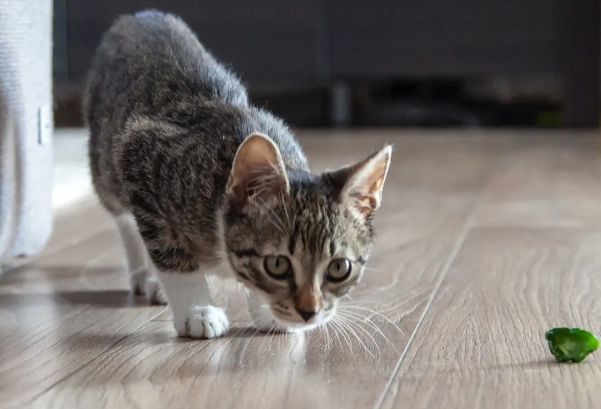
- Harness & Leash Training: This is a game-changer. It takes patience. Start by letting them wear the harness indoors for short periods, heavily rewarding with treats. Then attach the leash indoors. Finally, venture into a quiet backyard. It's not a walk like a dog; it's supervised exploration. It satisfies the sniffing and sunbathing urges safely.
- Catios (Cat Patios): If you have the space/budget, a secure outdoor enclosure is the ultimate compromise. They get fresh air, sights, and sounds without any risks. You can build one yourself or buy modular kits.
Harness training isn't for every cat, but it's always worth a try. It fundamentally changes the relationship with the outdoors from one of freedom to one of supervised adventure.
Phase 3: Troubleshooting Common Behavioral Challenges
You will hit snags. Expect them. Here's how to handle the big ones.
Excessive Meowing, Yowling, and Door Dashing
This is protest behavior. They're demanding what they used to have.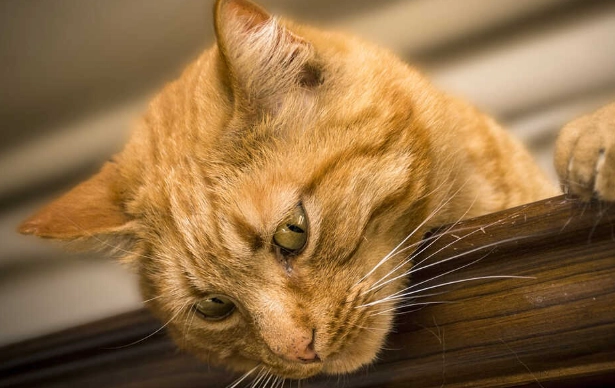
CRITICAL: Do NOT give in. If you open the door when they yowl, you have just trained them that yowling works. You've made the problem infinitely worse.
What to do instead: Completely ignore the vocalization. Turn away, be silent. The second they stop, even for a breath, reward with attention, a toy, or a treat. You're teaching "quiet gets good things." For door dashing, make entrances/exits boring. Keep toys away from the door. Practice coming in and out without acknowledging the cat. You can also use a pet gate to create a buffer zone.
Destructive Scratching or Boredom
This usually means their needs aren't being met. Revisit the enrichment checklist.
Proactive Solutions:
| Problem | Likely Cause | Solution |
|---|---|---|
| Scratching furniture | Inadequate/misplaced scratching posts, lack of nail trimming | Place sturdy sisal posts next to the favored furniture. Use catnip spray on the post. Trim nails regularly. |
| Knocking things off shelves | Boredom, seeking attention/engagement | Provide more interactive play. Create "legal" climbing spaces with cat shelves. Use museum putty to secure trinkets. |
| Over-grooming | Stress or anxiety | Increase predictable play/routine. Consider synthetic feline pheromone diffusers (like Feliway). Consult your vet to rule out medical causes. |
Litter Box Avoidance
If they're going outside the box, it's a message. First, rule out a UTI with your vet—it's often medical. If it's behavioral, ask: Is the box clean enough? Is it in a scary location (near a loud appliance)? Did you switch litters suddenly? Is the box too small or covered (some cats hate hoods)? Add another box in a different location with a different litter type as an experiment.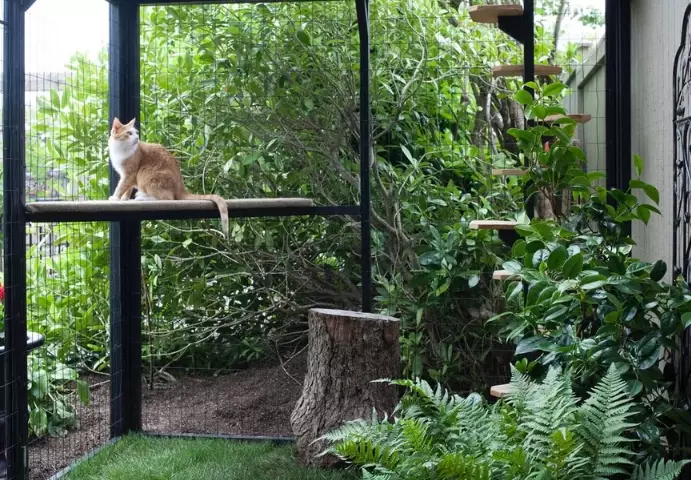
Essential Gear & Enrichment: Your Shopping List for Success
You don't need to break the bank, but a few key investments make a world of difference. I've tried a lot of junk that just collects dust.
- The Must-Haves:
- A Premium Wand Toy: Don't cheap out. Get one with replaceable refills. This is your primary bonding and energy-burning tool.
- A Tall, Sturdy Cat Tree: Flimsy ones tip over and scare cats. It needs to be stable enough for a running jump. Place by a window.
- Multiple Scratching Surfaces: Different textures (sisal, carpet, cardboard) in different orientations.
- Puzzle Feeders: Start simple with a slow-feeder bowl, then move to puzzle balls or more complex toys.
- The Game-Changers:
- Automatic Laser Toy or Motion-Activated Toy: For when you're busy or at work. Breaks up the day. (Note: always end a laser session by pointing it at a physical treat so they get a "catch.")
- Window Hammock or Perch: Maximizes that "cat TV" real estate.
- Clicker: For training fun tricks (high-five, spin). Mental gymnastics are tiring!
- The "Maybe" List:
- Cat Shelves/Walkways: Amazing if you can install them. Creates a highway on the walls.
- Cat Grass Kit: Some cats love to nibble on wheatgrass. Provides fiber and a taste of greenery.
Your Top Questions Answered (The FAQ We All Need)
Let's tackle the worries that keep you up at night.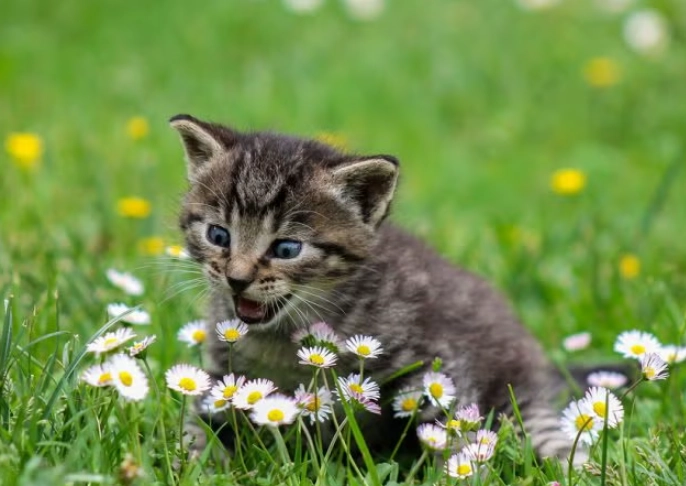
Boredom is not depression. A cat that sleeps 18 hours a day on your couch because there's nothing to do is bored. A depressed cat shows more severe signs: not eating, hiding constantly, neglecting grooming. If you provide a rich, engaging environment—play, climbing, exploring, puzzles—you're not creating depression; you're preventing it. The goal of learning how to train outdoor cat to be indoor is to replace the random stimuli of the outdoors with curated, safe stimulation.
There's no universal timeline. A younger cat or one with less entrenched outdoor habits might adjust in 4-8 weeks. An older, lifelong outdoor roamers or a former feral might need 4-6 months of consistent work. The first two weeks are usually the hardest. Don't judge the process by the first month.
This is the guilt question. Is it more cruel to risk a painful, early death or to provide a long, healthy, and actively enriched life? Love isn't about giving unlimited freedom; it's about providing the best possible care. Keeping them safe is the ultimate act of love, even if they don't understand it. You are responsible for their wellbeing.
It's a common side effect. They're burning fewer calories. This is why scheduled feeding (not free-feeding) and dedicated playtime are non-negotiable parts of the transition. Use a puzzle feeder to slow down eating. Talk to your vet about adjusting portion sizes based on their new, less active lifestyle.
After a full, successful transition (think 6+ months with no attempts to dash and content behavior), some people reintroduce strictly controlled access via a secure catio or harness/leash. Letting them roam freely again almost always undoes all your hard work and reintroduces all the risks. Personally, I wouldn't. The peace of mind knowing exactly where Milo is, safe and warm, is worth more than the fleeting idea of his "freedom."
The Long Game: Maintaining a Happy Indoor Life
Once the initial transition is over, the work shifts to maintenance. Rotate toys to keep them novel—put some away for a month, then swap them out. Introduce new puzzles or training tricks. Refresh catnip on scratching posts.
Most importantly, observe your cat. Are they active, playing, eating well, and seeking affection? Those are the signs of a content indoor cat. The longing stares out the window might never completely disappear, but they will become less frequent and less intense. They'll find their favorite sunbeam on the carpet, their special perch for bird-watching, their routine of play-eat-sleep with you.
The journey of how to train outdoor cat to be indoor is challenging, but the reward—a healthy, safe companion for potentially a decade longer—is immeasurable.
It's been three years since Milo last roamed free. He's healthier, his coat is glossier, and he's avoided the fights and illnesses that marked his youth. He still sits by the window, but now it's a calm observation, not a desperate plea. He has his kingdom, and I have my peace of mind. You can get there too. Start with patience, arm yourself with knowledge, and commit to seeing it through. Your cat's longest, best life is waiting for them—indoors.


Join the Conversation