Let's cut to the chase. You're probably thinking about this all wrong. The question isn't just "how many times a day should I feed my rabbit pellets?". It's "how little pellet food does my rabbit actually need to stay healthy?"
Here's the short answer most rabbit care sites give you: For an adult rabbit (over 7 months), feed a measured amount of pellets once a day. Twice a day is fine for younger kits or if it helps with medication. But that's just the surface. The real secret, the one that transformed how I care for my own rabbits, is understanding that pellets are a supplement, not the main course. The cornerstone of their diet, and what should be available 24/7, is unlimited, high-quality grass hay.
I learned this the hard way. One of my first rabbits, Thumper, became overweight and had constant gut stasis scares because I followed the old advice of filling his bowl with pellets. It took a vet visit and a deep dive into resources from the RSPCA and the Rabbit Welfare Association & Fund (RWAF) to realize I was essentially feeding him fast food every day.
What's Inside?
The Big Pellet Misconception (And Why It Matters)
Think of pellets like a daily vitamin or a concentrated nutrient top-up. They were originally developed for commercial meat rabbits to promote rapid growth – a goal that's the opposite of what we want for our long-lived pet companions. A diet too rich in pellets leads to a host of problems:
- Obesity: Pellets are calorie-dense. A rabbit that fills up on pellets won't eat enough hay.
- Dental Disease: Rabbit teeth need constant grinding on fibrous hay to wear down properly. Soft pellets don't provide this abrasion.
- Gut Stasis: This is the big, scary one. A rabbit's digestive system is designed to process large amounts of fiber. Low fiber from high pellet intake slows everything down, which can be fatal.
- Selective Eating: If you use a muesli-style mix (seeds, nuts, colored bits), your rabbit will pick out the tasty, unhealthy parts and leave the nutritious pellets.
The Golden Ratio: A healthy rabbit diet should be roughly 80-90% unlimited grass hay (like Timothy or Meadow hay), 10% fresh leafy greens and herbs, and only about 5% or less high-quality pellets. That tiny pellet percentage is why measuring and limiting it is so critical.
The Rabbit Pellet Feeding Schedule By Age
Frequency and portion size change dramatically as your rabbit grows. This isn't a one-size-fits-all rule. Here’s a breakdown that aligns with veterinary and welfare organization guidelines.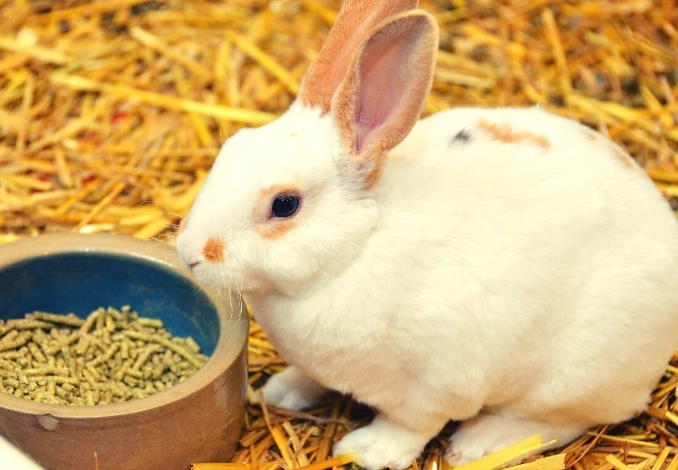
| Life Stage | Age | Pellet Feeding Frequency | Daily Pellet Portion (Guide) | Key Notes |
|---|---|---|---|---|
| Baby Bunnies (Kits) | Birth - 3 weeks | Mother's milk only | N/A | No pellets needed. |
| Weaning Kits | 3 weeks - 7 months | Unlimited access* | As much as they want | *Alongside alfalfa hay & greens. Supports rapid growth. |
| Young Adults | 7 months - 1 year | Start to limit; 1-2 times/day | 1/4 cup per 6 lbs body weight | Transition from alfalfa to grass hay. Reduce pellets gradually. |
| Adult Rabbits | 1 year - 5 years | Once daily (or split) | 1/8 cup per 6 lbs body weight | This is the standard rule. Adjust for activity level. |
| Senior Rabbits | 5+ years | Once daily, monitor closely | 1/8 cup or less per 6 lbs | May need more if losing weight. Consult your vet. |
That "1/8 cup per 6 lbs" for adults is the magic number. For an average 4-5 lb Netherlands Dwarf, that's about a tablespoon. For a 10 lb Flemish Giant, it might be around two level tablespoons. Use a proper measuring spoon, not a guess from a coffee mug.
When should you feed them? Most owners find that offering the daily pellet ration in the evening works well. It gives them something to look forward to and can help settle them for the night. Morning is also fine. Consistency matters more than the specific hour.
What About Pregnant, Nursing, or Underweight Rabbits?
This is a crucial exception. Rabbits that are breeding, nursing young, or are underweight on a vet's advice will need significantly more pellets – often unlimited access or double the adult portion. Their energy and nutrient demands are much higher. Always follow your veterinarian's specific guidance in these situations.
Not All Pellets Are Created Equal: How to Pick the Right Bag
Feeding the right amount of a bad pellet is still a problem. Walk down any pet store aisle and you'll see bags full of colorful bits, seeds, and dried corn. Avoid these like the plague.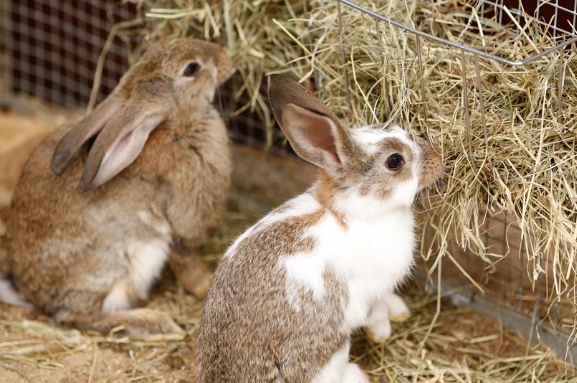
A high-quality pellet should look boring. It should be:
- High in Fiber: Look for crude fiber of 18% or higher. This is non-negotiable.
- Low in Protein and Fat: For adults, protein should be around 12-14%, fat around 2-3%. Higher levels are for growing kits.
- Low in Calcium: Especially important for older rabbits prone to bladder sludge. Under 1% is good.
- Uniform in Shape: Just plain, greenish-brown pellets. No seeds, nuts, corn, or colored crispy things mixed in.
- Timothy Hay-Based: The first ingredient should be "Timothy Hay Meal" or something similar. Avoid alfalfa-based pellets for adult rabbits (too rich in calcium and protein).
Brands like Oxbow Essentials, Science Selective, and Burgess Excel are often recommended by rabbit vets because they meet these criteria. Don't just grab the cheapest bag or the one with the cutest rabbit picture.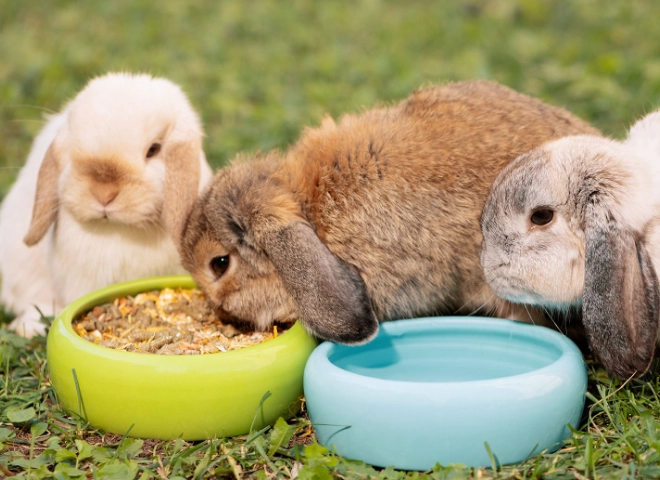
Watch Out For Sugar: Some "gourmet" or treat pellets add molasses or other sweeteners to make them palatable. Check the ingredients list. Sugar has no place in a rabbit's daily diet and disrupts their delicate gut bacteria.
3 Common Pellet Feeding Mistakes Even Experienced Owners Make
After talking to countless rabbit owners at rescues, I see the same patterns.
Mistake #1: Using a Bowl. It sounds silly, but it's true. Dumping pellets in a bowl encourages rapid, mindless eating. It's over in 60 seconds. Instead, try scattering the pellets in their hay, hiding them in a cardboard tube stuffed with hay, or using a slow-feeder puzzle toy. This turns mealtime into foraging time, which is mentally stimulating and physically slows them down.
Mistake #2: Not Adjusting for Treats. Did you give your bunny a small piece of banana or a cranberry today? That's fine, but those calories count. On heavy treat days, consider slightly reducing the pellet portion. Their total caloric intake needs to stay balanced.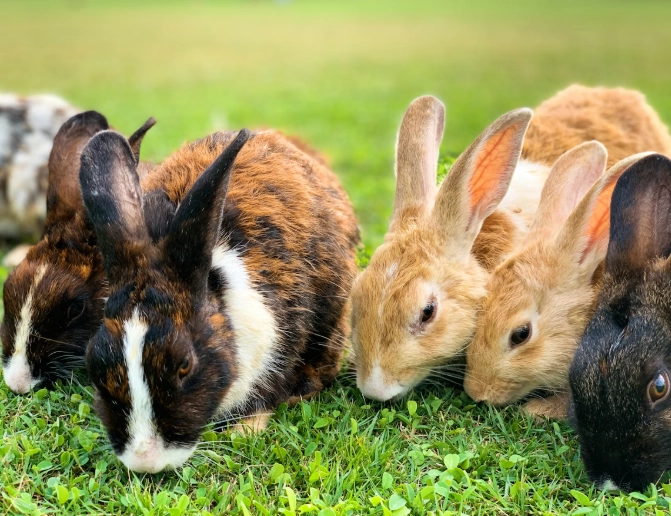
Mistake #3: Panic-Feeding When They Skip Greens. Sometimes a rabbit will turn their nose up at their morning cilantro. The instinct is to give more pellets to "make sure they eat something." Resist this. A healthy rabbit can go a day without greens as long as they are eating tons of hay. Withholding pellets actually encourages them to try the greens later. It teaches them that hay and greens are the staples, not the backup plan.
Your Rabbit Pellet Questions, Answered
So, back to your original question. How many times a day should you feed your rabbit pellets? For most adult rabbits, the answer is simple: once a day, a carefully measured small amount. But the real work isn't in the counting of meals; it's in vigilantly ensuring that those pellets are just a tiny part of a world built on hay. Shift your focus from the pellet scoop to the hay rack. Watch your rabbit burrow into a fresh pile of Timothy hay, and you'll know you're on the right track. Their health, their teeth, and their happiness depend on that simple, fibrous staple far more than on any pellet we could ever measure out.
Join the Conversation