Let's cut straight to it: you don't need a four-year biology or veterinary degree to build a meaningful career with animals. The animal care industry is vast, and many of its most rewarding roles prioritize hands-on experience, certification, and raw passion over formal education. I've spent over a decade in and around this field, from volunteering at overcrowded shelters to consulting for professional dog trainers, and I've seen firsthand where the real opportunities lie for dedicated people without a diploma.
This guide isn't a fluffy list of "dream jobs." It's a practical roadmap to 10 animal careers you can realistically start working towards tomorrow. We'll cover what you'll actually do, how much you can expect to earn (using data from sources like the U.S. Bureau of Labor Statistics), the unglamorous parts nobody talks about, and the exact steps to get your foot in the door.
Your Quick Guide to Animal Careers
The 10 Animal Jobs You Can Start Without a Degree
Here’s a detailed look at the most accessible paths. I've ranked them based on a mix of entry-level accessibility, growth potential, and stability.
| Job Title | Typical Duties | How to Start & Entry Requirements | Avg. Pay (Entry-Level)* |
|---|---|---|---|
| 1. Dog Trainer | Teaching basic obedience, addressing behavioral issues (like leash reactivity), conducting group classes, client consultations. | Apprentice under a certified trainer. Get certified (e.g., CCPDT, IACP). Build a portfolio with volunteer dogs. | $30,000 - $45,000 |
| 2. Veterinary Assistant | Restraining animals, cleaning kennels, assisting with exams, basic lab work, client communication. | High school diploma. On-the-job training is standard. Completing a short AVA-approved program helps. | $28,000 - $35,000 |
| 3. Animal Shelter/Rescue Worker | Daily animal care (feed, clean), behavioral assessments, adoption counseling, medical intake, outreach events. | Start as a volunteer. Demonstrate reliability. Move into kennel staff role. Passion and resilience are key. | $25,000 - $32,000 |
| 4. Pet Groomer | Bathing, brushing, haircutting, nail trimming, ear cleaning, identifying skin/health issues. | Attend a grooming academy (weeks/months) or start as a bather/groomer assistant in a salon. | $25,000 - $40,000 (+ tips) |
| 5. Zoo or Aquarium Keeper Aide | Preparing diets, cleaning habitats, observing animal behavior, assisting with enrichment, record-keeping. | Extensive volunteering/internships are mandatory. Biology coursework helps but isn't always required for aide roles. | $26,000 - $32,000 |
| 6. Wildlife Rehabilitator Assistant | Feeding orphaned/injured wildlife, cleaning enclosures, administering medication, assisting with releases. | Volunteer at a licensed rehab center. Complete basic wildlife rehab courses (often online). | Often volunteer to start; paid roles ~$24,000 - $30,000 |
| 7. Pet Sitter/Dog Walker | In-home animal care, feeding, exercise, medication administration, providing updates to owners. | Build trust via platforms like Rover or start your own business. Get insured and bonded. CPR certification is a plus. | Varies widely; $20-$30/hr. Can grow into a full-time business. |
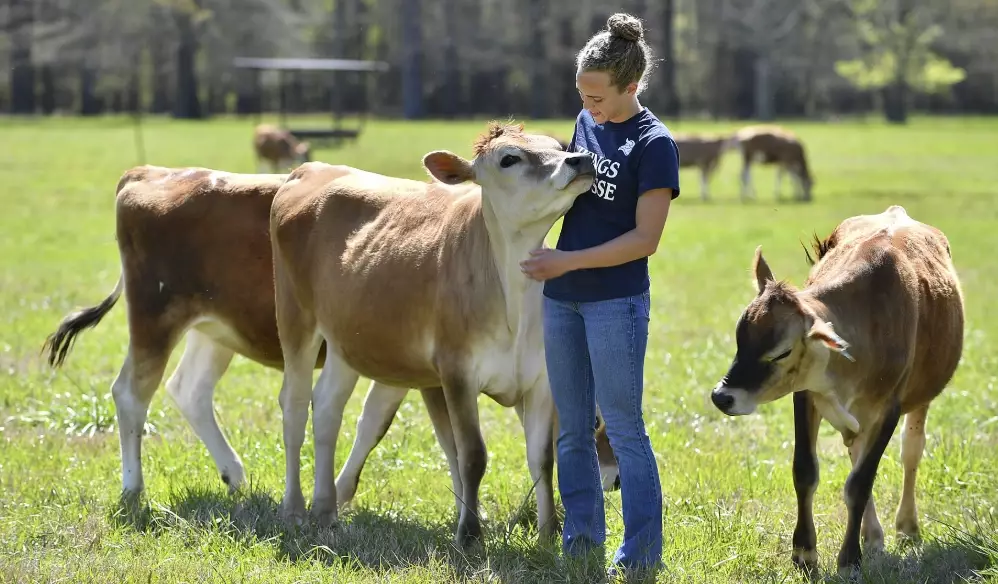
| 8. Stable Hand/Groom | Mucking stalls, feeding/watering horses, grooming, tacking up, turnout, basic barn maintenance. | Start at a local stable as a volunteer or working student. Physical fitness and reliability are crucial. | $24,000 - $30,000 (often includes housing) |
| 9. Animal Control Officer | Responding to calls about stray/nuisance animals, investigating neglect, enforcing ordinances, public education. | High school diploma. Often requires peace officer training or academy. Start as an assistant or in shelter field. | $35,000 - $45,000 |
| 10. Farm/Ranch Hand | Livestock care (feeding, herding), basic health checks, facility maintenance, assisting with birthing. | No formal education needed. Physical stamina is key. Look for "will train" ads on ranch/farm job boards. | $25,000 - $35,000 (often with housing/meals) |
*Pay ranges are estimates based on BLS data for "Animal Care and Service Workers" and industry surveys for entry-level positions. Geographic location significantly impacts pay.
A Closer Look: The Path to Dog Training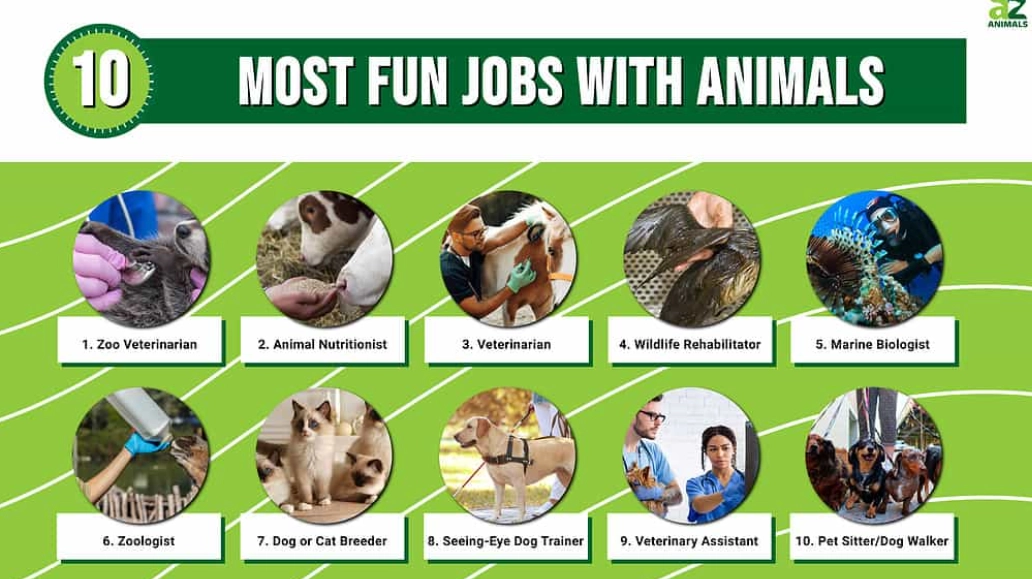
This is one of the most sought-after animal jobs without a degree, and for good reason. You can build a real business. But here's the non-consensus part I see newcomers miss all the time: your primary client isn't the dog, it's the human. 70% of this job is coaching frustrated, sometimes skeptical, pet owners. The best technical dog skills won't matter if you can't communicate clearly and empathetically.
I knew a trainer who started by offering free "teenage dog" workshops at her local library. She didn't have a fancy studio, just a leash and a well-behaved demo dog. That built her reputation and client list faster than any ad. Get certified through a respected organization like the Certification Council for Professional Dog Trainers (CCPDT)—it's the closest thing to a "degree" that clients and employers respect.
The Unsung Hero: Animal Shelter Work
Shelter work is the backbone of animal welfare and a common entry point. The emotional toll is high—you'll see neglect, make euthanasia decisions, and deal with compassion fatigue. But the skill set you gain is unparalleled: animal handling, basic medical care, behavior assessment, and customer service. It's a brutal but powerful bootcamp. The people who last aren't just "animal lovers"; they're incredibly organized, emotionally resilient, and see the value in administrative tasks as much as in cuddling puppies.
How to Land Your First Animal Job with Zero Experience
You can't just apply online and hope. The field runs on demonstrated commitment.
The Golden Ticket: Volunteering. This isn't optional. Shelters, rescues, rehab centers, and even some stables run on volunteer power. Show up consistently for 6 months. Do the dirty work without complaint. You're not just earning a reference; you're proving your work ethic in an environment where burnout is high. This is how you turn "no experience" into "six months of hands-on kennel experience."
Next, get specific certifications. For dog training, look at CCPDT. For grooming, a certificate from a recognized academy. For wildlife rehab, the National Wildlife Rehabilitators Association (NWRA) offers basic courses. These show initiative.
Finally, network in the trenches. Talk to the vet techs at the clinic where you volunteer. Chat with the senior keeper at the zoo. This industry is small, and jobs are often filled through word-of-mouth before they're ever posted.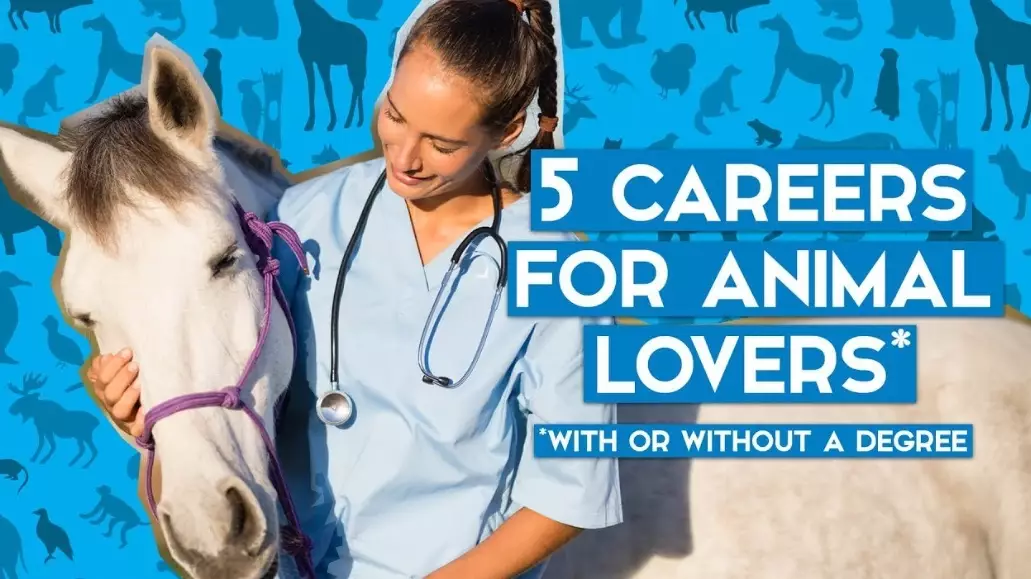
The Reality Check: What They Don't Tell You
Let's be brutally honest. Working with animals isn't a petting zoo.
The physical demands are no joke. You'll lift 50lb bags of food, scrub concrete floors, work outdoors in all weather, and get scratched, bitten, or kicked. Your back and knees will feel it.
The pay is low, especially at first. Passion doesn't pay the rent. You're often working for mission-driven nonprofits or in service industries with thin margins. Financial planning is crucial.
It's emotionally draining. You'll bond with animals you then have to adopt out or, in worst cases, euthanize. You'll see cases of severe neglect. You'll deal with difficult or grieving clients. Self-care isn't a buzzword; it's a survival skill.
I see too many bright-eyed newcomers quit within a year because they only pictured the cute moments. The ones who build lasting careers are those who find deep satisfaction in the routine care, the cleaning, the paperwork, and the small victories—like seeing a shy shelter cat finally seek out a human, or helping a client's dog overcome a fear of stairs.
Salary Insights and Long-Term Growth
According to the U.S. Bureau of Labor Statistics, the median annual wage for animal care and service workers was $29,790 in May 2023. But that's a median—it includes part-timers and brand-new workers.
Growth happens through specialization and responsibility. A kennel worker becomes an adoption coordinator. A vet assistant takes on more technical duties. A dog trainer specializing in severe anxiety cases can charge premium rates. A groomer who masters difficult breeds or medical grooming opens their own salon.
Leadership roles like Shelter Manager, Head Keeper, or Training Director are where salaries can reach $50,000-$70,000+. These require years of experience, not a degree.
Your Burning Questions Answered
I'm in my 30s and want to switch careers. Is it too late to start an animal care job with no background?
It's one of the best fields for a career changer. Your life experience—customer service, project management, even parenting—is a huge asset. Shelter directors love hiring mature volunteers who show consistency. Start volunteering one weekend a month to test the waters. Your professionalism from another field will set you apart.
What's the single biggest mistake people make when trying to get their first paid animal job?
Leading with "I just love animals." Everyone says that. It's meaningless. Instead, lead with action and specific skills. Say, "I've volunteered 15 hours a week at XYZ Shelter for four months, primarily socializing fearful dogs and managing the adoption desk software." That shows love translated into tangible, useful experience.
 Can you make a living wage as a dog walker or pet sitter, or is it just side gig money?
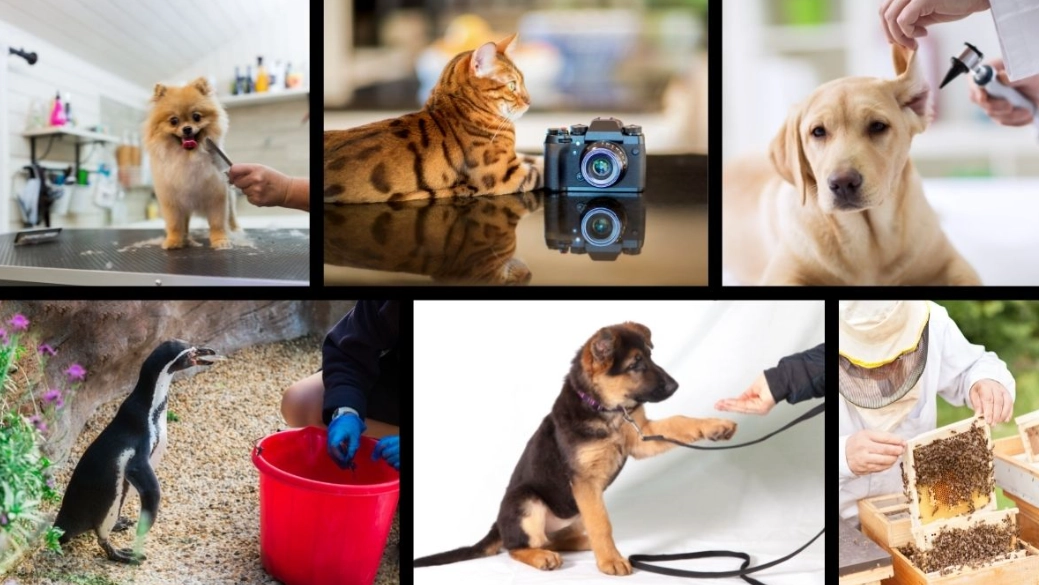
You can, but you must treat it as a business, not a gig. The people making $50k+ are insured, bonded, have first-aid certifications, use professional booking software, and have a clear contract. They niche down: maybe they only serve a specific neighborhood, specialize in reactive dogs, or offer midday puppy visits. They build recurring clients, not one-off bookings. The platform fees from apps will eat your profits; use them to start, then build your own direct client base.
Is working at a kill shelter morally difficult, and should I avoid it?
It's the hardest job in the industry, but avoiding it doesn't help the animals there. These facilities need compassionate, skilled staff more than anywhere. The moral weight is heavy, but the work is profoundly meaningful. You are the last source of kindness an animal may know. If you can handle it, it's where you can make the most direct impact. Don't judge the facility; judge whether you have the emotional fortitude to work within a broken system to improve it, one animal at a time.
 What's a hidden, in-demand skill that makes someone stand out in animal jobs?
Digital literacy and communication. Can you take a good adoption photo? Manage the shelter's social media? Write compelling adoption profiles? Track medical data in a spreadsheet? So much of modern animal welfare runs on these "office" skills. A volunteer who can beautifully photograph cats for Petfinder is worth their weight in gold.





Join the Conversation