Let's cut to the chase. Can you get paid for working at an animal shelter? Yes, absolutely. But the full picture is more nuanced than a simple yes or no. While the heart of shelter work is powered by incredible volunteers, there are dedicated, paid positions that keep these vital organizations running. The confusion often comes from mixing up volunteer roles with professional careers in animal welfare. This guide will walk you through exactly what paid shelter work looks like, what those jobs pay, how to get your foot in the door, and whether it's the right path for you.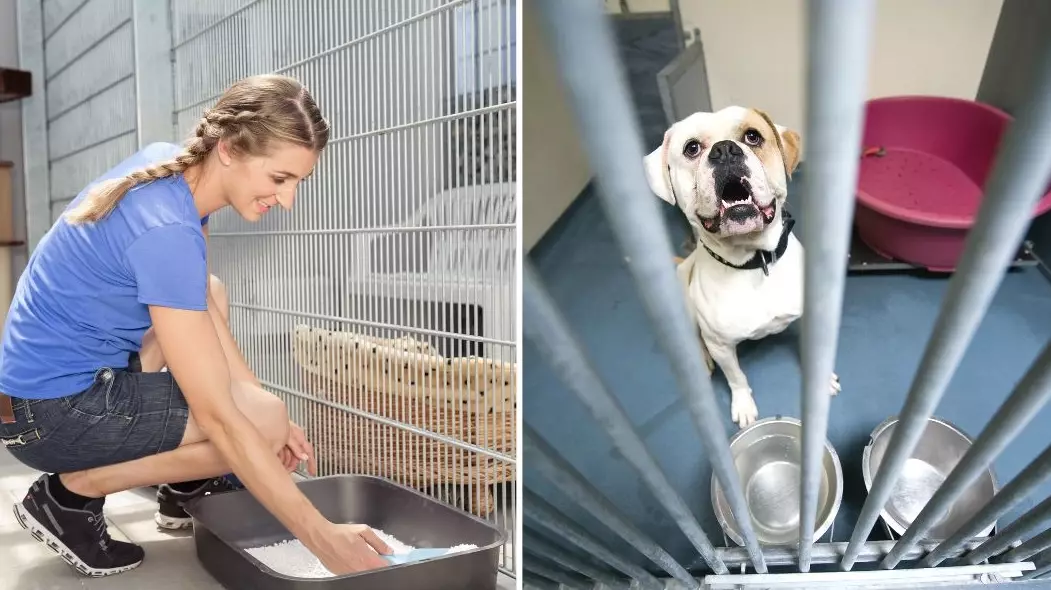
What's Inside?
The Reality of Paid Work at Animal Shelters
Think of an animal shelter like a small hospital or a community center. It needs a professional staff to function. The paid roles are the backbone—they provide consistency, expertise, and manage the complex operations that volunteers support. You won't find hundreds of openings, and the competition can be fierce because so many people want to turn their love for animals into a paycheck.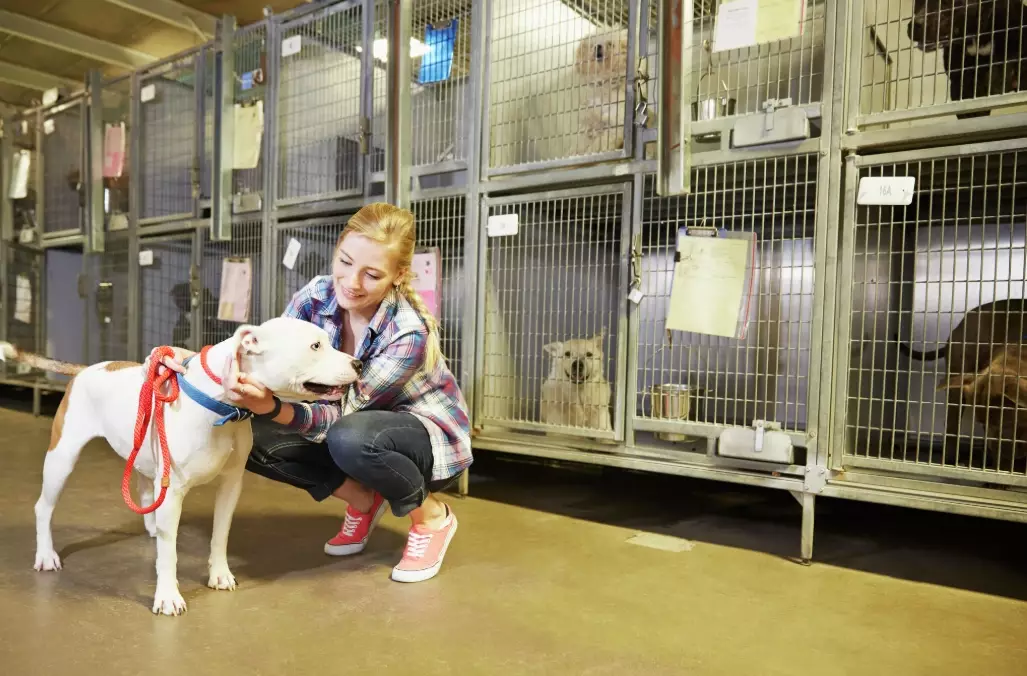
The types of jobs vary by the shelter's size and funding. A large municipal shelter or a well-funded private one like the ASPCA or a local Humane Society will have more specialized roles. A tiny rural shelter might have one or two paid staff members wearing all the hats.
Common Paid Positions at Animal Shelters
Here’s a breakdown of the most common careers where you can actually earn a salary working directly within a shelter environment. Salaries are based on U.S. national averages from sources like the U.S. Bureau of Labor Statistics and nonprofit salary surveys, but remember, location and organization size cause huge swings.
| Job Title | Primary Responsibilities | Typical Salary Range (Annual) | Experience/Education Often Needed |
|---|---|---|---|
| Animal Care Technician / Kennel Attendant | Feeding, cleaning kennels, basic grooming, walking dogs, socializing animals, monitoring health. | $24,000 - $32,000 | High school diploma. Hands-on animal experience (volunteering, petsitting) is key. |
| Veterinary Technician / Assistant | Assisting the shelter vet with exams, vaccinations, surgeries, lab work, administering medication. | $30,000 - $45,000 | State certification (Vet Tech) or assistant training program. Clinical experience. |
| Adoption Counselor | Screening potential adopters, matching animals with families, processing adoption paperwork. | $28,000 - $38,000 | Customer service skills, animal knowledge, often requires experience in shelter setting. |
| Animal Control Officer | Responding to calls about stray, injured, or dangerous animals; enforcing local ordinances. | $35,000 - $50,000 | High school diploma + specific training/certification (varies by municipality). Law enforcement aptitude. |
| Shelter Manager / Director | Overseeing all operations: staff, budget, fundraising, community relations, policy. | $45,000 - $70,000+ | Bachelor's degree (often in Business, Nonprofit Mgmt), years of progressive shelter experience. |
| Development & Fundraising Coordinator | Writing grants, managing donor databases, organizing fundraising events. | $40,000 - $55,000 | Bachelor's degree. Experience in fundraising, marketing, or communications. |
Look at that salary column. This is the part nobody talks about enough. You don't go into shelter work for the money. You do it despite the money. The nonprofit sector is famously lean, and animal welfare is often underfunded. The emotional payoff is high; the financial payoff is modest. A manager with a decade of experience might earn what an entry-level software developer makes.
But here's a non-consensus point I've seen after years in this field: people often undervalue the "support" roles. Everyone wants to be the one cuddling kittens. The paid positions that are actually easier to get and offer more stability? Fundraising, marketing, office administration. These jobs are critical—they bring in the money that pays for the cat food and the vet bills—and they're harder to fill because they're not as "glamorous." If you have those skills, your path to a paid shelter job might be much shorter.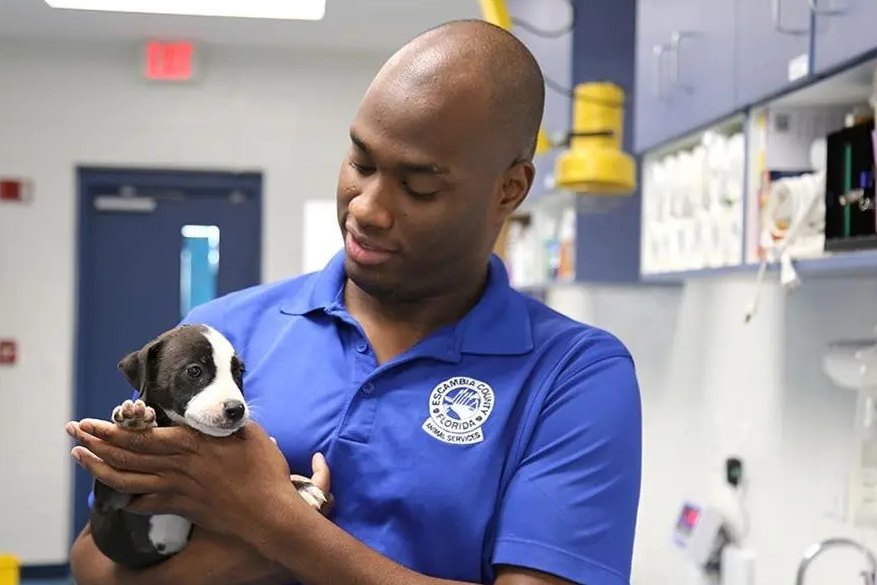
How to Land a Paid Animal Shelter Job
You can't just walk in with love in your heart and get a paycheck. It's a professional environment. Here’s a concrete, step-by-step approach based on what hiring managers actually look for.
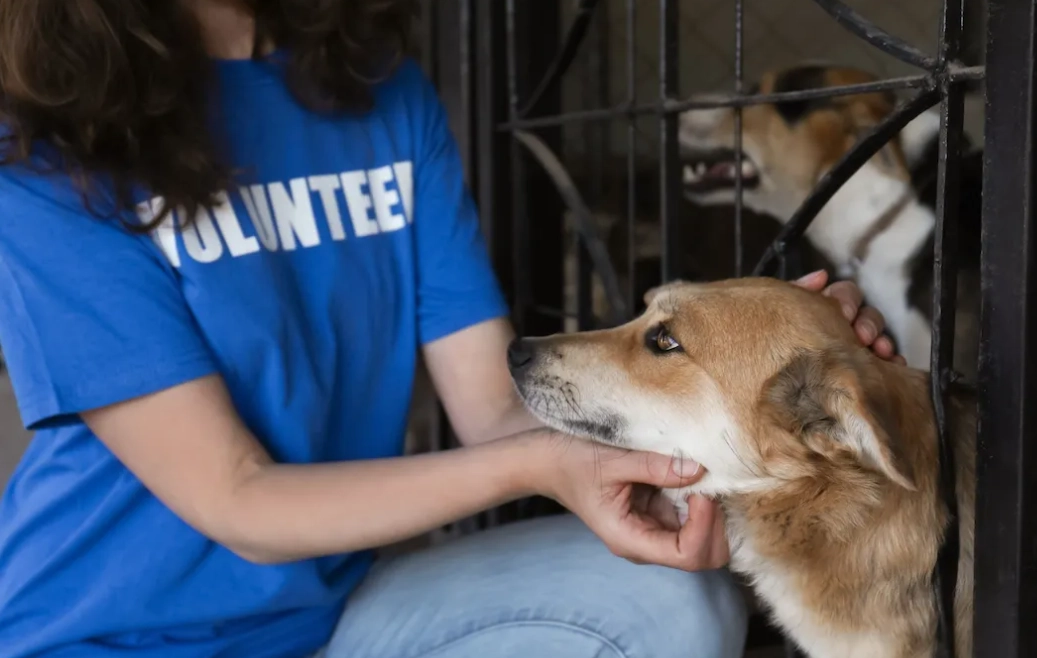
Step 1: Get Your Hands Dirty (For Free). I know, it sounds like a catch-22. But volunteering is non-negotiable. It's your internship. Start as a weekend dog walker or cat socializer. Do it consistently for at least 6 months. This shows commitment, teaches you the shelter's rhythms, and lets the staff see your work ethic. Most importantly, it filters out people who romanticize the work but can't handle the smell, the sadness, or the scrubbing.
Step 2: Develop a Tangible, Needed Skill. While volunteering, don't just do the basics. Ask to be trained in something specific. Can you learn to process incoming animals? Help with basic adoption screenings? Assist the vet tech? The volunteer who can reliably administer flea medication or write compelling pet bios for the website becomes an invaluable asset—and a prime candidate when a paid kennel attendant or adoption counselor role opens up.
Step 3: Treat the Application Like a Real Career Move. When a job posts, your application needs to bridge the gap between passion and profession.
- Resume: Don't just list "volunteer." Frame it like a job. "Managed daily care and enrichment for a cohort of 15+ dogs." "Assisted adoption team, contributing to a 20% increase in feline adoptions through improved in-kennel socialization." Use numbers and outcomes.
- Cover Letter: This is where your insider knowledge from volunteering shines. Mention the shelter's specific programs you admire. Talk about a time you handled a difficult animal or a demanding adopter. Show you understand the business of saving lives.
Step 4: Network Internally. Let the manager and the volunteer coordinator know you're interested in paid work. Be professional, not pushy. Say, "I love my volunteer work here and am very interested in building a career in animal welfare. I'd be grateful if you could keep me in mind if any entry-level staff positions become available." Often, jobs are filled before they're ever publicly advertised.
Building Your Animal Care Resume When You're Starting From Zero
No shelter experience yet? You need to build a foundation. Paid pet sitting or dog walking (through apps or independently) shows responsibility. A part-time job at a boarding kennel, dog daycare, or vet clinic is gold. Even retail at a pet store gives you animal product knowledge and customer service skills relevant to adoption counseling.
Consider a relevant certificate. A short online course in animal behavior, shelter operations, or even nonprofit management from a platform like Coursera can make your application stand out. It shows initiative beyond just loving animals.
The Volunteer Path: Stepping Stone or Dead End?
This is a critical mental shift. Volunteering is not a consolation prize. It's the primary pipeline for paid staff. In my experience, the most dedicated staff often come from the volunteer pool. They know the culture, the animals, and the challenges.
But there's a trap. You can get stuck as the "forever volunteer"—reliable, helpful, but never seen as staff material. To avoid this, you must volunteer with professional intent. Show up on time, treat it like a job, take on more responsibility, communicate effectively. Ask for feedback. The volunteer who mopes because they're not getting paid is quickly labeled as having the wrong attitude. The one who shows up rain or shine, asks smart questions, and helps solve problems? That's who gets hired.
Key Takeaway: View your volunteer time as a paid, extended job interview and training period. The shelter is investing in training you; you're investing time to prove your value. It's a mutual trial run.
Weighing the Pros and Cons of a Paid Shelter Role
Let's be brutally honest. This isn't for everyone.
The Pros (The Why):
- Purpose: Your work directly saves and improves lives. Every day.
- Community: You work alongside people who share your passion. The camaraderie is powerful.
- Variety: No two days are the same. You'll use your brain, your hands, and your heart.
- Skill Development: You'll learn animal behavior, medical basics, customer service, crisis management—skills that are transferable.
The Cons (The Reality Check):
- Low Pay: As the table shows, salaries are low, especially for front-line care. Benefits may be minimal.
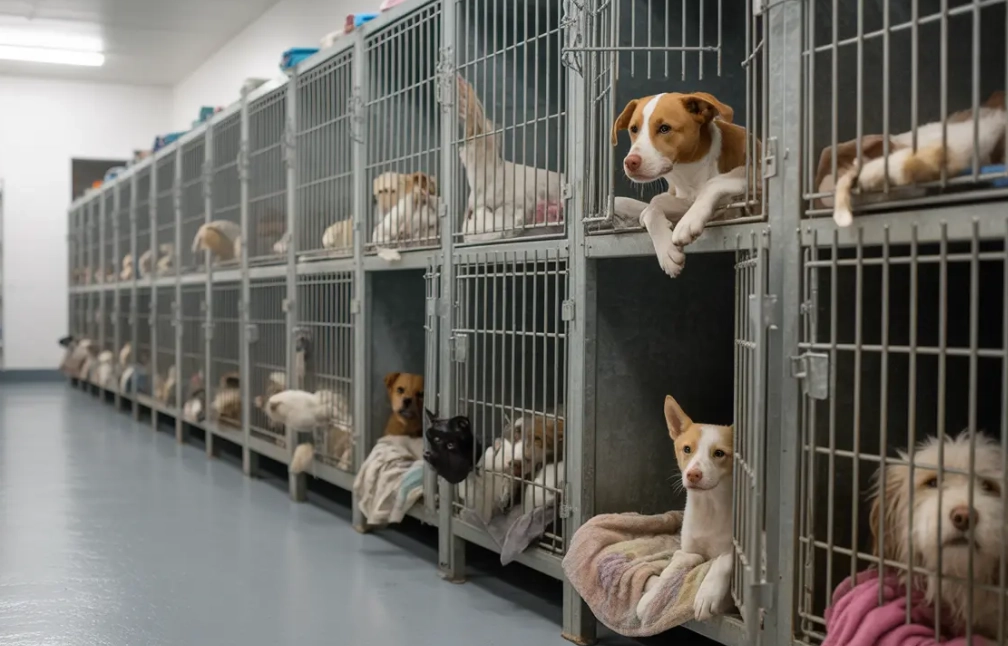
- Compassion Fatigue & Burnout: This is the big one. You will see neglect, abuse, illness, and animals you can't save. You'll make euthanasia decisions. The emotional toll is real and cumulative.
- Physical Demands: It's dirty, smelly, and physically taxing—lifting bags of food, cleaning, restraining animals.
- Resource Constraints: You'll often feel you're doing too much with too little—not enough space, not enough money, not enough time.
I've seen too many bright-eyed people crash out in a year because they only pictured the pros. You need a high tolerance for stress, immense emotional resilience, and a life outside the shelter to decompress.
Beyond the Shelter: Other Ways to Get Paid Working with Animals
If the shelter environment seems too intense or the pay is a deal-breaker, your love for animals can still be a career. These fields often offer better pay and different challenges.
Private Veterinary Practice: Vet techs and assistants are in demand. The pay is often better than in shelters, and the caseload is different (more preventative care, less trauma).
Professional Dog Training & Behavior Consulting: This requires certification (look for CCPDT or IAABC) but can be lucrative. You work one-on-one with clients and their pets.
Animal-Assisted Therapy: Partnering with a certified therapy animal in hospitals, schools, or nursing homes. This usually requires you to have a well-trained pet and get certified through an organization like Pet Partners.
Corporate Pet Industry: Jobs with pet food companies, pet insurance firms, or pet product retailers. You combine business skills with the animal sector, typically for a much higher salary.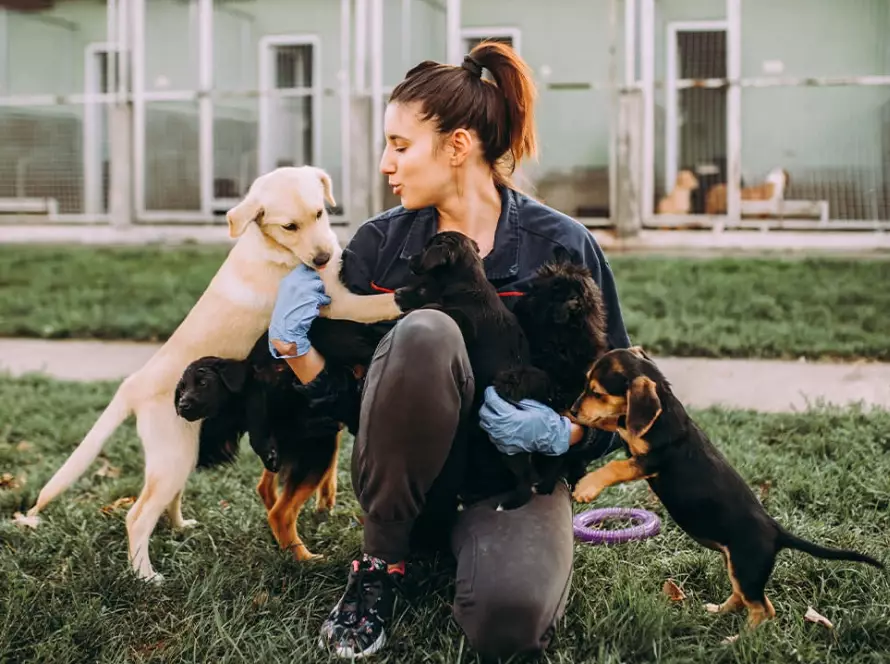
Your Burning Questions Answered (FAQs)
What's the most common mistake people make when applying for paid shelter jobs?
Leading with emotion over competence. Saying "I just love animals so much" in your cover letter is a red flag for hiring managers. They already assume you love animals. They need to know you can show up on time, follow protocols, handle paperwork, work on a team, and manage stress. Frame your passion as a motivator for developing professional skills, not as your primary qualification.
I have a totally unrelated career background (e.g., accountant, teacher). Can I still transition to a paid shelter role?
Yes, but you need to build a bridge. Your first step is volunteering to get animal-specific experience. Then, leverage your professional skills for a non-animal-facing role. Your accounting background is a huge asset for a shelter's finance department. Your teaching skills are perfect for a humane education coordinator role. This is often a smarter, faster path than trying to start as a kennel attendant.
Are there any paid shelter jobs that don't involve working directly with the animals?
Plenty. Shelters need graphic designers for marketing materials, IT support, accountants, receptionists, event planners, and social media managers. If you have these professional skills, you can contribute to the mission from a support role, often with more standard hours and sometimes better pay than the animal care staff. Don't overlook these opportunities.
 How can I assess if I'm emotionally cut out for the hardest parts of shelter work before applying for a paid job?
Volunteer in the areas most people avoid. Ask to help in the intake area where new, often scared or sick, animals arrive. Observe or assist with a euthanasia procedure (if you feel ready). Have honest conversations with long-term staff about how they cope. If you find yourself unable to sleep, becoming angry at the public constantly, or feeling numb after a few months of intense volunteering, a frontline paid role might lead to rapid burnout. Self-awareness here is crucial.
Do paid positions at no-kill shelters differ from open-admission municipal shelters?
Significantly. Municipal shelters (often run by animal control) are required to take every animal, leading to higher volume, more severe cases, and the reality of euthanasia for space or severe behavior issues. Paid roles here are fast-paced and high-stress. No-kill shelters can be selective with intake, so the animal population may be more stable. However, "no-kill" doesn't mean no euthanasia for medical/behavioral reasons, and staff still face immense challenges. The culture and daily pressures feel different.
The bottom line is this: getting paid to work at an animal shelter is possible, but it's a career choice that demands as much pragmatism as passion. It requires strategy, resilience, and a clear-eyed view of the rewards and the sacrifices. Start by getting involved as a volunteer, prove your value, develop concrete skills, and understand where your talents can best serve the mission—whether that's cleaning kennels, managing donors, or balancing the books. Your dream job helping animals is out there, but it's a job, not just a calling. Treat the search like one.





Join the Conversation