Your Litter Training Roadmap
Let's be honest. You brought home this adorable, fluffy little creature, and now you're staring at a puddle on your brand-new rug. Or maybe you're just preparing for a new kitten and you've heard the horror stories. The good news? Teaching a cat to use the litter box is one of the easiest parts of pet ownership—if you know what you're doing. The bad news? Most guides overcomplicate it with theory and skip the gritty, practical details that actually make the difference between success and a smelly failure.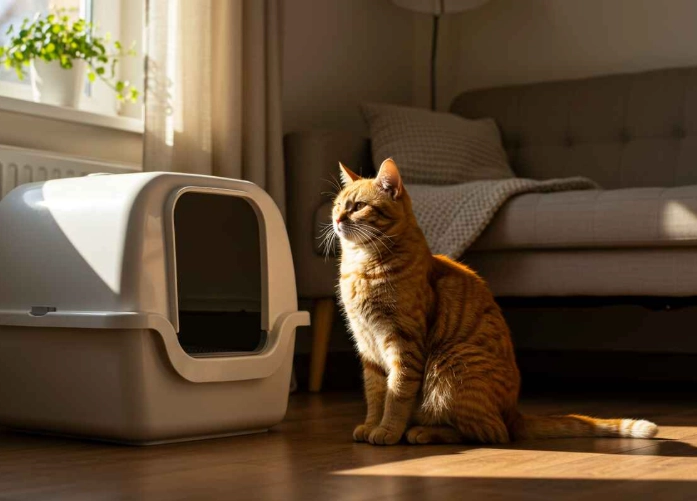
I've fostered dozens of cats and kittens over the years, from tiny orphans to grumpy seniors who decided my home was theirs. I've seen every litter box mistake in the book, made a fair few myself, and learned what actually works to get a cat reliably using their box in record time. This isn't about magic tricks. It's about understanding your cat's instincts and setting up an environment where doing the right thing is the easiest, most appealing choice for them.
So, if you're wondering how to litter train a cat quickly, you're in the right place. We're going to skip the fluff and get straight to the actionable steps, the common pitfalls, and the little adjustments that solve 99% of problems.
Before You Start: The Foundation for Fast Success
Rushing to plop a cat in a box is where many fail. Speed comes from preparation, not panic. Getting these fundamentals right is what allows for quick litter training. It's like preheating the oven before you bake.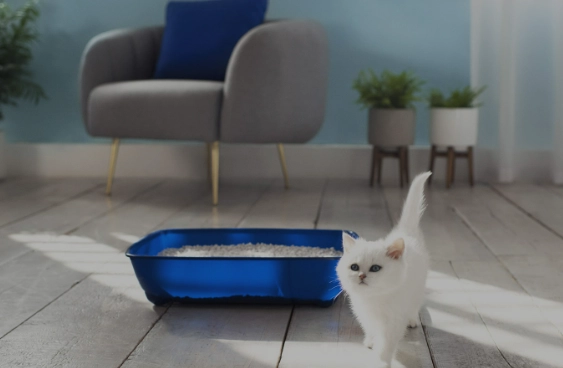
The Litter Box Itself: Size, Style, and Number Matter
This is arguably the most common mistake. A box that's too small, has a scary hood, or is in a terrible location is a recipe for avoidance. Cats have preferences, and ignoring them is why your training fails.
Here’s the golden rule: One box per cat, plus one extra. I know, it sounds like a lot. But competition and territorial feelings are a major cause of accidents. For one cat, you need two boxes. For two cats, you need three. The American Association of Feline Practitioners (AAFP) in their Environmental Needs Guidelines strongly advocates for this multiple-resource strategy to reduce stress and conflict. It’s not just my opinion; it’s a veterinary best practice.
Size is non-negotiable. The box should be at least 1.5 times the length of your cat from nose to tail base. A giant, low-sided storage tub from a hardware store is often a better (and cheaper) choice than most pet store boxes, especially for large breeds. Kittens need low sides for easy access; older cats with arthritis also appreciate low entries.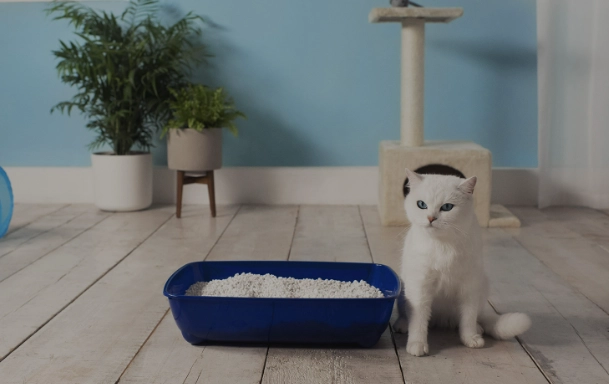
The Great Litter Debate: Clumping, Silica, Pine, or Something Else?
Walk down the pet aisle and your head will spin. Unscented, clumping clay litter is the safe, popular choice for a reason. It's familiar, easy for cats to dig in, and controls odor well when scooped daily. Most cats accept it without issue, which is exactly what you want when figuring out how to litter train a kitten fast.
However, some cats are picky. Others have health concerns (like asthma) where dust-free litter is crucial. Here’s a quick breakdown to cut through the marketing:
| Litter Type | Pros | Cons | Best For... |
|---|---|---|---|
| Unscented Clumping Clay | Most cats accept it; excellent odor control; easy to scoop. | Can be dusty; heavy to carry; not eco-friendly. | First-time training, most adult cats. |
| Silica Gel Crystals | Superior odor control, low dust, very absorbent. | Feels & sounds strange to some cats; more expensive. | Small spaces, owners sensitive to dust. |
| Recycled Paper Pellets | Virtually dust-free, highly absorbent, inexpensive. | Doesn't clump; odor control is mediocre; some cats dislike texture. | Post-surgery (no dust), kittens who might ingest litter. |
| Pine or Wheat Pellets | Natural, good odor control when maintained, eco-friendly. | Texture change as it gets wet can confuse cats; tracking can be messy. | Eco-conscious owners, if cat accepts texture. |
My advice? Start simple. Get a plain, unscented, fine-grained clumping litter. Avoid heavily perfumed litters at all costs—your cat's nose is far more sensitive than yours, and that "fresh linen" scent is like a chemical attack to them. It can literally drive them away from the box.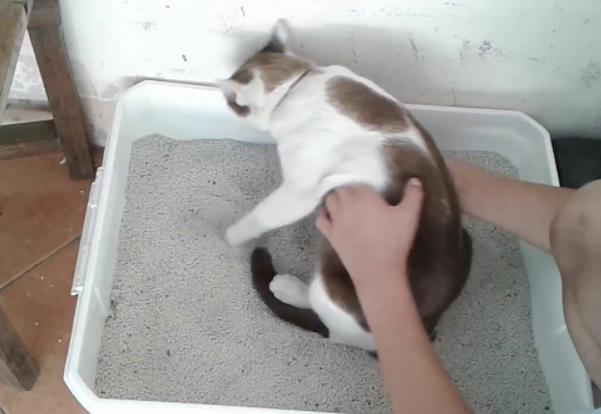
Location, Location, Location
You wouldn't put your toilet in the middle of the living room or a dark, scary basement. Your cat feels the same. Place litter boxes in quiet, low-traffic areas with at least two escape routes (so they don't feel trapped). Avoid noisy spots next to washing machines, furnaces, or under blaring TVs.
Also, keep boxes far away from food and water bowls. Would you want to eat in your bathroom? Cats are fastidiously clean animals and share this preference. Separating these resources is a basic but often overlooked step.
The Step-by-Step Process: How to Litter Train a Cat Quickly
Alright, your boxes are set up with the right litter in the right places. Now for the action. With a kitten, this process is usually lightning fast. With an older cat or a stray, it might require a bit more patience, but the principles are identical.
The First Introduction (The Most Important Moment)
When you first bring your cat or kitten home, confine them to a small, quiet room (like a bathroom or spare bedroom) with their litter box, food, water, and a bed. This isn't punishment—it's strategy. A small space reduces anxiety and makes the litter box the obvious, easy choice.
Gently place them in the box. Let them sniff and explore. You can take their front paw and make a gentle scratching motion in the litter to give them the idea. Don't force it or hold them there. Just a quick demonstration. Most cats will get the hint immediately because the digging instinct is hardwired.
Then, watch for signs they need to go: sniffing the ground, circling, crouching, or meowing restlessly. When you see those, calmly place them in the box. After meals and naps are prime times. The goal is to create a positive association: "I feel the urge, I go to this spot, I dig, I feel relief."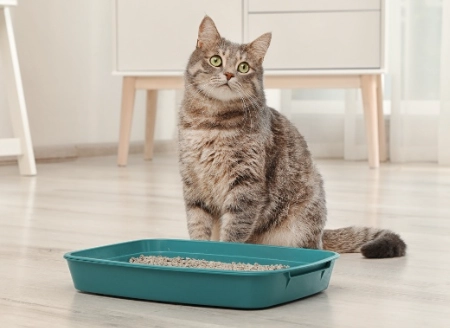
Positive Reinforcement: What Actually Works
Never, ever punish a cat for an accident. Rubbing their nose in it, shouting, or showing anger only teaches them to fear you and to do their business in secret where you won't find it. It destroys trust and sets training back weeks.
When you see them use the box correctly, that's your moment. Wait until they're finished (don't interrupt!), then offer calm praise, a gentle pet, or a tiny treat. The reward must come immediately after the action. You're connecting the action (using the box) with a positive outcome (your affection/food).
I'm not a huge fan of over-the-top celebration—some cats find that startling. A soft "good job" and a treat placed away from the box is perfect.
Maintenance: The Habit That Keeps the Habit
This is the boring but essential part. Scoop the box at least once a day, ideally twice. A dirty box is a major reason cats start going elsewhere. Would you use a filthy, overflowing toilet? Completely change the litter and wash the box with mild, unscented soap (no bleach or strong chemicals) every 1-2 weeks.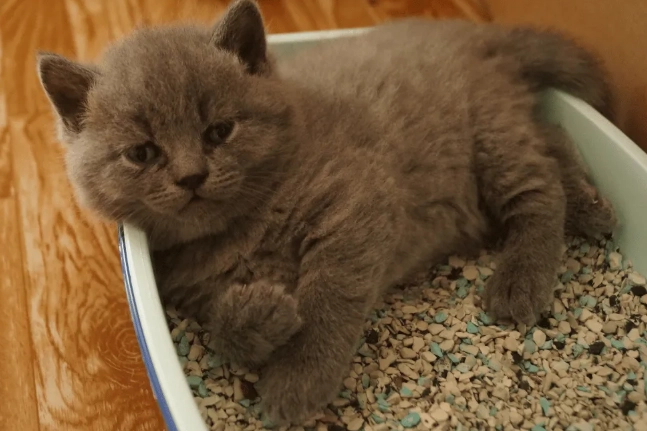
Keep the litter depth consistent—about 2-3 inches. Too shallow, and they can't dig properly. Too deep, and some cats, especially kittens, find it unsettling.
Solving Common Problems: When Things Don't Go Perfectly
Even with perfect setup, issues can pop up. Here’s how to troubleshoot the most common ones. This is where most guides stop, but it's where the real work often begins.
The Cat Suddenly Avoids the Box
This is frustrating. They were using it fine, and now they're not. First, rule out medical issues. A urinary tract infection (UTI), crystals, or constipation can make elimination painful, and the cat blames the box. Your first step is always a vet visit. This is non-negotiable. Organizations like Cornell Feline Health Center emphasize that sudden litter box avoidance is a primary symptom of numerous health problems.
If health is cleared, think about changes: New litter? New perfume or cleaner near the box? A noisy appliance installed nearby? Did you add a hood? Another pet blocking access? Cats are creatures of habit. Retrace your steps.
Preference for Soft Surfaces (Carpets, Bathmats, Beds)
This often points to a texture issue with the litter. The cat finds it uncomfortable on their paws. Try a softer, finer litter. It can also be a sign of a negative association with the box (pain, being startled). Make sure the box is extra clean and try a different, very fine-grained clumping litter.
Spraying vs. Litter Box Avoidance
It's crucial to know the difference. Spraying is a territorial behavior—the cat backs up to a vertical surface, tail quivering, and deposits a small amount of pungent urine. It's communication, not bathroom use. Litter box avoidance is when the cat squats and fully empties its bladder or bowels on a horizontal surface.
Spraying often requires addressing stress, multi-cat dynamics, or environmental triggers, and may need advice from a veterinary behaviorist. Simple litter training won't fix it.
Advanced Tips & Tweaks for Stubborn Cases
You've done everything "right," and there's still an issue. Don't give up. These tweaks can solve seemingly intractable problems.
- The "Litter Buffet" Test: If you suspect a litter preference issue, set up several identical boxes side-by-side, each with a different type of litter (clay, crystals, paper, pine). Let your cat vote with their paws over a week. You might be surprised by their clear preference.
- Addressing Anxiety: For nervous cats, try a pheromone diffuser like Feliway near the box area. It releases synthetic "friendly" cat pheromones that can calm them. Also, ensure the box isn't in a corner where they could be ambushed by another pet.
- For Senior Cats: Arthritis is a huge, hidden cause of litter box problems. Ensure boxes have very low sides for easy entry. Consider placing shallow boxes on every level of your home so they don't have to navigate stairs in a hurry. The International Cat Care charity provides excellent resources on accommodating older cats' changing needs.
Frequently Asked Questions (The Stuff You're Actually Searching For)
Let's tackle those specific, nagging questions that keep popping up when you're trying to figure this all out.
How long does it take to litter train a kitten?
Most kittens, especially from 8-12 weeks old, pick it up almost immediately—within a day or two with the confinement method. Their mothers often start teaching them around 4 weeks, so they come pre-programmed. The key is making it easy for them by not giving them too much house too soon.
Can you train an older cat or a stray?
Absolutely. The process is the same. Strays may be faster because they're used to going in dirt/soil, which litter mimics. Older cats might be set in their ways, but they still have the instinct. Patience and identifying their preferences (big box, certain litter) are key. The core question of how to litter train a cat quickly applies to all ages—it's about smart setup.
My cat covers its poop outside the box on the floor. Why?
They're trying! This usually means the box is too small, the litter is too shallow to cover properly, or the sides of the box are too high for them to maneuver comfortably. They finish, go to cover, and their paws hit the wall or the floor. Get a bigger box with lower sides and more litter.
Is it ever too late to train a cat?
No. Cats are lifelong learners. Even a senior cat with a long history of problems can often be re-trained by methodically addressing medical issues, litter preference, and box setup. It requires more detective work, but it's rarely hopeless.
The One-Paragraph Recap for the Overwhelmed
If you take nothing else away, remember this: Get a huge, open box (or two). Fill it with 3 inches of unscented, clumping litter. Put it in a quiet, accessible spot, far from food. When your cat first comes home, keep them in a small room with that box until they've used it reliably several times. Scoop it every single day without fail. Praise them when they use it. If problems start, see the vet first, then play detective with the litter and location. That's the entire secret, stripped down.
Look, litter box problems are the number one reason cats are surrendered to shelters. It feels personal and frustrating. But in nearly every case, it's not the cat being spiteful or stupid—it's us failing to provide an acceptable bathroom setup, or missing a health problem.
The path to how to litter train a cat quickly is straightforward: set the stage for success, guide them gently at the start, and then maintain a clean, welcoming bathroom environment. It’s less about complex training and more about thoughtful husbandry. Get these basics right, and you'll spend less time cleaning messes and more time enjoying the clean-pawed companion you wanted.
And honestly, when you see them hop out of the box and do that satisfied little trot across the room, you'll know it was worth getting the details right.






Join the Conversation