That cheerful parrot on your shoulder or the wild pigeons in the park – they can carry more than just charm. The transmission of diseases from birds to humans, known as avian zoonoses, is a real public health consideration. It's not about fostering fear, but about fostering awareness. For bird owners, poultry workers, veterinarians, and even casual birdwatchers, understanding these risks is the first step towards safe and enjoyable interactions. The spectrum ranges from the widely publicized avian influenza to lesser-known but surprisingly common infections like psittacosis. Let's cut through the noise and look at what you actually need to know.
Navigate This Guide
Understanding Bird-to-Human Diseases (Avian Zoonoses)
Zoonoses are diseases that jump from animals to humans. Birds, with their unique physiology and global mobility, are reservoirs for several pathogens. Transmission doesn't usually happen from casual distant observation. The primary routes are more intimate: inhaling aerosolized droppings, feather dust, or respiratory secretions; direct contact with sick birds or contaminated surfaces (cages, feed); and, less commonly, through bites or scratches. A critical point often missed is that a bird can be a carrier – showing no signs of illness itself – yet still shed bacteria or viruses. I've seen too many cases where a new, "perfectly healthy" bird introduced into a home became the source of a family's illness.
The Three Major Bird Diseases You Should Know
While the list of potential pathogens is longer, these three represent the most significant in terms of prevalence, severity, or public awareness. Getting familiar with them covers the vast majority of risks you're likely to encounter.
| Disease (Pathogen) | Primary Bird Hosts | Key Transmission Route to Humans | Human Symptoms Overview |
|---|---|---|---|
| Avian Influenza (Bird Flu) (Influenza A viruses, e.g., H5N1, H7N9) |
Wild waterfowl, domestic poultry (chickens, turkeys) | Inhalation of contaminated aerosols/droplets at live bird markets, farms; contact with infected carcasses. | Can range from mild conjunctivitis to severe pneumonia, acute respiratory distress, multi-organ failure. Mortality can be high. |
| Psittacosis (Parrot Fever) (Chlamydia psittaci bacteria) |
Psittacine birds (parrots, cockatiels, budgies), pigeons, poultry. | Inhalation of dried droppings, feather dust, respiratory secretions from infected birds. | Fever, chills, headache, muscle aches, dry cough. Can progress to severe pneumonia. Often misdiagnosed. |
| Salmonellosis (Salmonella bacteria) |
Wild birds (finches, sparrows), poultry, pet reptiles (often co-housed). | Fecal-oral route. Handling birds/contaminated surfaces then touching mouth; contaminated food (eggs, poultry). | Diarrhea, fever, abdominal cramps, vomiting. Usually self-limiting but can be severe in vulnerable groups. |
The table gives you the snapshot. Now, let's get into the details that matter for your decision-making.
Avian Influenza: Beyond the Headlines
Media coverage focuses on outbreaks and pandemics, but the day-to-day risk is highly situational. If you're not working with poultry or visiting live bird markets in endemic regions, your risk of catching a severe strain is extremely low. However, backyard chicken keepers need to be vigilant. The virus can be tracked into coops on shoes or by wild birds. A subtle mistake? Assuming your small flock is safe because it's "organic" or isolated. Biosecurity is non-negotiable, regardless of flock size. The CDC and WHO provide excellent, updated guidance on outbreak areas and precautions.
Psittacosis: The Pet Owner's Stealth Concern
This is the one that catches bird owners off guard. The symptoms in humans are notoriously non-specific – it feels like a bad flu or atypical pneumonia. I recall a case where a family had a persistent, nagging cough for weeks, went through multiple antibiotic courses, before someone thought to ask about their new cockatiel. The bird had been purchased from a busy flea market. Diagnosis requires a specific blood test, so you must tell your doctor about your bird contact. Treatment is straightforward with the right antibiotics (usually doxycycline), but getting to that diagnosis is the hurdle.
Salmonellosis: It's Not Just About Food
Everyone links Salmonella to undercooked chicken. Fewer people connect it to handling backyard poultry or cleaning a bird feeder. Chicks and ducklings are common culprits, especially when given as Easter gifts. The bacteria live in the birds' intestines and coat their feathers and environment. Kids who cuddle chicks and then suck their thumbs are a classic transmission scenario. The U.S. CDC regularly issues warnings about multistate outbreaks linked to backyard flocks. The prevention is simple but absolute: wash your hands thoroughly with soap and water after any contact. Hand sanitizer is not sufficient against Salmonella.
Your Practical Prevention Guide: Who Needs to Do What?
Prevention isn't one-size-fits-all. Your action plan depends on your interaction with birds.
For Pet Bird Owners
- Source Wisely: Acquire birds from reputable breeders or rescues that practice quarantine and testing. Avoid crowded, unsanitary markets.
- The Quarantine Rule: Any new bird should be isolated in a separate room with separate air space for at least 30-45 days. This isn't just for behavior—it's a health buffer.
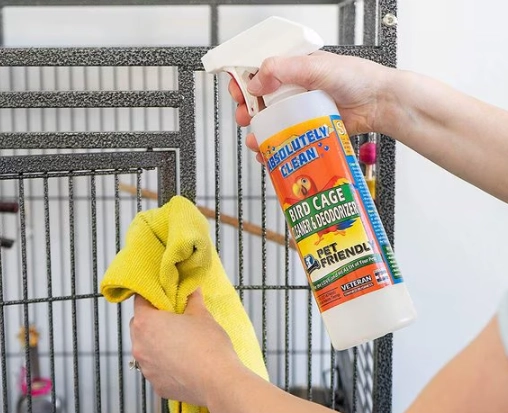
- Cage Hygiene is Paramount: Clean the cage liner daily. Perform a deep clean (with bird-safe disinfectants like diluted bleach, followed by thorough rinsing) weekly. Wet cleaning (mist surfaces before wiping) suppresses dust.
- Vet Care: Establish a relationship with an avian veterinarian. Annual check-ups are crucial. Discuss testing for Chlamydia if your bird shows any vague signs or if you have unexplained respiratory illness at home.
For Poultry Workers & Backyard Flock Owners
This is where protocol saves lives. Wear dedicated work clothes and boots. Use PPE like disposable gloves and a properly fitted N95 respirator or mask when cleaning coops, handling sick birds, or in dusty conditions. Never eat, drink, or smoke in bird areas. The most overlooked step? Changing clothes and showering before interacting with your family after working with the flock. You can bring pathogens into your home on your clothing.
For the General Public & Bird Enthusiasts
Enjoy birdwatching, but be smart. Avoid touching sick or dead wild birds; report them to local wildlife authorities. If you must handle one, use gloves or a plastic bag inverted over your hand. When visiting public aviaries or zoos, use the hand-sanitizing stations provided, especially before eating. Maintaining bird feeders is a lovely hobby, but clean them regularly with a 10% bleach solution to prevent them from becoming disease hotspots for birds (and subsequently, for you).
When to Seek Medical Help: Connecting the Dots
Timing matters. Don't panic, but don't dismiss symptoms either.
See a doctor if you develop flu-like or respiratory symptoms (fever, cough, shortness of breath, muscle aches) and you have a history of significant bird exposure in the 1-2 weeks prior. This exposure could be:
• Introducing a new pet bird into your home.
• Cleaning a heavily soiled aviary or chicken coop.
• Visiting a live poultry market.
• Handling a sick or dead wild bird.
Here's the crucial part for your doctor: You must volunteer the bird exposure history. They won't ask unless you bring it up. Say something like, "I want to mention that I have pet birds/keep backyard chickens, and I'm concerned about possible zoonotic infection." This directs them towards the appropriate tests (like a psittacosis panel or specific viral tests). Early diagnosis leads to faster, more effective treatment and prevents complications.
Your Questions, Answered
Is it safe to touch or feed wild birds like pigeons or park ducks?
I have a pet bird and just got diagnosed with pneumonia. Could they be connected?
 Are there vaccines for humans against any of these bird diseases?
How do I safely clean up bird droppings from my balcony or car?
I'm traveling to a country with known avian flu outbreaks. What should I avoid?
 The relationship between birds and people is enriching. A little knowledge about bird diseases that can spread to humans transforms that relationship from one of potential worry to one of informed confidence. By understanding the risks, implementing simple but consistent prevention habits, and knowing when and how to seek help, you can enjoy the wonders of the avian world while safeguarding your health and the health of your family. Stay observant, stay clean, and keep enjoying the birds.


Join the Conversation