Winter transforms your home into a different environment for your parrot. The drop in temperature and humidity, combined with less natural sunlight, isn't just uncomfortable—it's a genuine health challenge. A parrot's tropical origins mean its body isn't built for the dry, cold air of a heated home in December. Getting winter care right isn't about luxury; it's about preventing illness, stress, and serious conditions like respiratory infections. The core pillars are temperature control, humidity management, adjusted nutrition, and maintaining mental wellness. Let's break down exactly how to do that.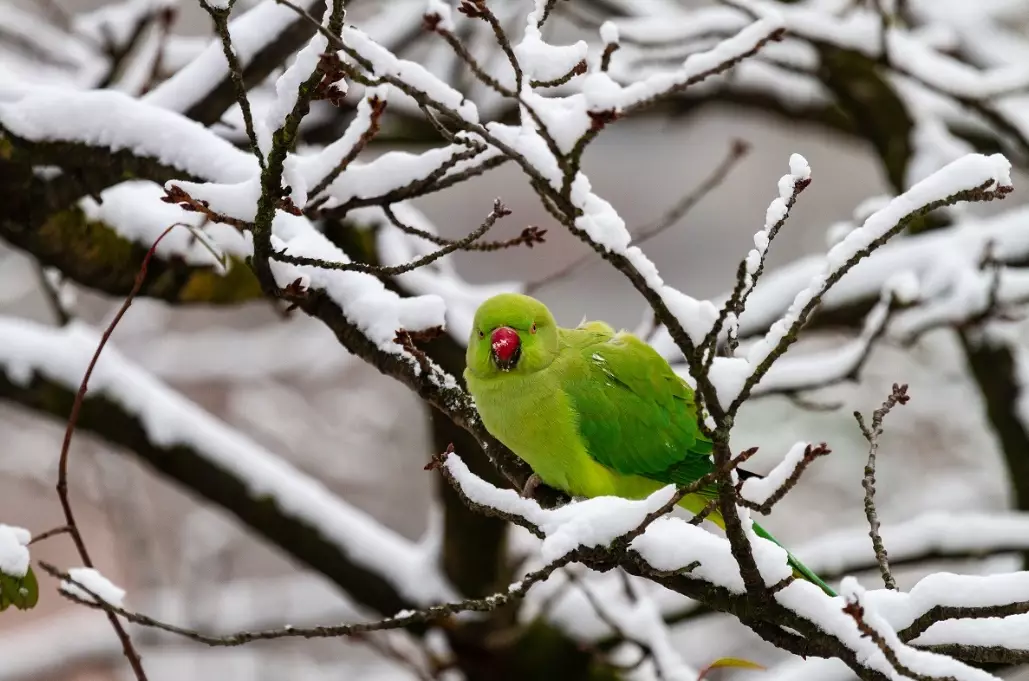
What's Inside: Your Winter Parrot Care Checklist
Why Winter is a Unique Challenge for Parrots
Most pet parrots hail from tropical or subtropical regions—think Amazonian rainforests or Australian outbacks (which can get cold at night, but are generally not like a northern hemisphere winter). Their physiology is fine-tuned for stable, warm, and humid conditions. When we crank up the furnace, we create an artificial desert indoors. The air loses moisture, your parrot's sensitive respiratory system gets irritated, and their preen gland (which oils their feathers for insulation) can struggle. This isn't just them being picky. Chronic dry air can lead to itchy, flaky skin, brittle feathers that break easily, and a wide-open door for opportunistic bacteria.
The Temperature Control Guide: Finding the Sweet Spot
For most parrot species (African Greys, Amazons, Cockatoos, Conures, etc.), the ideal ambient temperature range is between 65°F and 80°F (18°C - 27°C). At night, a slight dip is natural and okay, but avoid letting the room get below 60°F (15°C), especially for smaller or more delicate species like Budgies or Cockatiels. Drafts are the enemy. A constant, gentle breeze from a window or vent can chill a bird much faster than static cool air.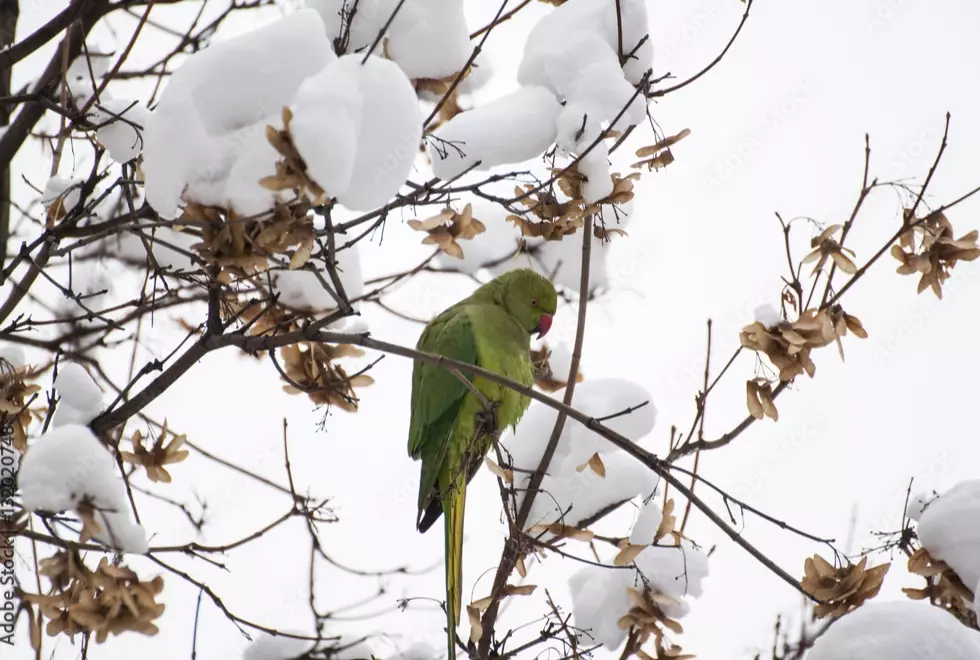
Heating Solutions: What Works and What's Risky
Space heaters need extreme caution. Never use oil-filled radiators or fan heaters with Teflon/PTFE coatings, as the fumes are lethal to birds. Ceramic heat emitters (like those used in reptile terrariums) paired with a thermostat are a safer bet, as they provide heat without light. Position them well away from the cage so the bird can't contact them, creating a warm zone, not a hot spot.
A method I've relied on for years is a heated bird perch or a thermostat-controlled heating pad placed on the outside of one section of the cage wall. Brands like K&H or Snuggle Up offer bird-safe options. This lets your parrot choose to snuggle against the warmth. I learned the hard way not to put heating pads *inside* the cage bottom—a curious beak can chew through wires.
| Heating Method | Best For | Key Precautions |
|---|---|---|
| Ceramic Heat Emitter + Thermostat | Providing ambient warmth to the room/cage area. | Must be caged/guarded. Monitor humidity drop. |
| Bird-Safe Heating Pad/Perch | Offering direct, controllable warmth to perch on/against. | Check for chew-proof cords. Use a thermostat to prevent overheating. |
| Central Home Heating | Maintaining a stable overall room temperature. | Leads to very dry air. Requires robust humidification. |
| Radiator (Hot Water) | General room heating. | Keep cage several feet away. Never place cage directly above. |
Combating Dry Air: The Humidity Fix You Can't Skip
This is the most overlooked part of winter parrot care. Aim for a relative humidity of 40-60%. Most heated homes sit at 20% or lower. You'll need a good digital hygrometer—the little analog ones are often inaccurate.
Whole-room humidifiers (cool mist ultrasonic or evaporative) are the gold standard. Run it in the same room as the cage, but not pointed directly at it. Clean it meticulously every few days to prevent mold and bacteria buildup. A trick I use is placing a large, shallow tray of water with clean pebbles near a heat source (like on top of a radiator guard). It's a low-tech evaporative boost.
Misting your parrot with lukewarm water becomes a non-negotiable daily or twice-daily ritual in winter. It hydrates their skin, helps with feather condition, and many birds enjoy it. Think of it as a substitute for the tropical downpours they're evolved for.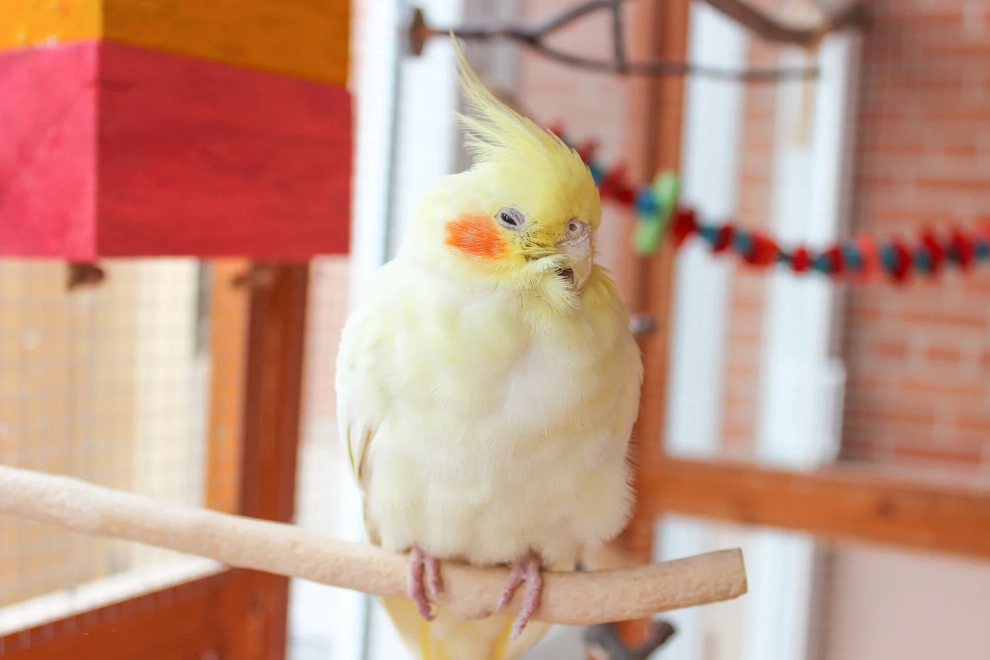
Winter Diet & Nutrition Changes
Your parrot may burn a few more calories just staying warm. This doesn't mean piling on fatty seeds, which leads to obesity and liver problems. It means strategically increasing healthy fats and overall caloric density.
- Increase Healthy Fats: Add a few more raw, unsalted nuts (almond slivers, walnut pieces), a touch more flax or hemp seed to their mix, or offer slivers of avocado (pit and skin removed, only the flesh—it's safe and packed with good fats).
- Warm, Cooked Foods are Gold: Serve warm oatmeal (cooled to room temp), cooked quinoa, brown rice, or mashed sweet potato. These are comforting, energy-rich, and hydrating. My Grey goes crazy for a spoonful of warm quinoa mixed with chopped veggies.
- Hydration Through Food: Offer water-rich vegetables like cucumber, bell peppers, and zucchini daily. Soups or birdie breads made with low-sodium broth can also increase fluid intake.
Lighting, Bathing & Mental Health
Shorter days disrupt circadian rhythms and can lead to hormonal issues or lethargy. Consider a full-spectrum avian light (not a regular bulb) placed about 3-4 feet from the cage, on a timer to mimic a natural 10-12 hour day. This helps with vitamin D3 synthesis and mood.
Bathing is crucial. Even if they hate spray bottles, try offering a shallow dish of lukewarm water in their cage or running a gentle faucet for them to play under. A clean bird has better-insulating feathers.
Boredom is a winter epidemic. Rotate toys more frequently. Introduce new foraging puzzles that take longer to solve. Spend extra time on training sessions or just chatting with them. A mentally stimulated parrot is a resilient parrot.
Top 5 Winter Care Mistakes Even Experienced Owners Make
- Assuming "Room Temperature" is Enough: Your comfort at 68°F in a sweater is not your parrot's comfort. They are sitting still, often in a drafty spot. Always err on the warmer side of their range.
- Ignoring Humidity Until Problems Appear: By the time you see excessive powder down or scratching, the dry air has already caused stress. Start humidifying proactively in early fall.
- Placing the Cage Near a Window: Single-pane windows are freezing cold at night, creating a microclimate of chill and draft. Move the cage to an interior wall.
- Over-relying on Blankets: Throwing a blanket over the cage at night can trap moisture and stale air, and if it's not breathable, it can cause respiratory issues. Use cage covers designed for birds that allow for air circulation.
- Skipping the Pre-Winter Vet Check: A wellness check in autumn can catch underlying issues that winter stress might exacerbate. The American Veterinary Medical Association (AVMA) stresses the importance of preventive care for exotic pets. It's easier to address a minor weight issue or slight vitamin deficiency in October than in January when the bird is already under weather-related stress.
Your Winter Parrot Care Questions Answered
 What's the safest way to provide overnight warmth?
Winter parrot care boils down to mindful replication of their natural needs. It's not about coddling, but about providing a stable, healthy environment that doesn't force their bodies to fight the weather inside your home. By focusing on consistent warmth (not heat), combating dryness aggressively, tweaking their diet for energy and hydration, and doubling down on mental engagement, you'll not only help your parrot survive the winter—you'll see them thrive through it. Start your preparations before the first frost hits, and you'll both enjoy a cozy, healthy season together.
Join the Conversation