Caring for a female canary isn't just about keeping a yellow bird in a cage. It's about understanding a delicate, often overlooked creature with specific needs that change throughout the year. While many care guides treat all canaries the same, hens have unique requirements, especially if you ever consider breeding. I've kept canaries for over a decade, and the mistakes I made early on with my hens taught me more than any generic guide ever could. This article dives deep into what your female canary really needs to thrive, not just survive.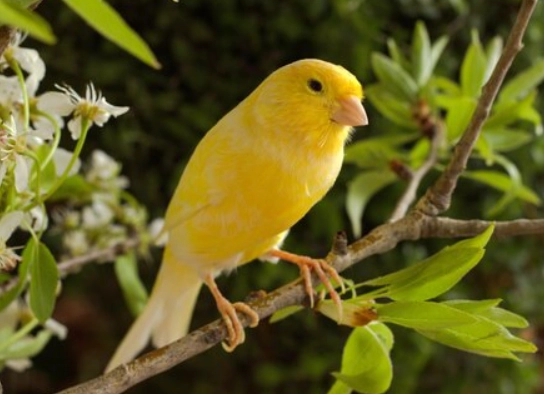
What You’ll Learn in This Guide
Understanding Your Female Canary’s Basic Needs
Let's start with the foundation. A happy hen starts with the right environment. Too many people get this wrong from day one.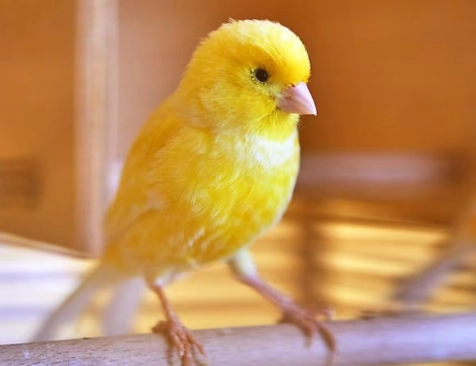
The Right Cage and Environment
Think horizontal space, not vertical. Canaries are flyers, not climbers like parrots. A cage for a single female should be at least 24 inches long. If you pair her with a male, go bigger—30 inches or more. Bar spacing? No more than 1/2 inch. I once knew someone who lost a hen because she got her head stuck in wider bars. It's a heartbreaking, preventable mistake.
Place the cage in a room with steady, natural light but out of direct, hot sun. Drafts from windows or air conditioning vents are a major no-go. Canaries are sensitive. The room should be used by the family, but avoid chaos. A calm living room corner is perfect; she gets to observe the flock (that's you) without constant stress.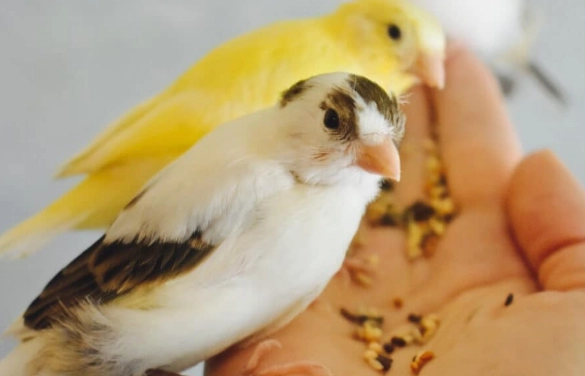
- Temperature: Steady 65-75°F (18-24°C). Avoid sudden drops.
- Light: 10-12 hours of consistent light. Covering the cage at night helps regulate her cycle.
- Perches: Use natural wood branches of varying thicknesses (like manzanita or dragonwood) to keep her feet healthy. Avoid all sandpaper covers.
- Toys: She doesn't need puzzles. A simple swing, a few shreddable toys, and a shallow bath dish are enough.
Diet: More Than Just Seeds
This is where I see the biggest gap in care. A seed-only diet is like feeding a human only potato chips. It's deficient in almost everything a laying hen needs. A healthy female canary diet is built on three pillars:
1. A High-Quality Pellet or Fortified Seed Mix: This should form the base, about 50-60% of her diet. Look for brands that are formulated for canaries, not generic "bird food."
2. Daily Fresh Greens and Vegetables: This isn't optional. Chop up dark leafy greens like kale, spinach, or broccoli daily. A piece of grated carrot or a slice of cucumber adds variety. Remove uneaten fresh food after a few hours.
3. The Protein Boost: Especially crucial in the months leading up to breeding season. Offer hard-boiled egg (mashed, shell included for calcium) once or twice a week. You can also offer small amounts of soaked, cooked legumes.
Fresh, clean water needs to be available at all times. I change water bowls daily without fail. Stagnant water is a bacteria party.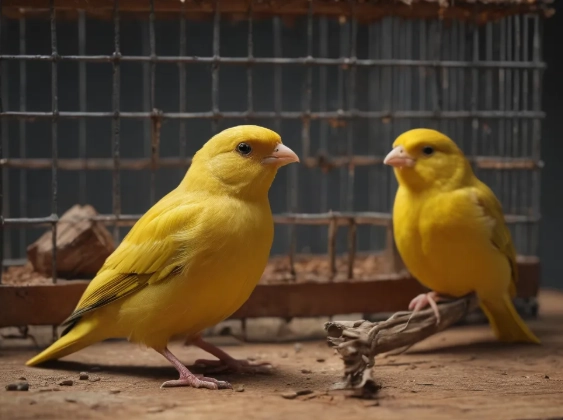
The Breeding Cycle: A Critical Care Period
This is the heart of specialized female canary care. Whether you plan to breed or not, her body is wired for this cycle each spring. Ignoring it leads to health problems.
Pre-Breeding Preparation (Late Winter/Early Spring)
As daylight increases, her hormones kick in. Your job is to get her body ready. About 6-8 weeks before you even think about introducing a male, ramp up her nutrition.
Calcium is non-negotiable. A cuttlebone must be in the cage at all times. I also sprinkle a pinch of crushed, baked eggshell or a commercial calcium supplement (like Oyster Shell) over her soft food. A calcium deficiency is the primary cause of egg binding—a life-threatening emergency where she can't pass an egg.
Increase her protein intake. That hard-boiled egg offering goes from weekly to every other day. Her body is building up resources.
During Laying, Incubation, and Rearing
She lays one egg per day, usually in the morning. She won't start serious incubation until the clutch is nearly complete (typically 4-6 eggs). During this time:
Do not disturb the nest. Peeking constantly will stress her and may cause her to abandon the eggs. Check on her quietly from a distance.
Her food and water must be right next to the nest. A hen dedicated to incubating will not fly across a large cage for a drink. Dehydration can happen fast.
Once chicks hatch (after about 13-14 days), her nutritional demands skyrocket. She needs constant access to an egg food mix—a high-protein mash you can buy or make from hard-boiled egg, breadcrumb, and grated vegetables. This is what she feeds the babies. Keep it fresh and replenished multiple times a day.
Beyond the Basics: Health and Wellness
A proactive owner spots problems before they become crises. Female canaries are masters at hiding illness.
Spotting Signs of Trouble
Watch for these subtle changes:
- Fluffed-up feathers for prolonged periods when not sleeping.
- Sitting on the cage floor instead of a perch.
- Changes in droppings (watery, discolored, or missing the white urate part).
- Loss of appetite, especially for her favorite treats.
- Labored breathing or tail bobbing with each breath.
- For a laying hen, straining or looking "puffed" and distressed—a potential sign of egg binding.
If you suspect egg binding (she's on the floor, straining, legs wide apart), this is an immediate avian vet emergency. Provide warmth (a heating pad under half the cage set on low) and high humidity while you transport her. Time is critical.
Preventative Care
Find an avian-certified veterinarian before you have an emergency. A yearly check-up is wise. Quarantine any new bird for at least 30 days in a separate room. Keep the cage scrupulously clean to prevent fungal or bacterial growth. Stress is a huge immune suppressant, so a stable, quiet environment is itself preventative medicine.
Remember, a female canary's care shifts with the seasons. In summer and fall, after breeding, she needs a calm "off-season" with maintenance diet and plenty of rest. You're not just feeding a bird; you're managing a complex, seasonal biological cycle.
Your Female Canary Care Questions Answered
My female canary laid an egg on the cage floor without a nest. What should I do?
How can I tell if my female canary is getting ready to lay eggs?
I don't want babies. How do I stop my female canary from laying eggs?
What's the single most important supplement for a laying hen?





Join the Conversation