If you’ve ever watched a parrot perform a complex trick on cue or wondered how to get your feisty cockatiel to step up without a fuss, the secret often lies in two simple tools: a clicker and a target stick. This isn't about forcing compliance; it's about opening a clear line of communication. I’ve seen countless bird owners transform their relationship with their pets using this method, moving from frustration to fun in a matter of weeks. Let's cut through the noise and get into how these tools actually work, beyond the basic "click and treat" advice you see everywhere.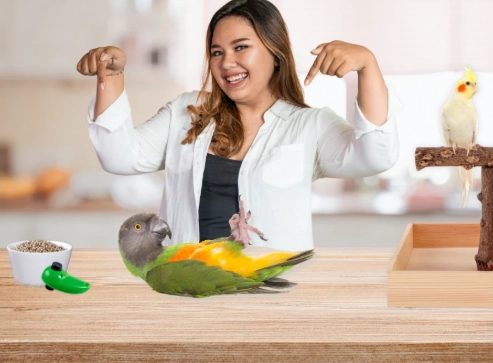
What You’ll Learn in This Guide
What Exactly Are a Clicker and Target Stick?
Let's define our tools, because misunderstanding them is the first stumble.
The clicker is a small handheld device that makes a consistent, distinct "click" sound. Its sole job is to be a marker. Think of it as a camera shutter capturing the exact moment your bird does something right. It’s not a remote control, and it’s certainly not a toy for the bird. The sound is unique enough that it doesn't get lost in the ambient noise of your home.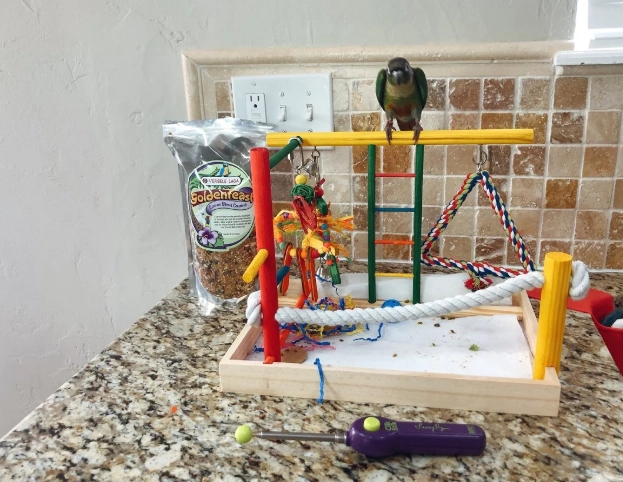
The target stick (or pointer) is usually a thin rod, often telescopic, with a bright-colored ball or tip at the end. Its job is to be a movable target. You teach your bird to touch its beak to that tip. This gives you a way to guide your bird's movements without touching it—you can lead it onto a scale, into a carrier, or through the steps of a spin.
How Does Clicker Training Work? The Science Explained
This method isn't magic; it's applied psychology called operant conditioning. Pioneered by B.F. Skinner and widely advocated by modern animal behaviorists like Karen Pryor, it revolves around reinforcing desired behaviors.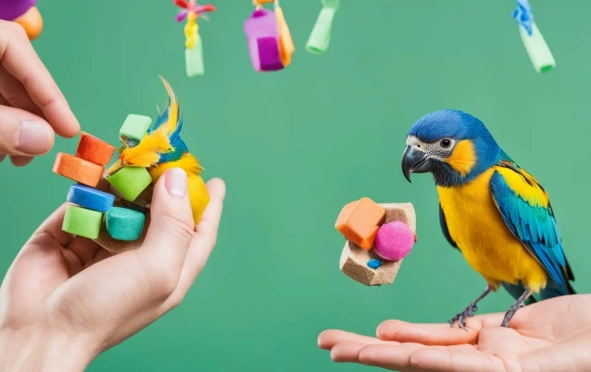
Here’s the sequence: Behavior → Mark → Reward.
Your bird steps onto your hand (behavior). You instantly click (mark). Then you give a sunflower seed (reward). The click bridges the tiny gap between the action and the treat, telling the bird, "That! That thing you just did is what earned you this." Without the marker, a bird might think it's being rewarded for looking cute, or for stepping off your hand, creating confusion.
The target stick works through shaping. You don't expect a full spin on day one. You reward for a slight head turn toward the stick. Then for following it. Then for a quarter turn. You break down complex actions into tiny, clickable steps.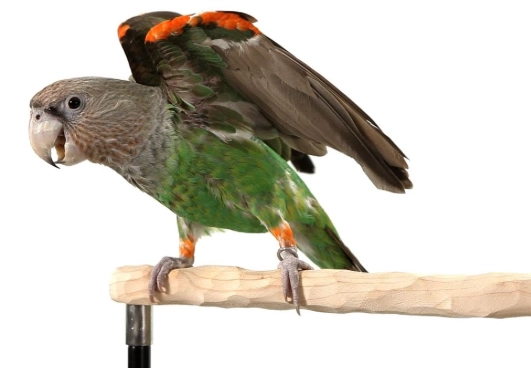
Step-by-Step Guide: Combining Clicker and Target Stick
Let's walk through the foundational process. I’ll use my experience training my African Grey, Miko, as a reference point.
Phase 1: Charging the Clicker ("Loading the Marker")
This is non-negotiable and often rushed. Your bird must learn that click = guaranteed good thing.
Do this: With your bird calm (in or near its cage is fine), have a pile of tiny, high-value treats. Click. Immediately toss a treat into the cage. Don't ask for anything. Just click-treat, click-treat. Do 15-20 repetitions. The bird will start to look for the treat after the click. That's your green light.
Phase 2: Introducing the Target Stick
Hold the stick steady, with the tip about an inch from your bird's beak. Most birds will curiously investigate. The moment their beak makes contact—click! and treat. If they're scared, present it further away and click for just looking at it. Gradually bring it closer.
Once they're reliably touching it, start moving it slightly—left, right, up. Click for following it. This is how you build the foundation for directional movement.
Phase 3: Your First Real Behavior - "Turn Around"
This is where it clicks for most owners (pun intended).
- With your bird on a perch, present the target stick just beside its beak.
- Slowly move the stick in a wide arc around the bird, leading its head. The body will follow.
- The instant it completes even a partial turn to follow the stick, CLICK and reward.
- Repeat, gradually requiring a bit more of a turn before clicking.
- Within a few short sessions, you can add a verbal cue like "turn" as it starts the motion.
You've just taught a trick without force, using clear communication.
The 5 Most Common Mistakes (And How to Fix Them)
I’ve coached enough beginners to see patterns. Avoid these pitfalls.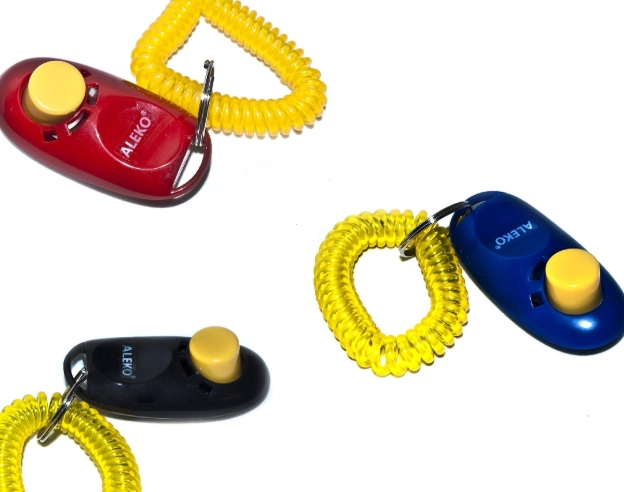
| Mistake | Why It's a Problem | The Expert Fix |
|---|---|---|
| Clicking without treating | Breaks the promise. The click becomes meaningless noise. | If you click, you MUST treat, even if you messed up. The marker's integrity is sacred. |
| Poor timing on the click | Clicking as the bird eats, not as it performs. You're marking the wrong thing. | Practice your timing without the bird. Have a friend mimic an action and click at the exact peak. |
| Using low-value treats | If your bird is "meh" about the reward, progress will be glacial. | Find the jackpot. For many parrots, it's a bit of walnut, pine nut, or a piece of chili pepper. |
| Training when the bird is distracted or full | You're competing for attention with a busy environment or a full crop. | Train before meals, in a quiet, familiar room. Keep sessions under 5 minutes. |
| Getting frustrated and pushing too hard | Birds sense tension. A bad session can set back trust. | If it's not working, end the session with an easy, known behavior for a click/treat. Quit while you're ahead. |
Moving Beyond Basics: Teaching Real-World Behaviors
Tricks are fun, but the real power is in managing daily life.
Cooperative Care: This is a game-changer. Use target training to get your bird to willingly step onto a scale, enter a travel crate, or allow gentle towel handling for nail trims. The American Association of Avian Veterinarians (AAV) emphasizes the value of low-stress handling, and this is how you achieve it. Target them into the crate, click, treat. No chasing, no stress.
Redirecting Problem Behaviors: Is your bird prone to screaming for attention? Use the clicker to mark and reward moments of quiet, independent play. You're not punishing the scream; you're making quiet time more rewarding.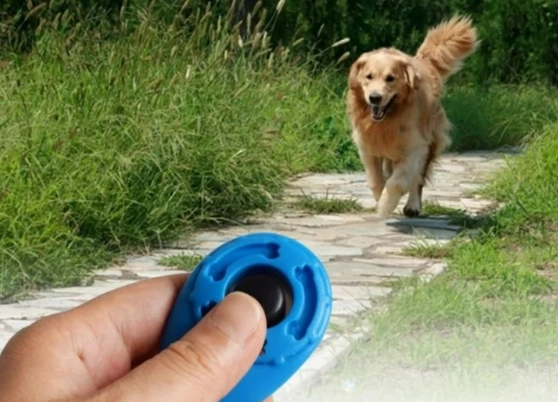
Tailoring Training for Your Bird's Species
Not all birds are the same. A Macaw and a Finch learn differently.
Large Parrots (Greys, Macaws, Cockatoos): They're smart but can be stubborn. Keep sessions very short and intellectually engaging. Problem-solving games work well. Their bite pressure is serious, so a sturdy target stick is wise.
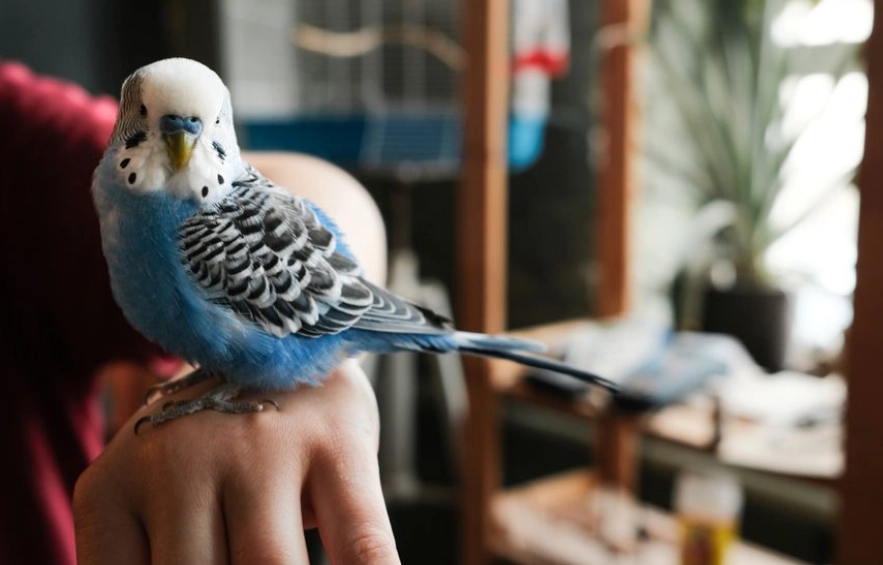
Small Parrots (Budgies, Cockatiels, Lovebirds): They can be skittish. Use a quiet clicker or a soft "click" sound with your tongue. Millet spray is the ultimate reward. Patience is key—don't expect rapid progress from day one.
Canaries & Finches: You can target train them! It's fantastic for recall to a safe area. Use a very small stick and fine seed like canary grass seed as treats.
Answers to Your Pressing Questions
Can I use a pen instead of a target stick for bird training?
While a pen or chopstick might work in a pinch, a dedicated target stick is superior. It's designed to be lightweight, have a distinct colored tip for high visibility, and often telescopes for easy storage and varying distances. The consistency of the tool itself helps your bird learn faster, as it becomes a clear, unambiguous signal.
My bird is scared of the clicker sound. What should I do?
This is common. Immediately stop using the clicker. You need to "condition" the sound first. Move to a quieter room. Have your bird's favorite treat ready. Click the device from a distance, then instantly drop the treat into the cage without looking at the bird. Repeat this 10-15 times per session. The goal is for the bird to associate the click with a good thing (food appearing) without any pressure to perform. Only proceed to formal training when the bird shows anticipation (e.g., looking for food) after the click.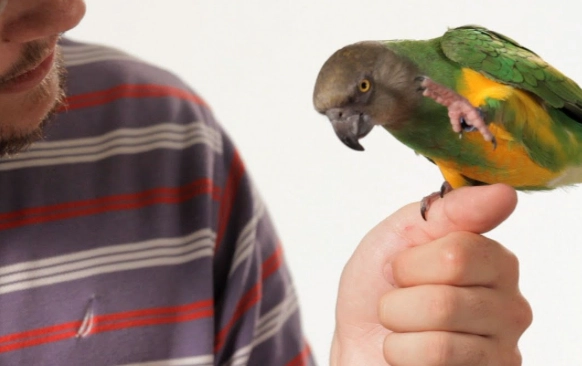
How long should a bird training session with a clicker and stick last?
Keep sessions incredibly short. For most parrots, 3 to 5 minutes is the absolute maximum. For smaller birds like budgies or canaries, aim for 1-2 minutes. It's far better to do two 2-minute sessions in a day than one 10-minute marathon. Birds have short attention spans, and long sessions lead to frustration, which undermines the positive association you're trying to build. Always end on a successful, easy repetition.
Is it too late to start clicker training an older bird with established bad habits?
It's never too late. The principles of positive reinforcement work at any age. The key is to start with basics, like targeting, to build trust and communication from scratch. For an older bird with issues like biting or screaming, you're not directly 'fixing' the behavior with the clicker. Instead, you use it to reward and shape incompatible, desirable behaviors (like stepping up quietly, playing with a toy). This gives the bird a clear, rewarded alternative, which over time makes the problem behavior less rewarding and less frequent.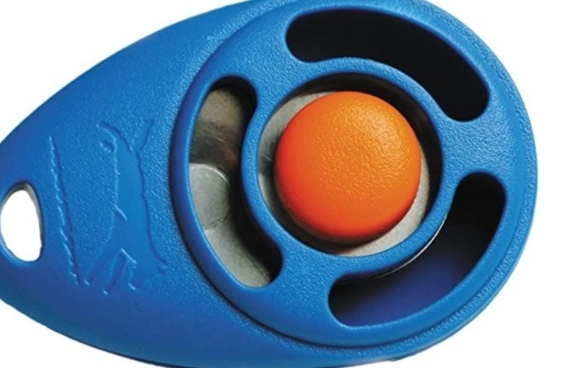

Join the Conversation