Let's cut to the chase. A backyard wildlife habitat isn't about letting your yard go wild with weeds. It's a deliberate, managed space that provides the four things every animal needs: food, water, cover, and a place to raise young. Done right, it turns your outdoor space into a living, breathing ecosystem. You'll see more birds, butterflies, and fascinating little mammals than you ever thought possible in a suburban setting. I've been doing this for over a decade, and the most common mistake I see is focusing only on bird feeders. That's just the appetizer. The main course is a landscape that feeds and shelters wildlife year-round.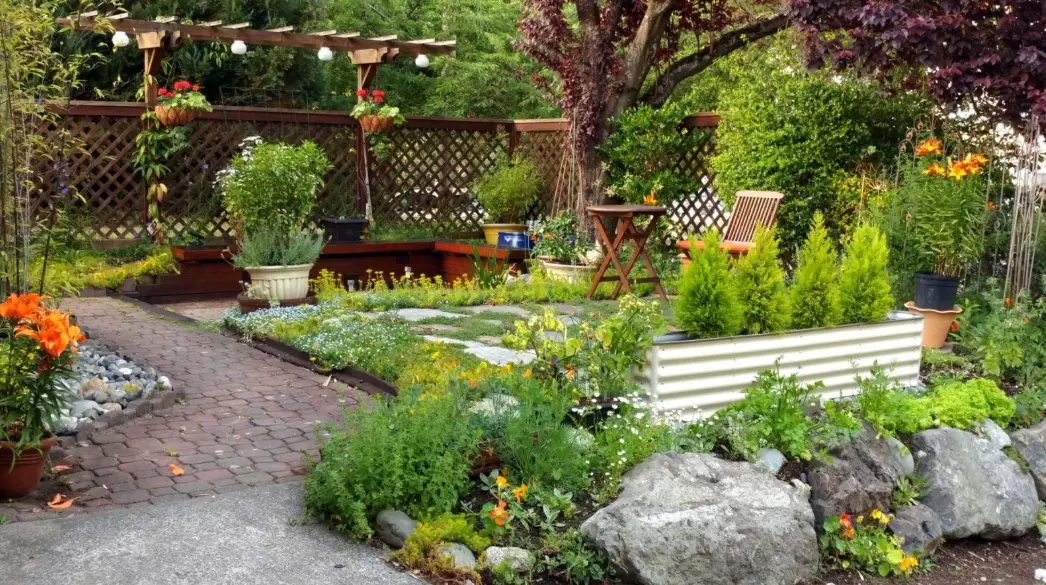
Your Quick Start Guide
Why Bother with a Backyard Habitat?
It's not just about cute animals. As development chews up natural spaces, our backyards become critical pit stops and permanent homes for displaced wildlife. The National Wildlife Federation calls them "connecting corridors." Your small patch, linked to your neighbor's, creates a network. The personal reward is immense. I replaced a sterile patch of lawn with native shrubs, and within two seasons, I had nesting chickadees, a toad that moved into my rock pile, and an explosion of fireflies I hadn't seen since childhood. It's cheaper than therapy and more satisfying than a perfect lawn.
The Four Non-Negotiable Essentials
Every legitimate certification program, like the one run by the National Wildlife Federation, boils it down to these four pillars. Think of this as your habitat checklist.
| Essential Need | What It Means | Beginner-Friendly Examples |
|---|---|---|
| Food | Year-round natural sources, supplemented by feeders. | Native berry bushes (Serviceberry, Elderberry), seed-producing flowers (Coneflower, Sunflower), nectar plants for hummingbirds/bees (Bee Balm, Trumpet Vine). |
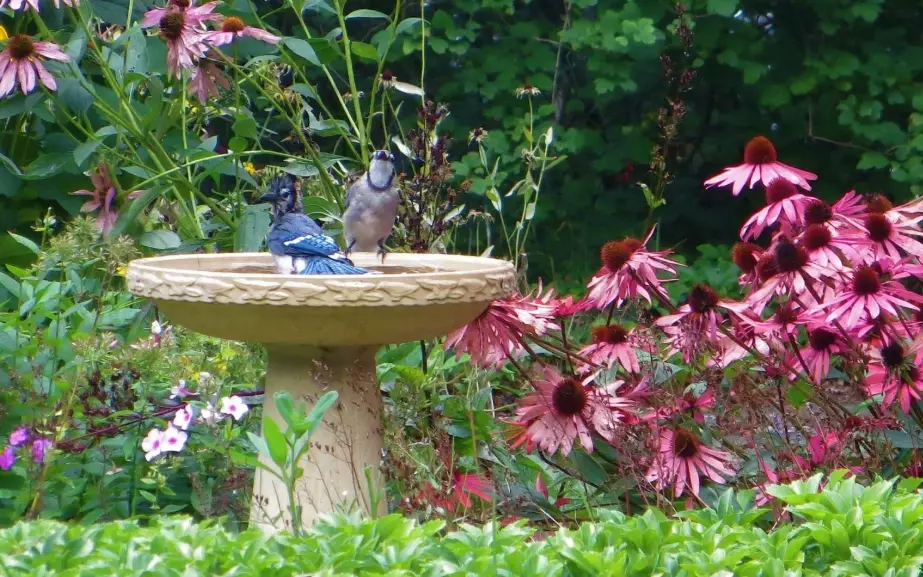
| Water | A reliable, clean source for drinking and bathing. | A birdbath with a dripper or mister, a shallow dish on the ground, a small pond with a gentle slope for access. |
| Cover | Places to hide from predators and harsh weather. | Dense shrubs (Spirea, Juniper), a brush pile in a corner, a rock wall with crevices, even a simple log on the ground. |
| Places to Raise Young | Safe spots for nesting and rearing offspring. | Native trees for canopy nests, dense thickets for ground nesters, birdhouses with correct hole sizes, host plants for butterfly caterpillars (Milkweed for Monarchs). |
Most people nail food and water. They buy a nice birdbath and a bag of seed. Where habitats fail is cover and nesting. An open yard with a single feeder in the middle is a death trap for small birds. They need a shrub within 10 feet to dart into when a hawk shows up.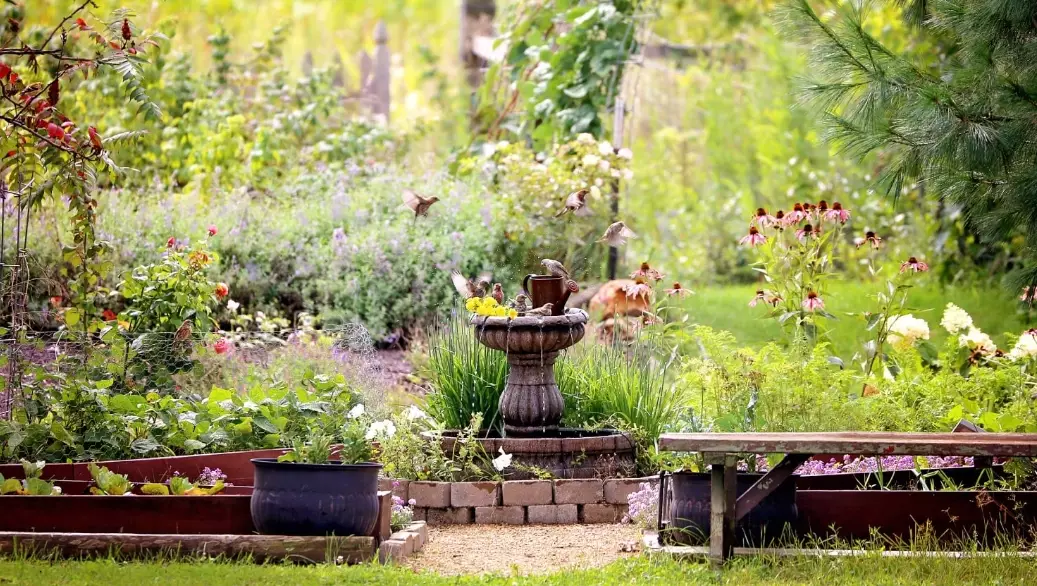
Your Native Planting Plan (Forget the Fancy Nursery)
This is the engine of your habitat. Non-native ornamental plants are like plastic fruit to most local insects. They can't eat them. No insects means no baby birds (96% of terrestrial bird species feed their young insects, according to research from the University of Delaware).
Start with These Workhorse Native Plants
Go to a local native plant sale, not a big-box garden center. You'll find plants adapted to your soil and climate that need far less water and care.
- For Birds (Berries & Seeds): Serviceberry (early summer berries), American Beautyberry (vibrant purple fall berries), Purple Coneflower and Black-eyed Susan (seeds for finches all winter).
- For Pollinators (Bees, Butterflies): Milkweed (the ONLY host for Monarch caterpillars), Bee Balm (a hummingbird magnet), Goldenrod (a late-season lifesaver for bees).
- For Structure & Cover: Oak trees (support over 500 species of caterpillars), native grasses like Little Bluestem (provide cover for ground-nesting bees and birds).
Beyond the Birdbath: Water & Shelter Deep Dive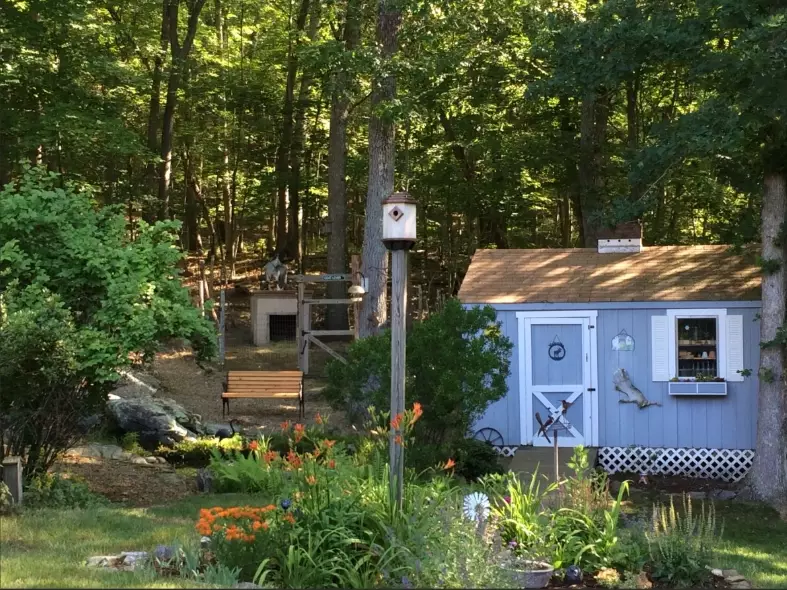
A static birdbath gets dirty fast and mosquitoes love it. Add motion. A simple dripper or solar fountain makes the water more attractive and prevents mosquitoes. Ground-level water sources are crucial for mammals like chipmunks and toads. Use a shallow terracotta saucer tucked under some ferns.
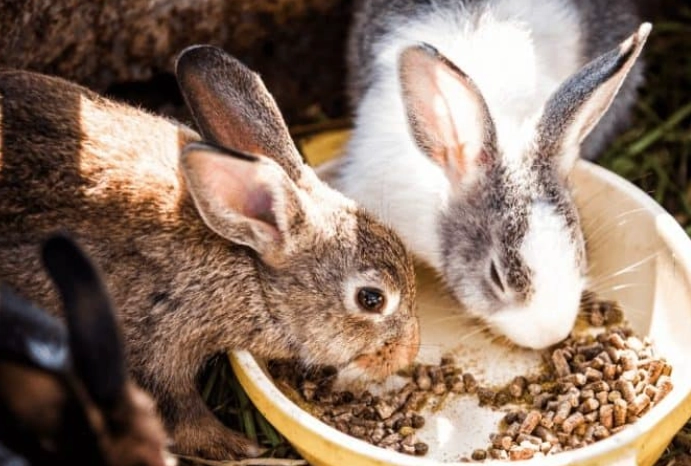
Shelter is where you can get creative for free. That pile of fallen branches from last storm? Don't take it to the curb. Stack it neatly in a back corner to create a brush pile. It's a five-star hotel for rabbits, songbirds, and countless beneficial insects. A stack of flat rocks makes a home for snakes and lizards (the good guys that eat pests).
How to Get Your Yard Certified
It's easier than you think. The National Wildlife Federation's Certified Wildlife Habitat program is the gold standard. You apply online, affirming you provide the four essentials and use sustainable practices (like reducing pesticide use). The fee supports their conservation work, and you get a sign for your yard. That sign does more than boast—it educates your neighbors and starts conversations. It's how these habitat corridors grow.
The 3 Mistakes Almost Everyone Makes
After visiting hundreds of backyard projects, these are the consistent hiccups.
- Planting in Isolation: A single coneflower is a snack. A cluster of 5-7 is a reliable food station. Plant in drifts.
- Keeping Things Too Tidy: Leave those fallen leaves under the shrubs in autumn. That's where Luna moths pupate and where towhees scratch for food. "Messy" is productive.
- Using Pesticides as a First Resort: That aphid outbreak on your milkweed? In a week, ladybug larvae will show up and gorge on them. Spray, and you kill the solution along with the problem. Tolerate a little damage.
Your Habitat Questions, Answered
My backyard is tiny, like a postage stamp. Can this still work?
Absolutely. Think vertically. A balcony with a native vine (like Coral Honeysuckle), a pot of milkweed, and a small water dish can certify as a habitat. A tiny yard can focus on a layered garden: a small tree, a shrub, and ground cover. Every square foot counts.
How do I attract wildlife without also attracting rats or mice?
This is a major concern. The key is managing food sources. Use bird feeders with trays to catch falling seed, and clean up spilled seed regularly. Avoid platform feeders that scatter seed everywhere. Focus on natural food from plants, which rodents are less likely to swarm than a pile of sunflower seeds. Secure compost bins.
 I have a dog/cat. Is a wildlife habitat a bad idea?
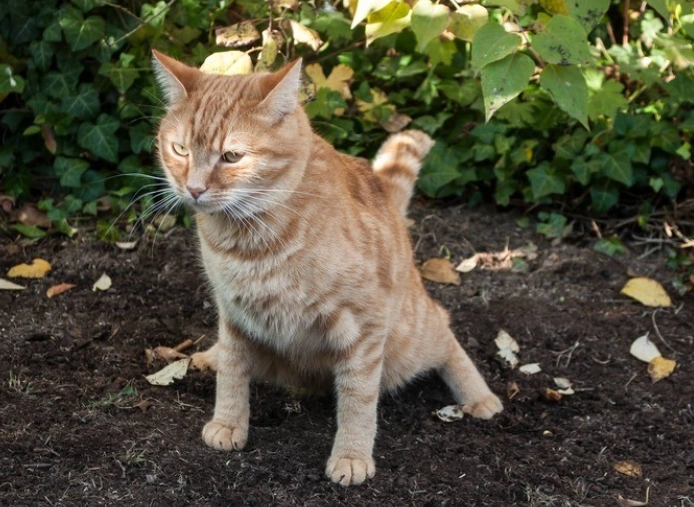
It requires management. Cats are a major threat to birds. Keep cats indoors, especially during dawn and dusk when birds are most active. Dogs can be trained to avoid habitat areas. Designate a section of your yard, perhaps fenced with decorative wire, as the dedicated habitat zone where pets don't go.
Won't this just bring more mosquitoes?
Stagnant water brings mosquitoes. Moving water does not. Use drippers, fountains, or simply refresh standing water every 48 hours. A healthy habitat also attracts dragonflies and bats, which are voracious mosquito predators.
What's the one thing I should do this weekend to get started?
Go outside and observe for 15 minutes. Where is the sun? Where is there already some life? Then, do one tangible thing: build a small brush pile in a corner, plant one native shrub, or install a birdbath with a $20 solar fountain. Action beats planning every time.
Join the Conversation