Let's be honest. The idea of a cat using the human toilet is equal parts fascinating and absurd. You've probably seen the viral videos—a cat nonchalantly perching on the seat, doing its business, and maybe even pawing at the flush handle. It looks like magic, a pinnacle of pet ownership that promises an end to litter dust, tracking, and weekly scooping. But is it real, or just clever editing?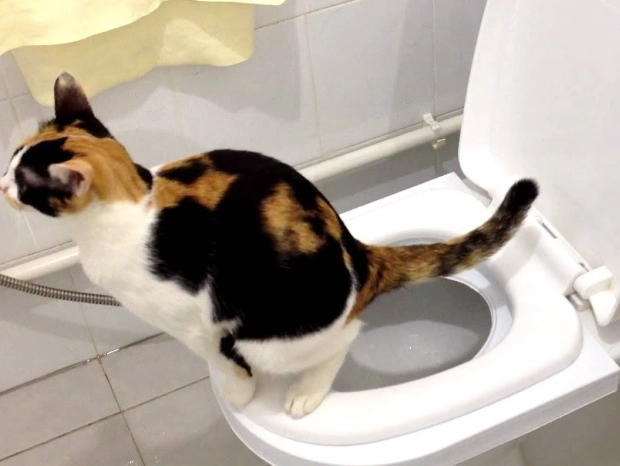
It's real. I've done it with two of my three cats. The third? A hard no. And that's the first critical lesson: this isn't for every cat. The process is less about teaching a trick and more about orchestrating a gradual, stress-free environmental adaptation. It requires immense patience, a specific cat personality, and a willingness to accept that failure is a distinct possibility.
This guide won't sell you a fantasy. I'll walk you through the exact steps, the hidden pitfalls most articles gloss over, and how to know if your cat is even a candidate. We'll move beyond the "why" and deep into the "how," with a timeline that's measured in months, not weeks.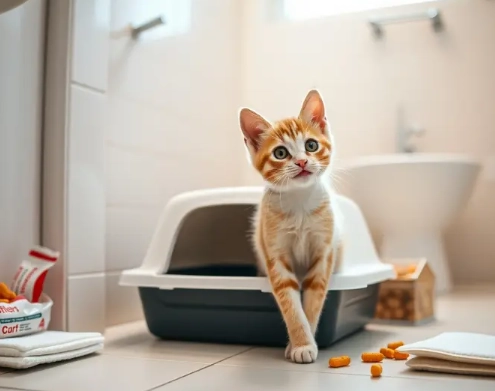
What You’ll Find in This Guide
Is Your Cat Even a Candidate? The Non-Negotiables
This is the most important section. Skipping it sets you up for frustration. Toilet training requires a cat that is confident, adaptable, and has a strong pre-existing litter box habit.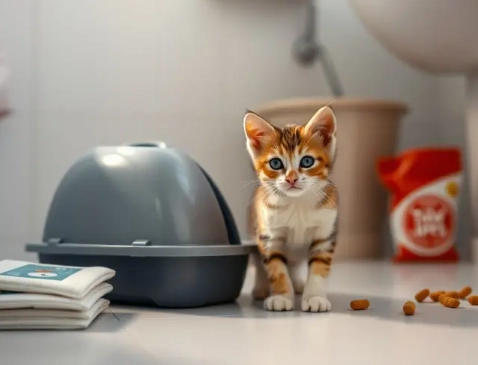
Ideal Candidates:
- Confident & Curious: The cat who investigates new objects, isn't spooked by household noises, and adapts quickly to furniture rearrangements.
- Litter Box Perfect: Has never had issues with inappropriate elimination. Uses the box reliably, every time.
- Physically Agile: Can easily jump onto the closed toilet seat. This rules out very young kittens, elderly cats, or those with arthritis or mobility issues.
- Single-Pet Household or Peaceful Multi-Cat: In a multi-cat home, you need a peaceful dynamic where the trainee cat feels safe and un-rushed in the bathroom.
- Anxious or Skittish Cats: If a door slamming sends them under the bed for an hour, the shifting stages of this process will be terrifying.
- Cats with a History of Litter Box Issues: Any past or present peeing outside the box is a giant red flag. The underlying stress or medical issue will be amplified.
- Senior Cats (>10 years): Joint stiffness makes balancing precarious. Their habits are also deeply ingrained.
- Cats with Medical Conditions: Kidney disease, diabetes, or urinary tract issues mean you need to monitor output (color, frequency, consistency), which is impossible in a flushed toilet.
My failed candidate? Bella. She's sweet but timid. Moving her litter box six inches was a three-day drama. We abandoned the idea after week two. It wasn't fair to her.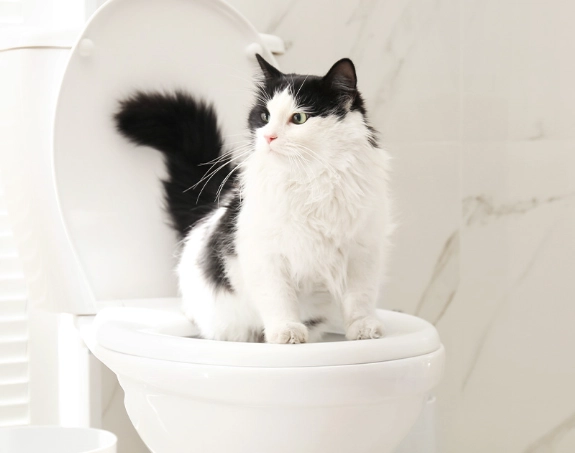
Gathering Your Supplies (It's More Than a Kit)
You can buy a commercial toilet training kit, which is basically a series of plastic rings with a hole that gradually enlarges. They work fine. But you need more than that.
- Training Seat or Kit: The structured path. A homemade version (aluminum tray, etc.) is possible but messier and less stable.
- Flushable, Clumping Litter: This is debated. Many experts warn against flushing even "flushable" litter due to plumbing and environmental concerns (see the EPA's guidance on wastewater). I used a minimal-dust, clumping litter and scooped solid waste into a small bag for the trash, only flushing urine-soaked clumps. Find your own comfort level here.
- Enzymatic Cleaner: Accidents will happen. You need a cleaner like Nature's Miracle to completely remove odors, or your cat will be drawn back to the accident spot.
- Non-Slip Bath Mat: Essential. A cat slipping once can create a lasting fear of the toilet.
- Patience & a Calendar: Mark phases, not days. This is a marathon.
The Four-Phase Training Process: A Detailed Roadmap
Here’s the core method, broken into phases. Each phase lasts a minimum of one week, and you only move on if your cat is 100% comfortable and consistent.
Phase 1: Foundation – The Bathroom Becomes HQ
Move your cat's regular litter box to the floor right next to the toilet. Keep the bathroom door permanently open. This associates the bathroom with elimination. No changes to the box itself yet.
This phase seems simple, but it's a critical test. If your cat refuses to use the box in this new location, stop. They're not ready.
Phase 2: Elevation – Getting Up There
Now, elevate the litter box. Place stable, non-slip platforms (like old phone books or a small stool) under the box until the top of the box is level with the toilet seat. Raise it an inch or two every few days.
Watch your cat's body language. A hesitant jump or a pause before entering means slow down. The goal is a seamless hop.
Phase 3: Transition – From Box to Seat
Once the box is toilet-seat height, secure it firmly on top of the closed toilet lid. Use tape if needed. Let your cat use it like this for several days.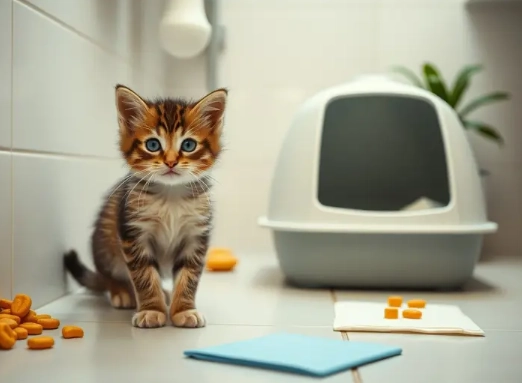
Then, the big switch: remove the litter box entirely. In its place, put the training seat (with the smallest hole insert) on the toilet. Fill it with a shallow layer of litter (1-2 inches).
Phase 4: The Reveal – Creating the Hole
After at least two weeks of perfect use, begin enlarging the hole. Follow your kit's instructions—usually, you swap inserts every 5-7 days. As the hole gets bigger, use less litter.
Here's the subtle mistake: people keep the litter too deep in a large hole, so waste hits the litter, not the water. You want waste to fall through. Use just enough litter to cover the bottom of the insert (a sprinkle). The cat should start seeing and hearing waste hit water.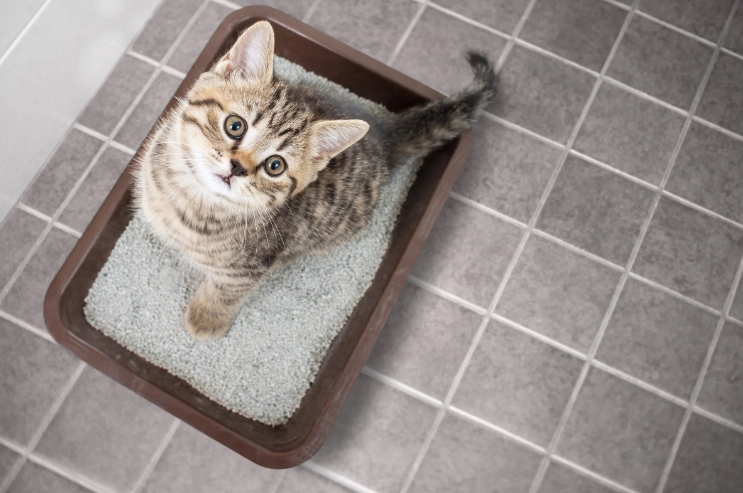
Finally, remove the training seat entirely. Leave the human toilet seat up (or the lid up, depending on your cat's preference).
This whole process, done without rushing, typically looks like this:
| Phase | Action | Minimum Duration | Key Success Sign |
|---|---|---|---|
| 1. Foundation | Litter box next to toilet. | 1 week | Cat uses box without hesitation. |
| 2. Elevation | Raise box to seat height. | 2-3 weeks | Cat jumps up confidently. |
| 3. Transition | Box on seat, then switch to training seat with litter. | 2+ weeks | Consistent use of training seat. |
| 4. The Reveal | Enlarge hole, reduce litter, remove seat. | 3-5 weeks | Cat uses bare toilet bowl. |
Troubleshooting the Inevitable Setbacks
Your cat will have an accident. It's not defiance; it's confusion or stress.
- Accident on the Bathroom Floor: Clean thoroughly with enzymatic cleaner. Did you move too fast? Go back one full phase for a week.
- Cat Won't Use the Training Seat: Ensure it's stable. Is the litter type the same? Is the bathroom door closed sometimes? Fix the variable, be patient.
- Cat Balances on the Seat Rim: This is common and dangerous. It usually means the hole was enlarged too quickly, or there's not enough litter for comfort. Go back an insert size, add a bit more litter.
- Regression After Success: A sudden change (houseguest, move, new pet) can cause a trained cat to regress. Temporarily reintroduce the training seat with litter until stability returns.
Life After Litter: The Good and The Less Good
Success is rewarding. No more buying, carrying, or scooping litter. The bathroom smells better. It's genuinely convenient.
But there are trade-offs, rarely discussed:
- You lose a health monitor: You can't check urine clump size or stool consistency.
- Bathroom access is critical: You must always leave the door open (or install a pet door). Guests need briefing.
- It's not natural: The posture can be stressful for some cats' bodies long-term.
- Travel becomes complex: Your cat may refuse a litter box at the vet or a sitter's house.
Your Questions, Honestly Answered
How long does it take to toilet train a cat?
What do I do if my cat refuses to use the toilet during training?
Can older cats or cats with health issues be toilet trained?
Is flushing safe with a toilet-trained cat?
The bottom line? Toilet training a cat is a feasible project for the right person with the right cat. It's a test of patience more than a test of your cat's intelligence. Weigh the pros and cons heavily, start with a brutally honest assessment of your feline friend, and if you proceed, let their comfort—not your timeline—guide every single step. The goal isn't just a cat that uses the toilet; it's a cat that's happy and secure doing so.

Join the Conversation