Quick Navigation
- The Short Answer (And Why It’s Not That Simple)
- The Science Behind the Wait: Understanding Snake Stress
- The Detailed Timeline: From Arrival to First Hold
- How to Execute That First Handling Session
- Factors That Change the Timeline
- Common Questions (And My Frank Answers)
- Long-Term Taming and Building Trust
So you just brought home your new slithery friend. The excitement is real—you want to hold it, bond with it, maybe even show it off a bit. I totally get it. I remember picking up my first corn snake, thinking we'd be best friends by the end of the week.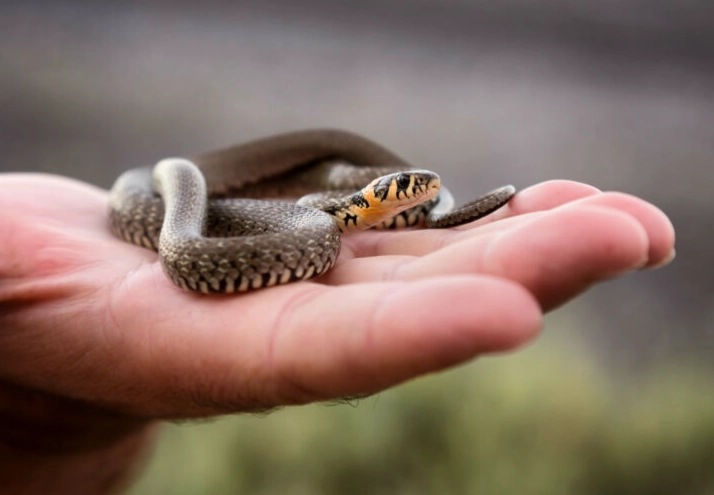
Bad idea.
That rush to handle led to a stressed snake, a refused meal, and a whole lot of worry on my part. It taught me a hard lesson about patience. The single most common question new owners have is, how long should you wait to hold your snake after getting it? The short, frustrating answer is: it depends. But don't worry, we're going to break down exactly what it depends on, and give you a clear, safe roadmap to follow.
Forget the random numbers you see on forums. A one-size-fits-all answer doesn't work for an animal that can be a tiny hognose or a massive boa. This guide is about understanding the why behind the wait, so you can make the best decision for your specific pet.
The Short Answer (And Why It’s Not That Simple)
Most experienced keepers and breeders will recommend a minimum quarantine and acclimation period of 5 to 7 days with absolutely no handling. The full settling-in period before regular, brief handling can begin often spans 7 to 14 days, sometimes longer.
But here’s the catch. That’s not a timer you set. You don't just mark day 7 on the calendar and grab your snake. That timeframe is a guideline for when you can *start* to *consider* a first, very short handling session, provided your snake is showing all the right signs of being settled.
The Golden Rule: The clock doesn't start until your snake has successfully eaten its first meal in your care. That's the non-negotiable milestone. No meal, no handling. Period.
Why is this so critical? Think about it from the snake's perspective. It's been shipped or driven in a dark box, dumped into a strange, bright, new world with unfamiliar smells and vibrations. Its primary instincts are stress and self-preservation. Handling during this time isn't bonding—it's perceived as predation.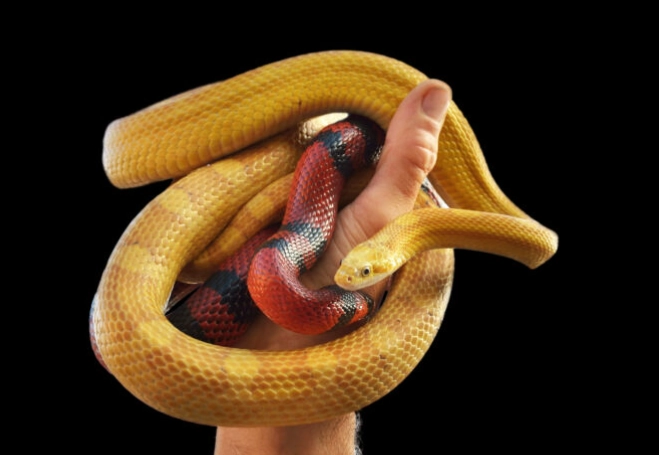
The Science Behind the Wait: Understanding Snake Stress
To really get why we wait, we need to talk about stress. In reptiles, chronic stress suppresses the immune system, leading to a higher risk of respiratory infections, parasites flaring up, and failure to thrive. A resource from the Association of Reptilian and Amphibian Veterinarians (ARAV) emphasizes that minimizing stress is a cornerstone of preventative health care in captive reptiles.
What does stress look like in a new snake?
- Hyper-alertness: Constant tongue flicking, rigid posture, head held high and frozen.
- Defensive Posturing: Balling up (ball pythons), striking at the glass, hissing, tail vibrating.
- Refusing Food: The most obvious sign. A stressed snake will not eat.
- Excessive Hiding: Never leaving the hide, even at night when it's normally active.
- Attempted Escape: Constant cruising along the enclosure walls.
Handling a snake exhibiting these signs resets its stress clock back to zero. You’re essentially telling its nervous system that the danger is persistent and real.
Health Risks of Handling Too Soon
It's not just about feelings. There are tangible risks:
- Regurgitation: This is the big one. If you handle a snake too soon after a meal (even a settled one), or handle one that's so stressed its digestion halts, it may vomit its meal. Regurgitation is severely damaging to the esophagus and gut flora, and it creates a cycle where the snake is then weakened and even less likely to eat next time.
- Illness Onset: As mentioned, a stressed immune system is an open door for latent problems. That slight wheeze you didn't notice before can turn into a full-blown respiratory infection.
- Establishing Negative Associations: You want your snake to associate you with safety, or at least neutrality. If its first experiences with you are terrifying, you're building a foundation of fear that can take months or years to undo.
I learned this the hard way with a rescued king snake. I pushed too fast, wanting to "socialize" him. He regurged, went off food for a month, and it took nearly a year of patient, slow work to get him to a calm state. Not worth the rush.
The Detailed Timeline: From Arrival to First Hold
Let's walk through what those first weeks should actually look like. This is the core of answering how long should you wait to hold your snake after getting its environment set up.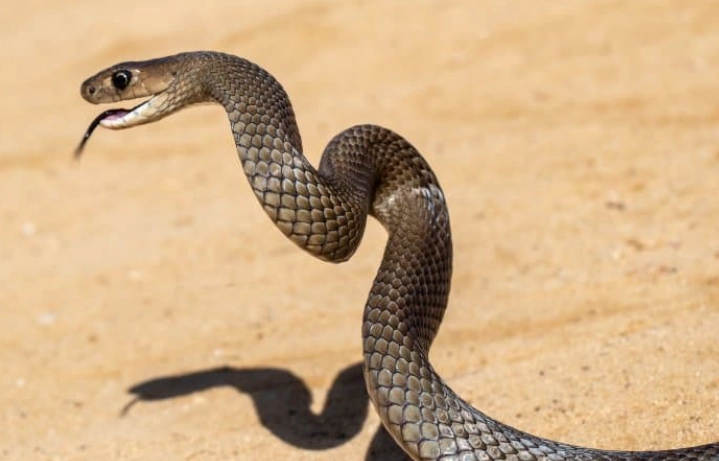
Pro Tip: Before you even bring the snake home, have the enclosure set up, heated, and running for at least 24-48 hours. This stabilizes temperatures and humidity, so you're putting the snake into a finished home, not a construction site.
Week 1: The Absolute Quiet Period (Days 1-7)
Your Job: Be a ghost. A very observant ghost.
- Day 1-2: Place the snake's travel container gently into the enclosure and let it come out on its own. Turn off the room lights if possible. Do not attempt to touch it. Just provide fresh water. Peek in only to check it hasn't tipped its water over.
- Day 3-5: Minimal disturbance. Change water quickly and quietly. Observe from a distance. Is it exploring at night? Has it found its hides? Start a log of its behavior.
- Day 5-7: Offer the first meal. Use the same prey type and size the breeder/previous owner used. Do not handle the snake to feed it. Just offer the food (using tongs for safety) near its hide and leave the room. Give it several hours in complete privacy.
If the snake eats, congratulations! The most critical hurdle is cleared. If it refuses, don't panic. Remove the prey item after 12 hours (or as appropriate for live/frozen) and wait 3-4 days before trying again. Do not offer food every day. This just adds stress.
Week 2: The Assessment & First Contact Phase (Days 8-14)
This is where you earn your patience points. The snake has eaten. Now it needs to digest, which for most common pet snakes takes 48-72 hours. No handling during digestion.
After digestion is complete, look for these "Green Light" signs that your snake might be ready for a first brief hold:
- It is consistently exploring its enclosure at night in a calm, curious manner (not frantic glass-surfing).
- It rests calmly in its hide or basking spot during the day, not in a tense, coiled ball.
- It tongue flicks calmly when you are near the enclosure, but doesn't jerk into a defensive pose.
- It has had a successful bowel movement since eating (a sign of a healthy, functioning digestive system).
If you see these signs, you can consider a first handling session on day 10-14. If not, wait longer. There's no penalty for waiting an extra week. Seriously.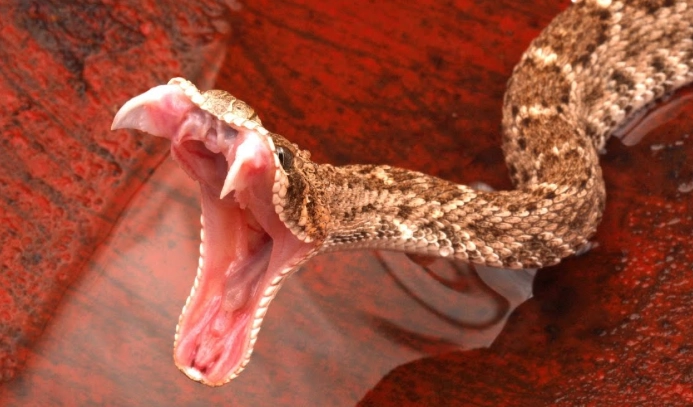
Red Flags That Mean STOP, Wait Longer: If your snake is still hiding 24/7, refusing food, striking at the glass, or seems generally "on edge," postpone handling. It is not ready, and forcing it will set you back. The question of how long should you wait to hold your snake after getting its first meal is answered by the snake itself, not the calendar.
How to Execute That First Handling Session
Okay, the day has come. Your snake is settled, has eaten and digested, and is acting calm. Here’s how to make that first hold a positive experience.
- Wash Your Hands: This removes food smells and prevents you from transferring oils or lotions to the snake.
- Be Confident & Calm: Snakes pick up on hesitation. Move with slow, deliberate purpose.
- Open the enclosure gently. Don't yank the lid or door.
- Approach from the side, not from above. An overhead approach mimics a predator bird. Gently slide your hand under the snake's midsection, supporting its body weight fully.
- Lift slowly and bring it out. Keep the session to 5-10 minutes max. Just sit quietly, let it move through your hands. Don't restrain it tightly.
- Return it gently to its enclosure by lowering it in, don't drop it.
What if it musks or strikes? Stay calm. Gently return it to its home. It’s not personal—it's fear. Try again in 4-5 days. The goal is to show that handling ends with a safe return home, not injury.
Factors That Change the Timeline
Our 7-14 day guideline is a baseline. These factors can lengthen (or sometimes shorten) it.
| Factor | Impact on Handling Timeline | Reason & Action |
|---|---|---|
| Snake Species & Temperament | Varies Widely | Corn snakes, kingsnakes are often bold and may settle faster (7-10 days). Ball pythons are notorious for being shy and stress-prone; 2-3 weeks is common. Hognoses can be dramatic. Research your species' typical personality. |
| Snake's Age & Origin | Major Impact | Captive-bred babies from a reputable breeder adapt best. Wild-caught or imported adults come with immense stress and health issues, requiring months of quiet quarantine before handling is even a thought. |
| Enclosure Quality | Critical Foundation | If temps/humidity are wrong, or hides are insufficient, the snake will never settle. Fix the husbandry first. A great resource for species-specific requirements is Reptiles Magazine's care guides. |
| Your Own Demeanor | Direct Impact | Loud noises, sudden movements, frequent tapping on the glass will prolong stress. Create a calm environment. |
| Health Issues | Pauses Everything | If you see signs of mites, RI, or odd behavior, consult an exotics vet. Handling is off the table until cleared by a professional. |
See? It's not just about time. It's about creating the right conditions for the snake to feel secure. A ball python in a barren tank with a half-log hide will be stressed indefinitely, no matter how long you wait.
Common Questions (And My Frank Answers)
Let's tackle some of the other things you're probably wondering.
You have to get it from the travel tub into the viv somehow, right? The key is to make this transfer as quick and non-invasive as possible. Gently guide it from the tub into the enclosure, or let it slither from the tub on its own if you can. Don't make this a "handling session." It's a necessary move. Think of it like a UPS driver delivering a package—efficient and gentle, but not lingering for a chat.
Some individuals are just remarkably chill. Even if it's calm, I still enforce the 5-7 day no-handling rule to ensure it eats. That first successful feed is my permission slip. After that, with a truly calm animal, you might proceed a little faster. But keep sessions very short. Friendliness can sometimes be a freeze-response, not actual comfort.
Start slow. 1-2 times a week for 10-15 minutes. Gradually increase frequency based on the snake's tolerance. For most pet snakes, 2-3 handling sessions per week is plenty for maintenance. Always avoid handling for 48 hours after a meal and during blue (pre-shed) phases.
First, don't freak out. Snake bites, especially from small species, are more shocking than painful. Do NOT jerk your hand away, as this can damage their teeth. Stay calm, let it release on its own, or gently guide its head off. Return it to its enclosure. The bite is a clear communication: "I'm not ready." Respect it. Wait another full week, maybe two, before trying again, and make the next session even shorter and more cautious.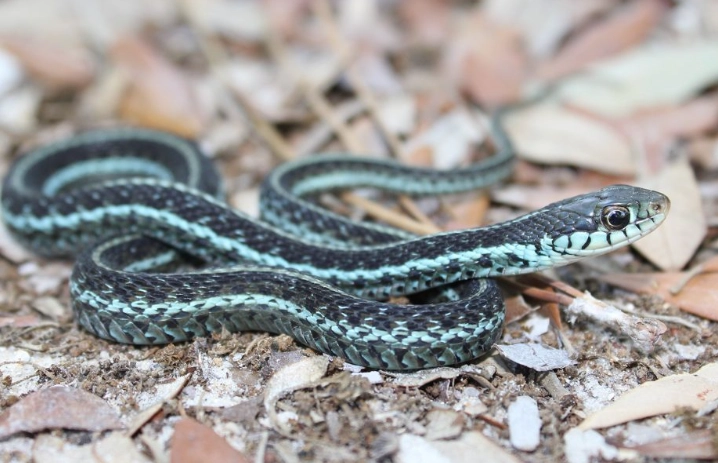
Not really. You can't rush trust. The only thing that "speeds it up" is getting the husbandry 100% perfect from minute one. Correct heat, perfect humidity, multiple snug hides, clutter (fake plants, branches) to make it feel secure—these are the things that allow a snake to relax faster. A website like MorphMarket's care guides, contributed by breeders, can be invaluable for nailing those details.
Honestly, the desire to speed things up is the root of most beginner problems. Embrace the slow pace. Enjoy watching it settle in from afar. The bonding will come.
Long-Term Taming and Building Trust
That first hold is just the beginning. Building a snake that is consistently handleable is a long-term project. Consistency is key. Short, positive, predictable sessions. If it's having a bad day (hiding deep, in shed), skip it. Always end on a positive note.
Some snakes will never be "cuddly," and that's okay. Your goal is a calm, tractable animal that doesn't see you as a threat. That's a successful relationship.
Remember, the core question of how long should you wait to hold your snake after getting its life started in your home isn't answered with a single number. It's answered by observing, understanding stress, and prioritizing your snake's wellbeing over your own excitement. When in doubt, wait it out. An extra week of waiting costs you nothing. Pushing too fast can cost you months of progress and your snake's health.
Put in the quiet time at the start. Be the patient, reliable giant in its world. That's how you build a foundation for a great relationship with your fascinating pet for years to come. Now go check your temperatures and leave that snake alone for a few days!
Join the Conversation