You see them every day on social media—the adorable rabbits, the quirky guinea pigs, the lizards with personality. Maybe you've volunteered at a shelter or spent hours researching the perfect habitat for your own pet. That spark, that deep-seated interest in the wellbeing of small mammals, birds, and reptiles, can be more than a hobby. It can be a career. But the path from animal lover to animal care professional is murkier than most guides let on.
Your Quick Career Pathfinder
Why Choose This Path? (The Realistic View)
Let's be clear upfront. Small animal care careers are not about cuddling puppies and kittens all day. Well, maybe 5% of it is. The rest is cleaning, restraining anxious animals, administering medication, dealing with heartbreaking cases, and communicating with stressed pet owners. The burnout rate is real. The American Veterinary Medical Association (AVMA) regularly discusses compassion fatigue within the profession.
So why do it? Because the 5%—the successful surgery recovery, the neglected animal finding a home, the client's tearful thank you—can fuel you for weeks. The work has tangible, immediate impact. The field is also growing. The Bureau of Labor Statistics projects employment for veterinary technologists and technicians to grow much faster than average, driven by our increasing spending on pets and the expansion of veterinary services.
I've been in this field for over a decade, and the biggest misconception I see is people thinking a passion for animals is enough. It's the foundation, but the building is made of stamina, technical skill, and emotional intelligence.
Three Core Career Paths to Explore
When people say "small animal care," they're usually picturing a veterinary clinic for cats and dogs. That's one avenue, but it's just the start. The world is much broader.
1. The Veterinary Clinic Route
This is the most structured path. In a small animal practice, you're typically dealing with cats, dogs, and sometimes "pocket pets" like rabbits or hamsters.
Key Roles: Veterinary Assistant (learned on the job), Certified Veterinary Technician/Nurse (requires a 2-4 year degree and licensure), Practice Manager. The difference between an assistant and a tech is huge in terms of scope of practice—techs can do dental cleanings, take X-rays, induce anesthesia under supervision, run lab tests.
A typical day for a vet tech might start at 7:30 AM setting up surgery, monitoring anesthesia for a spay, running a pre-op blood panel, then moving to appointments: helping with vaccinations, demonstrating ear medication techniques to a frustrated owner, taking a difficult blood draw from a wiggly dog, and finally, helping clean and close the clinic. It's physically and mentally demanding.
2. Animal Shelter & Rescue Work
This path is less about clinical medicine and more about animal welfare, behavior, and adoption. The mission is different. Your "clients" are the animals and the adopters, not paying pet owners.
Roles include Animal Care Attendant, Adoption Counselor, Foster Coordinator, and Behavior Specialist. The work involves deep cleaning kennels, assessing animal temperament, matching pets with families, and managing a network of foster homes. The emotional highs are incredibly high (seeing a long-term resident get adopted), and the lows can be very low. Funding is often tight, leading to resource constraints you won't face in corporate medicine.
3. The Niche World of Exotic & Specialty Pet Care
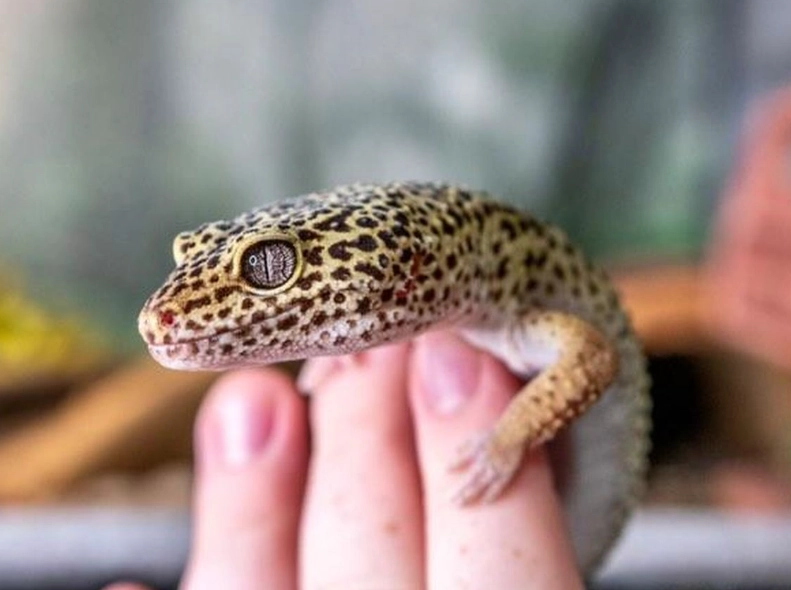
This is the fastest-growing and, in my opinion, most interesting area. It caters to rabbits, guinea pigs, reptiles, birds, and other non-traditional pets. You could work in an exotic-only veterinary practice, a high-end pet boarding facility with specialized habitats, or even a zoo's education department.
The knowledge curve is steep. A rabbit's anatomy and physiology are vastly different from a dog's. A bearded dragon's nutritional needs are specific and complex. This niche values specialized knowledge highly, but opportunities can be geographically limited—you need to be near a metropolitan area or a practice that has invested in this specialty.
| Career Path | Typical Job Titles | Education Entry Point | Pro: Con (The Real Talk) |
|---|---|---|---|
| Veterinary Clinic | Vet Assistant, Certified Vet Tech | On-the-job training or AVMA-accredited Associate's degree | Pro: Clear career ladder, stable demand. Con: Can be repetitive, high stress from client expectations. |
| Animal Shelter | Care Attendant, Adoption Counselor | High school diploma + experience (volunteering is key) | Pro: Mission-driven work, huge variety in animals. Con: Lower pay, emotional toll of euthanasia/severe neglect cases. |
| Exotic Pet Care | Exotic Vet Tech, Specialty Care Manager | Vet Tech degree + specialized workshops/certifications | Pro: Intellectually challenging, less saturated field. Con: Fewer job openings, constant need for self-education. |
The Education & Certification Maze
This is where people get overwhelmed. Do you need a degree? A certificate? Nothing?
For Veterinary Assistants, many clinics provide on-the-job training. However, completing a certificate program from a community college or online school (like the one offered by the National Association of Veterinary Technicians in America - NAVTA) can make you a much more competitive candidate. It shows initiative and foundational knowledge.
For Certified Veterinary Technicians, the path is non-negotiable: a 2-year or 4-year degree from an AVMA-accredited program, followed by passing the Veterinary Technician National Exam (VTNE) and meeting your state's licensing requirements. This is a serious academic commitment with courses in anatomy, physiology, pharmacology, and surgical nursing.
For shelter work and niche care, formal education is less critical than proven experience and specialized knowledge. Certifications like Fear Free Shelter or Low Stress Handling add immense value. For exotics, workshops from organizations like the Association of Reptilian and Amphibian Veterinarians (ARAV) are gold on a resume.
My advice? Before enrolling in a costly program, work or volunteer in the environment you think you want. A $200 online animal behavior course and 100 hours of shelter volunteering will tell you more about your fit than any brochure.
Skills You Need Beyond "Love for Animals"
If I had to hire for one of these roles, here’s what I’d prioritize beyond the resume:
Physical & Mental Stamina: You'll be on your feet, lifting 40-pound bags of food, restraining strong animals, and dealing with bodily fluids. Emotionally, you'll see suffering.
Obsessive Attention to Detail: Did you draw up 0.1 ml or 1.0 ml of medication? Is that kennel latch completely secure? A tiny mistake can have big consequences.
Communication, But Specifically Client Education: This is the expert skill. Explaining a complex disease or a strict medication schedule in a way that a worried, distracted pet owner will understand and follow. It's part teacher, part therapist.
Detachment (The Right Kind): You cannot take every sad case home with you. You must learn to provide excellent, compassionate care while maintaining an emotional boundary for your own sanity. This takes practice and conscious effort.
Landing Your First Job: A Tactical Guide
You won't start as a surgery tech. Here’s a step-by-step approach that works.
Step 1: The Foot in the Door Job. Apply for kennel attendant, dog daycare attendant, or veterinary receptionist positions. These jobs teach you the rhythm of the environment, basic animal behavior, and cleaning protocols—the unglamorous backbone of the industry.
Step 2: Volunteer Strategically. Don't just show up to cuddle cats. At a shelter, ask to be trained in medicating animals, doing intake exams, or assisting with adoption events. This builds a specific skill list you can put on your resume.
Step 3: Network in Plain Sight. When you're in that entry-level role or volunteering, be relentlessly curious and reliable. Ask the vet techs questions when they're not swamped. Offer to help restock. Show up early. The manager will notice. Most first "real" jobs come from internal promotion or a reference from a supervisor who's seen you work.
Step 4: Tailor Your Resume to the Job. If applying to an exotic clinic, highlight any experience with reptiles or birds, even if it's just personal pet ownership done well. For a shelter, emphasize customer service and teamwork. Use the language from the job posting.
I got my first tech job because the practice manager saw me patiently explaining a cat's ear infection treatment to an elderly client for the third time when I was just a receptionist. She said she needed that patience on her medical team.
Your Burning Questions Answered
The path in small animal care isn't linear or easy. It's messy, emotional, and physically tough. But for the right person—someone who finds satisfaction in meticulous care, who can communicate under pressure, and who genuinely wants to advocate for creatures that can't speak for themselves—it’s not just a job. It’s a vocation. Start with a single step of volunteering. See where that path leads you.





Join the Conversation