Quick Navigation
- Step One: Ditching the Pet Store Mindset (Choosing the Right Cage)
- Step Two: The Non-Negotiable Essentials
- Step Three: The Fun Part - Enrichment & Personalization
- Step Four: The Practical Stuff - Placement, Safety & Maintenance
- Common Hamster Cage Setup Mistakes (And How to Avoid Them)
- Answers to Questions You're Probably Asking
Let's be honest. When you first bring that little ball of fur home, the excitement is real. You've got the food, the water bottle, maybe a cute little hut. You plop it all into that colorful plastic cage from the pet store and call it a day. I did the same thing years ago with my first hamster, Whiskers. Big mistake.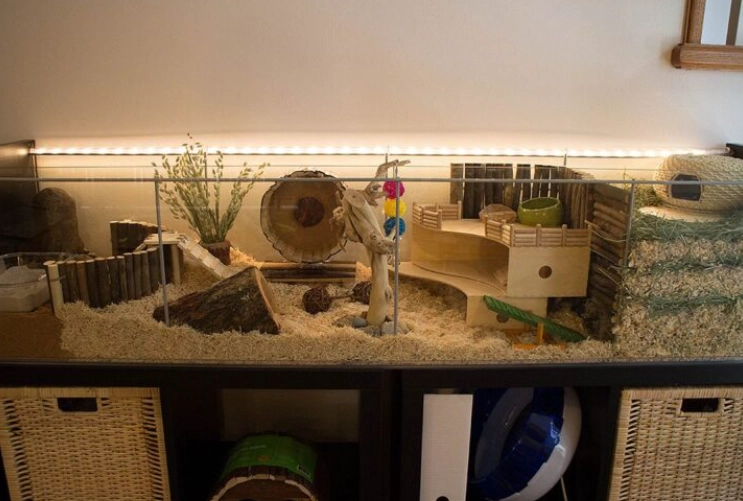
He started bar chewing almost immediately. Nights were filled with the incessant *cling cling cling* of metal. He seemed bored, pacing the same corners. It wasn't the happy pet ownership I imagined. The problem wasn't Whiskers; it was my complete ignorance about a proper hamster cage setup.
It took a lot of research, some trial and error (and yes, one great escape adventure that ended behind the fridge), to finally understand what these little creatures truly need. It's not just a container; it's their entire world. This guide is everything I learned the hard way, so you don't have to.
The Core Idea: A good hamster cage setup isn't about what's cutest for your Instagram. It's about creating a secure, engaging, and species-appropriate environment that allows your hamster to express all its natural behaviors—burrowing, foraging, climbing (for some species), hiding, and hoarding.
Step One: Ditching the Pet Store Mindset (Choosing the Right Cage)
This is where most people go wrong, myself included. The cages marketed for hamsters are often tragically small. The old minimum used to be laughable. Modern animal welfare understanding, like the guidance from experts at the RSPCA, emphasizes much larger spaces.
For all Syrian hamsters, the absolute minimum floor space is 100cm x 50cm (about 775 square inches). For dwarf hamsters, 80cm x 50cm is the baseline. And trust me, bigger is always better. More space means less stress, fewer behavioral issues, and more room for fun stuff.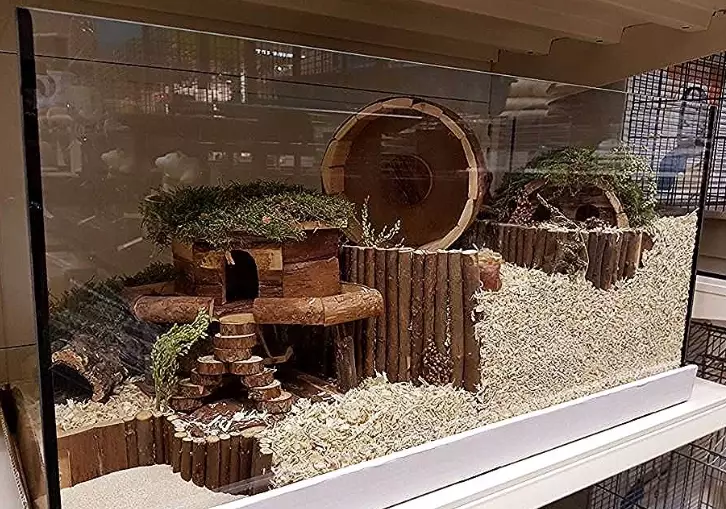
So, what are your actual options?
The Cage Contenders: Pros, Cons, and My Take
| Cage Type | Pros | Cons | Best For |
|---|---|---|---|
| Large Aquarium/Tank (40+ Gallon) | Excellent for deep bedding (burrowing!), great visibility, no bar chewing, draft-free. | Can be heavy, expensive new, needs a secure mesh lid for ventilation. | All species, especially beginners focused on a good hamster cage setup. |
| Plastic Bin Cage (DIY) | Very affordable, customizable size, holds bedding well, quiet. | DIY required (cutting & securing mesh), plastic can be chewed if edges exposed, visibility can be lower. | Budget-conscious owners willing to do a little work. |
| Large Wire Cage (with deep plastic base) | Great ventilation, easy to attach accessories, often multi-level. | Bar chewing risk, bedding gets kicked out easily, can feel drafty. | Owners in warm climates, dwarf hamsters (less prone to bar chewing). |
| Commercial Plastic Habitats | Colorful, often has tubes and attached sections. | Usually far too small, tubes are difficult to clean and can be unsafe, poor ventilation. | Honestly? I struggle to recommend most. Some large versions might work for dwarfs. |
My personal favorite for a Syrian is a large tank. Watching them dig complex tunnel systems is incredibly rewarding and something you just don't get in a shallow cage. For my current Robo dwarf, I use a large bin cage I made—it's huge, cost me $30, and she's never tried to escape.
A Word of Warning: Those multi-level tall cages with tiny floors? Hamsters are not climbers like mice. They are ground dwellers and burrowers. Floor space is king. Height is only useful if it's used to provide a deep layer of bedding, not just more precarious levels.
Step Two: The Non-Negotiable Essentials
Once you have the real estate, it's time to furnish it. Think of this as the foundation of your hamster cage setup. Skip any of these, and the whole thing feels incomplete.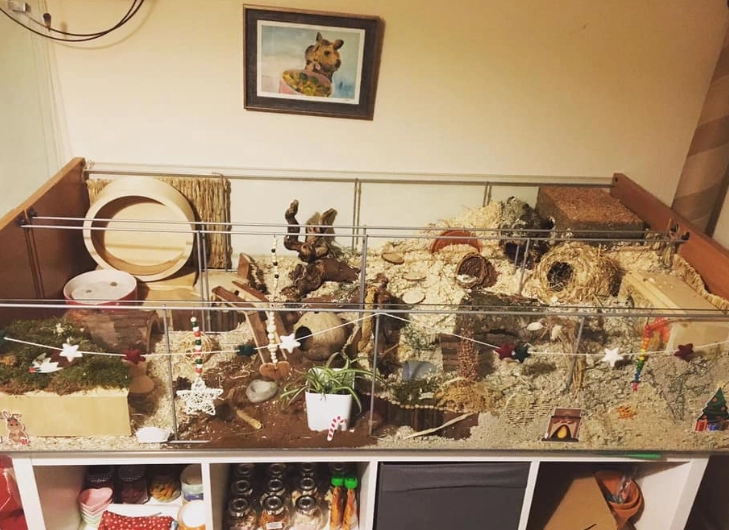
- Bedding, and Lots of It: This is the biggest item in both volume and importance. You need a safe, absorbent substrate. Aspen wood shavings (never pine or cedar, as the oils are harmful), paper-based bedding, or a mix are great. Aim for a depth of at least 6 inches. 10+ inches is the dream for burrowing. I use a base layer of aspen for structure and a top layer of soft paper bedding.
- A Solid-Surface Wheel: The wire or mesh wheels are foot traps waiting to happen. You need a solid-surface wheel that's large enough for your hamster's back to be straight. For Syrians, that's 10-12 inches. For dwarfs, 8 inches minimum. A silent spinner is a gift to your own sleep.
- A Hideout (or Three): Hamsters are prey animals. They need dark, enclosed spaces to feel safe. Have at least one main hide. Ceramic, wood, or opaque plastic are good. I also throw in a small cardboard box—they love chewing and rearranging it.
- A Water Source: A glass or ceramic water bottle with a metal spout is standard. Check it daily for clogs. A small, heavy ceramic dish of water can also work, but it gets dirty faster.
- Food Dish & Scatter Feeding: A small, heavy ceramic dish prevents tipping. But here's a pro tip: don't put all the food in the bowl. Scatter feeding—sprinkling some food throughout the bedding—encourages natural foraging behavior and is fantastic mental stimulation.
See, the initial hamster cage setup is about more than just stuff. It's about setting the stage for natural behavior.
Step Three: The Fun Part - Enrichment & Personalization
This is where your cage goes from "adequate" to "amazing." Enrichment prevents boredom, which in turn prevents bar chewing, cage aggression, and over-grooming.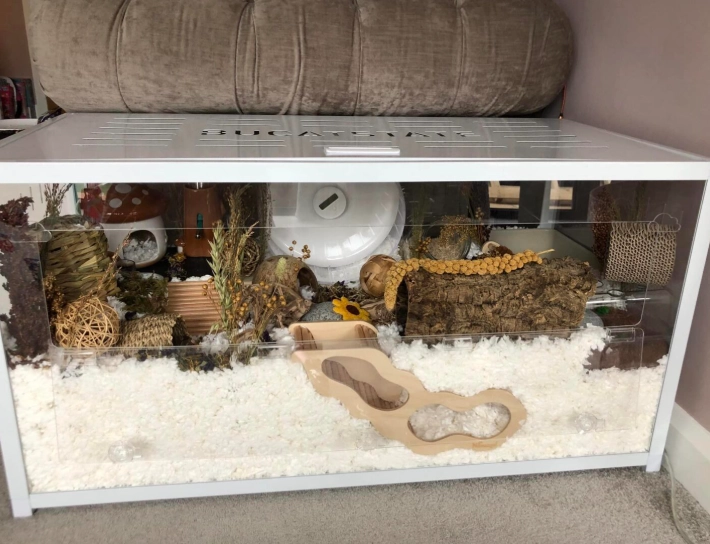
Think like a hamster: What would make your world interesting? Places to explore, things to chew, different textures underfoot, puzzles to solve.
Enrichment Ideas You Can Add Today
Chewing Variety: Wooden chews (apple, pear, willow sticks), whimzees dog chews (the alligator ones are a hit), and cardboard tubes. Their teeth never stop growing, so this is a health necessity, not a luxury.
Substrate Variety: Create a sand bath area using reptile sand (no calcium or dyes) or children's play sand baked to sterilize. Robos and other dwarfs especially need this for coat care. You can also add a small area of coconut fiber or orchard grass hay for digging.
Clutter & Bridges: Use grapevine wood, cork logs, bendy bridges, and tunnels to break up the open space. This makes them feel secure while moving around. A cluttered cage is a happy cage.
Foraging Toys: Stuff a toilet paper tube with hay and a few treats. Use a puzzle feeder. Hide treats in a woven grass ball. The goal is to make them work for their food a little bit.
I like to rotate toys in and out every few weeks. When I put an old wooden tunnel back in after a month, it's like my hamster discovers it all over again. It keeps things fresh without spending money constantly.
Step Four: The Practical Stuff - Placement, Safety & Maintenance
Where you put this masterpiece matters just as much as what's in it.
- Location, Location, Location: Away from direct sunlight, drafts, and loud noises (like TVs or speakers). Also, keep it away from other pets for everyone's stress levels. A quiet corner of a living room or bedroom is ideal.
- Safety Check: Before finalizing your hamster cage setup, do a safety sweep. Are there any gaps larger than your pinky finger? Are all wires for wheels or water bottles secured and out of chewing reach? Is the lid secure? Hamsters are escape artists of the highest order.
- Cleaning Routine: This is the unsexy part. Spot clean soiled bedding every 1-2 days. Do a partial clean (remove 1/3 of bedding) every week. A full, deep clean should only happen every 3-4 weeks, if that. Over-cleaning destroys their scent markings and causes major stress. Keep a part of the old, clean bedding to mix back in.
Common Hamster Cage Setup Mistakes (And How to Avoid Them)
We've all been there. Let's learn from common blunders.
- The "Too Small" Trap: Already covered, but it's the #1 mistake. If your cage is smaller than the minimums discussed, upgrading is the single best thing you can do.
- The Fluffy Bedding Fiasco: That soft, cotton-like "fluff" bedding sold for nests? It's incredibly dangerous. It can wrap around limbs and cut off circulation, or cause fatal blockages if ingested. Stick to shredded paper or hay for nesting material.
- The Over-Cleaning Freak-Out: You want it to smell clean. I get it. But stripping the cage bare weekly is terrifying for your hamster. Their scent is their map. Stick to the partial clean routine.
- Ignoring the Wheel Squeak: A noisy wheel isn't just annoying for you. If it's loud or stiff, your hamster might stop using it, leading to health issues. Oil the spindle with a tiny bit of vegetable oil or invest in a truly silent one.
Answers to Questions You're Probably Asking
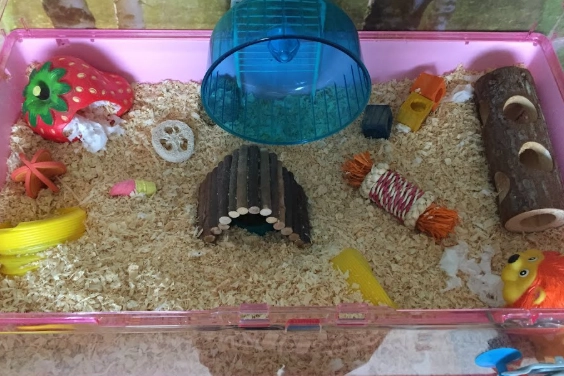
At the end of the day, a perfect hamster cage setup is a living project. You'll start with the basics, watch your hamster's behavior, and then tweak things. Do they love the sand bath? Make it bigger. Are they ignoring the wooden chew? Try a different type.
The goal is to see your hamster behaving like a hamster—digging frantic tunnels, stuffing their cheeks full, running on their wheel with a straight back, and sleeping soundly in a cozy hide. When you see that, you'll know you've nailed it. It's more work than just buying a kit, but the payoff is a curious, active, and content little pet. And honestly, that's the whole point.
It's not about creating a sterile display. It's about building a home.






Join the Conversation