Quick Navigation
It's a question that pops up in every reptile forum, in pet store aisles, and in the minds of anyone considering a slithery companion: do any snakes bond with humans? You see videos of a ball python calmly coiled around someone's neck, or a corn snake seemingly "cuddling" in a hoodie pocket, and you can't help but wonder. Is that trust? Is it affection? Or is the snake just tolerating us because we're a warm, stable tree that brings food?
I've kept snakes for over a decade, and I've asked myself this more times than I can count. The short, honest answer isn't a simple yes or no. It's a fascinating "sort of, but not in the way you think." If you're hoping for a wagging tail and sloppy kisses, you're looking at the wrong class of animal. But if you're interested in a complex, quiet, and deeply rewarding form of interspecies trust, then you're in for a treat.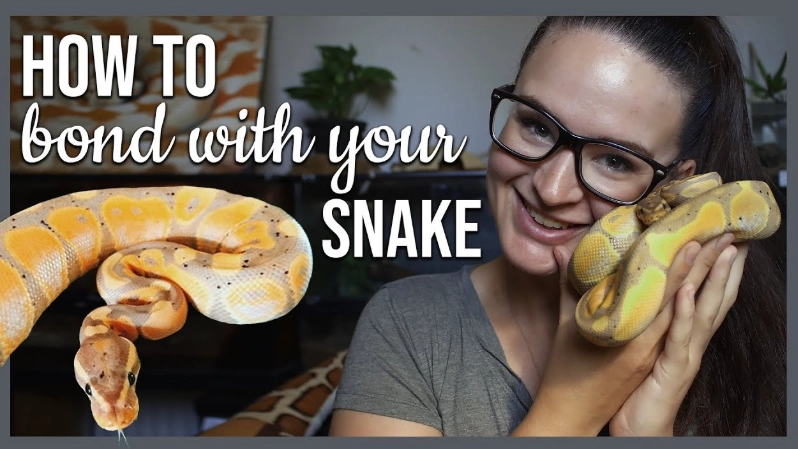
Let's ditch the Disney filter and look at what's really happening. The idea of bonding implies a mutual emotional connection, something we readily attribute to mammals. Snakes operate on a different software entirely. Their world is built on scent, heat, vibration, and a powerful drive for survival. So when we ask, "Do any snakes bond with humans?" we first need to redefine "bonding" in reptilian terms.
What Does "Bonding" Even Mean for a Snake?
For a snake, a positive association with a human isn't about love or loyalty. It's about predictability and safety. A snake that doesn't flinch when you approach, that willingly explores your hands, and that eats readily in your presence has learned one crucial thing: you are not a threat. In fact, you are a source of good things (like food and warmth) and a neutral presence the rest of the time. This state of learned trust is the closest equivalent to "bonding" in the snake world. It's a cognitive recognition, not an emotional one. Research into reptile cognition, while still growing, supports this idea of associative learning. A study published in the Journal of Experimental Biology has shown that reptiles are capable of complex learning and problem-solving, far beyond simple instinct.
So, can this trust be strong? Absolutely. Can it feel like a bond from our perspective? Without a doubt. But it's vital to manage our expectations. Your snake won't miss you when you're on vacation (though it might appreciate the consistent heat from its thermostat). It won't seek you out for comfort. But it can learn to be comfortable with you, and that's a pretty special thing all on its own.
The Contenders: Snake Species Known for Tolerating Humans Well
While individual personality varies wildly, some snake species have earned a reputation for being more amenable to handling and more likely to develop that coveted steady temperament. Their generally docile nature makes the process of building trust smoother. Notice I said "tolerating" and "amenable." That's the key. We're looking for species with a low tendency to defensiveness.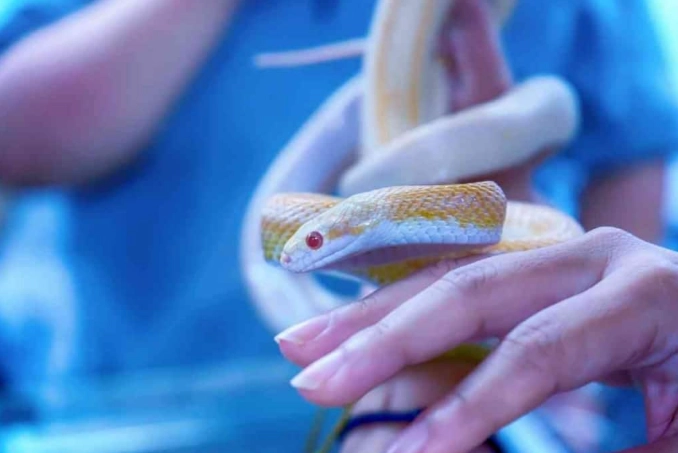
| Species | Typical Temperament | Why They're Often Seen as "Friendly" | Important Caveats |
|---|---|---|---|
| Ball Python (Python regius) | Notoriously docile, shy, prone to balling up. | Their primary defense is to hide their head, not to strike. They settle down quickly when handled calmly and are slow-moving. | Can be fussy eaters, especially as juveniles. Their shyness can be mistaken for calmness—they're often just scared stiff. |
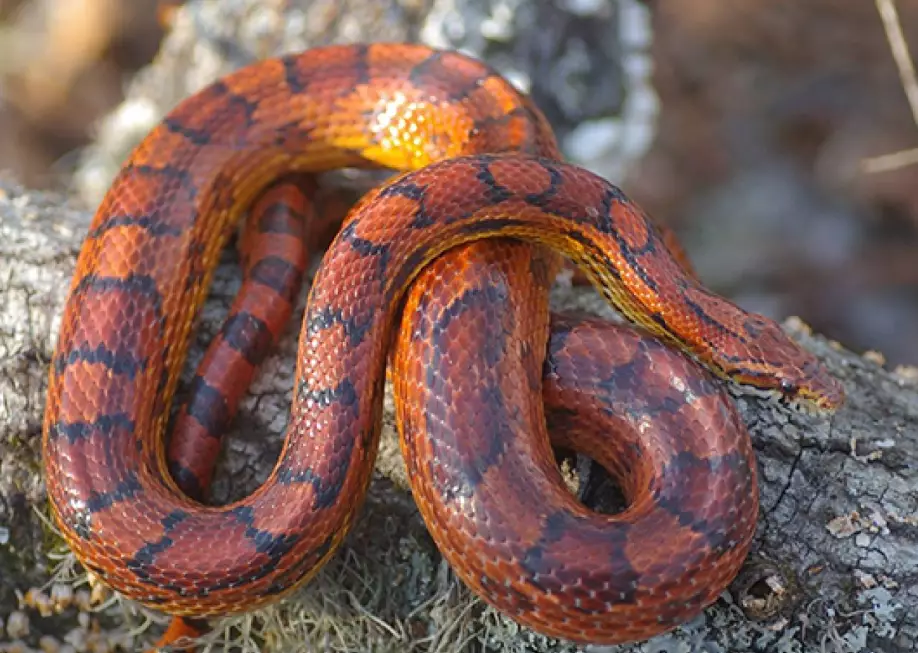
| Corn Snake (Pantherophis guttatus) | Curious, active, generally gentle. | They are naturally inquisitive and seem to explore their handlers. They are hardy and adapt well to routine handling. | They are escape artists. Their activity level can be startling if you expect a lap snake; they want to move. |
| Rosy Boa (Lichanura trivirgata) | Placid, slow-moving, remarkably calm. | Often described as "placid" or "mellow." They rarely strike and tend to move deliberately during handling, which feels very controlled. | Can be shy feeders. Their calmness sometimes means they stay in one spot for a long time during handling. |
| Kenyan Sand Boa (Eryx colubrinus) | Docile, sometimes a bit squirmy initially. | Once acclimated, they are very easy to handle. Their small size and thick bodies make them feel secure, and they rarely attempt to bite. | They spend 90% of their time buried, so you don't "see" them much. Handling is an event for them. |
| California Kingsnake (Lampropeltis californiae) | Active, bold, sometimes food-responsive. | They are confident snakes that don't spook easily. They can become very accustomed to handling and show clear feeding vs. handling modes. | Their strong feeding response can lead to mistaken identity bites (thinking fingers are food). Not for the squeamish beginner. |
I've had a corn snake for eight years. When I first got him, he was a tiny ribbon of nervous energy, zipping through my fingers. Now, he emerges from his hide when I'm doing tank maintenance, not in a food-response frenzy, but with a slow, tongue-flicking curiosity. He'll loop through my fingers and up my arm, stopping to investigate a watch or a sleeve button. Does he love me? I seriously doubt it. Does he recognize me as the large, non-threatening entity that doesn't hurt him and sometimes provides a novel climbing frame? I'm convinced he does. That's the reptilian version of answering "Do any snakes bond with humans?" with a cautious "Yes, they can learn to trust a specific human."
Myth vs. Fact: Snake Behavior Edition
Myth: A snake that wraps around your wrist is "hugging" you.
Fact: It's seeking anchorage points for stability. Snakes are masters of physics; they grip to feel secure, not to show affection.
Myth: If a snake flicks its tongue at you, it's "kissing" you or being friendly.
Fact: Tongue-flicking is how snakes smell the world. It's information gathering. It's a sign of curiosity or assessment, not affection.
Myth: A snake that hides all the time is anti-social or doesn't like you.
Fact: Hiding is a default survival behavior. A snake that hides feels safe in its enclosure. Forcing it out constantly creates stress, not bonding.
How to Actually Build Trust with Your Snake (The Practical Guide)
So, you want to encourage that trust-based relationship. It's not about cuddling; it's about consistency and reading your snake's body language. Rushing this process is the number one mistake new owners make. Here’s a layered approach that actually works.
The Foundational Layer: The First Few Weeks
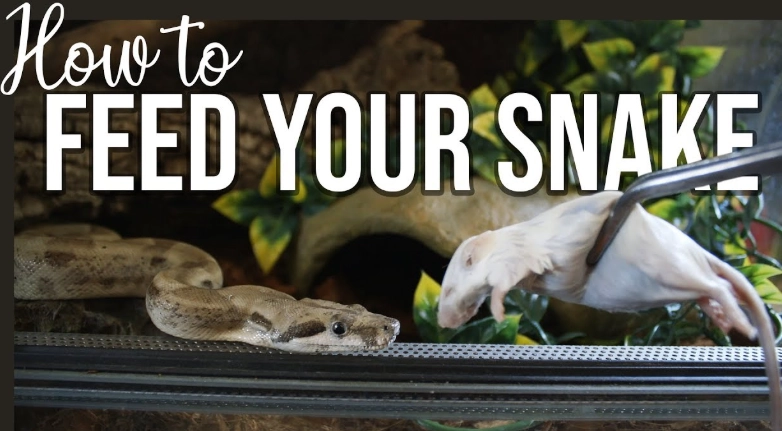
Leave it alone. Seriously. When you first bring a snake home, its world has been upended. New smells, new temperatures, new vibrations. The single best thing you can do is set up a perfect enclosure (correct heat, humidity, hides, water) and then leave the snake completely alone for 1-2 weeks. Don't handle. Don't stare. Just let it settle. Offer its first meal during this period, but don't handle if it refuses. This period establishes the enclosure as a safe base camp.
The Interaction Layer: Starting Handling
After a successful feed or two, you can begin short, non-invasive sessions.
- Be Confident & Calm: Snakes can sense vibration and movement. Slow, deliberate motions are less threatening than quick, jerky ones.
- Approach from the Side: Don't loom from above like a predator. Slide your hand in from the side, letting them see you.
- Support Their Body: Never dangle a snake. Provide full, gentle support along as much of its length as possible. Let it move through your hands.
- Keep it Short: Start with 5-10 minute sessions, a few times a week. Always end on a positive note before the snake shows signs of stress (like rapid, jerky movements or trying to flee back to the enclosure).
- Never Handle After Feeding: Wait at least 48 hours after a meal to avoid regurgitation, which is stressful and dangerous.
I made the mistake early on with a ball python. I thought more handling would make her tamer faster. I ignored her tight, defensive coils and tried to pick her up anyway. She balled up so tightly I couldn't even see her head. It set our progress back weeks. I learned the hard way that patience isn't just a virtue; it's the only language your snake understands.
The Advanced Layer: Reading the Signals & Building Routine
This is where the subtle signs of trust appear.
- The Relaxed Grip: A snake that holds onto you with a relaxed, steady pressure is comfortable. A snake that grips like a vise or tries to launch itself away is stressed.
- Exploratory Behavior: This is the gold standard. When your snake stops freezing and starts deliberately tongue-flicking and moving around your arms or lap, it's investigating its environment—and you're part of it.
- No Defensive Posturing: If your snake no longer coils into an S-shape (a strike pose), hides its head, or hisses when you approach, it has learned you are not a predator.
- Establish a Routine: Snakes thrive on predictability. Handling at roughly the same time, on the same days, helps them understand what to expect. Some keepers even use a specific, gentle tap on the enclosure before opening it, to signal "handling time, not feeding time."
It's a slow dance. And you have to let the snake lead.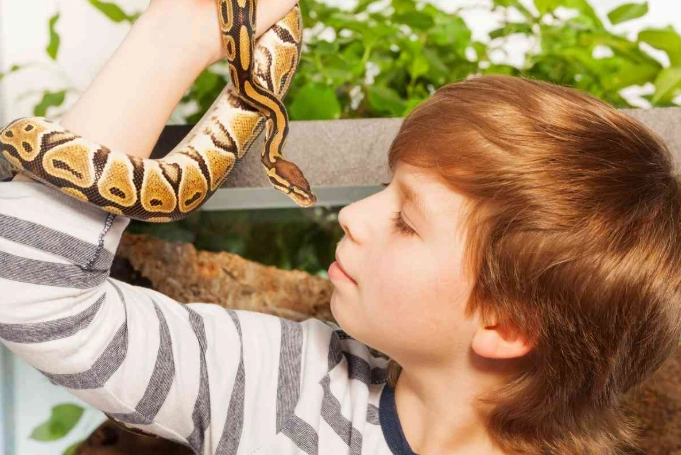
Common Questions (And Straight Answers)
A Word of Caution: Anthropomorphism is Your Enemy
The biggest barrier to understanding your snake is projecting human emotions onto it. "He's sulking because I was away." "She's being mean today." This kind of thinking leads to mishandling and misunderstanding the animal's actual needs. A snake's behavior is driven by instinct, environment, and learned association—not mood swings or personal grievances. Respecting them for what they are is the first step to a good relationship.
The Final Shed: Setting Realistic Expectations
Getting a snake hoping it will bond like a puppy is a recipe for disappointment. But getting a snake to appreciate the quiet, fascinating process of earning a wild creature's trust? That's one of the most unique experiences in the pet world.
You learn to read a language of subtle muscle tension, flicking tongues, and exploratory movements. The "bond" is in those moments when your snake, presented with the freedom to flee, chooses instead to slowly investigate the landscape of your sweater. It's in the way it doesn't tense up when you reach into its home. It's a partnership built on respect for its fundamental otherness.
So, do any snakes bond with humans? The ones in capable, patient, and observant hands certainly learn to trust them. And in a world as starkly survival-driven as a snake's, trust might just be the most valuable currency there is. It's not a fairy tale bond; it's a real-world treaty. And I think that's even cooler.
My old corn snake passed last year. On his last day, he was weak, but when I held him, he did the same slow, meandering exploration of my hands he'd done for years. It was his normal. In that moment, I didn't need him to love me. The fact that he felt safe enough with me to be himself, right until the end, was the only answer I ever needed to the question of whether snakes bond with humans. It was a bond built on a thousand calm interactions, and it was utterly real.



Join the Conversation