So you're thinking about a vegetarian diet plan for your gerbil. Maybe you're vegetarian yourself and want your pet's meals to align with your values. Or perhaps you're uneasy about sourcing insects or animal protein. I get it. I've kept gerbils for over a decade, and the diet question is one of the most common—and most botched—areas of their care. Let's cut to the chase: gerbils are opportunistic omnivores. In the wild, their menu includes seeds, plants, and the occasional insect or smaller animal. A strictly vegan diet, removing all animal-derived nutrients, is risky and goes against their biology. However, a carefully planned, vegetarian-friendly diet that strategically includes essential animal-sourced nutrients (like vitamin D3 or specific amino acids) is possible, but it requires precision and knowledge most pet sites gloss over.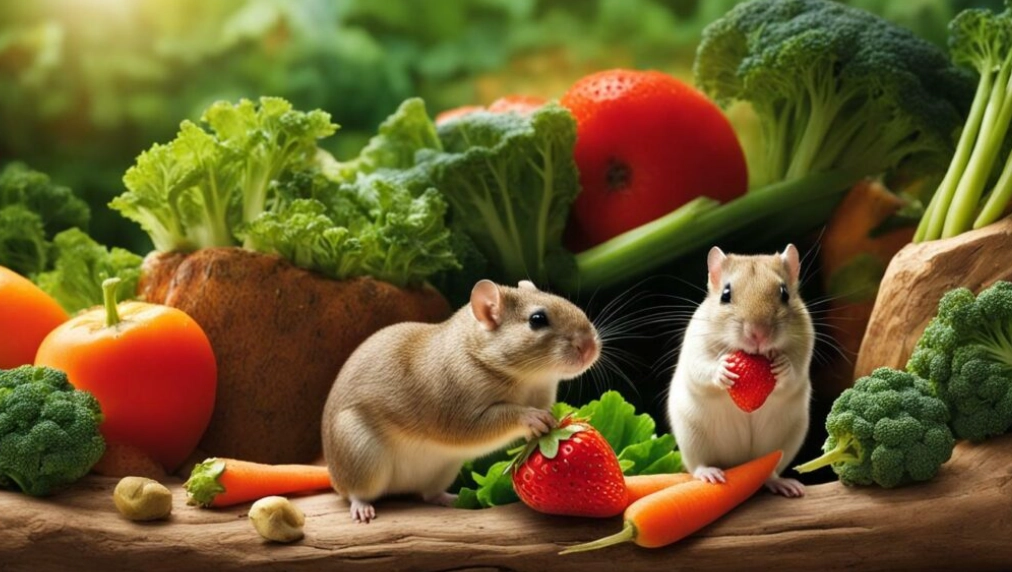
Your Quick Guide to a Plant-Based Gerbil Menu
Can Gerbils Be Vegetarian? The Honest Truth
The short answer is: not purely, but you can get close with careful planning. The biggest pitfall I see is owners simply removing animal protein and thinking extra seeds will cover it. That's a fast track to health problems. Gerbils need specific nutrients that are abundant and bioavailable in animal sources: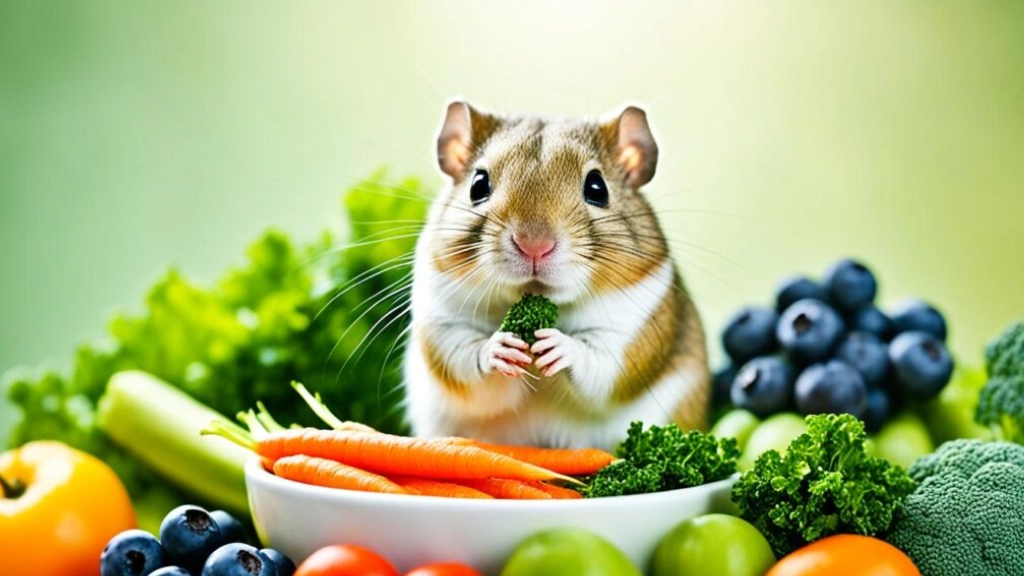
- Complete Protein: Plant proteins are often "incomplete," lacking one or more essential amino acids. Taurine and methionine are crucial for gerbil health and are more readily found in animal tissue.
- Vitamin D3: Essential for calcium absorption. While D2 comes from plants, D3 (cholecalciferol) from animal sources or synthesized by their skin in sunlight is what they effectively use. Without it, metabolic bone disease is a real risk.
- Vitamin B12: Almost exclusively found in animal products. Deficiency leads to neurological issues and anemia.
The Common Mistake: Many owners swap animal protein for high-fat seeds and nuts. This leads to obesity and fatty liver disease. A peanut is not a nutritional substitute for a mealworm—it's a fat bomb.
Therefore, a responsible gerbil vegetarian diet isn't about eliminating every animal molecule. It's about constructing a primarily plant-based diet that is fortified with the critical missing pieces. This might mean using a high-quality commercial pellet that contains animal-derived nutrients (like D3 from sheep's wool lanolin) as your base, then adding fresh plant foods. Trying to DIY everything from scratch is where most people fail.
Building the Vegetarian-Friendly Gerbil Diet Plan
Think of this as a pyramid. The broad base is a reliable, nutritionally complete staple. The middle is your variety, and the tiny top is treats.
The Non-Negotiable Foundation: High-Quality Pellets
For a plant-focused keeper, this is your safety net. Choose an extruded pellet (not a muesli mix) from a reputable brand. Look for one with a protein content of around 14-16%. Brands like Science Selective Gerbil & Hamster or Mazuri Rat & Mouse are formulated by nutritionists to be complete. They contain the necessary vitamins (including D3 and B12) and amino acids in balanced ratios. This pellet should make up about 70-80% of their daily intake. It's boring, but it prevents malnutrition.
The Fresh & Fun Layer: Vegetables, Legumes, and Grains
This is where you add variety, fiber, and enrichment. Offer a tablespoon of fresh mix per gerbil, 3-4 times a week.
- Leafy Greens: Romaine lettuce, kale (sparingly), bok choy, cilantro.
- Other Veggies: Broccoli florets, cucumber (peeled), zucchini, bell pepper (seeds removed).
- Plant-Based Protein Boosts: This is key! Cooked, plain lentils or chickpeas (mashed), a tiny amount of scrambled egg (this is an animal product, but often accepted by vegetarians), or soaked, cooked quinoa.
- Whole Grains: Cooked brown rice, oats, or a small piece of whole wheat pasta.
My Go-To Fresh Mix: I'll finely chop a bit of broccoli, a slice of zucchini, and mix it with a teaspoon of cooked, mashed green lentils. My gerbils go nuts for it, and it gives them that protein and fiber hit.
Seeds, Herbs, and Occasional Treats
Seeds are not food; they are snacks. A few pumpkin seeds, a flax seed, or a spray of millet once or twice a week is plenty. Fresh herbs like parsley or dill are great in tiny amounts. For a "treat," a sliver of apple or carrot twice a week is enough.
A 7-Day Sample Vegetarian Gerbil Meal Plan
Here’s a practical weekly schedule for one gerbil. Adjust amounts slightly for pairs. Always remove uneaten fresh food after 12 hours.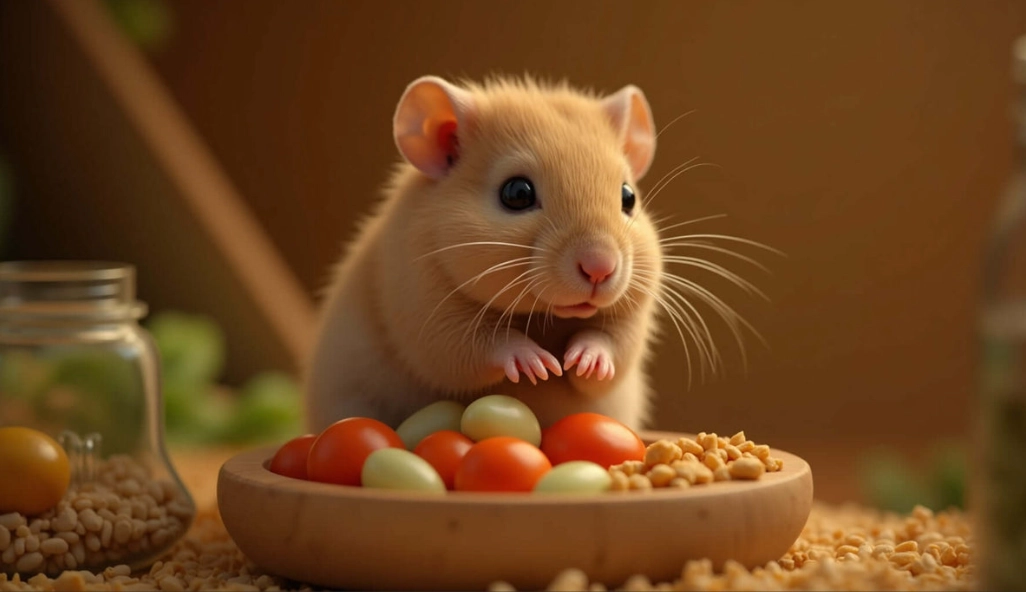
| Day | Morning (Staple) | Evening (Fresh/Variety) | Notes |
|---|---|---|---|
| Monday | 1.5 tbsp high-quality pellets | Small broccoli floret & 2 cooked lentils | Scatter pellets for foraging. |
| Tuesday | 1.5 tbsp high-quality pellets | Thin slice of cucumber (peeled) | Hydrating, low-calorie veggie. |
| Wednesday | 1.5 tbsp high-quality pellets | 1 tsp cooked quinoa & a sprig of cilantro | Quinoa offers complete plant protein. |
| Thursday | 1.5 tbsp high-quality pellets | Small piece of bell pepper (red/yellow) | High in Vitamin C. |
| Friday | 1.5 tbsp high-quality pellets | 1/4 teaspoon scrambled egg (cooled) & a tiny piece of romaine | The egg provides a high-quality protein and B12 boost. |
| Saturday | 1.5 tbsp high-quality pellets | A few oats and one pumpkin seed (as treat) | Treat day. Hide the seed in bedding. |
| Sunday | 1.5 tbsp high-quality pellets | Small piece of zucchini & a cooked chickpea (mashed) | Chickpeas are great for fiber and protein. |
Critical Foods to Avoid on a Plant-Based Diet
When you're focusing on plants, some dangers become more common.
- Citrus Fruits & Onions: Too acidic or toxic.
- Iceberg Lettuce & Celery: Mostly water, minimal nutrition, can cause diarrhea.
- Raw Beans or Potato: Toxic. Always cook legumes.
- Avocado & Rhubarb: Highly toxic.
- Sunflower Seeds & Peanuts as Staples: These are the junk food of the gerbil world. They'll pick them out and leave the healthy stuff, leading to severe imbalance.
Pro Tips from a Long-Time Gerbil Owner
Here's what you won't find in most care sheets.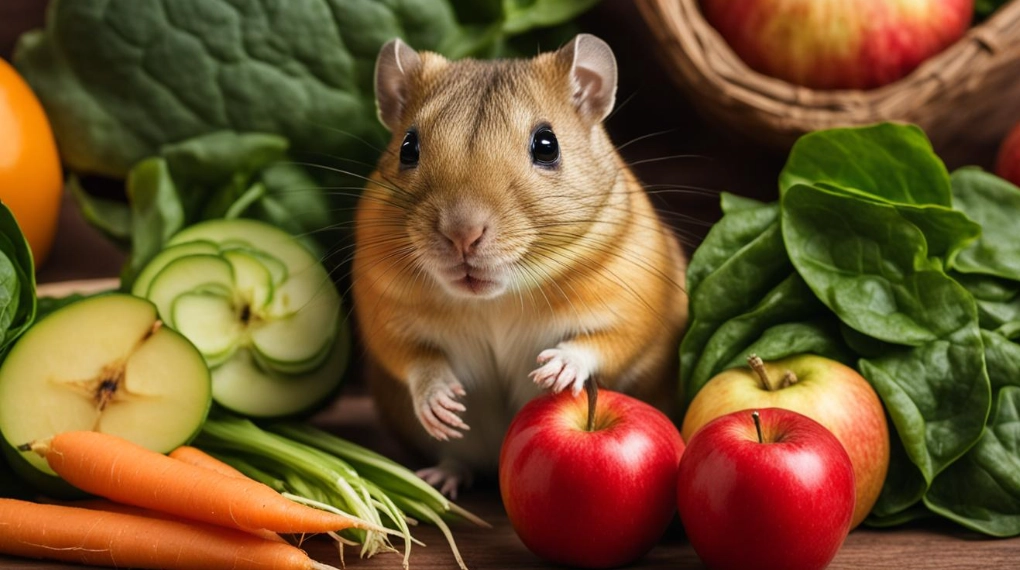
Introduce one new food at a time, over 3 days. Watch their droppings. If they get soft or stop, you know that food doesn't agree with them. Gerbils have sensitive guts.
Wash all fresh produce thoroughly. Pesticides are a real threat. I prefer organic for items like kale and broccoli.
Observe their chewing. Their teeth constantly grow. A good diet includes hard pellets and occasional safe wooden chews. If they're not gnawing enough, their teeth can overgrow—a painful veterinary emergency.
Water is non-negotiable. Fresh, clean water daily in a bottle, changed even if it's not empty. Dehydration on a dry pellet/fresh veg diet can sneak up.
Your Gerbil Diet Questions, Answered
 Are there any commercial vegetarian gerbil foods?
Crafting a gerbil diet plan vegetarian style is a commitment to doing extra homework. It's not as simple as just giving them your salad scraps. The core principle is this: their health must come first. By using a scientifically formulated pellet as your nutritional insurance policy and then thoughtfully adding a rainbow of safe, fresh plant foods for enrichment, you can create a feeding regimen that satisfies both your ethical considerations and your gerbil's biological needs. Watch them closely, be ready to adapt, and enjoy the process of discovering what your little foragers love.


Join the Conversation