Getting a bearded dragon habitat right isn't just about throwing a heat lamp over a tank. It's about recreating a slice of the Australian outback in your living room. Do it wrong, and you'll have a stressed, sickly lizard. Do it right, and you'll witness fascinating behaviors—basking, digging, glass surfing (the happy kind), and that iconic bearded dragon chill.
I've seen too many setups where the focus is on cute decor rather than fundamental animal welfare. The reptile hobby has evolved, and so have our standards. The old 40-gallon breeder tank recommendation? We can do better.
What's in This Guide?
- Enclosure Size: Why Bigger Isn't Just Better, It's Essential
- Lighting: The Cornerstone of Health (It's Not Just Heat)
- Temperature & Humidity: Creating the Perfect Gradient
- Substrate & Decor: Safety, Enrichment, and Aesthetics
- Maintenance & Cleaning: The Unsexy But Vital Routine
- Your Top Bearded Dragon Habitat Questions, Answered
Enclosure Size: Why Bigger Isn't Just Better, It's Essential
Let's settle this first. An adult bearded dragon needs space. Not just to turn around, but to run, climb, and thermoregulate properly. The outdated minimum of a 40-gallon breeder (36x18x18 inches) is just that—outdated.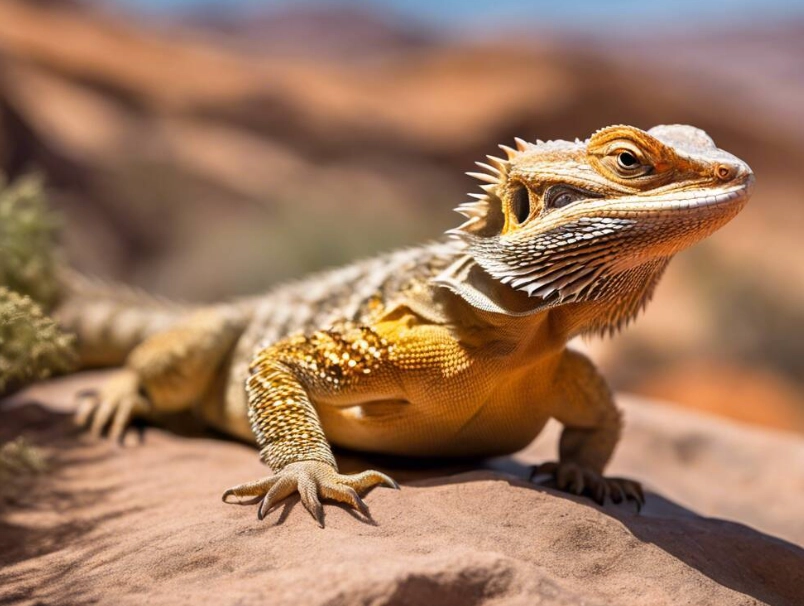
Think of it this way: that's like you living in a walk-in closet. You could survive, but your quality of life would be poor.
The New Standard: For a single adult bearded dragon, aim for a 120-gallon enclosure (48x24x24 inches). This 4x2x2 foot footprint is becoming the benchmark for responsible keepers. It allows for a proper thermal gradient, space for multiple climbing and hiding areas, and encourages natural exercise.
For juveniles, a 40 or 75-gallon is fine to start, but plan for the upgrade. Buying one big tank is cheaper and less stressful than upgrading twice.
Front-opening enclosures (like those from Zen Habitats or Dubia.com) are a game-changer. They reduce stress from overhead approach and make cleaning and interaction easier. Screen tops are okay, but they make it very hard to control heat and humidity. A PVC or wood enclosure with a mesh ventilation panel is superior.
Lighting: The Cornerstone of Health (It's Not Just Heat)
This is where most beginners mess up, and the consequences are severe—Metabolic Bone Disease (MBD) is a painful, crippling condition caused primarily by incorrect lighting.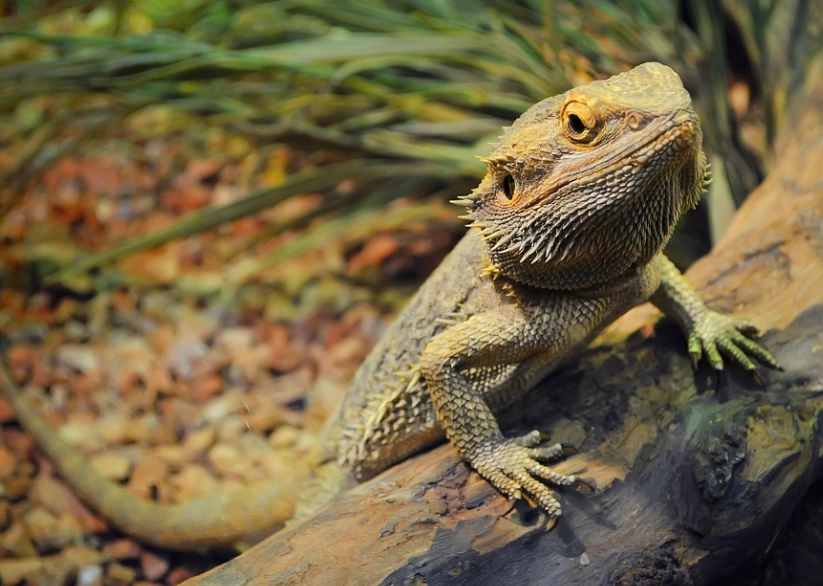
Your habitat needs two separate, critical light sources:
1. The Basking Lamp
This provides the intense, directional heat your dragon needs to digest food and regulate its body temperature. A simple halogen flood bulb from the hardware store often works better and is cheaper than a "reptile basking spot" bulb. You need it to create a surface basking spot of 100-110°F (38-43°C) measured with an infrared temp gun.
The key is distance. Too close and it's a burn risk, too far and it's useless. Adjust the lamp height or bulb wattage until you hit that target zone.
2. The UVB Lamp
This is non-negotiable. Bearded dragons cannot process calcium without UVB light, which mimics sunlight. You need a linear fluorescent tube (T5 HO strength is best) that spans about 2/3 the length of the enclosure. Compact coil UVB bulbs are notoriously inadequate for bearded dragons.
The UVB tube should be mounted inside the enclosure (if using a mesh top, the mesh blocks up to 50% of the rays) and overlap with the basking area. Follow the manufacturer's distance guidelines religiously. Replace it every 10-12 months, even if it still lights up, as UVB output decays.
Both lights should be on a 12-hour on, 12-hour off timer. Total darkness at night is important.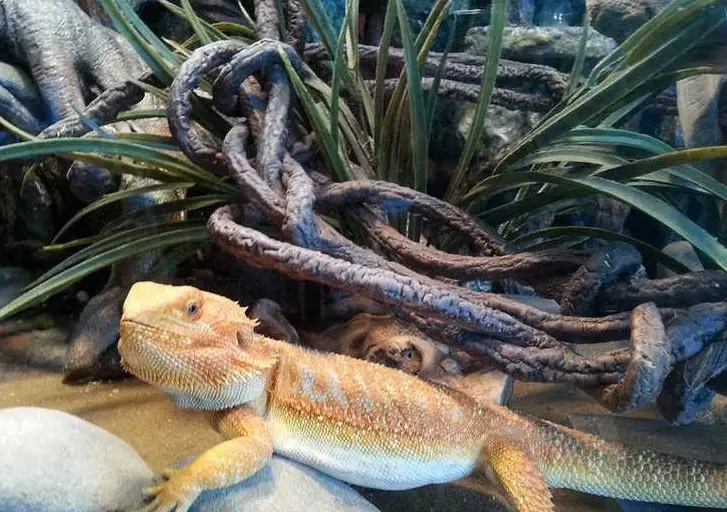
Temperature & Humidity: Creating the Perfect Gradient
Your dragon's habitat shouldn't be one uniform temperature. They need choices.
- Basking Zone: 100-110°F (38-43°C) directly under the lamp.
- Warm Side: The ambient temperature on the basking end should be around 90-95°F (32-35°C).
- Cool Side: The opposite end should drop to 75-85°F (24-29°C). This is their retreat when they need to cool down.
- Nighttime Temp: Can safely drop to 65-75°F (18-24°C). If your house gets colder, a ceramic heat emitter (CHE) that produces no light is ideal for night heat.
You'll need at least two digital thermometers with probes (one for each side) and a hygrometer to measure humidity. The stick-on analog gauges are notoriously inaccurate.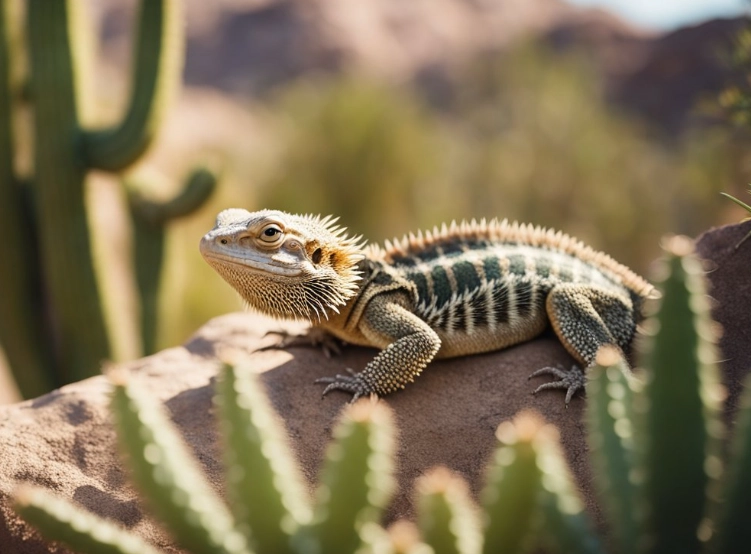
Humidity Headache: Aim for 30-40%. Consistently high humidity (over 50-60%) can lead to respiratory infections. This often happens with glass tanks with screen tops in humid climates. If you struggle with high humidity, ensure the water bowl isn't too large, increase ventilation, and consider a room dehumidifier. Misting the tank directly is usually a bad idea unless you're managing a bioactive setup.
Substrate & Decor: Safety, Enrichment, and Aesthetics
The Substrate Debate
This is a hot topic. Loose substrates can cause impaction if ingested, especially with poor husbandry. Solid substrates are safer but less natural.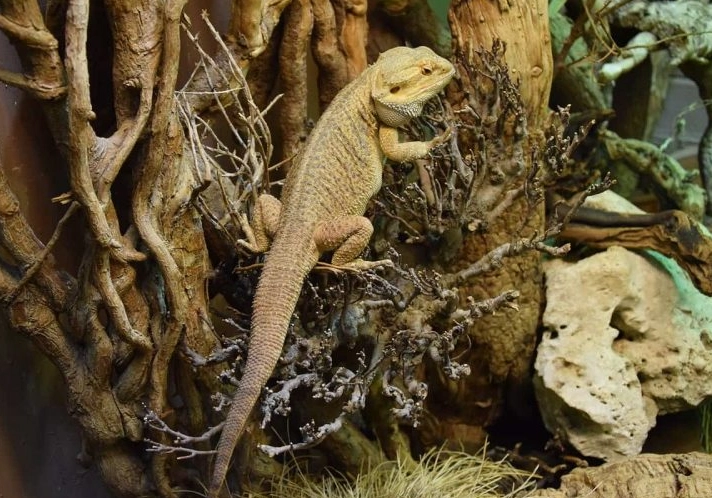
| Substrate Type | Best For | Pros | Cons/Warnings |
|---|---|---|---|
| Tile (Slate, Ceramic) | Beginners, Easy Clean-up | Safe, easy to clean, files nails naturally, retains heat well. | Can be slippery, offers no digging enrichment. |
| Non-Adhesive Shelf Liner | Beginners, Budget Setups | Very cheap, easy to replace, provides traction. | Can hold bacteria if not changed frequently, looks less natural. |
| Bioactive Mix (Soil/Sand/Clay) | Advanced Keepers, Naturalistic Setups | Allows natural digging, supports live plants, can be self-cleaning with a clean-up crew (isopods/springtails). | Requires research and proper setup. NEVER use pure calcium sand or fine silica sand. |
| Paper Towel/Newspaper | Quarantine, Sick Dragons, Hatchlings | Extremely safe, ultra-easy monitoring of feces. | Unsightly, offers zero enrichment, needs frequent changing. |
My personal take? For a first-time owner, start with tile or shelf liner. Master the basics of feeding, lighting, and temps first. Once you're confident, you can explore a bioactive setup for your second enclosure—it's incredibly rewarding.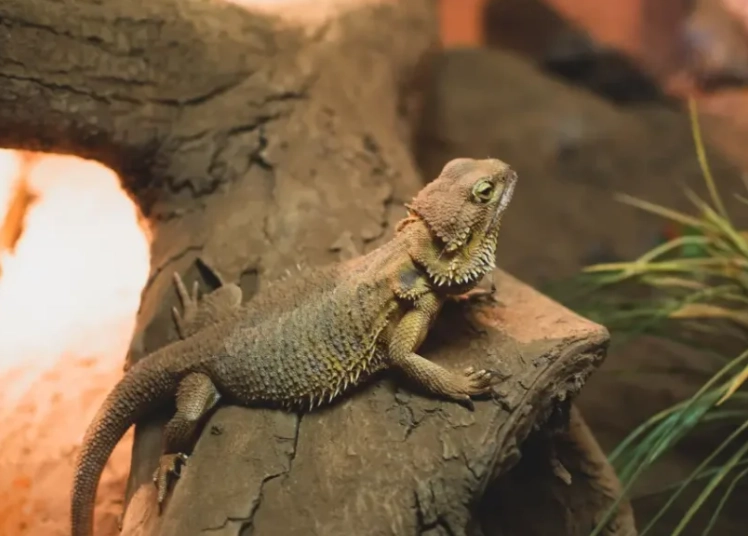
Furnishing the Space
Decor isn't just for looks; it's for mental and physical health.
Basking Platforms: Use flat rocks, sturdy driftwood, or commercial hammocks placed at the correct distance from the heat lamp. The surface should get warm, not scorching.
Hides: At least two—one on the warm side, one on the cool side. They should be snug and dark. A simple cardboard box can work in a pinch.
Climbing Structures: Branches, cork rounds, and reptile-safe vines. Bearded dragons are semi-arboreal and love to climb.
Backgrounds: A 3D foam background on the back wall not only looks great but provides extra climbing surface and makes the dragon feel more secure.
Maintenance & Cleaning: The Unsexy But Vital Routine
A clean habitat is a healthy habitat. Spot clean feces and urates daily. A full breakdown and deep clean should happen monthly. Use a reptile-safe disinfectant like F10SC or a diluted chlorhexidine solution. Rinse everything thoroughly.
For water and food bowls, wash with hot soapy water daily. Bacteria builds up fast.
If you go bioactive, your maintenance shifts from cleaning to balancing the ecosystem—spot cleaning large waste, feeding the clean-up crew, and pruning plants.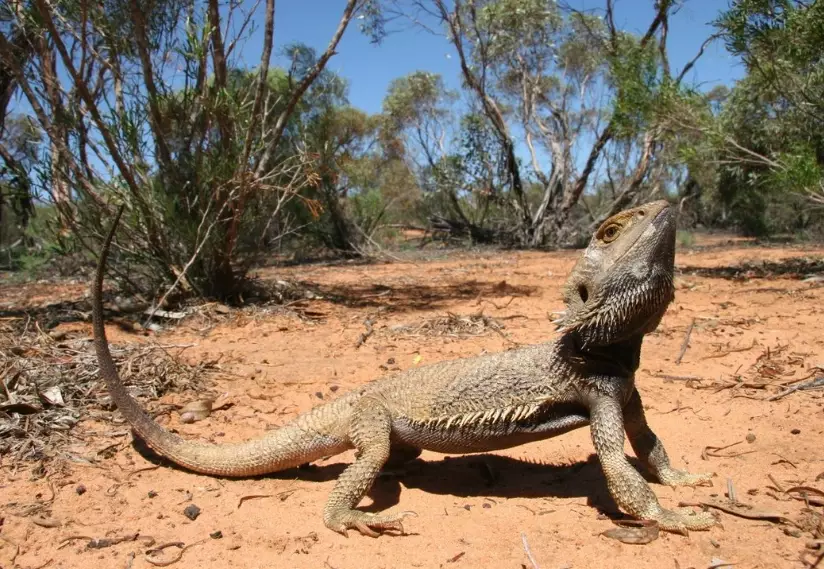
Your Top Bearded Dragon Habitat Questions, Answered
Building the perfect bearded dragon habitat is a project. It takes research, a bit of investment, and ongoing attention. But when you see your dragon actively exploring, basking contentedly, and displaying vibrant colors, you'll know it was worth it. You're not just keeping a pet in a box; you're a zookeeper for a tiny, spiky desert emperor. Get the foundation right, and everything else—the bonding, the quirky personality—follows naturally.




Join the Conversation