If you own a snake, knowing when it's hungry is crucial for its health and your peace of mind. I've kept snakes for over a decade, and let me tell you, it's not always obvious. Unlike dogs that bark or cats that meow, snakes give subtle cues. In this guide, I'll break down the key signs of hunger, common mistakes, and practical feeding tips based on my experience and expert sources like the Reptile Database.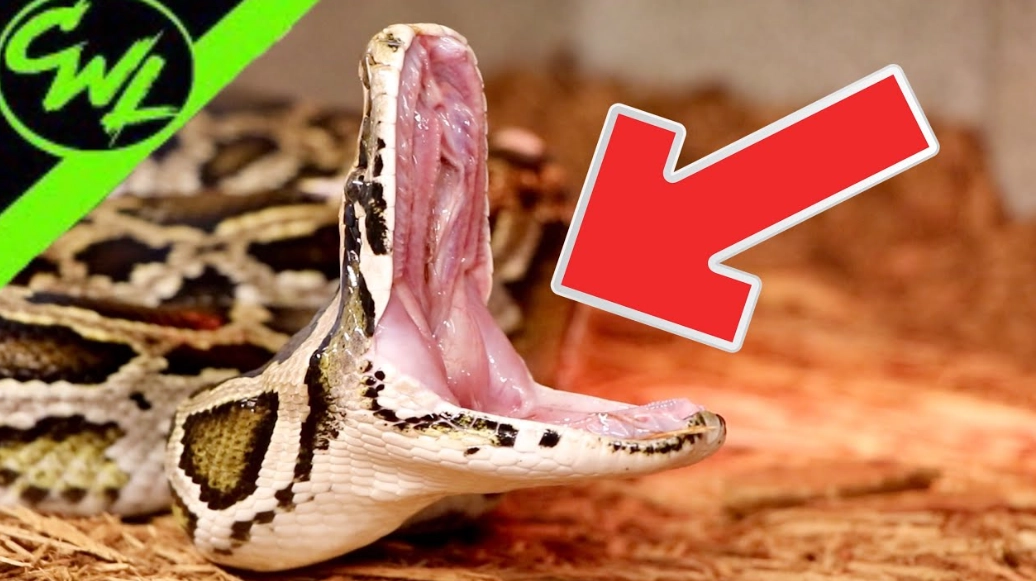
Quick Navigation: What You'll Learn
Understanding Snake Hunger: Why It Matters
Snakes are ectothermic, meaning their metabolism depends on temperature. A hungry snake might become stressed or aggressive, while overfeeding can lead to obesity—a huge issue in captive reptiles. I've seen owners panic when their snake refuses food for weeks, but sometimes it's normal. The key is to read the signs correctly.
Fun fact: Snakes can go months without eating, especially during brumation (reptile hibernation). But that doesn't mean you should ignore hunger cues.
Top Signs Your Snake is Hungry
Here are the most reliable indicators I've observed. Don't rely on just one; look for a combination.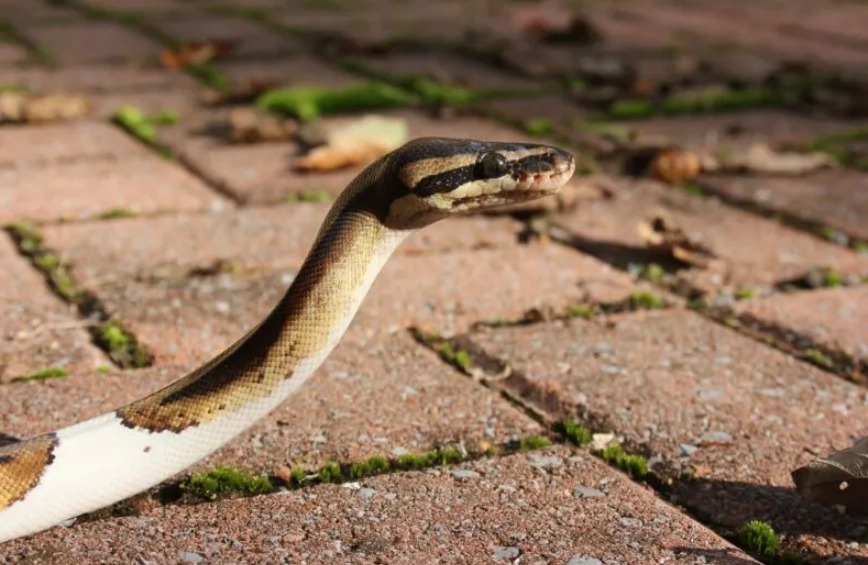
Increased Tongue Flicking
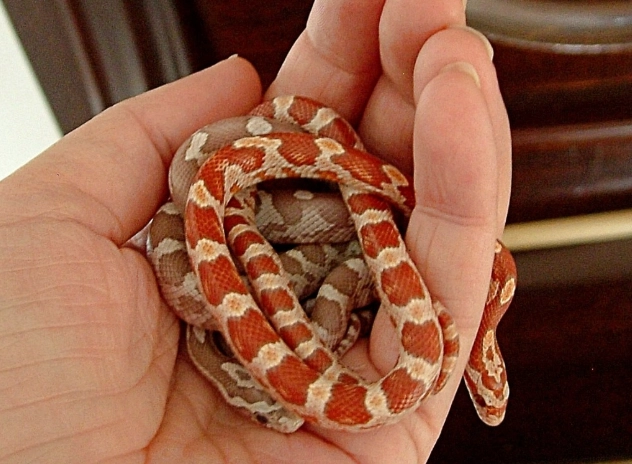
Snakes use their tongue to smell. When hungry, they flick it more frequently, especially near the enclosure opening or when you approach. My corn snake does this like clockwork every feeding day.
Restlessness and Pacing
A hungry snake often moves around its tank more than usual, almost like it's searching. This is different from normal exploration—it's more focused and persistent.
Focused Hunting Behavior
You might see your snake assuming a "strike pose"—coiled and ready, with its head pointed toward movement. In the wild, this means business. In captivity, it's a clear hunger sign.
| Sign | What to Look For | Common in Species |
|---|---|---|
| Tongue Flicking | Rapid, repeated flicks toward air or objects | Corn snakes, ball pythons |
| Restlessness | Pacing along glass, frequent repositioning | Kingsnakes, boas |
| Hunting Pose | Coiled body, head raised, focused gaze | Pythons, vipers (captive-bred only) |
Another thing: some snakes become more interactive. My friend's boa constrictor will actually nudge the tank lid when hungry—a behavior rarely mentioned online.
Common Mistakes in Interpreting Hunger Signs
New owners often get this wrong. Here's where experience kicks in.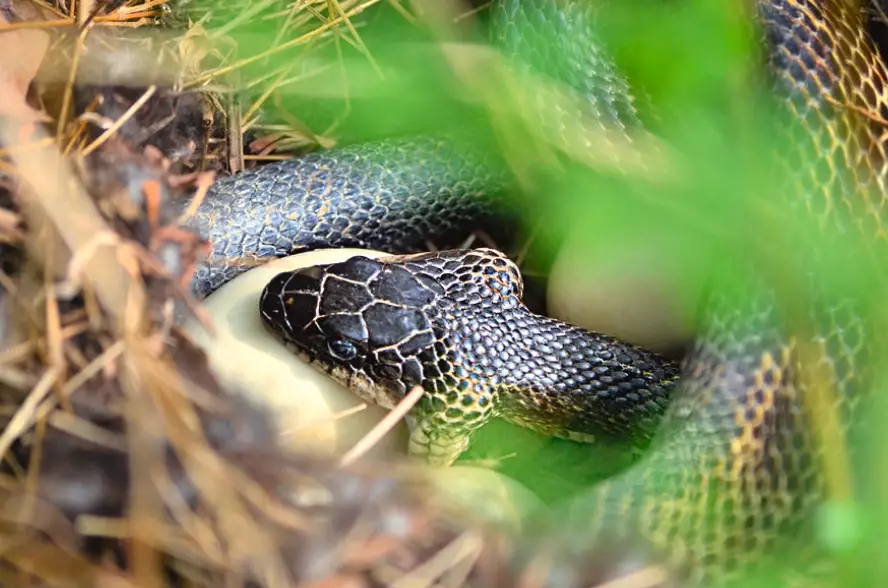
Mistake #1: Confusing thirst for hunger. Snakes drink water too! If your snake is active near its water bowl, it might just be thirsty. I learned this the hard way when I overfed my first snake.
Mistake #2: Assuming all movement means hunger. During shedding, snakes can be restless due to discomfort, not hunger. I've seen people force-feed during shed, which stresses the animal.
Mistake #3: Ignoring species-specific traits. A burrowing snake like a sand boa might show hunger by emerging more, while a tree snake becomes more alert. According to herpetology experts, blanket advice fails here.
How Often Should You Feed Your Snake?
Feeding frequency depends on age, species, and size. Here's a rough guide based on my logs and sources like the American Society of Ichthyologists and Herpetologists.
- Hatchlings and juveniles: Every 5-7 days. They're growing fast.
- Adults: Every 10-14 days for most species. Some, like large pythons, can go longer.
- Brumation periods: Feeding may stop entirely for months.
I adjust based on behavior. If my snake shows hunger signs a day early, I might feed; if not, I wait. Overfeeding is a silent killer—obesity in snakes leads to liver disease.
Case Study: My Ball Python's Feeding Journey
Let me share a personal story. My ball python, Slinky, went off food for three months once. I panicked, thinking he was starving. But after checking with a vet, I realized he was just in a fasting phase common for the species.
During that time, I monitored his weight weekly. He lost less than 5% body weight, which is normal. The key signs he wasn't hungry? No tongue flicking, no pacing—just calm hiding. When he finally showed interest, it was a slow tongue flick toward a rat. I fed him, and he ate eagerly.
This taught me patience. Not every refusal is a crisis.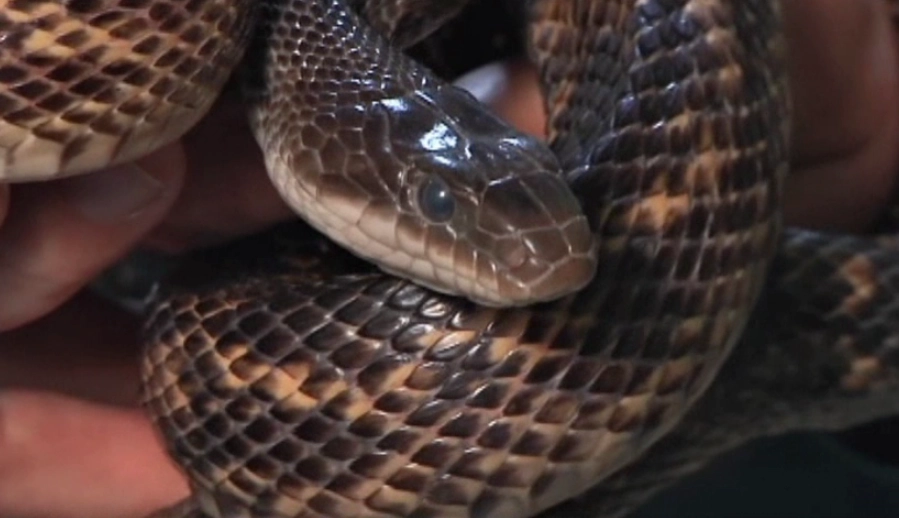
What to Do If Your Snake Isn't Eating
First, don't panic. Snakes can fast for various reasons: stress, temperature issues, illness, or natural cycles.
Steps I follow:
- Check enclosure temperature and humidity. Incorrect settings are a top cause.
- Ensure hiding spots are adequate. Stress from exposure can kill appetite.
- Try different prey types. Some snakes prefer mice over rats, or live over frozen-thawed.
- Consult a reptile vet if fasting lasts over two months with weight loss.
I've had success with scenting prey with chicken broth for picky eaters—a trick from an old breeder.
Frequently Asked Questions
 Is it normal for a snake to be hungry right after eating?


Join the Conversation