Quick Navigation
Let's be real, figuring out what to feed your bunny can feel overwhelming at first. You walk into a pet store and see aisles of colorful bags, treats shaped like cartoon characters, and a dozen types of hay. Online forums are full of conflicting advice. One person says pellets are essential, another says they're junk food. It's enough to make your head spin.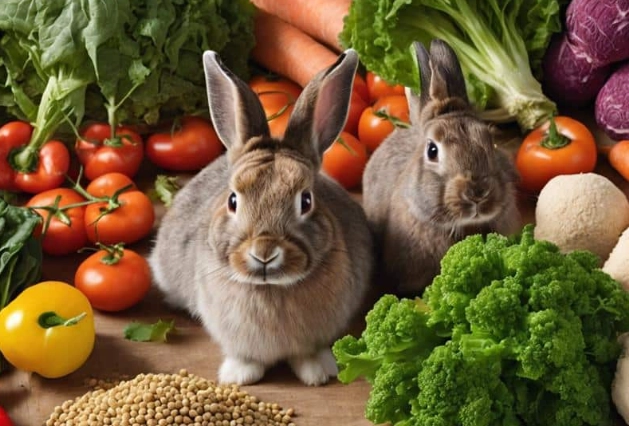
I remember when I first brought home my rabbit, Biscuit. I thought I was doing great with a bowl of supermarket pellet mix and the occasional carrot. Boy, was I wrong. A scary bout of GI stasis (that's a life-threatening digestive slowdown, by the way) was my wake-up call. The vet sat me down and laid out the real facts about a rabbit's nutritional needs. It wasn't complicated, but it was completely different from what I assumed.
So, let's cut through the noise. What should a rabbit's diet consist of, really? Forget the marketing hype. We're going to build it from the ground up, based on what their bodies are actually designed to eat. Think of it like this: we're trying to mimic the diet of a wild rabbit as closely as possible, while making it practical for life in your living room.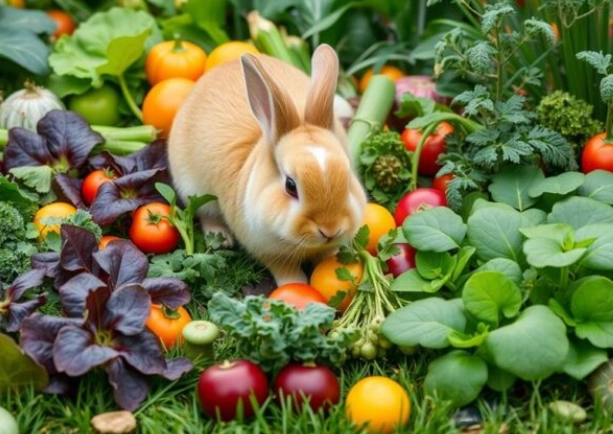
What Should a Rabbit's Diet Consist Of? The Core Four
If you remember nothing else, remember this breakdown. A balanced rabbit diet rests on four pillars. Get these right, and you're 90% of the way there.
- Unlimited Grass Hay: This isn't just food; it's the bedrock. It should make up about 80-90% of everything they eat.
- Fresh Leafy Greens: A daily salad of varied vegetables. Think of this as their main source of vitamins and moisture.
- Limited High-Fiber Pellets: A small, measured amount of plain, high-fiber pellets to fill any nutritional gaps.
- Occasional Treats: Tiny amounts of fruit or other safe treats, used sparingly for training or bonding.
And water. Fresh, clean water available 24/7, in a bowl (which is better for them than a bottle).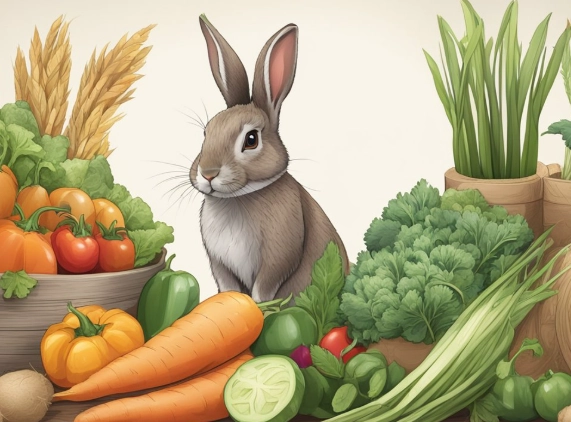
Pillar One: Hay – The Non-Negotiable Foundation
Hay is everything. It's not bedding. It's not a snack. It's their main course, available all day, every day. Why is it so critical? A rabbit's digestive system is a fermentation vat that needs to be constantly moving. The long, tough fibers in hay grind down their ever-growing teeth (preventing painful, expensive dental issues) and provide the bulk that keeps their gut motile. Without it, the gut slows down and can stop completely—that's GI stasis, a veterinary emergency.
But not all hay is created equal. The gold standard for adult rabbits is Timothy Hay. Orchard grass, meadow hay, and oat hay are also excellent choices. Alfalfa hay is rich and high in calcium and protein—great for growing babies and underweight seniors, but too rich for most healthy adults and can lead to obesity and urinary sludge.
You'll hear "unlimited hay" a lot. But how much is "unlimited"? A good rule of thumb is a pile at least as big as the rabbit itself, every single day. It should look like they have more than they could ever eat, because they should be munching on it constantly. I go through a huge box every two weeks for one rabbit. If you're not buying hay in bulk, you might not be buying enough.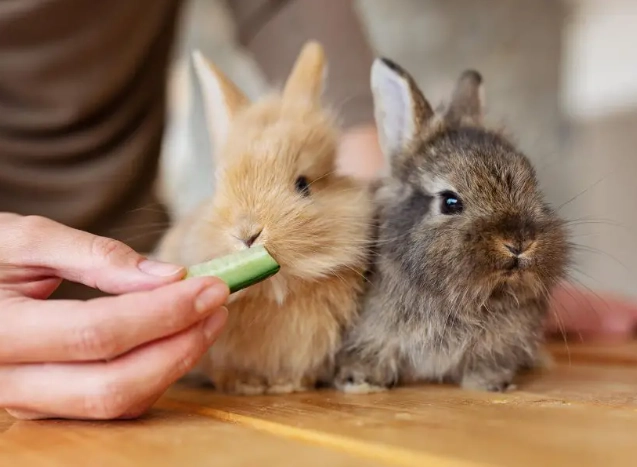
Quality matters too. Good hay smells sweet and grassy, not musty or dusty. It's greenish, with a mix of long stems and leafy bits. Don't be afraid to switch brands or types if your bunny is being picky—some prefer the softer second cut Timothy, others like the stalkier first cut. The best hay is the hay they'll actually eat.
Pillar Two: Fresh Vegetables – The Daily Salad Bar
This is where you can have fun and provide variety. Leafy greens should be offered daily, ideally a mix of three different types. Variety isn't just for interest; it ensures a broader range of nutrients. Start any new veggie slowly to avoid upsetting their sensitive stomachs.
Here’s a practical list to shop from. I like to break them into categories based on how often I feed them.
| Vegetable | Category & Notes | How Often |
|---|---|---|
| Romaine Lettuce | Staple green. High water content, generally well-loved. (Not iceberg—it's mostly water and has little nutritional value). | Daily |
| Spring Greens / Mixed Salad | Excellent daily base. Just check it doesn't contain spinach or kale in large amounts. | Daily |
| Herbs: Cilantro, Parsley, Mint, Basil | Flavorful, aromatic, and usually a huge hit. Great for encouraging eating. | Daily (in rotation) |
| Dark Leafy Greens: Kale, Spinach, Chard | Nutrient-dense but higher in oxalates/calcium. Best rotated, not fed in large daily amounts. | 2-3 times a week |
| "Tops": Carrot tops, Radish tops, Beet greens | Often more nutritious than the root! Carrot tops are a favorite in my house. | Several times a week |
| Others: Bok Choy, Endive, Escarole | Great for adding crunch and variety. | Daily/Weekly rotation |
How much to feed? A common guideline is about 1 packed cup of greens per 2 lbs of body weight daily. For a standard 5-6 lb rabbit, that's roughly two good-sized handfuls. Wash everything thoroughly to remove pesticides.
Pillar Three: Pellets – Less is More
This is the component most people overdo. Pellets are a concentrated food source. In the wild, rabbits don't have pellets. They're a modern convenience designed to ensure they get certain vitamins and minerals, but they're not the main event. Think of them as a daily multivitamin, not a meal.
A high-quality pellet is plain, green, and boring. Avoid the colorful mixes with seeds, corn, and dried bits (often called "muesli"-style). Rabbits will pick out the tasty, unhealthy parts and leave the nutritious pellets, leading to an imbalanced diet and dental issues from not chewing properly. The House Rabbit Society, a highly respected rabbit welfare organization, has excellent guidelines on selecting pellets, emphasizing simple, timothy-based formulas for adults.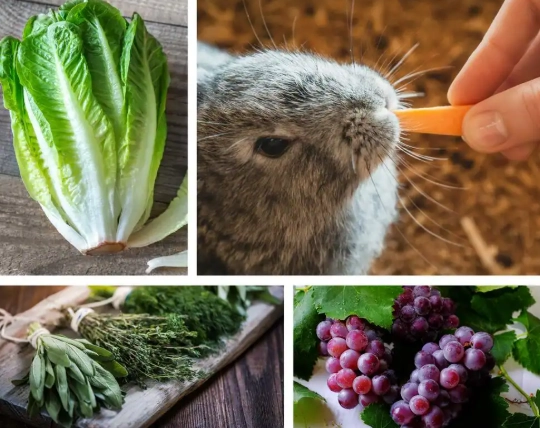
So how many pellets should a rabbit eat? For an average adult (not pregnant, nursing, or under 6 months), it's shockingly little:
- 1/4 cup of plain pellets per 5 lbs of body weight per day.
Yes, just a quarter cup. That's about a small handful. I use a tiny measuring cup to dole out Biscuit's portion in the evening. It's a treat he looks forward to, but it doesn't fill him up so he ignores his hay. Overfeeding pellets is a direct shortcut to an overweight, picky rabbit with a sluggish gut.
Pillar Four: Treats – The Occasional Sweet Reward
We all love to spoil our pets. The key is doing it safely. The best treats are small pieces of fruit (high in sugar) or crunchy vegetables they don't get daily.
Safe in Tiny Amounts (Think 1-2 teaspoon-sized pieces, 1-2 times a week): Apple (no seeds), banana (super high in sugar, so just a sliver!), strawberry, blueberry, pear, melon, carrot (the root, not just the tops—it's sugary!).
You can also use a single plain pellet, a sprig of a favorite herb, or a piece of their daily veggie as a "treat" for training. It doesn't have to be exotic.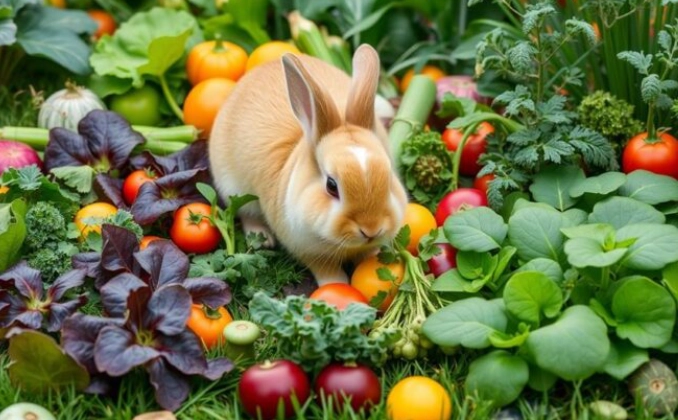
Common Diet Mistakes and How to Avoid Them
Even with the best intentions, it's easy to slip up. Here are the pitfalls I see all the time (and have personally stumbled into).
Mistake 1: The Unlimited Pellet Bowl. This is the big one. Filling the bowl with pellets is easy and rabbits gobble them up, so it feels right. But it completely destroys their appetite for hay, leading to a fiber deficit. Measure those pellets strictly.
Mistake 2: The All-Carrot Diet. Pop culture did rabbits a disservice with the carrot image. Carrots are high in sugar. Feeding a whole carrot daily is like giving a kid a candy bar every day. Carrot tops are fantastic; the root is a treat.
Mistake 3: Introducing New Foods Too Fast. A rabbit's gut flora is delicate. If you buy a new type of green, give just a leaf or two on the first day and monitor their poop. Soft stools or no stools mean you need to pull back and go slower.
Mistake 4: Not Adjusting for Age. A baby rabbit's diet (under 6 months) looks different! They need unlimited alfalfa hay and more alfalfa-based pellets for growth. The transition to an adult diet should be gradual. The RSPCA provides a clear overview of life-stage feeding that's worth checking.
Mistake 5: Ignoring Poop. A rabbit's droppings are the best health report card you'll get. Firm, round, uniform-sized fecal pellets are ideal. Small, misshapen, or strung-together poops often mean not enough fiber. No poops for 10-12 hours is a red-alert emergency for GI stasis.
Tailoring the Diet: Special Considerations
Not all rabbits are the same. You might need to tweak the basics.
For the Picky Eater: Sometimes they get bored. Try different cuts of hay (second cut is softer), or sprinkle a few dried herbal flowers (like chamomile or rose petals) into the hay. Offer a wider variety of herbs. Sometimes, simply reducing pellets forces them to explore their hay more.
For the Overweight Bunny: This is usually a pellet problem. Cut back the pellets further (consult your vet), ensure hay is always available, and focus on low-calorie greens like romaine, cilantro, and celery tops. Increase exercise and enrichment.
For Senior Rabbits (6+ years): They may struggle to maintain weight. You might need to reintroduce some alfalfa hay for calories, or offer a "senior" pellet formula. Dental issues become more common, so ensure hay is accessible (pulling it from a rack might be easier than eating from the floor). Soaking pellets in water can make a mush for rabbits with severe dental disease.
During Illness (like GI Stasis): This is critical. If your rabbit stops eating, it's an emergency. Vets will often recommend critical care feeding with a recovery formula. Knowing what a healthy diet looks like is the first step in preventing these crises. Resources like the VCA Hospitals article on GI stasis explain the vital link between diet and this common killer.
Your Rabbit Diet Questions, Answered
Can rabbits eat fruit every day?
I wouldn't recommend it. The sugar content is too high and can disrupt the delicate balance of bacteria in their cecum. A tiny piece a couple of times a week is plenty. Their systems aren't built for daily sugar hits.
My rabbit won't eat hay! What do I do?
This is a serious problem that needs fixing. First, rule out dental pain with a vet. If teeth are fine, try these tricks: offer 3-4 different types of hay (Timothy, Orchard, Oat, Botanical), put hay in multiple locations (in litter box, in toys, in racks), drastically reduce pellets to increase hunger, and try sprinkling hay with a tiny bit of dried parsley or cilantro. Sometimes, they just need to learn it's food.
Are pellets even necessary?
For a perfectly balanced diet of unlimited high-quality hay and a wide variety of organic greens, you could theoretically skip them. But for most of us, pellets are an insurance policy to cover trace nutrients like Vitamin D and specific minerals that might be lacking. For convenience and peace of mind, a small measured amount is my recommendation.
How do I transition my rabbit to a healthier diet?
Slowly. Very slowly. If they're used to lots of pellets, reduce the pellet amount by about 10% every few days, replacing that "volume" with more hay and a new green. Introduce one new vegetable at a time. A sudden switch can cause GI upset. Patience is key—it might take a month to fully transition an older rabbit.
What about water? Bowl or bottle?
Use a heavy ceramic bowl. Rabbits naturally drink more water from a bowl than from a bottle, which promotes better hydration and kidney health. Bottles can get clogged and are harder to clean. Just change the water at least once a day.
So, what should a rabbit's diet consist of? It's simple, but not always easy. It's a commitment to providing the boring stuff (hay, hay, and more hay) while being creative with the greens. It's about resisting those pleading eyes for just one more pellet. When you get it right, the rewards are huge: a rabbit with a glossy coat, bright eyes, endless energy, and, most importantly, a healthy digestive system humming along like a quiet engine.
It's the single most impactful thing you can do for their well-being. Start with the hay. Get that right, and the rest falls into place.

Join the Conversation